
Free 1900s Music Generator Powered by AI
Turn text into high-quality 1900s music effortlessly – no login required!

music.toolTips

braincells
'braincells' playfully navigates the theme of mental exploration, inviting listeners to reflect on their thoughts through a jazzy, indie lens.
01:09
2024-10-12

drip
A playful exploration of love and quirkiness, 'drip' intertwines humor with vivid imagery, set to a charming jazz backdrop.
03:49
2024-10-12

Yeetus Fetus
A playful exploration of life's chaos, 'Yeetus Fetus' combines humor and emotional depth through catchy rhythms and vibrant jazz influences.
01:10
2024-10-12

Yeetus Fetus
A whimsical exploration of chaos and loss, 'Yeetus Fetus' combines playful lyrics with the upbeat essence of 1900s Japanese jazz, creating an engaging musical experience.
03:22
2024-10-11

флот
флот depicts the epic naval battle of 1904 with gruff vocals and intense metal instrumentation.
02:47
2024-08-12
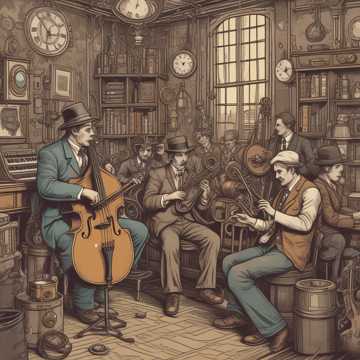
sdd
'sdd' is an intriguing fusion of pop rock and orchestral styles, evoking the early 1900s through cylinder recording techniques. The song blends Hammond organ and saxophone, creating a nostalgic yet modern atmosphere.
03:02
2024-07-22
Introduction to 1900s Music: Origins, Evolution, and Influence
The term '1900s music' refers to the diverse and transformative developments in the music industry throughout the 20th century. Spanning from the early 1900s to the turn of the millennium, this period witnessed the evolution of various genres, from classical innovations to the birth of modern pop, rock, jazz, and electronic music. Early 1900s music was dominated by classical and operatic compositions, while the latter part of the century introduced a variety of new forms and genres, reflecting societal changes, technological advancements, and cross-cultural influences. Significant developments include the rise of radio, phonographs, and recording studios, which made music more accessible to the public. This era also saw the emergence of iconic music festivals, the global spread of music genres, and the beginning of the digital age of music production.
Sub-tags and Classifications of 1900s Music
Jazz
Jazz music emerged in the early 20th1900s Music Overview century, particularly in the United States, blending African rhythms, blues, and European harmony. It became a defining genre of the 1900s, with icons like Louis Armstrong and Duke Ellington shaping its evolution. Characterized by improvisation, syncopation, and swing, jazz influenced a multitude of other genres and continues to be a vital part of the global music scene.
Classical Music
The 1900s classical music period saw the expansion of traditional orchestral works as well as the exploration of new styles such as impressionism, atonality, and minimalism. Composers like Igor Stravinsky, Arnold Schoenberg, and John Cage challenged conventional structures, paving the way for modern music. The century also saw the rise of prominent conductors and performers who helped define the classical music landscape.
Rock and Roll
Rock and roll was a revolutionary genre that emerged in the 1950s, blending rhythm and blues with country and jazz. It became the foundation for numerous subgenres, including hard rock, punk, and alternative rock. Artists like Elvis Presley, Chuck Berry, and The Beatles not only shaped the sound of rock but also influenced cultural movements across the globe, changing the way music was produced and consumed.
Pop Music
Pop music in the 1900s became the dominant genre by the latter half of the century, characterized by catchy melodies, accessible lyrics, and mass appeal. The genre's evolution was marked by the contributions of artists like Michael Jackson, Madonna, and Britney Spears, whose music defined the commercial music landscape and set the stage for contemporary pop artists.
Electronic Music
The emergence of electronic music in the 1960s and 1970s revolutionized the music industry, as synthesizers, drum machines, and computers were incorporated into production. Artists like Kraftwerk and Jean-Michel Jarre pioneered electronic music, influencing genres like techno, house, and trance. By the late 20th century, electronic music became a driving force in dance music and club culture.
Famous Artists and Iconic Works in 1900s Music
Louis Armstrong
Louis Armstrong, often regarded as one of the most influential figures in jazz, transformed the genre with his virtuosic trumpet playing and unique vocal style. His contributions to jazz standards such as 'What a Wonderful World' and 'Stardust' helped popularize jazz worldwide.
'What a Wonderful World' by Louis Armstrong
'What a Wonderful World' is one of Armstrong's most iconic songs, released in 1967. It blends jazz with soul, showcasing Armstrong's distinctive gravelly voice and lyrical optimism. The song became a symbol of hope and peace, transcending its jazz roots to become an enduring classic across generations.
The Beatles
The Beatles, one of the most iconic and influential bands of the 20th century, revolutionized popular music with their innovative approach to songwriting, recording, and live performances. Albums like 'Sgt. Pepper's Lonely Hearts Club Band' and 'The White Album' are considered masterpieces of modern music.
'Sgt. Pepper's Lonely Hearts Club Band' by The Beatles
Released in 1967, 'Sgt. Pepper's Lonely Hearts Club Band' is often regarded as one of the greatest albums of all time. Its experimental nature, use of non-traditional instruments, and incorporation of various musical genres broke the boundaries of pop music. The album's influence is seen in both its innovative recording techniques and its cultural impact.
Igor Stravinsky
Igor Stravinsky was a pivotal composer in early 20th-century classical music, known for his groundbreaking works in ballet and orchestral compositions. His most famous work, 'The Firebird,' and the controversial 'Rite of Spring' pushed the boundaries of music with their complex rhythms and dissonant harmonies.
'The Firebird' by Igor Stravinsky
'The Firebird' is a ballet score composed by Stravinsky in 1910, blending Russian folk melodies with modern orchestration. The piece features lush orchestral colors and groundbreaking rhythmic structures, establishing Stravinsky as a major force in classical music and influencing future generations of composers.
Madonna
Madonna was a defining figure in the 1980s and 1990s pop music scene, known for her ever-evolving image and musical style. Her albums 'Like a Virgin' and 'Like a Prayer' are landmark works that influenced both the music and fashion industries, making her an icon of pop culture.
'Like a Virgin' by Madonna
Released in 1984, 'Like a Virgin' helped define the 1980s pop sound with its infectious melodies and provocative themes. The album introduced Madonna's boundary-pushing persona, establishing her as a cultural and musical icon. Its title track became one of her most recognizable hits, known for its catchy chorus and bold lyrics.
Kraftwerk
Kraftwerk, pioneers of electronic music, shaped the sound of modern techno, synth-pop, and electro with their innovative use of synthesizers and drum machines. Albums like 'Autobahn' and 'The Man-Machine' are seminal works in the electronic music genre.
'Autobahn' by Kraftwerk
'Autobahn' is a seminal 1974 album by Kraftwerk that combined electronic soundscapes with repetitive, minimalist rhythms. The album's title track, which was over 20 minutes long, is a key influence on the development of electronic music, especially the genres of techno and trance.
Application Scenarios for 1900s Music
1900s music, especially genres like jazz, classical, and rock, played a significant role in shaping movie soundtracks. Iconic composers such as John Williams and Ennio Morricone used orchestral scores to elevate the emotional impact of films. The fusion of music genres with cinematic storytelling continues to influence how soundtracks are produced today.
Movie Soundtracks
Many 1900s songs became staples in advertising, with catchy jingles and recognizable tunes enhancing brand identity. Songs like 'I Want You to Want Me' by Cheap Trick or 'Good Vibrations' by The Beach Boys are often used in commercials to evoke nostalgia and positive emotions, showcasing the lasting impact of 1900s music on modern marketing.
Advertising Music
Video game music saw a significant evolution in the 1900s, transitioning from simple chiptunes to rich, cinematic compositions. The influence of 1900s electronic music, particularly from the 1980s and 1990s, can be heard in games like 'Super Mario Bros.' and 'The Legend of Zelda,' where music played an integral role in creating immersive experiences.
Video Game Background Music
The rise of electronic music in the late 20th century, especially genres like house, techno, and trance, revolutionized the club scene. Tracks by artists like Daft Punk and The Chemical Brothers were anthems in dance clubs, showcasing the influence of 1900s music on modern club culture and party music.
Dance Clubs and Parties