
Free Ambient Blues Music Generator Powered by AI
Turn text into high-quality Ambient Blues music effortlessly – no login required!

music.toolTips
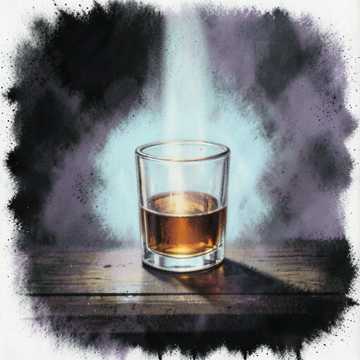
WB
An unhurried instrumental blues piece with warm tube-toned guitar, gentle piano, brushed percussion, rounded bass, and a restrained Hammond pad. Its constant low-volume dynamics and soulful phrasing evoke a dim late-night lounge, offering calm introspection without a dramatic build or climax.
02:57
3 days ago
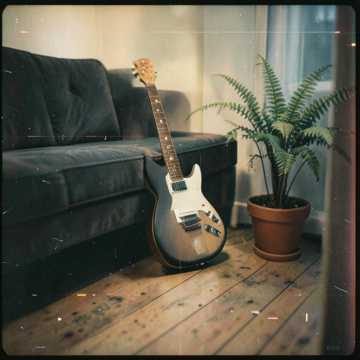
WB
WB offers a restrained, low-volume ambient blues experience with warm guitar, repetitive piano, brushed percussion, and soft bass. Its steady64 BPM pulse and absence of dramatic builds create a peaceful, reflective atmosphere suited to quiet evenings, lounge settings, meditation, and cinematic background use.
03:45
3 days ago
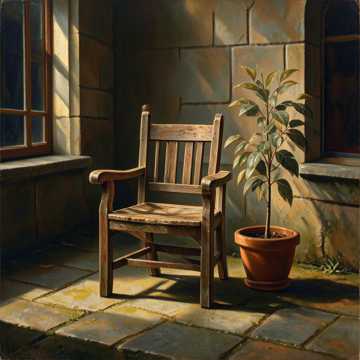
WB
WB offers a restrained ambient blues experience with mellow electric guitar, repetitive piano chords, brushed percussion, and warm bass. Its unchanging dynamics and gentle64 BPM pulse create an intimate, reflective lounge mood suited to quiet evenings, meditation, reading, or unobtrusive background listening.
03:28
3 days ago
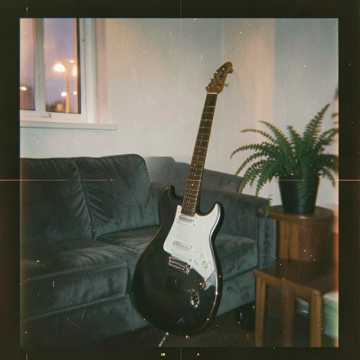
WB
WB unfolds as a restrained ambient blues vignette with warm electric guitar, repetitive piano chords, brushed drums, and a rounded bassline. Its steady dynamics, soft lounge texture, and absence of climax create an intimate backdrop for reflection, relaxation, reading, quiet work, or nocturnal scenes.
03:28
3 days ago
WB
WB unfolds as a restrained ambient blues piece with no vocals, maintaining a steady64 BPM pulse and consistently low dynamics. Warm guitar, soft piano chords, brushed drums, rounded bass, and a quiet lounge texture create an intimate, reflective mood without buildup, climax, or dramatic soloing.
03:22
3 days ago
WB
WB unfolds as a restrained ambient blues meditation: warm guitar, soft piano, brushed percussion, and mellow bass maintain a quiet64 BPM flow. With flat dynamics and no climax, it creates an intimate lounge mood for reflection, calm background listening, and contemplative nighttime moments.
04:00
3 days ago
WB
WB unfolds as a restrained64 BPM ambient blues piece, shaped by warm guitar, repetitive piano, brushed percussion, and rounded bass. Its flat dynamics and absence of climax create a calm, intimate lounge mood suited to contemplation, background listening, relaxation, and understated cinematic scenes.
03:51
3 days ago
WB
WB unfolds as a restrained ambient blues meditation, maintaining a warm, steady pulse without dramatic rises or climaxes. Mellow guitar, soft piano, brushed drums, and rounded bass create a calm lounge space suited to reflection, reading, quiet work, or winding down.
04:09
3 days ago
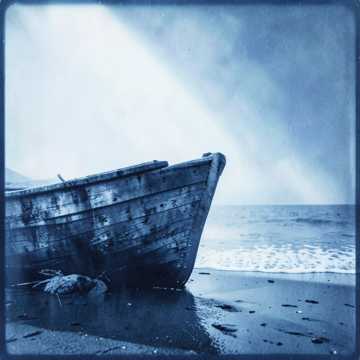
Low Tide Blues
A hushed slow-swing blues shaped by brushed drums, dusty guitar tones, and a restrained bass pulse. Its brief low-note guitar responses create an intimate conversation, while spacious room decay and gentle repetition evoke solitude, calm, and reflective nighttime stillness.
02:43
5 days ago
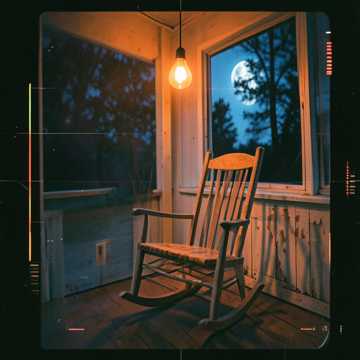
Midnight Porch Glow
A spacious late-night blues instrumental that evokes a solitary porch beneath soft darkness. Vinyl texture, expressive guitar bends, brushed percussion, and gentle bass create an intimate slow groove, gradually unfolding from loneliness into warmth before resolving on one lingering, luminous note.
02:34
5 days ago
Ambient Blues: Definition, Sound, and History
Ambient Blues is a hybrid music style that combines the emotional language, guitar vocabulary, and harmonic character of blues with the spacious textures, slow development, and immersive atmosphere of ambient music. Ambient Blues commonly features sustained electric-guitar notes, expressive bends, slide guitar, minor or modal harmonies, restrained rhythms, tape echo, reverb, drones, field recordings, and gradual changes in tone rather than a strongly defined verse-chorus structure. The result is music that can feel reflective, cinematic, nocturnal, melancholy, and deeply spacious while still retaining the human phrasing associated with blues. The roots of Ambient Blues can be traced to two parallel traditions. Traditional blues established the importance of call-and-response, the twelve-bar framework, blue notes, improvisation, and emotionally direct guitar playing. Ambient music, which developed prominently in the1970s through artists such as Brian Eno, emphasized atmosphere, texture, repetition, environmental sound, and non-linear listening. During the late1960s and1970s, psychedelic blues, blues rock, dub production, and studio experimentation began to blur the boundaries between song-based blues and sound-based music. Guitarists and producers increasingly used effects pedals, long reverberation tails, looping, delay, and sustained feedback to transform blues guitar into an atmospheric sound source. Ambient Blues became more recognizable as a broad descriptive tag during the1980s,1990s, and2000s, when artists working in roots music, experimental guitar, Americana, post-rock, electronic music, and film scoring adopted similar techniques. Soundtracks such as Ry Cooder's score for Paris, Texas demonstrated how sparse slide guitar could create a vast emotional landscape. Later musicians incorporated digital looping, granular processing, modular synthesizers, environmental recordings, and minimalist arrangements. Today, Ambient Blues may refer to a formal genre, a production style, or a mood-based category used for recordings, playlists, film music, meditation, documentary scoring, and background music. Because it is a fluid crossover style, not every Ambient Blues recording follows a strict blues chord progression; its defining qualities are usually blues feeling, expressive instrumental phrasing, and immersive ambient space.
Ambient Blues Sub-Tags and Classifications
Acoustic Ambient Blues
Acoustic Ambient Blues uses resonator guitar, fingerpicked acoustic guitar, dobro, slide guitar, upright bass, and subtle room ambience to create a warm and spacious sound. Instead of relying on a dense band arrangement, this classification highlights breathing room, natural sustain, intimate microphone placement, and the expressive imperfections of a live performance. It is well suited to reflective storytelling, rural landscapes, documentaries, and quiet listening.
Electric Guitar Ambient Blues
Electric Guitar Ambient Blues is built around sustained notes, slow bends, vibrato, volume-swells, feedback, and extended effects chains. Reverb and delay may turn a short blues phrase into a long atmospheric texture, while overdrive adds warmth without overwhelming the arrangement. This is one of the most recognizable forms of Ambient Blues and often places the guitar in the foreground as both a melodic instrument and an ambient sound source.
Slide Guitar Ambient Blues
Slide Guitar Ambient Blues combines the vocal-like glissando of bottleneck or lap-steel guitar with long reverb trails and spacious production. The slide technique naturally creates expressive microtonal movement, making it especially effective for mournful, cinematic, and desert-like moods. Arrangements may be slow and minimal, with the slide guitar floating over drones, soft percussion, organ, piano, or environmental recordings.
Psychedelic Ambient Blues
Psychedelic Ambient Blues expands blues improvisation through phased guitars, tape saturation, backwards effects, wah-wah, drones, repetition, and unconventional stereo movement. It retains blues-based phrasing but may avoid a conventional twelve-bar structure in favor of open-ended jams and evolving soundscapes. This classification connects Ambient Blues with psychedelic rock, space rock, experimental guitar music, and vintage studio production.
Electronic Ambient Blues
Electronic Ambient Blues combines blues guitar, vocal fragments, or blues-inspired melodies with synthesizer pads, samplers, drum machines, sequencers, and digital processing. Producers may use side-chain compression, granular delay, low-frequency drones, and looping to create a modern, understated groove. Electronic Ambient Blues can range from organic and cinematic to minimal, downtempo, and experimental.
Downtempo Ambient Blues
Downtempo Ambient Blues introduces a slow, steady pulse beneath spacious guitar and atmospheric textures. The rhythm section is usually restrained, using brushed drums, soft kick patterns, shakers, or sparse electronic beats rather than an energetic blues-rock groove. This form works particularly well for late-night playlists, lounge environments, travel videos, relaxation, and contemplative visual media.
Drone Ambient Blues
Drone Ambient Blues focuses on sustained tonal centers, repeated guitar figures, harmonium-like tones, bowed instruments, and slowly shifting layers. Blues identity may come from the guitar's pitch bends, minor pentatonic vocabulary, and emotional phrasing rather than from a clearly stated chord progression. Drone Ambient Blues is among the most meditative and experimental branches of the style.
Cinematic Ambient Blues
Cinematic Ambient Blues is designed to communicate place, memory, tension, solitude, or emotional transition. It often uses sparse slide guitar, piano, orchestral pads, field recordings, and carefully controlled dynamics. The music may avoid a strong beat so that it can support dialogue and visual storytelling. This classification is common in film scores, television, documentary music, trailers, and narrative games.
Ambient Blues Rock
Ambient Blues Rock retains a more recognizable rock band format, including electric guitar, bass, drums, and a steady groove, while adding spacious production and atmospheric transitions. Songs may begin with a blues riff and gradually expand through instrumental passages, extended guitar solos, feedback, and layered effects. It provides a bridge between classic blues rock, post-rock, psychedelic rock, and modern ambient production.
Vocal Ambient Blues
Vocal Ambient Blues places blues-influenced singing within a spacious, restrained arrangement. The vocal may use breathy phrasing, elongated syllables, call-and-response echoes, and lyrical themes such as longing, solitude, travel, memory, and emotional recovery. Production often leaves generous space around the voice, allowing reverb and delay to become part of the song's emotional meaning.
Famous Artists and Representative Works Related to Ambient Blues
Ry Cooder
Ry Cooder is one of the most important reference points for cinematic and atmospheric blues guitar. His soundtrack for Paris, Texas is especially significant: sparse slide guitar, open voicings, wide reverberation, and restrained pacing create a powerful sense of landscape and isolation. Although Cooder's catalog is broader than Ambient Blues, his ability to reduce blues material to a few emotionally precise guitar phrases has strongly influenced ambient, Americana, and film-oriented guitar music.
Paris, Texas Soundtrack - Ry Cooder
The Paris, Texas soundtrack is a foundational example of cinematic Ambient Blues. Ry Cooder's slide guitar is sparse, mournful, and highly resonant, often sounding as if it is suspended in a large desert landscape. The music avoids excessive ornamentation and allows silence, reverb, and sustained notes to carry emotional weight. Its innovation lies in demonstrating that a small amount of blues-derived guitar material can create an entire visual world without requiring a full rhythm section or conventional song form.
Daniel Lanois
Daniel Lanois is a guitarist, producer, and composer known for treating studio texture as a central musical element. Works such as Acadie and Belladonna combine roots instrumentation, blues-influenced guitar, drones, echo, and spacious production. His use of atmospheric recording techniques helped establish a model for Ambient Blues in which room sound, delay, sustain, and sonic depth are as important as the written melody.
The Long Ride Home - Ry Cooder
The Long Ride Home illustrates how slide guitar, subdued accompaniment, and open sonic space can produce a reflective blues atmosphere. The piece emphasizes tone and gradual emotional development rather than technical display. Its restrained arrangement makes it particularly relevant to Ambient Blues, where the decay of each guitar phrase and the relationship between foreground melody and background space are central to the listening experience.
Bill Frisell
Bill Frisell has developed a distinctive form of atmospheric guitar music that blends blues, jazz, country, folk, and Americana. Albums such as Nashville and The Intercontinentals demonstrate his use of clean guitar tones, looping, unusual harmonies, and spacious ensemble interaction. Frisell's work is relevant to Ambient Blues because it preserves blues feeling and melodic directness while avoiding dense arrangements and predictable harmonic movement.
Acadie - Daniel Lanois
Acadie blends roots music, blues, folk, ambient production, and atmospheric electronics. Lanois uses reverb, echo, layered guitars, understated percussion, and carefully shaped vocal production to create a sound that feels intimate yet expansive. The album's importance to Ambient Blues comes from its balance of songcraft and texture: the blues influence remains present in the phrasing and emotional directness, while the production creates a spacious environment around every instrument.
David Torn
David Torn is known for highly processed electric guitar, looping, sampling, volume swells, and electronic manipulation. His work, including What Means Solid, What Burns, treats guitar as a continuously evolving sound environment rather than only a conventional solo instrument. Torn's approach contributed to the experimental side of Ambient Blues by showing how blues-like bends and phrasing can be embedded in abstract textures and complex sound design.
Belladonna - Daniel Lanois
Belladonna is an instrumental work centered on atmospheric guitar, spacious rhythm, and gradual sonic movement. Rather than presenting blues as a fixed twelve-bar form, it treats blues-inflected guitar gestures as part of a larger ambient composition. The recording is notable for its layered delays, sustained tones, subtle harmonic shifts, and cinematic pacing, making it a strong example of instrumental Ambient Blues and experimental guitar music.
Chris Rea
Chris Rea's guitar playing and late-career instrumental projects frequently combine blues phrasing with slow tempos, spacious arrangements, and smooth atmospheric production. The Blue Guitars project explores a wide range of blues traditions and often emphasizes mood, tone, and instrumental color over conventional pop structure. His work is useful for understanding the accessible, melodic, and polished side of Ambient Blues.
Paris, Texas Theme - Ry Cooder
The central theme from Paris, Texas uses a simple slide-guitar melody with a strongly vocal quality. Its emotional force comes from the contrast between a dry, recognizable blues vocabulary and an unusually spacious production environment. The theme became influential because it showed how Ambient Blues could be immediately memorable while remaining minimal, slow, and deeply connected to visual storytelling.
Robin Trower
Robin Trower helped shape the psychedelic and atmospheric side of blues rock through sustained electric-guitar notes, expressive bends, heavy vibrato, and dramatic use of overdrive. Tracks such as Bridge of Sighs are not strictly ambient, but their spacious guitar tone and long-form emotional phrasing are important precedents for Psychedelic Ambient Blues and Electric Guitar Ambient Blues.
Bridge of Sighs - Robin Trower
Bridge of Sighs is a classic psychedelic blues-rock recording rather than a strict Ambient Blues track, but it is an important precursor. The song's sustained guitar lines, thick modulation, wide reverb, and hypnotic rhythm create an immersive atmosphere around a blues-based performance. Its contribution is especially clear in the development of heavy, psychedelic, and electric-guitar forms of Ambient Blues.
Mark Knopfler
Mark Knopfler's fingerstyle guitar, understated dynamics, and cinematic instrumental writing provide another important connection to Ambient Blues. His soundtrack work and instrumental compositions often use clean guitar, restrained rhythm, and carefully shaped space. Knopfler demonstrates how blues-derived articulation can remain expressive even when the arrangement is quiet, spacious, and filmic.
Nashville - Bill Frisell
Nashville explores the relationship between clean electric guitar, country and blues vocabulary, ensemble interaction, and spacious melodic arrangement. Frisell's playing is understated and conversational, often allowing notes to ring and blend into the surrounding texture. The work demonstrates a gentler Ambient Blues approach in which atmosphere comes from touch, tone, room, and harmonic openness rather than from dense electronic processing.
John Campbell
John Campbell's dark, slow, and emotionally intense blues style is relevant to the heavier and more atmospheric edge of Ambient Blues. His use of minor-key guitar, deliberate pacing, and dramatic vocal delivery creates a sense of psychological space. While his music is generally categorized as blues or blues rock, it offers a strong reference for moody, nocturnal, and cinematic Ambient Blues playlists.
What Means Solid, What Burns - David Torn
What Means Solid, What Burns represents the experimental end of atmospheric guitar music. Torn uses loops, processed guitar, electronic coloration, and abrupt transformations to make the instrument behave like a synthesizer or sound-design system. Its relationship to Ambient Blues is found in the expressive bends, sustained tones, and improvisational attitude, which are expanded into abstract and evolving sonic environments.
The Edge
The Edge is not primarily a blues artist, but his extensive use of delay, repetition, sustained tones, and textural guitar has influenced many ambient guitar producers. Songs such as With or Without You show how a simple melodic figure can become an expansive sonic field through echo and layering. His production vocabulary is frequently adapted by musicians creating electronic, cinematic, and atmospheric blues.
Blue Guitars - Chris Rea
Blue Guitars is a large-scale exploration of blues guitar traditions, featuring instrumental and vocal material with a strong emphasis on guitar tone and mood. Across the project, Rea moves between traditional blues references, polished studio production, slow instrumental passages, and atmospheric textures. It is useful for Ambient Blues listeners because it shows how a broad blues vocabulary can be presented through a spacious, modern, and highly melodic production style.
Ambient Blues Application Scenarios
Ambient Blues is effective in films and television dramas that explore solitude, memory, travel, rural landscapes, emotional distance, or personal transformation. Sparse slide guitar can establish a strong sense of place, while slow electric-guitar textures can underscore a character's internal conflict without overpowering dialogue. The style is particularly suitable for road movies, independent cinema, neo-westerns, crime dramas, documentaries, and contemplative television scenes.
Film and Television Soundtracks
The organic guitar tones and spacious atmosphere of Ambient Blues can support documentaries about landscapes, cultural history, migration, craftsmanship, and personal journeys. Acoustic or slide-guitar Ambient Blues provides emotional warmth while leaving room for narration and natural sound. A restrained arrangement can connect images of deserts, coastlines, rural roads, old towns, and working communities without making the soundtrack feel overly dramatic.
Documentary and Travel Films
Ambient Blues can give advertising music an authentic, human, and cinematic identity. Clean electric guitar, subtle tape saturation, and a slow groove may be used for automotive campaigns, outdoor products, travel brands, denim, hospitality, premium beverages, technology, and lifestyle products. The style can communicate independence, craftsmanship, nostalgia, freedom, resilience, and understated confidence.
Advertising and Brand Films
In games, Ambient Blues works well for exploration, open-world travel, desert environments, abandoned towns, night driving, western settings, psychological narratives, and reflective downtime between action sequences. Loop-friendly guitar motifs, drones, and low-intensity percussion can create atmosphere without distracting players. Dynamic layers can allow the music to become fuller during discovery and thinner during dialogue or stealth gameplay.
Video Game Background Music
Because Ambient Blues often uses slow tempos and uncluttered arrangements, it can sit beneath podcasts, interviews, essays, and audio documentaries. Soft guitar pulses and low-volume drones establish mood while preserving speech intelligibility. Producers should avoid excessive midrange distortion and dense vocal effects so that the music supports rather than competes with narration.
Podcast and Spoken-Word Production
The sustained notes, gentle repetition, and gradual development of Drone Ambient Blues or Acoustic Ambient Blues can support relaxation and mindfulness. For these applications, tracks usually benefit from minimal percussion, smooth transitions, predictable dynamics, and warm low-frequency balance. Although blues traditionally carries emotional tension, the ambient treatment can turn that expressive quality into a calm and reflective listening experience.
Relaxation, Meditation, and Sleep Playlists
Downtempo Ambient Blues is suitable for hotel lounges, cocktail bars, cafés, galleries, bookstores, and late-night radio programming. A restrained beat, clean guitar, muted bass, and spacious reverb can create an intimate atmosphere without demanding focused attention. This application often favors polished production, moderate loudness, and melodic motifs that remain engaging over long listening periods.
Late-Night and Lounge Environments
Ambient Blues can provide a flexible sound foundation for contemporary dance, photography exhibitions, immersive installations, and audiovisual performances. Its combination of physical guitar expression and slowly changing electronic texture gives choreographers and visual artists room to work with repetition, suspension, tension, and release. Field recordings and spatial audio can further connect the music to a particular room or environment.
Contemporary Dance and Visual Art Installations
A short Ambient Blues cue can quickly suggest emotional depth and cinematic scale in trailers, creator videos, branded documentaries, and short films. A slide-guitar motif may function as an identifiable theme, while a rising layer of drones and percussion can provide a controlled sense of momentum. The genre is especially useful when a production needs an alternative to conventional orchestral scoring or upbeat commercial music.
Short Films, Trailers, and Online Video
Many listeners use Ambient Blues while writing, reading, designing, coding, painting, or studying. Instrumental tracks with limited lyrical content and gradual development can provide emotional color without creating frequent attention shifts. Guitar-led Ambient Blues is particularly effective when listeners want a balance between the focus of ambient music and the expressive warmth of blues.
Creative Work and Background Listening