
Free Asian style Music Generator Powered by AI
Turn text into high-quality Asian style music effortlessly – no login required!

music.toolTips

008800
Песня посвящена Экибастузу, его людям, шахтёрскому труду, дружбе народов и семейным традициям. Через рэп-куплеты и запоминающийся женский припев раскрываются суровый характер города, взаимовыручка жителей, память о близких и глубокая любовь к родному краю.
02:52
5 minutes ago

008800
Песня посвящена Экибастузу — молодому, суровому и родному городу. В ней звучат темы дружбы, единства культур, шахтёрского труда, семейного тепла, памяти об ушедших и неизменной любви к месту, которое навсегда остаётся в сердце.
03:02
15 minutes ago

008800
Лиричный городской гимн Экибастузу, где суровый шахтёрский характер сочетается с душевностью, взаимопомощью и уважением к традициям. Мужской вокал, женский припев и умеренная хип-хоп-ритмика подчёркивают гордость за родной город, его людей, труд, историю и незабываемые улицы.
03:19
32 minutes ago
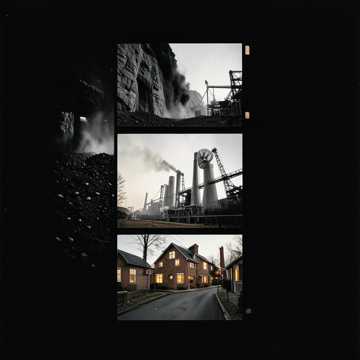
0088
Песня посвящена Экибастузу — молодому, суровому и душевному городу. В ней звучат темы шахтёрского труда, дружбы, взаимовыручки, уважения к традициям, памяти о близких и неизменной любви к родным улицам.
03:30
48 minutes ago

экб 001
Песня воспевает Экибастуз как молодой, суровый и родной город, объединяющий людей разных культур. Через образы угольных разрезов, домашнего тепла, дружбы и памяти раскрываются стойкость жителей, уважение к труду и глубокая любовь к малой родине.
03:10
4 days ago
Asian Style Music: Definition, History, and Cultural Characteristics
Asian Style is a broad music category influenced by the traditional instruments, scales, rhythms, vocal techniques, performance practices, and cultural aesthetics of Asia. It may include musical elements from East Asia, Southeast Asia, South Asia, Central Asia, and the Middle East, depending on the context in which the tag is used. Common sounds associated with Asian Style include bamboo flute, koto, guzheng, erhu, pipa, shamisen, sitar, tabla, gamelan percussion, taiko drums, traditional string instruments, temple bells, hand percussion, pentatonic melodies, modal improvisation, and atmospheric sound design. Asian Style music can be fully traditional, contemporary, cinematic, electronic, orchestral, ambient, pop-oriented, or a fusion of several regional traditions. Because Asia contains many distinct cultures, Asian Style should be understood as a diverse umbrella term rather than a single standardized genre. The history of Asian Style music reaches back thousands of years through court music, religious ceremonies, folk traditions, theater, dance, storytelling, and community rituals. Chinese traditional music developed distinctive systems involving instruments such as guqin, guzheng, erhu, pipa, and dizi. Japanese traditions contributed gagaku, shakuhachi, koto, shamisen, taiko, and forms such as kabuki and noh music. Indian classical traditions developed sophisticated melodic and rhythmic systems through Hindustani and Carnatic music, featuring instruments such as sitar, sarod, veena, tabla, and mridangam. Southeast Asian cultures created rich ensemble traditions including Indonesian gamelan, Thai piphat, Vietnamese court music, and Filipino gong music. During the nineteenth and twentieth centuries, Asian musical traditions increasingly interacted with Western harmony, orchestration, jazz, rock, pop, film scoring, and electronic production. This exchange led to modern Asian Style music that combines traditional timbres with synthesizers, drum machines, string sections, digital sampling, and contemporary song structures. Today, Asian Style is widely used in film music, game soundtracks, meditation audio, travel content, advertising, animation, documentaries, and world music production. Effective Asian Style composition emphasizes cultural respect, accurate context, and intentional use of regional musical features rather than relying on generalized exotic stereotypes.
Asian Style Sub-Tags and Musical Classifications
Chinese Traditional Style
Chinese Traditional Style draws on the musical language and instruments of China. Typical timbres include guzheng, erhu, pipa, dizi, xiao, yangqin, and Chinese percussion. Melodies often use pentatonic or modal patterns, expressive ornamentation, sliding notes, spacious phrasing, and an emphasis on lyrical atmosphere. This sub-tag may range from elegant guqin-inspired minimalism and historical court music to energetic martial arts percussion and contemporary Chinese orchestral fusion. It is frequently used for historical dramas, wuxia scenes, cultural documentaries, tea-house settings, scenic travel videos, and games inspired by Chinese mythology or ancient landscapes.
Japanese Traditional and Contemporary Style
Japanese Style incorporates instruments and aesthetics associated with shakuhachi, koto, shamisen, taiko, biwa, and traditional court ensembles. Its musical character can be meditative and spacious, with attention to silence, breath, resonance, and subtle dynamics, or powerful and rhythmic through ensemble taiko drumming. Contemporary Japanese Style may combine traditional instruments with ambient pads, cinematic strings, rock, jazz, synthwave, or anime-inspired orchestration. This classification is suitable for samurai narratives, seasonal imagery, urban night scenes, animation, games, wellness media, and reflective cinematic sequences.
Indian Classical and Indian Fusion
Indian Style includes influences from Hindustani and Carnatic classical traditions as well as Bollywood, Indian folk, devotional music, and modern fusion. Important musical concepts include raga, which shapes melodic movement and mood, and tala, which organizes rhythmic cycles. Sitar, tabla, bansuri, sarod, tanpura, veena, and Indian percussion are common sonic markers. Modern Indian Fusion may combine these instruments with electronic beats, orchestral scoring, jazz harmony, hip-hop production, or pop vocals. This sub-tag works well for spiritual content, cultural documentaries, dance, fashion, travel, dramatic storytelling, and energetic promotional media.
Southeast Asian and Gamelan Style
Southeast Asian Style encompasses traditions from Indonesia, Thailand, Vietnam, Cambodia, Myanmar, Malaysia, the Philippines, and neighboring regions. Indonesian gamelan is especially recognizable for layered metallophones, gongs, cyclical rhythmic patterns, interlocking parts, and resonant ensemble textures. Other regional influences may feature bamboo instruments, plucked zither-like instruments, frame drums, gong ensembles, and distinctive vocal approaches. This classification creates an immersive, ceremonial, organic, and often highly rhythmic atmosphere for fantasy worlds, cultural films, nature documentaries, tourism campaigns, and game environments.
Korean Traditional and Contemporary Style
Korean Style can draw from court music, pansori storytelling, folk percussion, gayageum, haegeum, daegeum, janggu, buk, and other traditional instruments. Its sound may feature expressive bowed strings, breathy flutes, vocal narration, dynamic percussion, and strong contrasts between restrained passages and dramatic climaxes. Contemporary Korean Style also includes K-pop production, Korean drama scoring, electronic textures, and orchestral arrangements that preserve traditional colors. It is appropriate for historical narratives, modern Asian city scenes, television drama, fashion media, and emotionally focused storytelling.
East Asian Cinematic Style
East Asian Cinematic Style is a production-oriented classification that combines regional instruments with orchestral strings, piano, choir, cinematic percussion, drones, and modern sound design. It often uses pentatonic motifs, suspended harmony, gradual crescendos, spacious reverberation, and carefully placed instrumental solos. This sub-tag is common in films, animation, trailers, documentaries, historical games, and emotional storytelling where the music must suggest heritage, landscape, mystery, heroism, or inner reflection without following a strictly traditional format.
Asian Ambient and Meditation Style
Asian Ambient Style emphasizes calmness, spaciousness, and sustained tonal color. It may use singing bowls, temple bells, bamboo flute, shakuhachi, guqin-like plucks, tanpura drones, soft gongs, nature recordings, slow percussion, and gentle synthesizer layers. The arrangements are usually sparse and avoid abrupt transitions, making them suitable for meditation, yoga, wellness applications, sleep content, massage studios, mindfulness videos, and contemplative documentary scenes.
Asian Folk and Acoustic Style
Asian Folk Style reflects regional village traditions, dance music, work songs, festival music, narrative singing, and acoustic ensembles. Depending on the source culture, it may include hand drums, lutes, fiddles, flutes, plucked strings, gongs, clapping, and call-and-response vocals. This sub-tag often has a direct, human, and community-oriented character. It is useful for travel programs, food and craft content, cultural festivals, educational media, lifestyle advertising, and scenes depicting local communities.
Asian Pop, Electronic, and Fusion Style
Asian Fusion combines traditional musical references with contemporary genres such as pop, hip-hop, R&B, house, lo-fi, rock, jazz, drum and bass, and cinematic electronica. Producers may sample a koto phrase, process a guzheng performance, layer tabla over electronic beats, or use a pentatonic hook within a modern pop arrangement. This classification is especially effective for fashion campaigns, technology advertising, urban travel content, esports, social media videos, and modern cultural branding.
Martial Arts and Epic Asian Style
Martial Arts and Epic Asian Style is characterized by taiko or large drum patterns, fast plucked-string figures, dramatic flutes, low percussion, orchestral brass, string ostinatos, and heroic melodic motifs. The music may evoke historical battles, legendary warriors, martial arts choreography, fantasy quests, or mythological worlds. Strong rhythmic accents and rising arrangements make this sub-tag suitable for trailers, action scenes, game battles, sports presentations, and high-impact promotional content.
Famous Asian Style Artists and Representative Works
Ryuichi Sakamoto
Ryuichi Sakamoto was a Japanese composer, pianist, producer, and electronic music innovator whose work connected Japanese musical sensibilities with minimalism, ambient music, orchestral writing, pop, and experimental electronics. His representative works include Merry Christmas, Mr. Lawrence, The Last Emperor, and async. He contributed to Asian Style by demonstrating that regional cultural identity could coexist with advanced electronic production, refined harmonic writing, and international film scoring.
Merry Christmas, Mr. Lawrence
Ryuichi Sakamoto's Merry Christmas, Mr. Lawrence combines a highly memorable piano theme with restrained electronic textures, orchestral color, and emotional ambiguity. Rather than presenting Japanese musical identity through a literal traditional arrangement, the piece creates a cross-cultural atmosphere through melody, timbre, repetition, and cinematic pacing. Its innovation lies in the way electronic and acoustic sounds work together to express conflict, distance, compassion, and cultural tension.
Joe Hisaishi
Joe Hisaishi is a Japanese composer known for expansive orchestral writing, lyrical piano themes, delicate repeated figures, and memorable film melodies. His work for Studio Ghibli films, including My Neighbor Totoro, Princess Mononoke, Spirited Away, and Howl's Moving Castle, often combines Western orchestration with Japanese sensitivity to nature, seasonal change, silence, and emotional nuance. He helped establish a globally recognizable contemporary Asian Style in animation and cinematic music.
The Last Emperor
The score for The Last Emperor, associated with Ryuichi Sakamoto, David Byrne, and Cong Su, blends orchestral writing, atmospheric electronics, percussion, and Chinese cultural references. The music supports a historical narrative while avoiding a single, simplistic national sound. Its layered approach demonstrates how Asian Style can function in large-scale cinema by combining regional color with international film-scoring techniques.
Ravi Shankar
Ravi Shankar was an Indian sitar virtuoso and composer who introduced many international audiences to Hindustani classical music. His performances and collaborations expanded awareness of raga, improvisation, drone-based harmony, and tala-centered rhythm. Through concert recordings, film work, and collaborations with Western musicians, he played a major role in bringing Indian Style and South Asian musical ideas into global contemporary music.
Crouching Tiger, Hidden Dragon
Tan Dun's score for Crouching Tiger, Hidden Dragon uses cello, orchestra, Chinese percussion, expressive strings, and dramatic silences. The cello often serves as an emotional and narrative voice, while percussion and orchestral movement reinforce the film's martial arts choreography and historical setting. The work is innovative because it integrates Chinese instrumental color into a sophisticated Western orchestral framework without reducing the traditional elements to simple background decoration.
Anoushka Shankar
Anoushka Shankar is a sitar player and composer who has developed a modern interpretation of Indian classical music through collaborations with jazz, electronic, flamenco, and contemporary musicians. Her albums and concert works preserve the expressive detail of sitar and raga while exploring themes of identity, migration, social experience, and cross-cultural dialogue. Her contribution shows how Asian Style can be innovative, personal, and globally connected.
Silk Road
Kitaro's Silk Road is a landmark example of cinematic electronic Asian Style. It uses sustained synthesizer chords, spacious melodies, percussion, and instrumental colors that suggest travel across deserts, mountains, and ancient trade routes. The work established an expansive sound associated with cultural discovery and landscape, making it influential in documentaries, travel programs, meditation music, and visual media with historical themes.
Kitaro
Kitaro is a Japanese composer and multi-instrumentalist recognized for atmospheric electronic music influenced by nature, spirituality, traditional Asian sounds, and symphonic scale. Works such as Silk Road use synthesizers, percussion, flutes, strings, and spacious arrangements to create a wide sense of landscape and cultural journey. His music helped popularize a cinematic and contemplative form of Asian Style in new age and soundtrack contexts.
Raga-based Sitar and Tabla Performances
Classic Hindustani performances featuring sitar and tabla demonstrate a musical structure very different from conventional verse-chorus songwriting. A performance may begin with a free melodic introduction, develop through a pulse, and then move into increasingly complex rhythmic interaction governed by tala. Improvisation, ornamentation, drone, and gradual intensification are central features. These performances have influenced world music, jazz fusion, film scoring, and contemporary ambient production.
Tan Dun
Tan Dun is a Chinese composer and conductor whose works combine Chinese instruments, opera, percussion, contemporary classical techniques, and film scoring. His score for Crouching Tiger, Hidden Dragon is a major example of Asian Style in international cinema, using cello, Chinese percussion, orchestral textures, and expressive melodic writing. He has contributed to the global development of cross-cultural composition by treating traditional instruments as central artistic voices rather than decorative effects.
Spirited Away
Joe Hisaishi's music for Spirited Away combines piano motifs, orchestral development, transparent textures, and emotionally direct themes. The score supports a world shaped by Japanese mythology, nature, spirits, and coming-of-age storytelling, yet its melodic clarity makes it accessible to international audiences. Its importance to Asian Style lies in its ability to communicate cultural atmosphere through orchestration, pacing, and thematic storytelling rather than relying only on traditional instruments.
Haruomi Hosono
Haruomi Hosono is a Japanese musician, composer, and producer associated with electronic music, ambient music, pop, experimental sound, and influential Japanese recording projects. His work helped shape modern Japanese popular music and electronic production, demonstrating how Asian Style could move beyond traditional instrumentation into futuristic, urban, and technologically oriented sound worlds.
Indonesian Gamelan Ensemble Traditions
Traditional Indonesian gamelan music is built from interlocking rhythmic patterns, tuned gongs, metallophones, drums, and cyclical structures. Different instruments occupy complementary layers, producing a collective sound in which no single part necessarily dominates. This ensemble concept has influenced contemporary composers, minimalist music, experimental percussion, film scoring, and game sound design. Its cyclical organization and shimmering resonance make it particularly effective for ceremonial, mystical, and immersive scenes.
A. R. Rahman
A. R. Rahman is an Indian composer, producer, singer, and arranger known for film scores that blend Indian classical and folk traditions with orchestral music, electronic production, global pop, and complex rhythmic programming. His work for films such as Roja, Bombay, Lagaan, and Slumdog Millionaire illustrates the flexibility of Indian Style in emotionally powerful, commercially accessible, and internationally recognized music.
Japanese Taiko Ensemble Performance
Japanese taiko ensemble music uses large drums, coordinated physical movement, powerful accents, and carefully structured rhythmic patterns. Performances can shift from sparse anticipation to explosive group climaxes, creating a strong sense of momentum and ritual energy. Modern taiko has become a major influence on cinematic Asian Style, action trailers, sports presentations, festival videos, and game battle music.
Hiroshi Yoshimura
Hiroshi Yoshimura was a Japanese ambient composer whose restrained, spatial, and detail-oriented recordings explored the relationship between sound, architecture, nature, and everyday environments. His music is relevant to Asian Ambient Style because it emphasizes quiet textures, careful resonance, and immersive listening rather than dense arrangement or dramatic progression.
Asian Style Music Application Scenarios
Asian Style music can establish location, historical period, cultural atmosphere, or character identity in films and television programs. Guzheng, erhu, shakuhachi, sitar, taiko, gamelan, or Korean percussion can be combined with orchestra and electronic sound design for historical dramas, martial arts films, romance, family stories, documentaries, and contemporary urban narratives. Composers should select musical elements that match the specific culture and story rather than using all Asian references interchangeably.
Film and Television Soundtracks
The melodic clarity and imaginative timbres of Asian Style are highly effective in animation. Piano, celesta, koto, bamboo flute, strings, soft percussion, and atmospheric synthesizers can support fantasy worlds, emotional character development, magical landscapes, and coming-of-age stories. A carefully developed pentatonic motif can give a fictional setting a memorable identity without overwhelming dialogue or visual effects.
Animation and Anime-Inspired Visual Media
Asian Style is widely suited to role-playing games, strategy games, action games, historical adventures, mythology-based games, and open-world environments. Calm guqin or shakuhachi textures can accompany exploration, while taiko, low drums, plucked strings, and orchestral layers can intensify combat. Adaptive game music can change from sparse ambient exploration to faster rhythmic layers as the player enters a battle, temple, village, or sacred location.
Video Games and Interactive Media
Brands can use Asian Style in tourism, hospitality, tea, food, cosmetics, fashion, technology, automotive, and wellness advertising. A short guzheng phrase may suggest craftsmanship and refinement, while modern electronic production with Asian instruments can communicate innovation and global identity. Advertising music should be concise, distinctive, and culturally appropriate, with the traditional sound serving the brand message rather than functioning as an indiscriminate exotic cue.
Advertising and Brand Campaigns
Asian Style music can reinforce footage of landscapes, temples, markets, festivals, architecture, food, and traditional crafts. Ambient flute, plucked strings, field recordings, hand percussion, and regional ensemble colors can create a sense of place. For documentary use, the arrangement should leave space for narration and natural sound while adding emotional continuity to the visual story.
Travel and Cultural Documentaries
Asian Ambient and Meditation Style is commonly used in mindfulness applications, yoga classes, spa environments, sleep videos, breathing exercises, and wellness platforms. Sustained drones, soft bells, singing bowls, bamboo flute, tanpura, gentle gongs, and slow harmonic movement can encourage relaxation. Effective tracks generally avoid abrupt percussion, excessive melodic density, and distracting changes in volume.
Meditation, Yoga, and Wellness Content
Museums, heritage centers, educational installations, and cultural exhibitions can use Asian Style music to create an immersive environment around historical objects and narratives. Music may be organized by region, dynasty, ritual context, or instrument family. Authentic recordings, historically informed performances, and clear cultural labeling help audiences understand the music rather than treating it as a generic background effect.
Historical and Museum Exhibitions
Minimal Asian Style can support fashion presentations through restrained percussion, plucked-string motifs, deep drones, cinematic pulses, and elegant orchestral textures. Japanese ambient influence may create a clean and architectural mood, while Indian or Chinese-inspired instrumentation can add warmth, ornament, and dramatic movement. The tempo and arrangement should match the runway pace and leave room for visual presentation.
Fashion Shows and Luxury Branding
Martial Arts and Epic Asian Style is effective for sports introductions, action trailers, esports videos, martial arts demonstrations, and competition highlights. Taiko, cinematic drums, brass, low strings, rapid plucked figures, and rising percussion can create urgency and heroic energy. Strong rhythmic editing allows the music to synchronize with cuts, impacts, entrances, and moments of victory.
Action Trailers and Sports Content
Short Asian Style cues can give travel channels, cooking programs, cultural podcasts, history videos, and lifestyle content a recognizable identity. Lo-fi beats with koto or guzheng samples may suit urban content, while acoustic flute and hand percussion can support food and travel storytelling. For short-form media, a distinctive opening motif and a clean loop are often more useful than a long, complex composition.
Podcasts, Social Media, and Online Video
Asian Style music can accompany contemporary dance, traditional theater, stage drama, acrobatics, and multimedia performance. Live performers may combine taiko, gamelan, sitar, strings, electronics, and vocal textures to create transitions between historical and modern scenes. Because the music interacts directly with movement, dynamic contrast, rhythmic clarity, and carefully timed cues are especially important.
Theater, Dance, and Live Performance