
Free Beef Music Generator Powered by AI
Turn text into high-quality Beef music effortlessly – no login required!

music.toolTips

Chicken and Beef
A playful food anthem that turns chicken, beef, and rice into a joyful singalong. Repeated chants, deep male vocals, and uplifting gospel energy create a humorous, celebratory mood, while dubstep and rock influences add rhythmic force and a lively, communal feel.
01:35
5 days ago

Chicken and Beef
A cheerful, repetitive food anthem praising chicken and beef with rice. Deep male vocals, gospel-style chanting, and uplifting dubstep energy create a playful atmosphere suited to casual meals, cooking videos, family gatherings, humorous performances, and feel-good celebrations.
01:44
5 days ago

Chicken and Beef
A playful, repetitive food anthem celebrating the satisfying combination of chicken, beef, and rice. Its deep male vocals, gospel-style chanting, moderate country influence, and uplifting dubstep energy create a humorous, communal mood suited to meals, parties, cooking content, and lighthearted singalongs.
01:35
5 days ago

Chicken and Beef
A playful, celebratory food anthem that praises chicken, beef, and rice through repetitive chants and call-and-response vocals. Its moderate dubstep pulse, gospel warmth, and operatic intensity create a humorous, uplifting atmosphere suited to parties, cooking scenes, food content, and lighthearted gatherings.
01:53
5 days ago
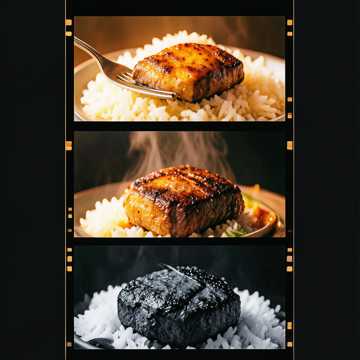
Chicken and Beef
A playful, repetitive food anthem that turns chicken, beef, and rice into a joyful wonderland. Deep male vocals, chanting responses, gospel energy, operatic drama, and moderate dubstep momentum create a humorous yet uplifting singalong suited to parties, cooking scenes, food videos, and communal celebrations.
01:39
5 days ago
Beef Music: Definition, History, and Cultural Meaning
Beef music generally refers to songs connected with artist rivalries, public disputes, competitive lyricism, diss tracks, and verbal exchanges between performers. The term is most strongly associated with hip hop, rap, battle rap, and grime, although it can also describe confrontational songs in rock, pop, punk, country, and other genres. Unlike a formally recognized genre such as jazz or house, Beef is usually a thematic, cultural, or mood-based music tag. Music labeled Beef often features direct callouts, competitive wordplay, sharp punchlines, accusations, responses to another song, or commentary on an ongoing dispute. The history of Beef music is closely connected to the competitive foundations of hip hop culture. Early MC battles in the1970s and1980s established the idea that rappers could prove their skill through improvisation, insults, rhyme patterns, and audience reaction. As recorded rap developed, competitive exchanges moved from live parties and battle circles to radio freestyles, mixtapes, albums, and singles. The rise of music videos, magazines, blogs, and social media made artist disputes more visible and helped diss tracks become major cultural events. Important periods in Beef music include the late-1980s and early-1990s development of politically charged and highly confrontational rap, the East Coast and West Coast rivalry of the1990s, the competitive lyricism of2000s hip hop, and the rapid-response diss-track culture of the streaming and social-media era. Today, a Beef music tag may describe a classic battle record, a modern response track, an aggressive rap performance, or an instrumental designed to create a tense, confrontational atmosphere. The strongest Beef music combines lyrical precision, memorable hooks, dramatic delivery, and a clear sense of narrative.
Beef Music Sub-Tags and Classifications
Diss Tracks
Diss tracks are the most direct form of Beef music. They are written or recorded to criticize, challenge, or respond to another artist. Common characteristics include direct name references, personal attacks, boastful comparisons, layered wordplay, and carefully constructed rebuttals. A successful diss track usually balances aggression with musical quality, allowing it to work both as a competitive statement and as a memorable song.
Battle Rap
Battle rap is a performance-centered classification within Beef music. Rather than focusing primarily on radio appeal, battle rap emphasizes punchlines, multisyllabic rhymes, rebuttals, metaphors, crowd control, and technical flow. Battles may be spontaneous or written in advance, and they can take place in clubs, leagues, online events, or recorded cyphers. This sub-tag is ideal for intense, lyric-focused music with a competitive atmosphere.
Response Tracks
Response tracks are songs created to answer a previous diss, interview, social-media statement, or public accusation. They often quote or reinterpret lines from the original track and attempt to correct the narrative. Response tracks are an important part of Beef music because they turn a single confrontation into a continuing musical dialogue, with each release adding new context and escalating the competition.
Rap Rivalry Anthems
Rap rivalry anthems are high-impact songs associated with larger conflicts between artists, crews, labels, regions, or musical movements. These tracks often use dramatic production, forceful hooks, group vocals, and memorable slogans. Compared with a private response track, a rivalry anthem tends to represent a wider side or community and can become a defining document of a particular period in hip hop history.
Competitive Freestyle and Cypher Music
This classification includes freestyle sessions, cyphers, radio battles, and live verses where performers compete through improvisation or rapid lyrical exchanges. Competitive freestyle Beef music often has minimal production so that the listener can focus on flow, timing, wordplay, and delivery. It is especially relevant to underground rap, hip hop workshops, street performance, and lyric-focused playlists.
Comedic and Satirical Beef
Some Beef music uses humor, exaggeration, parody, or satire rather than serious hostility. Comedic diss tracks may imitate an opponent's style, turn an argument into a joke, or use absurd lyrics to reduce the seriousness of a rivalry. This sub-tag is common in internet music, comedy rap, sketch performances, and promotional content where playful confrontation is more important than personal attack.
Aggressive Hip Hop and Confrontational Rap
Aggressive hip hop does not always target a specific person, but it shares many sonic qualities with Beef music. Heavy bass, hard-hitting drums, distorted textures, shouted ad-libs, fast flows, and threatening or defiant lyrics create an intense atmosphere. This classification is useful for tracks tagged Beef because it describes the sound and emotional energy even when there is no documented real-world dispute.
Cinematic Conflict and Tension
In music libraries and production catalogs, Beef may also be used as a mood tag for tense, competitive, or confrontational instrumental music. These tracks can combine trap drums, dark synths, low strings, brass stabs, risers, and abrupt pauses. Cinematic Beef music is often instrumental and is designed to suggest rivalry, pressure, pursuit, or a showdown rather than to comment on an actual artist dispute.
Famous Beef Music Artists and Representative Works
KRS-One and Boogie Down Productions
KRS-One and Boogie Down Productions helped establish the importance of competitive, socially aware, and technically forceful rap during hip hop's formative period. Their work demonstrated how a conflict could be expressed through detailed lyricism and strong musical identity. The song "The Bridge Is Over" is frequently discussed as an influential early example of a rap response record.
The Bridge Is Over - Boogie Down Productions
This early rap response record is important because it shows how regional and artistic disagreements could be transformed into a memorable song with a strong hook and clear lyrical purpose. The production is direct and rhythmically accessible, while KRS-One's delivery uses repetition, confidence, and pointed references to make the argument easy to follow. Its influence can be heard in later diss tracks that use a simple chorus to support dense competitive verses.
N.W.A
N.W.A brought confrontational group rap to a wide audience through uncompromising delivery, stark production, and direct social commentary. Their catalog helped demonstrate how a crew could use a diss record to defend its identity and challenge rivals. "100 Miles and Runnin'" and the album track "Real Niggaz" are commonly associated with the group's combative period.
No Vaseline - Ice Cube
No Vaseline is frequently cited as a classic Beef music work because of its exceptionally focused writing and forceful structure. Ice Cube addresses several former group members in a single performance, maintaining a clear narrative while moving through individual criticisms. The track's hard drum programming, compact arrangement, direct language, and relentless delivery create a unified feeling of confrontation. It also demonstrated how a diss track could function as a complete artistic statement rather than merely an off-the-cuff insult.
Ice Cube
Ice Cube became one of the most important figures in Beef music through his technically sharp writing and direct responses to former collaborators. His work combines political anger, personal criticism, vivid storytelling, and memorable hooks. "No Vaseline" is widely regarded as one of the most influential group diss tracks in rap history because of its focused structure and detailed lyrical attacks.
Hit 'Em Up - Tupac Shakur
Hit 'Em Up is known for its extreme directness, aggressive vocal performance, and memorable opening declaration. The record uses a hard, tense beat and a highly quotable chorus to create immediate impact. Its importance lies not only in the intensity of its lyrics but also in the way it blurred the line between personal conflict, regional rivalry, media narrative, and popular entertainment. It remains one of the most recognizable examples of confrontational1990s rap.
Tupac Shakur
Tupac Shakur expanded the emotional and theatrical range of diss music. His performances could be confrontational, personal, political, and deeply dramatic at the same time. "Hit 'Em Up" became a defining example of an intensely direct diss track, while songs such as "Against All Odds" showed a more detailed and narrative form of lyrical conflict.
Takeover - Jay-Z
Takeover uses a comparatively controlled and strategic style of confrontation. Jay-Z builds his case through comparisons, references to career history, and repeated claims about artistic credibility. The song's structure gives each section a specific target and allows the listener to follow the argument. Its polished production and confident flow helped establish a model for mainstream diss tracks that sound calculated, quotable, and commercially finished.
The Notorious B.I.G.
The Notorious B.I.G. represented a more understated but highly technical approach to rap rivalry. His influence on Beef music comes from his controlled flow, vivid punchlines, confident delivery, and role in the broader East Coast-West Coast tension of the1990s. Although his catalog contains fewer conventional diss tracks than some rivals, his competitive presence shaped the era's lyrical and cultural landscape.
Ether - Nas
Ether is celebrated for its dense punchlines, layered insults, dramatic tone, and memorable refrain. Nas responds to Takeover by challenging Jay-Z's identity, credibility, and public image, turning the track into a detailed lyrical counterargument. The song's innovation lies in its combination of personal attack and intricate wordplay; it helped make the word "ether" part of popular rap vocabulary as a term for decisively outclassing an opponent in a lyrical exchange.
Nas
Nas is known for precise writing, layered references, and a literary approach to confrontation. His response to Jay-Z's "Takeover," titled "Ether," became a landmark in rap history and helped define the sound and language of modern diss tracks. Nas showed that Beef music could be both commercially significant and technically sophisticated.
Back to Back - Drake
Back to Back demonstrates how a diss track can use a bright, accessible beat and a catchy hook without losing its competitive purpose. Drake's conversational flow, repeated phrases, and topical references make the track easy to remember and share. Its broad cultural reach also illustrates the changing role of Beef music in the streaming era, when a response record can circulate rapidly through social media, memes, sports broadcasts, and mainstream playlists.
Jay-Z
Jay-Z contributed to Beef music through strategic writing, coded references, intricate punchlines, and a strong understanding of rap history. "Takeover" is recognized for its structured comparisons, historical framing, and confident delivery. His exchanges with Nas helped popularize the idea of a rap rivalry as a sustained lyrical debate rather than a single isolated song.
The Story of Adidon - Pusha T
The Story of Adidon is built around a stripped-back instrumental and a highly concentrated lyrical performance. Pusha T uses direct references, dramatic reveals, and a controlled cadence to shift attention away from general rivalry and toward personal narrative. The minimal production leaves space for every line to receive emphasis, showing how silence, pacing, and specificity can be as powerful as a loud or aggressive beat in Beef music.
Pusha T
Pusha T is widely associated with controlled, minimalist, and highly detailed diss writing. His delivery is measured, while his lyrics often rely on specific references, double meanings, and carefully selected details. "The Story of Adidon" became a major example of how a short, focused diss track could dominate public discussion through its directness and strategic use of personal revelations.
Killshot - Eminem
Killshot presents a technically dense approach to diss music, with rapid internal rhymes, vocal changes, layered references, and a deliberately theatrical tone. Eminem treats the song as both an attack and a demonstration of technical skill. The record is notable for its use of flow variation and rhyme density, making it especially relevant to listeners interested in the craft, mechanics, and performance techniques of Beef music.
Drake
Drake has participated in several major rap exchanges and has helped bring response-track culture into mainstream pop and hip hop. His work often combines melodic hooks, conversational writing, layered insinuations, and rapid strategic responses. Tracks such as "Back to Back" illustrate how a diss record can achieve broad popularity while retaining the competitive structure of Beef music.
Not Like Us - Kendrick Lamar
Not Like Us combines a highly recognizable West Coast-influenced production style with a repetitive hook, danceable rhythm, and direct lyrical confrontation. Its innovation is the way it transforms a detailed rap dispute into a large-scale communal anthem. The track shows that Beef music can function simultaneously as a diss record, a club-oriented song, a social-media phenomenon, and a cultural statement, while also demonstrating the power of concise slogans and instantly recognizable vocal motifs.
Kendrick Lamar
Kendrick Lamar is known for technically complex writing, shifting vocal performances, conceptual storytelling, and direct competitive energy. His verse on "Control" challenged established rappers and sparked widespread discussion about lyrical competition. Later songs associated with his dispute with Drake, including "Not Like Us," demonstrate how Beef music can combine chant-like hooks, club-ready production, cultural commentary, and direct confrontation.
Eminem
Eminem brought battle-rap technique, intricate internal rhymes, satire, and provocative performance to mainstream audiences. His music frequently addresses criticism, artistic competition, and public conflict. Tracks such as "Killshot" show his ability to build a diss track around dense rhyme patterns, vocal variation, technical references, and carefully timed punchlines.
Beef Music Application Scenarios
Beef music is highly effective in documentaries about rap history, artist rivalries, label conflicts, battle rap, and the development of hip hop culture. A tense instrumental can introduce opposing viewpoints, while a licensed diss track can mark a major turning point in the narrative. Producers should confirm music rights and consider whether explicit lyrics are appropriate for the intended audience.
Hip Hop Documentaries and Rivalry Films
Aggressive Beef music works well in basketball, boxing, wrestling, motorsport, esports, and other competition-focused videos. Heavy drums, rising bass, sharp transitions, and confident vocal phrases can emphasize preparation, rivalry, comeback moments, and victory. Instrumental Beef tracks are often preferable when the video already contains commentary or when the music must remain suitable for broad audiences.
Sports Highlights and Competitive Videos
Brands can use Beef-inspired music to communicate confidence, challenge, disruption, and competitive energy. A short rap exchange or confrontational beat can support campaigns for athletic shoes, gaming hardware, streetwear, energy drinks, automobiles, and youth-oriented technology. Commercial use should avoid implying a real dispute or unauthorized endorsement, and lyrics should be edited carefully for brand safety.
Advertising and Brand Campaigns
Beef music can underscore scenes involving rivalry, courtroom conflict, negotiation, betrayal, competition, or personal confrontation. A diss-style song can reveal character motivation or establish opposing identities, while a dark instrumental can create tension without distracting from dialogue. The music may be used diegetically, such as playing from a character's phone or car, or non-diegetically as part of the dramatic score.
Film and Television Soundtracks
Games can use Beef music in boss battles, ranked matches, faction conflicts, sports modes, battle-rap mini-games, and character introductions. Loopable drum patterns, strong rhythmic accents, and short transition effects help maintain energy during gameplay. For interactive projects, layered stems allow the soundtrack to intensify as the player approaches a rival, loses health, or enters a final showdown.
Video Game Background Music
Beef music is naturally suited to live rap battles, open-mic events, cyphers, freestyle showcases, and competitive songwriting sessions. Producers may use sparse beats with clear rhythmic space so performers can emphasize punchlines and audience interaction. Call-and-response hooks, beat switches, and sudden drops can make a live Beef performance more dramatic.
Battle Rap Events and Cypher Performances
Short Beef music clips can support challenge videos, reaction content, sports debates, gaming rivalries, comedy sketches, and fictional face-offs. Strong opening seconds, recognizable hooks, and clean edit points are valuable for short-form platforms. Creators should distinguish between fictional or humorous Beef and claims about real people, especially when using lyrics that could be interpreted as factual allegations.
Social Media, Short-Form Video, and Creator Content
A compact Beef-inspired theme can establish an argumentative, debate-oriented, or investigative identity for podcasts about sports, entertainment, music criticism, or internet culture. A short intro with punchy drums and a memorable vocal tag can signal that the program will examine disagreements and competing opinions. Instrumental versions are useful for transitions and background beds.
Podcast Intros and Commentary Programs
The confrontational energy of Beef music makes it suitable for workout playlists, boxing training, running sessions, and motivational edits. Fast tempos, forceful bass, assertive vocals, and repeated hooks can support high-intensity exercise. Explicit content should be filtered when the playlist is intended for gyms, schools, public venues, or corporate fitness programs.
Training, Workout, and Motivation Playlists
Wrestlers, esports players, streamers, fictional villains, and competitive athletes can use Beef-style music for entrances and identity-building. A carefully designed track can communicate confidence, rebelliousness, dominance, or a challenger mentality before a performance begins. Custom production is often preferable because it allows the rhythm, lyrics, and sound design to match the character without relying on an existing artist's rivalry.
Character Branding and Entrance Music