
Free Bhakti music Music Generator Powered by AI
Turn text into high-quality Bhakti music music effortlessly – no login required!

music.toolTips

विठ्ठला, तुझा आशीर्वाद राहू दे | सुखी राहो दुनिया सारी
विठ्ठलाच्या चरणी अर्पिलेली ही मंगल प्रार्थना प्रत्येक घरात आनंद, समाजात प्रेम, निसर्गात समृद्धी आणि जगात शांतता नांदावी अशी करुण हाक देते. soulful गायन, वारकरी गजर, पारंपरिक वाद्ये आणि सिनेमॅटिक उत्कर्ष गीताला भक्तीमय व उत्सवी रूप देतात.
06:18
3 days ago
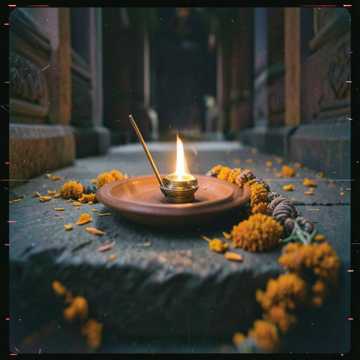
कृपेचा हात फिरव रे देवा | विठुरायाची विश्वशांती प्रार्थना
पंढरीनाथ विठ्ठलाच्या चरणी अर्पण केलेली ही विश्वकल्याणाची प्रार्थना आहे. दुःखी, अनाथ, शेतकरी आणि कष्टकरी यांच्यासाठी कृपेची विनवणी करताना गीत प्रेम, माणुसकी, धार्मिक ऐक्य, समृद्धी आणि युद्धमुक्त शांत जगाची मंगल कामना व्यक्त करते.
05:30
3 days ago

विठुराया, तुझ्या नामाचा गजर
हे गीत विठ्ठलाच्या नामस्मरणातून संक्रांतीचा आनंद, शेतकऱ्यांच्या कष्टांना आशीर्वाद, सर्वांच्या जीवनातील सुख आणि माणुसकीची एकता व्यक्त करते. पारंपरिक भक्तिसंगीत, समूहगायन आणि चित्रपटसदृश सुरेल मांडणी यामुळे गीत भावपूर्ण व उत्साहवर्धक ठरते.
05:27
4 days ago
Bhakti Music: Definition, Origins, and Historical Development
Bhakti Music is devotional music centered on personal love, surrender, remembrance, and spiritual connection with a chosen deity or divine principle. The word "bhakti" comes from the Sanskrit root bhaj, meaning devotion, participation, or loving service. Bhakti Music is found across South Asia and is commonly performed in Sanskrit, Hindi, Tamil, Telugu, Kannada, Bengali, Marathi, Gujarati, Braj Bhasha, and other regional languages. Its lyrics may praise Krishna, Rama, Shiva, Devi, Ganesha, Vishnu, Vithoba, Murugan, or the formless divine, depending on the tradition. Musical forms include congregational chanting, temple singing, solo devotional songs, classical compositions, folk traditions, and contemporary spiritual recordings. The historical roots of Bhakti Music can be traced to ancient Hindu prayer, mantra recitation, Vedic chant, temple ritual, and the devotional poetry of the early Tamil Alvars and Nayanars. From approximately the sixth to the ninth centuries, these poet-saints used accessible regional languages to express intense devotion to Vishnu and Shiva. Between roughly the thirteenth and seventeenth centuries, the Bhakti movement expanded throughout northern, western, eastern, and southern India. Saints such as Kabir, Mirabai, Surdas, Tulsidas, Tukaram, Namdev, Chaitanya Mahaprabhu, and Purandara Dasa created songs that emphasized direct spiritual experience rather than social status or complex ritual knowledge. Bhakti Music developed in parallel with Indian classical music. In northern India, devotional compositions became part of Hindustani traditions such as bhajan, kirtan, dhrupad, and thumri. In southern India, devotional poetry and compositions helped shape Carnatic music, especially through the works of Purandara Dasa, Tyagaraja, Muthuswami Dikshitar, and Syama Sastri. Sikh kirtan, Sufi-influenced devotional singing, temple music, and regional folk practices also contributed to the broader South Asian devotional soundscape. In the modern era, Bhakti Music has expanded through film music, radio, television, streaming platforms, yoga recordings, meditation albums, fusion projects, and global concert tours. Contemporary Bhakti Music may combine traditional vocals and instruments such as harmonium, tabla, mridangam, tanpura, veena, flute, and dholak with keyboards, electronic textures, acoustic guitar, and digital production.
Bhakti Music Sub-Tags and Classifications
Bhajan
Bhajan is one of the most recognizable forms of Bhakti Music. It is usually a lyrical devotional song performed by a solo singer or a small group, often with harmonium, tabla, dholak, manjira, or hand claps. Bhajans may be intimate and meditative or energetic and celebratory. Common subjects include praise of Rama, Krishna, Shiva, Hanuman, and the Divine Mother. The repetitive structure and direct language make bhajan suitable for personal prayer, satsang gatherings, temple programs, and devotional concerts.
Kirtan and Sankirtan
Kirtan is a participatory form of Bhakti Music in which a lead singer presents a phrase and a group responds. Sankirtan refers especially to collective or processional chanting and is strongly associated with the devotional traditions of Chaitanya Vaishnavism. Kirtan often uses repeated divine names, rhythmic clapping, mridanga or khol drums, kartals, harmonium, and gradual increases in tempo and intensity. Its central musical feature is communal participation rather than virtuosic performance.
Abhang
Abhang is a Marathi devotional song tradition associated particularly with the Varkari movement and devotion to Vithoba of Pandharpur. Abhangs are usually concise, rhythmically direct, and written in accessible Marathi. The poetry often combines humility, social observation, spiritual longing, and joyful praise. The compositions of saints such as Tukaram and Namdev remain central to this sub-tag of Bhakti Music and are performed in temples, pilgrimages, folk settings, and classical adaptations.
Dohas and Nirgun Bhakti
Nirgun Bhakti expresses devotion to a formless, attributeless divine reality. Its poetry often questions religious pride, social hierarchy, and external ritual while emphasizing inner realization. The couplets of Kabir, known as dohas, are among the best-known examples. Musical settings of Nirgun poetry may use a simple drone, folk melody, ektara, tambura, dholak, or sparse acoustic accompaniment, giving the words a prominent role.
Vaisnava Bhakti Music
Vaisnava Bhakti Music is devoted to Vishnu and his avatars, especially Rama and Krishna. Its repertory includes Krishna kirtan, Radha-Krishna songs, Rama bhajans, temple hymns, and compositions describing divine play, compassion, surrender, and separation from the beloved deity. Important regional styles include Braj devotional songs, Gaudiya Vaishnava kirtan, Haveli sangeet, and South Indian temple compositions.
Shaiva Bhakti Music
Shaiva Bhakti Music honors Shiva through hymns, mantras, temple songs, and poetic compositions. Themes include Shiva's cosmic dance, ascetic nature, compassion, destruction of ignorance, and the sacred sound of Om. Tamil Tevaram hymns, Sanskrit stotras, Kannada vachanas, and modern Shiva bhajans are important examples. The music may be contemplative and drone-based or powerful and percussion-driven, particularly during festivals such as Maha Shivaratri.
Shakta and Devi Devotional Music
Shakta Bhakti Music is dedicated to the Divine Mother in forms such as Durga, Kali, Lakshmi, Saraswati, and Lalita Tripurasundari. It includes Bengali Shyama Sangeet, Durga Puja songs, Sanskrit stotras, garba and dandiya-related devotional repertory, and contemporary Devi bhajans. The emotional range extends from maternal tenderness and surrender to heroic celebration and ecstatic spiritual energy.
Carnatic Devotional Compositions
Carnatic Bhakti Music consists of kritis, varnams, keertanams, and other compositions that combine devotional poetry with sophisticated melodic and rhythmic design. These works are performed in ragas and talas and may feature vocal music, veena, violin, mridangam, ghatam, and tambura. The compositions of Tyagaraja, Muthuswami Dikshitar, Syama Sastri, Annamacharya, and Purandara Dasa form a major part of this classification.
Hindustani Devotional Music
Hindustani devotional music includes bhajan, dhrupad, haveli sangeet, devotional thumri, and semi-classical interpretations of sacred poetry. Singers use raga-based improvisation, ornamentation, sustained notes, and expressive treatment of text. This classification often preserves the spiritual atmosphere of Bhakti Music while allowing substantial melodic exploration.
Temple and Ritual Music
Temple Bhakti Music is performed as part of worship, procession, festival, offering, or daily ritual. It can include bells, conch shells, nagaswaram, tavil, drums, Vedic chanting, stotras, and congregational singing. The musical structure is often determined by the ritual sequence and local custom rather than by a fixed concert format. Temple music gives Bhakti Music a strong ceremonial, communal, and place-based identity.
Contemporary and Fusion Bhakti Music
Contemporary Bhakti Music adapts traditional devotional lyrics, mantras, and melodies for modern listeners. Arrangements may combine harmonium, tabla, and tanpura with piano, guitar, ambient synthesizers, world percussion, choir, or electronic production. Some recordings are designed for meditation and yoga, while others use pop, folk-rock, classical fusion, or cinematic production. The defining feature remains the devotional intention and sacred subject matter.
Famous Bhakti Music Artists and Related Works
Mirabai
Mirabai was a sixteenth-century Rajput poet-saint whose devotional poetry is dedicated primarily to Krishna. Her songs express longing, surrender, spiritual independence, and the intense relationship between devotee and deity. Works commonly associated with her include "Mere To Giridhar Gopal" and "Payo Ji Maine Ram Ratan Dhan Payo." Her poetry has been adapted into Hindustani bhajans, folk repertory, classical performances, films, and contemporary devotional recordings.
Hanuman Chalisa
The Hanuman Chalisa is a forty-verse devotional text attributed to Tulsidas and dedicated to Hanuman. Its musical settings typically use a memorable, repetitive melodic structure that allows listeners to sing along and memorize the verses. Performances range from intimate solo bhajans to large congregational versions with percussion and chorus. Its innovation in the context of Bhakti Music lies less in a single fixed composition than in its adaptable form: the text can support slow prayer, medium-tempo recitation, festival singing, and modern studio arrangements.
Tulsidas
Tulsidas was a major poet of Rama devotion and the author of the Awadhi epic "Ramcharitmanas." His verses have generated a vast Bhakti Music repertory, including passages from the Ramcharitmanas, "Hanuman Chalisa," and other devotional compositions. His contribution lies in presenting theological and ethical ideas in accessible language, allowing Rama Bhakti to flourish in community singing, temple performance, stage productions, and popular recordings.
Vaishnava Jana To
This Gujarati devotional composition, traditionally associated with the poet Narsinh Mehta, describes the qualities of a compassionate and spiritually aware person. Its musical language is direct and lyrical, with a refrain that supports collective singing. The work is notable for connecting personal devotion with ethical action, empathy, and service. Its wide circulation in public ceremonies and recordings demonstrates how Bhakti Music can communicate social values as well as religious praise.
Surdas
Surdas is celebrated for Braj Bhasha poetry describing the childhood and divine love of Krishna. His songs, traditionally collected in works such as "Sursagar," are known for vivid imagery, emotional nuance, and musical lyricism. Surdas helped establish Krishna-centered devotional poetry as a major source for bhajan, dhrupad, haveli sangeet, and North Indian classical interpretation.
Mere To Giridhar Gopal
This well-known Mirabai bhajan expresses exclusive devotion to Krishna, presenting the deity as the singer's sole spiritual and emotional refuge. Its musical interpretations often feature a graceful, raga-influenced melody, expressive ornamentation, and a strong lyrical focus. The song has been performed in folk, semi-classical, classical, film, and contemporary styles, illustrating the flexibility of Bhakti Music across performance traditions.
Kabir
Kabir was a fifteenth-century poet whose devotional verses emphasize inner truth, unity, and direct realization of the divine. His poetry is associated with Nirgun Bhakti and challenges empty ritual and sectarian division. Songs based on his dohas are performed in folk, classical, Sufi-influenced, and contemporary acoustic styles. Kabir's work has broadened Bhakti Music beyond deity-specific worship into philosophical and socially reflective spirituality.
Bhaja Govindam
Traditionally attributed to Adi Shankaracharya, Bhaja Govindam combines devotional exhortation with a warning against attachment, pride, and purely intellectual learning without spiritual realization. Musical settings often use a clear refrain and verse-based structure, making the philosophical message easy to follow. The work is especially significant because it unites Vedantic reflection with the emotional immediacy and singable format of Bhakti Music.
Tukaram
Tukaram was a seventeenth-century Marathi saint-poet and one of the leading voices of the Varkari devotional movement. His abhangs address Vithoba with emotional directness, humility, humor, and social insight. Tukaram's verses remain central to pilgrimage singing and have also been incorporated into classical concerts, theatre, cinema, and modern Marathi devotional music.
Endaro Mahanubhavulu
Tyagaraja's "Endaro Mahanubhavulu" is a celebrated Carnatic kriti in the Sri raga tradition and forms part of the Pancharatna kritis. The composition honors great devotees and spiritually realized individuals while expressing humility before the divine. Its complex melodic treatment, carefully shaped phrases, and rhythmic organization show how a devotional song can function as a major classical concert work. Group performances of the composition also highlight the communal dimension of South Indian Bhakti Music.
Purandara Dasa
Purandara Dasa is widely regarded as a foundational figure in the development of Carnatic music and is closely associated with devotion to Vishnu and Krishna. His Kannada devaranamas combine memorable melodies with accessible spiritual teachings. He also contributed to systematic approaches for teaching Carnatic music, making his influence important both musically and pedagogically.
Jagadodharana
Often associated with Purandara Dasa, "Jagadodharana" praises Krishna as the one who uplifts the world. Its lyrical image of the divine child creates a blend of maternal affection, wonder, and reverence. The composition is frequently performed in Carnatic and devotional settings, where melodic ornamentation and expressive delivery bring out the emotional contrast between the cosmic identity of Krishna and his intimate childhood form.
Tyagaraja
Tyagaraja was one of the most influential composers of Carnatic music, with a repertory devoted largely to Rama. His kritis, including "Endaro Mahanubhavulu," "Nagumomu Ganaleni," and "Rama Nannu Brovara," unite devotional intensity with sophisticated raga development and rhythmic architecture. His compositions remain essential to Carnatic concert practice and demonstrate how Bhakti Music can support both spiritual expression and advanced classical musicianship.
Raghupati Raghava Raja Ram
This Rama devotional song is built around repeated names of Rama and a simple, accessible melodic design. Its refrain supports group singing and public participation, while many versions add references to compassion, truth, or spiritual unity. The work demonstrates the power of repetition in Bhakti Music: a small melodic range and easily remembered text can create a strong communal and meditative effect.
M. S. Subbulakshmi
M. S. Subbulakshmi brought Carnatic vocal music and Bhakti Music to audiences in India and internationally. Her renditions of "Bhaja Govindam," "Vishnu Sahasranamam," "Venkateswara Suprabhatam," and devotional kritis are admired for clarity, emotional depth, diction, and disciplined classical technique. She helped establish devotional recordings as important cultural and spiritual listening experiences.
Aigiri Nandini
Aigiri Nandini, based on verses from the Mahishasura Mardini Stotram, praises the warrior form of the Goddess Durga. Performances often use driving rhythmic patterns, dramatic vocal accents, and powerful ensemble arrangements. It represents the energetic side of Shakta Bhakti Music and is frequently heard during Navratri, Durga festivals, dance productions, devotional concerts, and cinematic presentations.
Anup Jalota
Anup Jalota is widely known for popularizing the modern Hindi bhajan through accessible arrangements and extensive recordings. Songs such as "Aisi Lagi Lagan" and "Jag Mein Sundar Hai Do Naam" helped bring Bhakti Music into homes, television programs, devotional events, and mainstream audio markets. His work demonstrates the enduring appeal of simple melodic lines, clear lyrics, and participatory refrains.
Hare Krishna Maha Mantra Kirtan
The Hare Krishna Maha Mantra is performed through repeated chanting of the names Krishna and Rama. In kirtan settings, a lead vocalist introduces the phrase and a group responds, with the tempo and intensity often building gradually. The musical innovation is participatory rather than compositional: the repeated mantra, flexible duration, and collective response transform Bhakti Music into a shared meditative and ecstatic experience.
Jagjit Singh
Jagjit Singh applied his refined ghazal sensibility to devotional repertory, creating intimate and accessible interpretations of works such as "Hey Ram" and selections from devotional and spiritual poetry. His restrained arrangements, warm vocal tone, and studio production influenced the sound of modern Bhakti Music and expanded its appeal among listeners who preferred a quieter, contemporary presentation.
Krishna Das
Krishna Das has helped introduce kirtan-based Bhakti Music to a global audience. His recordings use repeated Sanskrit and Hindi chants, call-and-response structures, harmonium, percussion, and ensemble vocals. Albums such as "Breath of the Heart" illustrate how traditional mantra and kirtan principles can be presented through modern world-music production without removing the participatory and meditative character of devotional singing.
Ravindra Jain
Ravindra Jain was a prolific composer, lyricist, and singer associated with devotional albums and Indian film music. His compositions frequently used melodic simplicity, choral refrains, and accessible sacred lyrics. He contributed to the spread of Bhakti Music through cinema, television, religious serials, and popular devotional releases.
Bhakti Music Application Scenarios
Bhakti Music is used during daily aarti, puja, temple processions, havan ceremonies, satsang, and festival worship. Bhajans, kirtans, stotras, mantras, and regional devotional songs help guide the emotional rhythm of the ceremony. Instrumentation can remain traditional, with harmonium, tabla, mridangam, bells, conch, manjira, and congregational clapping.
Temple Worship and Religious Ceremonies
Slow Bhakti Music, mantra chanting, tanpura drones, ambient kirtan, and gentle instrumental arrangements are suitable for yoga classes, guided meditation, breathwork, mindfulness applications, and wellness videos. Repetition and sustained tones can create a focused atmosphere, while low-density arrangements avoid distracting participants from breathing and movement.
Yoga, Meditation, and Wellness Content
Bhakti Music can establish a character's spiritual identity, accompany a pilgrimage, intensify a festival sequence, or express grief, surrender, hope, and moral transformation. Film composers may use a traditional bhajan, a Carnatic kriti, a temple ensemble, a cinematic chorus, or a contemporary devotional fusion track. The combination of sacred lyrics and orchestral production can make a scene feel culturally specific and emotionally expansive.
Indian Film Soundtracks
Devotional television dramas, mythological series, religious documentaries, and festival broadcasts commonly use Bhakti Music as theme music, transition music, background scoring, and performance content. A recurring bhajan or mantra can function as an audio identity for a deity, character, temple, or program.
Television Serials and Religious Programming
Brands may use Bhakti Music in campaigns connected with festivals such as Diwali, Navratri, Janmashtami, Ganesh Chaturthi, Durga Puja, or Maha Shivaratri. A short devotional refrain, temple bell texture, choir, or folk-inspired arrangement can communicate heritage, family, trust, celebration, and cultural belonging. Commercial use should respect the sacred context and obtain appropriate rights for lyrics, recordings, and compositions.
Advertising and Brand Communication
Bhakti Music can support games or interactive experiences set in mythological, historical, spiritual, or fantasy worlds inspired by South Asian culture. Temple bells, drones, chanting, mridangam, veena, flute, and layered vocal textures can define a sacred location, accompany a ritual quest, or distinguish a divine character. Dynamic music systems may gradually add percussion and chorus as the player enters a temple or completes a spiritual objective.
Video Games and Interactive Media
Live Bhakti Music is central to religious fairs, yatras, kirtan gatherings, jagrans, bhajan sandhyas, and seasonal festivals. Processional drums, call-and-response singing, portable sound systems, and large choirs allow the music to energize crowds and reinforce collective identity. Different regions may use abhang, garba, kirtan, dhol-based devotional music, or temple ensemble traditions.
Pilgrimage, Festival, and Procession Events
Documentary filmmakers use Bhakti Music to introduce the history of the Bhakti movement, saint-poets, temples, pilgrimage routes, classical music, and regional traditions. Original recordings can provide authenticity, while carefully selected archival or traditional works can connect historical narrative with living cultural practice.
Documentaries and Cultural Education
Bhakti Music provides narrative and emotional material for Bharatanatyam, Kathak, Odissi, Kuchipudi, devotional theatre, musical storytelling, and folk dance. A composition may describe the childhood of Krishna, the devotion of Mirabai, the heroism of Durga, or the compassion of Rama. Rhythmic clarity and expressive lyrics make devotional repertory especially effective for abhinaya and dramatic interpretation.
Dance, Theatre, and Classical Performance
Many listeners use Bhakti Music during morning prayer, evening aarti, household rituals, study, reflection, and family gatherings. Streaming playlists and devotional radio channels have made bhajans, chants, stotras, and classical devotional recordings available for everyday listening, extending the role of Bhakti Music beyond temples and concert halls.
Personal Prayer and Home Listening
Kirtan, mantra, bhajan, and Indian classical devotional music are increasingly presented in international concerts and cross-cultural collaborations. Artists may combine traditional Indian vocals with jazz, ambient music, folk instruments, electronic production, or Western choir. Successful fusion retains the pronunciation, meaning, and devotional character of the original material while making the arrangement accessible to a broader audience.
Global World-Music and Fusion Concerts