
Free Brutal Voice Music Generator Powered by AI
Turn text into high-quality Brutal Voice music effortlessly – no login required!

music.toolTips
-08
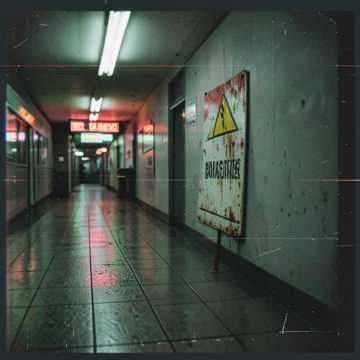
Der Song zeichnet ein dystopisches Bild einer Gesellschaft, in der Menschen kommunizieren, ohne einander zu erreichen. Zwischen U-Bahn-Wänden, Neonzeichen und stummem Gebet steigert sich die beklemmende Atmosphäre durch tiefen Bass, brutale EBM-Energie, langsames Tempo und eine eindringliche männliche Stimme.
02:33
4 days ago
What Is Brutal Voice? Definition, History, and Musical Context
Brutal Voice is a music tag describing extremely aggressive, powerful, and heavily textured vocal performance. It commonly includes guttural growls, death growls, low roars, high screams, shrieks, distorted shouts, pig squeals, hardcore barks, and other forms of intensified vocal expression. Brutal Voice is most strongly associated with death metal, deathcore, grindcore, metalcore, hardcore punk, industrial metal, and extreme forms of electronic or cinematic music. The term generally describes a vocal sound and performance approach rather than one strictly defined musical genre. A Brutal Voice track may be fast and chaotic, slow and crushing, atmospheric and dark, or rhythmically driven by electronic production. The roots of Brutal Voice can be traced to the development of blues-influenced rock, punk aggression, and early heavy metal vocal distortion. During the late1960s and1970s, performers such as Arthur Brown, Ozzy Osbourne, and other hard rock singers expanded the expressive possibilities of distorted and shouted vocals. In the late1970s and1980s, hardcore punk and thrash metal introduced more urgent yelling, while early extreme metal bands developed darker, lower, and more abrasive vocal techniques. The rise of death metal in the1980s and1990s established the deep growl and death roar as central sounds. Grindcore added rapid-fire screams and confrontational vocal intensity, while metalcore and deathcore later combined breakdown-oriented arrangements with highly controlled growls, screams, and vocal effects. Modern Brutal Voice production often combines live vocal technique with close-microphone recording, saturation, compression, pitch layering, distortion, reverb, delay, and digital editing. Contemporary artists may alternate between several vocal registers in one song, creating contrast between low gutturals, mid-range roars, piercing shrieks, and spoken or clean passages. Because of this development, Brutal Voice is now used not only in extreme metal but also in horror trailers, action-game soundtracks, industrial music, sports promotions, advertising, and other media requiring a threatening or high-impact sound.
Brutal Voice Sub-Tags and Classifications
Death Growl
Death Growl is a low, resonant, and heavily distorted vocal style strongly associated with death metal and deathcore. The sound is produced through controlled vocal distortion and supported breath rather than simply shouting as loudly as possible. Death growls can range from relatively clear low vocals to extremely deep, cavernous tones. In Brutal Voice music, this sub-tag is useful for slow riffs, breakdowns, ominous introductions, and passages that require weight and menace.
Guttural Voice
Guttural Voice emphasizes deep, throat-like resonance and a dense, rumbling texture. It is often used in brutal death metal, slam death metal, and modern deathcore. Guttural vocals may be short and percussive or extended into sustained subterranean tones. This classification is especially suitable for music with crushing low-end, downtuned guitars, heavy kick drums, and a deliberately oppressive atmosphere.
High Scream and Shriek
High Scream and Shriek refers to piercing, upper-register vocal sounds that contrast with low growls. This style appears in black metal, metalcore, deathcore, grindcore, and post-hardcore. High screams can create panic, urgency, or emotional extremity, particularly when layered over fast drums and dissonant guitar parts. In a Brutal Voice arrangement, high shrieks are often used to increase tension before a breakdown or to mark a climactic section.
Fry Scream
Fry Scream is a controlled distorted vocal technique built around a compressed, rough vocal texture. It can produce a dry, raspy, cutting sound that remains relatively intelligible in a dense mix. Fry screams are common in modern metalcore, post-hardcore, and alternative metal, where vocals may shift rapidly between clean singing, shouted delivery, and extreme distortion. This sub-tag represents the more articulate and flexible side of Brutal Voice.
False Cord Growl
False Cord Growl is a low-to-mid-range distorted vocal approach often recognized for its broad, roaring character. It is frequently used for sustained notes, dramatic entrances, and powerful live performances. The tone can sound organic and spacious when recorded with room ambience, or compact and aggressive when processed with compression and saturation. It is a common classification for cinematic Brutal Voice and modern heavy music.
Hardcore Shout and Bark
Hardcore Shout and Bark focuses on direct, rhythmic, and confrontational vocal delivery. Unlike a sustained death growl, this style often uses short phrases, shouted commands, gang vocals, and repeated hooks. It developed through hardcore punk and remains influential in metalcore, beatdown, and crossover music. Brutal Voice tracks using this sub-tag often feel immediate, physical, and suitable for live crowds, sports edits, or action-oriented media.
Pig Squeal and Extreme Vocal Effects
Pig Squeal and related extreme vocal effects use highly unusual resonances, exaggerated mouth shapes, and compressed vocal distortion to create sharp, squealing, or animalistic tones. These sounds are associated with brutal death metal and deathcore. They are generally used as accents rather than continuously, helping a track sound grotesque, chaotic, or dramatically unconventional.
Grindcore Blast Vocal
Grindcore Blast Vocal describes very short, intense screams, growls, and shouted phrases performed over extremely fast tempos and blast-beat drumming. The vocal delivery is often compressed, rapid, and deliberately abrasive. This Brutal Voice classification works well for music that requires speed, hostility, rebellious energy, and a raw underground character.
Industrial and Electronic Brutal Voice
Industrial and Electronic Brutal Voice combines aggressive human vocals with synthesizers, drum machines, sampling, distortion, glitch processing, and mechanical sound design. The voice may be chopped, reversed, gated, layered, or vocoded. This sub-tag is appropriate for cyberpunk, dystopian, horror, action, and trailer music where a brutal vocal texture needs to interact with electronic production.
Cinematic Monster Voice
Cinematic Monster Voice is a production-oriented category that uses low roars, creature vocalizations, processed screams, and dramatic vocal impacts. It may be performed by a vocalist or created by manipulating recorded sounds. This form of Brutal Voice is common in film trailers, game sound design, fantasy battles, horror sequences, and supernatural character themes. Musical lyrics are optional because the main purpose is atmosphere and dramatic identity.
Layered and Call-and-Response Brutal Voice
Layered and Call-and-Response Brutal Voice uses multiple vocal tracks to create scale and intensity. A low growl may be combined with a high scream, spoken phrase, gang shout, or whispered layer. Call-and-response structures are especially effective in breakdowns and live-oriented arrangements because they create a sense of confrontation and participation. This classification highlights arrangement and vocal production rather than one specific vocal technique.
Famous Brutal Voice Artists and Related Works
David Vincent, Morbid Angel
David Vincent helped define the commanding death metal vocal style through Morbid Angel releases such as Altars of Madness and Blessed Are the Sick. His delivery combines a forceful mid-range roar with intelligible phrasing and theatrical authority. His work contributed to the development of Brutal Voice as a structured performance style rather than undifferentiated noise.
Morbid Angel - Immortal Rites
Immortal Rites is an influential example of early death metal vocal architecture. The vocal delivery is dark, forceful, and ritualistic, while the guitars and drums create a dense, occult atmosphere. Its importance to Brutal Voice lies in the balance between intelligible phrasing and abrasive tonal weight, demonstrating that extreme vocals can carry memorable rhythmic and thematic identity.
George 'Corpsegrinder' Fisher, Cannibal Corpse
George Fisher is widely recognized for his powerful death growls, rapid articulation, and consistent live delivery. Albums such as The Bleeding and Kill demonstrate how low vocal weight can remain rhythmically precise over complex guitar arrangements. His approach is an important reference for modern death-growl technique and high-impact Brutal Voice performance.
Cannibal Corpse - Hammer Smashed Face
Hammer Smashed Face is a landmark death metal track built around crushing riffs, fast transitions, and a highly recognizable low vocal attack. The vocals function almost like another percussion instrument, emphasizing the accents of the guitar and drums. Its compact arrangement and instantly identifiable growl helped establish the public image of brutal death metal vocals.
Mikael Åkerfeldt, Opeth
Mikael Åkerfeldt is known for contrasting clean singing with deep, controlled growls. On albums including Blackwater Park and Ghost Reveries, the shifts between vulnerable melodic passages and brutal vocal sections create dramatic narrative contrast. His contribution shows how Brutal Voice can function as part of progressive composition rather than only as an aggressive surface effect.
Lamb of God - Laid to Rest
Laid to Rest demonstrates the power of a groove-centered Brutal Voice arrangement. Randy Blythe's barked and roared phrases are tightly aligned with syncopated guitar patterns, creating a physical, head-nodding pulse. The track is significant because it shows that aggressive vocals do not require constant speed; rhythmic placement, repetition, and controlled pauses can be equally brutal.
Randy Blythe, Lamb of God
Randy Blythe developed a distinctive combination of hardcore bark, abrasive scream, and rhythmic roar. Tracks such as Laid to Rest and Redneck illustrate how aggressive vocals can lock tightly with syncopated riffs and groove-oriented drumming. His style helped connect traditional extreme vocals with the modern groove-metal and metalcore audience.
The Black Dahlia Murder - What a Horrible Night to Have a Curse
This track combines melodic death metal guitar writing with rapid, theatrical vocal changes. The harsh vocals move between cutting screams and darker growls, supporting the song's dramatic narrative and high velocity. Its innovation is the way extreme vocal variety contributes to melody, pacing, and storytelling instead of serving only as background aggression.
Phil Bozeman, Whitechapel
Phil Bozeman is associated with a wide range of deathcore vocal techniques, including deep growls, gutturals, high screams, and rapid vocal transitions. Whitechapel works such as The Saw Is the Law demonstrate the role of vocal range in breakdown-centered arrangements. His performances are influential for singers seeking a versatile, technically controlled Brutal Voice.
Whitechapel - The Saw Is the Law
The Saw Is the Law is a strong example of modern deathcore Brutal Voice. Deep growls, harsh shouts, and breakdown-driven repetition are placed against dense low-tuned guitars and forceful drums. The vocal performance creates a sense of impact at every structural drop, making the track useful as a reference for contemporary heavy production and vocal layering.
Ryo Kinoshita, Crystal Lake and formerly Dir En Grey support projects
Ryo Kinoshita is recognized for combining low growls, sharp screams, hardcore shouts, and clean or spoken contrast within modern metalcore. His work demonstrates how Brutal Voice can be tightly synchronized with electronic textures, breakdowns, and highly edited contemporary production. He represents the globally connected evolution of extreme vocal performance.
Shadow of Intent - The Heretic Prevails
The Heretic Prevails combines deathcore vocals with symphonic scale, cinematic transitions, and technically demanding instrumentation. Ben Duerr's low and high registers act as contrasting characters within the arrangement, moving from monumental growls to piercing screams. The track demonstrates how Brutal Voice can coexist with orchestral writing and soundtrack-like dramatic development.
Ben Duerr, Shadow of Intent
Ben Duerr is known for an extensive vocal range that includes deep gutturals, powerful mid-range growls, high screams, and dramatic phrasing. Shadow of Intent releases such as Reclaimer show how Brutal Voice can be integrated into symphonic, cinematic, and technically complex compositions. His contribution lies in treating extreme vocals as a melodic and orchestral-scale instrument.
Opeth - The Drapery Falls
The Drapery Falls illustrates the expressive contrast between clean singing and extreme growling. Brutal Voice appears as a dramatic color within a progressive structure, intensifying selected sections rather than dominating the entire composition. Its innovation is the use of vocal transformation to support emotional development, atmosphere, and long-form songwriting.
Trevor Strnad, The Black Dahlia Murder
Trevor Strnad brought exceptional clarity, speed, and theatrical variety to melodic death metal vocals. On works such as Nocturnal, he moved between harsh screams and lower growls while maintaining rapid lyrical delivery. His style illustrates how Brutal Voice can remain expressive, narrative, and rhythmically detailed.
Korn - Blind
Blind uses a mixture of shouted delivery, strained cries, rhythmic vocal phrasing, and studio processing within a groove-heavy nu metal setting. It is not a conventional death metal track, but it is relevant to Brutal Voice because it helped normalize highly aggressive vocal textures in mainstream heavy music. The song shows how distortion and vocal attitude can create impact without relying on traditional growls.
Angela Gossow, Arch Enemy
Angela Gossow expanded the visibility of powerful extreme female vocals through Arch Enemy albums such as Wages of Sin and Anthems of Rebellion. Her sharp, commanding growls and screams challenged assumptions about vocal range and stage presence. Her work is an important part of the broader history of Brutal Voice in melodic death metal.
Jonathan Davis, Korn
Jonathan Davis introduced a hybrid vocabulary of shouts, screams, distorted cries, whispers, and vocal effects within nu metal. Songs such as Blind and Freak on a Leash show how brutal vocal textures can be combined with groove, sampling, and alternative production. Although not always classified as extreme metal, his work broadened the commercial and stylistic reach of aggressive vocals.
Brutal Voice Music Application Scenarios
Brutal Voice can intensify horror scenes by adding human or creature-like menace. Low gutturals, whispered layers, reversed screams, and sudden vocal impacts work especially well during monster reveals, chase sequences, psychological breakdowns, and trailer climaxes. A restrained vocal entrance followed by a massive growl can create a strong jump in perceived danger.
Horror Film and Trailer Soundtracks
Game developers can use Brutal Voice in boss battles, arena fights, combat montages, and high-difficulty stages. Short shouted phrases and rhythmic growls can reinforce attack patterns, while layered monster vocals can give a boss character a recognizable sonic identity. Loop-friendly arrangements should avoid overly long lyrical sections and emphasize clear intensity points.
Action and Battle Game Background Music
Brutal Voice is effective in sports intros, wrestling packages, esports announcements, and competitive highlight videos because it communicates power, confrontation, and adrenaline quickly. Hardcore shouts, gang vocals, and breakdown-style drops can support team reveals, player entrances, tournament trailers, and victory edits.
Sports Promotions and Esports Broadcasts
Brands associated with motorsports, energy drinks, gaming hardware, fitness, outdoor equipment, and extreme sports may use Brutal Voice music to create a bold identity. A short vocal hook or aggressive shout can make a fifteen- or thirty-second advertisement more memorable. The production should be carefully mixed so the voice remains impactful without obscuring the brand message.
Advertising for Extreme Products and Events
Cinematic Brutal Voice can underscore explosions, combat choreography, antihero introductions, and transformation scenes. Deep roars layered with orchestral brass, hybrid percussion, and distorted sound design can make a trailer feel larger than life. The vocal may be lyrical, chant-like, or purely textural depending on the visual style.
Action Movie and Superhero Promotional Videos
Industrial and electronic forms of Brutal Voice are suitable for cyberpunk games, dystopian films, technology advertisements, and dark fashion videos. Gated screams, vocoder processing, glitch edits, and mechanical rhythms can make the voice sound synthetic or machine-like. This approach is particularly effective when the visual world emphasizes surveillance, rebellion, artificial intelligence, or urban decay.
Industrial, Cyberpunk, and Dystopian Media
Aggressive vocal tracks can provide motivation for weight training, combat sports, obstacle races, and high-intensity interval training. Strong downbeats, repeated shouted hooks, and controlled breakdowns help create a sense of forward motion. For commercial fitness content, instrumental space should be preserved so coaching instructions remain audible.
Fitness, Training, and Workout Content
A Brutal Voice can become part of a creature's identity through layered growls, pitch-shifted roars, breath sounds, and abrupt vocal stutters. Designers can assign different vocal textures to different enemy types, such as a low guttural for a large boss and a high shriek for a fast ambush creature. The voice can also be processed into nonverbal sound cues for attacks and alerts.
Horror Games and Creature Character Design
Hardcore shouts, gang vocals, and call-and-response Brutal Voice sections are highly effective in live performance. Repeated phrases give audiences a clear opportunity to respond, while breakdowns create physical emphasis and dramatic pauses. This application highlights the communal and theatrical side of Brutal Voice rather than focusing only on studio heaviness.
Live Concerts and Audience Participation
Short Brutal Voice drops and vocal impacts can add immediate energy to action edits, gaming clips, transformation videos, and dark-themed social media content. The most effective examples usually introduce the vocal within the first few seconds, use a memorable rhythmic phrase, and end with a clean impact point that matches the visual cut.
Short-Form Video, Game Edits, and Online Content