
Free Cannabis theme Music Generator Powered by AI
Turn text into high-quality Cannabis theme music effortlessly – no login required!

music.toolTips
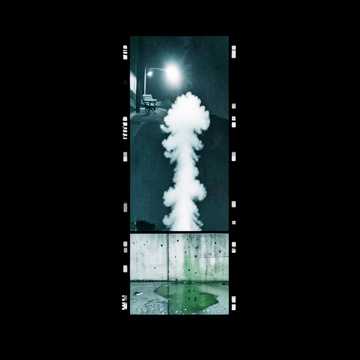
ترپ
این قطعه ترپ، شبگردی گروهی از جوانان خسته از فشار و هیاهوی شهر را روایت میکند. محور اصلی آن رفاقت، وفاداری، اتحاد و پناهبردن به فضای خیابان است؛ جایی که دود، خاطره و موسیقی به زبانی برای تحمل درد و ایستادگی تبدیل میشوند.
01:34
Invalid date
Cannabis Theme Music: Definition, History, and Cultural Development
Cannabis theme music is a broad music category connected tocannabis culture, public debate, personal experience, social identity, and references to the cannabis plant. It can include songs that directly discuss cannabis, works that reflect associated lifestyles and communities, and instrumental compositions that use relaxed, hazy, psychedelic, earthy, or rebellious moods often linked with cannabis imagery. Cannabis theme music is not limited to one genre. Reggae, dub, ska, hip-hop, rap, funk, soul, rock, psychedelic music, electronic music, and ambient soundtracks have all contributed to the development of the tag. Historically, cannabis references became especially visible in twentieth-century jazz and blues communities, where marijuana was sometimes associated with nightlife, improvisation, andunderground culture. During the 1960s and 1970s, reggae and psychedelic rock expanded the musical vocabulary of cannabis themes, connecting them with spirituality, political resistance, counterculture, and social freedom. Reggae artists in Jamaica helped establish cannabis as a recurring cultural and lyrical subject, while rock and psychedelic performers explored altered perception through extended arrangements, studio effects, andexperimentaltextures. From the 1980s onward, hip-hop and rap made cannabis thememusic more direct and narrative, addressing friendship, neighborhoodlife, criminalization, policing, and personal choice. In the twenty-first century, the legalization movement and the growth of cannabis-related media have broadened the tag further. Contemporary cannabis theme music may be celebratory,humorous, political, reflective, therapeutic, or purely atmospheric. Because cannabis laws and social attitudes differ by region, responsible use of this tag should recognize both its cultural history and the continuing public-health and legal discussions surrounding cannabis.
Cannabis Theme Music Sub-Tags and Classifications
Reggae and Roots Cannabis Theme
This classification includes roots reggae, rocksteady, and related Jamaican styles in which cannabis may appear alongside themesof spirituality, natural living, African identity, social justice, and resistance to oppression. Typical musical features include a prominent bass line, offbeat guitar or keyboard accents, steady drum patterns, and spacious arrangements. Reggae cannabis theme music often treats the subject as part of a broader cultural or spiritual worldview rather than as a simple party reference.
Dub and Instrumental Cannabis Atmospheres
Dub-based cannabis theme music emphasizes mood, space, and studio experimentation. Echo, reverb, filtered percussion, sub-bass, and stripped-back arrangements create a hypnotic sound suited to relaxed listening and visual media. This sub-tagcan include instrumental reggae, dubwise production, chillout tracks, and sound-system-inspired compositions where the cannabis association is communicated through atmosphere more than lyrics.
Hip-Hop and Rap Cannabis Anthems
Hip-hop cannabis theme music uses rap verses, memorable hooks, sampled grooves, and conversational storytelling to describe cannabis culture, friendship, humor, daily life, or political attitudes. This category ranges from celebratory anthems and underground rap to socially conscious songs that examine prohibition, incarceration, and unequal enforcement. Production may incorporate funk samples, boom-bap drums, West Coast G-funk textures, trap rhythms,or modern alternative hip-hop.
Psychedelic Rock and Counterculture
This classification covers psychedelic rock, acid rock, progressive rock, and experimental guitar music associated with counterculture and expanded states of perception. Cannabis references may be explicit or impliedthrough swirling guitar effects, long instrumental passages, tapemanipulation, unusual harmonies, and free-form song structures. The focus is often on exploration, imagination, and atmosphere rather than a literal narrative about cannabis.
Funk, Soul, and Groove-Based Cannabis Music
Funk and soul cannabis theme tracks typically rely on syncopated bass, tight drum grooves, brass accents, call-and-response vocals, and playful lyrical delivery. These songs often presentcannabis references in a social, humorous, or dance-oriented setting. The classification is useful for party playlists, comedy productions, lifestyle content, and scenes that need an upbeat groove without an aggressive tone.
Cannabis Comedy and Novelty Songs
Comedy and novelty cannabis music uses satire, character performance, exaggerated storytelling, and memorable wordplay. It may parody familiar genres or turn everyday situations into humorous narratives. Although often lighthearted, effective comedy songs can also comment on stigma, prohibition, generational differences, and changing public attitudes toward cannabis.
Cannabis Legalization and Social Commentary
This sub-tag includes protest songs, documentary-oriented compositions, and politically conscious works addressinglegalization, decriminalization, criminal justice, medical access, regulation, and personal liberty. The music mayuse reggae, folk, hip-hop, punk, or singer-songwriter formats. Its defining feature is the social message: cannabis is treated as a subject of policy and civil debate rather than only a lifestyle symbol.
Chillout, Lo-Fi, and Relaxed Cannabis Background Music
This contemporarycategory includes lo-fi hip-hop, downtempo, ambient, trip-hop, chillwave, and instrumental beats designed to create an unhurried atmosphere.Soft drums, warm electric piano, muted guitar, vinyl-style texture, gentle synthesizers, and restrained bass are common elements. The cannabis theme may be communicated through titles, artwork, or cultural context, while the music itself remains suitable for study, conversation, lounges, and visualstorytelling.
Cannabis Lifestyleand Dispensary Branding Music
Music in this classification is created for cannabis-related retail, editorial, hospitality, and lifestyle environments. It often favors polished, welcoming, and non-confrontationalproduction, such as modern funk, neo-soul, mellow hip-hop, indie pop, or downtempo electronic music. Selection should consider local advertising rules, audience age restrictions, licensing requirements, and the need to avoid making unsupported health claims.
Famous Artists and Classic Works Related to Cannabis Theme Music
Peter Tosh
Peter Tosh made cannabis legalization a direct political subject in reggae through the album and song "Legalize It." His forceful vocal delivery, roots-reggae rhythm, and outspoken advocacy helped establish cannabis theme music as a form of social commentary. His work connected the subject with civil rights, personal freedom, andresistance to restrictive law.
Peter Tosh - Legalize It
"Legalize It" is one of the clearest examples of cannabis theme musicfunctioning as political reggae. The song uses a steady roots-reggae pulse, prominent bass, and an assertive vocal approach to turn a simple phrase into a public demand. Its innovation lies in combining an accessible chorus with direct policy-oriented messaging, helping listeners understand cannabis not only as a recreational subject but also as an issue of law, freedom, and social justice.
Bob Marley and The Wailers
Bob Marley and The Wailershelped bring reggae's spiritual, social, and culturalvocabulary to a globalaudience. Songs such as "Kaya" use relaxed reggae arrangements and symbolic language associated with cannabis, while Marley's wider catalog connects natural imagery with peace, dignity, and liberation. His contribution is important because cannabis references appear within a broader humanistic and spiritual framework.
BobMarley and The Wailers- Kaya
"Kaya" presents cannabis through a warm, unhurried reggae setting. The gentle rhythm, melodic vocal phrasing, and natural imagery create an intimate atmosphere rather than a confrontational protest. The work is significant because it places the cannabis theme inside reggae's wider vocabulary ofspirituality, nature, community, and emotional renewal, making the reference culturallylayered and musically inviting.
Lee "Scratch" Perry
Lee "Scratch" Perry was a pioneering Jamaican producer whose dub techniques influenced cannabis-related music through echo, reverb, bass emphasis, unusual mixing, and experimental studio construction. His work with The Upsetters and many reggae artists helped define the spacious, surreal, and psychedelic production language frequently associated withcannabis theme music.
Cypress Hill - Hits from the Bong
This track is a defining hip-hop cannabis anthem built arounda memorable sample-based groove, heavy low end, rhythmic vocal phrasing, and vivid scene-setting. Its arrangement uses repetition effectively: the hook creates immediate recognition while the verses develop a social ritual around listening and gathering. The song's influence can be heard in later cannabis-themed rap through its combination of a strong brand identity, cinematic production, anddirect lyrical focus.
Cypress Hill
Cypress Hill brought cannabis-centered themes into mainstream hip-hop with a distinctive blend of Latin-influenced percussion, dark production, funk samples, and theatrical rap delivery. Their work helped normalize cannabis as a recurring subject in rap while also demonstrating how a focused theme could become part of an artist'srecognizable identity and sound.
Cypress Hill - Dr. Greenthumb
"Dr. Greenthumb" uses a fictional character and narrative framing to develop cannabis-related imagery. The track demonstrates how a theme can be expanded into a broader fictional world through character design, vocal performance, and recurring motifs. Its darker, theatrical hip-hop production distinguishes it from purely celebratory songs and shows the expressive range available withincannabis theme music.
Snoop Dogg
Snoop Dogg has made cannabis references a recurring element of his public persona and musical catalog. His relaxed flow, WestCoast production, melodic hooks, and collaborations helped popularize a laid-back cannabis theme within G-funk, mainstream rap, and later lifestyle-oriented media. His contribution also illustrates the movement of cannabis imagery from underground music into broader entertainment and branding contexts.
Sublime - Smoke Two Joints
Sublime's recording combines punk energy, ska rhythm, reggae influence, and irreverent vocal delivery. The workis notable for its hybrid style: cannabis imagery is placed inside a fast-moving alternative-rock arrangement rather than a strictly roots-reggae or rap structure. This cross-genre approach helped connect cannabis themes with skate culture,beach culture, and the informal, rebellioustone of 1990s alternative music.
Afroman
Afroman is known for humorous, narrative-driven songs that present cannabis use through everyday mishaps, self-deprecating comedy, and acoustic orhip-hop-influenced arrangements. His work expanded the cannabis music category beyond protest and celebration by emphasizing character, storytelling, and comedic timing.
Afroman - Because I Got High
"Because I Got High" uses a simple repeating structure and comic cause-and-effect lyrics to create an immediately recognizable novelty song. Itsinnovation is narrative economy: each verse builds on the same musical premise while escalating the consequences in a humorous way. The track demonstrates how cannabis theme music can work as character comedyand mainstream pop storytelling, while also inviting listeners to consider the difference between satire and a literal endorsement.
The Slackers
The Slackers represent the connectionbetween cannabis themes and ska, rocksteady, reggae, and soul. Their groove-focused arrangements and urban storytelling demonstrate how cannabis-related material can appear in a lively ensemble setting with horns, organ, offbeat guitar, and danceable rhythms rather than only in rap or roots reggae.
The Upsetters - Dread Lion
The Upsetters' instrumental and dub-oriented work represents the importance of production craft in cannabis-associated music. Ratherthan relying on explicit lyrics, the track's atmosphere is shaped by bass, percussion, space, and studio effects. Its approach influenced later ambient, dub, electronic, and hip-hop producers who use repetition and sonic depth to create immersive listening environments.
Application Scenarios for Cannabis Theme Music
Cannabis theme music can establish a character's social world, support a relaxed gathering, mark a countercultural setting, or provide comic relief. Roots reggae may suit a documentary or historical sequence, while lo-fi hip-hop, funk, or psychedelic rock can support a contemporary drama. Editors should match lyrical content and intensity to the scene and verify synchronization, master, and publishing rights before release.
Film and Television Soundtracks
Documentaries about legalization, medical policy, cultivation history, or cultural identity can use cannabis theme music to connect interviews and archival material. Instrumental dub can create transitions, protest songs canunderscore historical movements, and original folk or hip-hop compositions can provide a modern narrative voice. Music should support factual storytelling without presenting unverified medical claims.
Cannabis Culture Documentaries
Cannabis-related businesses may use mellow funk, modern reggae, neo-soul, or downtempo electronic music in campaigns where local regulations permit such advertising. The music can communicate warmth, craftsmanship, relaxation, or community. Campaigns must account for jurisdiction-specific restrictions, age-gating, platform policies, licensing, and rules concerning health, therapeutic, or intoxicating claims.
Advertising and Brand Campaigns
In permitted venues, carefully selected cannabis theme music can shape the atmosphere without overwhelming conversation. Downtempo beats, instrumentalreggae, jazz-influenced grooves, and soft electronic textures are useful for a calm environment, while funk and ska can add energy during events. Volume, audience suitability, venue rules, and public-performance licensing should be considered aspart of the programming process.
Dispensary, Lounge, and Hospitality Environments
Cannabis theme music can characterize an eccentric setting, a rebellious faction, a surreal level, or a relaxed social hub in a game. Dub bass, psychedelic effects, looping hip-hop beats, and adaptive ambient layers can respond to exploration or player progression. Interactivemusic should use seamless loops, clear frequency balance, and stems that can be mixed dynamicallywithout masking gameplay audio.
Video Games and Interactive Media
Creators discussing cannabis history, policy, music culture, or lifestyle may use short instrumental themes and transition cues toestablish a consistent identity. Because online platforms apply copyright and advertising restrictions, creators should use properly licensed tracks and avoid assuming that a song is free to use because it is associated with a cannabis theme.
YouTube, Podcasts, and Online Editorial Content
Novelty songs, short hip-hop cues, and exaggerated funk or reggae arrangements can reinforce comic timing insketches about cannabis culture. The strongest examples use music to define a character or situation rather than relying solely on a repeated reference. Content creators should also account for platform age policies and avoid presenting potentially unsafe behavioras a universal recommendation.
Comedy, Sketches, and Social Media Videos
Cannabis theme music cansupport educational conferences, legalization forums, cultural festivals, and private eventsthrough curated reggae, hip-hop, funk, and electronic sets. Event organizers should adapt the selection to the audience, ensure that lyrics are appropriate for the venue, and comply with local rulesrelated tocannabis consumption, promotion, public performance,and agerestrictions.
Events, Festivals, and Community Gatherings
Relaxed cannabis theme playlists oftencombine ambient music,chillhop, dub, acoustic grooves, and slow electronic tracks. These playlists can be used for personal listening, creative work, or low-key social settings. Descriptions should frame the music as an atmosphere or cultural category rather than making unsupportedpromises about treating anxiety, pain, sleep disorders, or other medicalconditions.
Playlist Curation and Wellness-Oriented Listening