
Free Choral layers Music Generator Powered by AI
Turn text into high-quality Choral layers music effortlessly – no login required!

music.toolTips
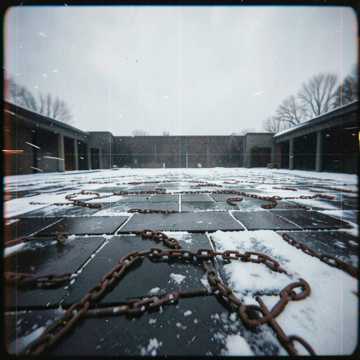
Печальный финал
Песня рассказывает о публичной казни Нергала, которую безуспешно пытается остановить Морлот. Цепи, стража, нерождённый ребёнок и застывшая площадь усиливают ощущение безысходности. Сдержанный рэп переходит в мощный припев, превращая личную потерю в масштабную трагедию о любви, насилии и бессилии.
03:27
2 days ago
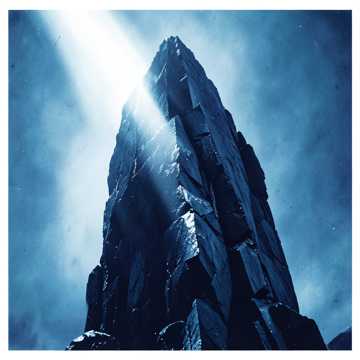
Duello Stellare
Un duello cosmico prende forma attraverso pulsazioni minacciose, ostinati d’archi, colpi brutali di ottoni e strati corali in continua ascesa. Il silenzio improvviso prima dell’ultimo impeto amplifica la tensione, mentre il finale scolpisce una sensazione di immensità, pericolo e destino inevitabile.
01:00
3 days ago
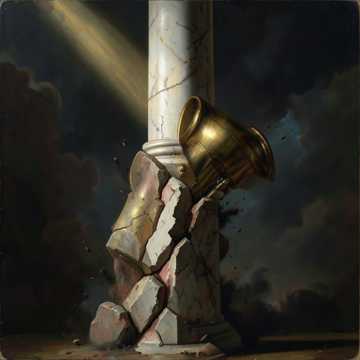
Сквозь мраморный такт
Инструментальная композиция на стыке deep techno, low DnB и неоклассики. Напряжённый среднетемповый пульс, глубокий саб, рояльные арпеджио, восходящие струны, хоровые удвоения и финальный каскад колокольчиков создают ощущение монументальной ночной драмы.
03:44
4 days ago
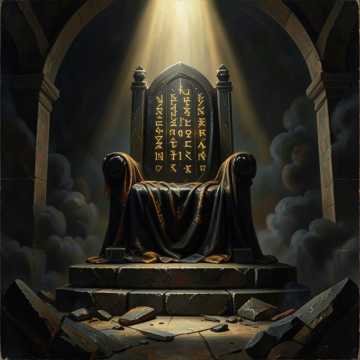
魔君苏醒
作品以低音轰鸣与稀疏古筝开启不祥序幕,经合成合唱与颤音弦乐逐步蓄势,在重击、铜管和宏大合唱中迎来魔君苏醒,随后于钟声与次低音间短暂沉寂,最终爆发。
03:35
6 days ago
Choral Layers: Definition, History, and Musical Character
Choral layers are overlapping vocal parts that create a sense of depth, harmony, rhythm, or atmosphere. The term describes a musical texture and production approach rather than a single genre: choral layers can be performed by a live choir, built from overdubbed voices, generated with samples, or combined with instruments and electronic sound. The layers may carry independent melodies, repeat rhythmic phrases, sustain wordless vowels, or move together in dense chords. Their roots reach back to the development of polyphony in medieval Europe, when independent vocal lines were combined in sacred music. Renaissance composers expanded these techniques through imitation and carefully balanced vocal parts, while later composers explored larger choirs, contrasting vocal groups, and increasingly varied harmonies. In the twentieth century, recording technology made it possible to overdub individual singers, manipulate voices, and blend choirs with electronic textures. Today, choral layers appear across classical music, film scores, video games, ambient music, pop, and experimental production, offering expressive possibilities that range from intimate and devotional to monumental and otherworldly.
Choral Layers Sub-Tags and Classifications
Polyphonic Choral Layers
Polyphonic choral layers consist of two or more melodic lines performed at the same time. Each line retains a degree of independence, creating movement and detail as the voices imitate, complement, or contrast with one another. Common in Renaissance motets and later contrapuntal writing, this texture can give music a flowing, intricate, and contemplative character.
Homophonic Choral Layers
In homophonic choral layers, vocal parts generally move together in a shared rhythm while singing different pitches. This chordal approach emphasizes harmony and makes text easier to understand than in many dense polyphonic passages. It is effective for hymns, ceremonial music, dramatic climaxes, and clear, emotionally direct soundtrack writing.
Wordless and Ambient Choral Layers
Wordless choral layers use vowels, humming, or other non-lexical vocal sounds instead of intelligible lyrics. Long notes, soft entrances, and spacious reverberation can turn the choir into an atmospheric backdrop rather than a foreground narrative voice. These textures suit meditation, reflective scenes, fantasy settings, and productions that need emotional warmth without competing with dialogue.
Cinematic and Epic Choral Layers
Cinematic choral layers combine multiple vocal parts with orchestral instruments, percussion, or electronic sound design to create scale and dramatic momentum. They may use sustained chords, forceful syllables, rhythmic patterns, or gradual dynamic builds. The sound is often associated with action, fantasy, trailers, and pivotal scenes, although restrained cinematic choral writing can be equally effective.
Sacred and Liturgical Choral Layers
Sacred choral layers are shaped by religious texts, worship traditions, or devotional musical forms. They can range from transparent chant-inspired lines to elaborate polyphony and richly voiced chords. Their expressive character often depends on the relationship between words, harmony, vocal blend, and the acoustics of the performance space.
Electronic and Sampled Choral Layers
Electronic choral layers use sampled choirs, synthesized voices, vocal processing, or digitally manipulated recordings. Producers can stretch, filter, pitch-shift, or sequence these sounds to create textures that would be difficult to perform live. This classification spans realistic orchestral mockups, atmospheric game music, experimental soundscapes, and hybrid electronic tracks.
Overdubbed Vocal Choirs
Overdubbed choral layers are assembled by recording one or more singers repeatedly and stacking the takes. A single performer can create a choir-like arrangement with closely coordinated phrasing, while multiple performers can add contrasting timbres and greater variety. The technique is common in pop, art music, and studio-based vocal experimentation.
Antiphonal and Spatial Choral Layers
Antiphonal choral layers place vocal groups in dialogue, sometimes separating them across a performance space or stereo field. One group may answer another, or separate choirs may combine for a fuller sound. Spatial contrast can clarify complex writing and create a sense of ceremony, distance, or immersion.
Famous Artists and Works Featuring Choral Layers
Thomas Tallis
The English Renaissance composer Thomas Tallis is celebrated for intricate sacred vocal writing. His motet Spem in alium divides forty voices into eight five-part choirs, showing how independent groups can be combined into an expansive, evolving choral texture. His work remains a landmark for composers and listeners interested in large-scale polyphonic choral layers.
Spem in alium — Thomas Tallis
This Renaissance motet is written for forty independent vocal parts arranged in eight choirs. Voices enter and recede across the ensemble, creating passages of intricate counterpoint as well as powerful moments when many parts converge. Its remarkable scale and use of contrasting groups make it a foundational example of spatial and polyphonic choral layers.
Giovanni Pierluigi da Palestrina
Palestrina helped establish an influential model of Renaissance sacred polyphony, characterized by smooth melodic lines and carefully balanced vocal parts. Works such as Missa Papae Marcelli demonstrate how multiple choral layers can create richness while preserving a sense of clarity and flow.
Missa Papae Marcelli — Giovanni Pierluigi da Palestrina
Palestrina's six-voice Mass combines interweaving melodic lines with more chordal passages. Changes in texture help shape the presentation of the sacred text, while the smooth movement of individual parts creates a balanced ensemble sound. The work illustrates how choral layers can be both richly contrapuntal and carefully controlled.
Eric Whitacre
American composer Eric Whitacre is known for luminous contemporary choral harmonies, sustained vocal textures, and carefully controlled dissonance. Works such as Lux Aurumque demonstrate his approach to blended choral layers, while his Virtual Choir projects brought individually recorded singers together in large collaborative performances.
Lux Aeterna — György Ligeti
Written for sixteen solo voices, Lux Aeterna builds a slowly shifting texture from closely spaced vocal lines. Individual entries merge into a luminous, unsettled sound mass rather than forming a conventional foreground melody with accompaniment. Its dense choral layers became familiar to a wider audience through their use in the film2001: A Space Odyssey.
György Ligeti
György Ligeti expanded the expressive possibilities of choral layers through dense clusters, closely spaced independent lines, and unusual vocal effects. His Requiem and Lux Aeterna treat the choir as a shifting field of sound, influencing generations of composers interested in atmospheric and experimental vocal textures.
Lux Aurumque — Eric Whitacre
Lux Aurumque develops a quiet, luminous atmosphere through sustained chords, subtle dynamic changes, and closely blended voices. Dissonances and their resolutions give the harmony a gently shifting color, while the relatively restrained pacing encourages listeners to focus on resonance and vocal blend. The work is a prominent example of contemporary atmospheric choral layers.
Meredith Monk
Meredith Monk is a composer and vocalist whose work explores the voice beyond conventional lyric singing. In works such as Dolmen Music, repeated patterns, overlapping voices, and non-lexical sounds create choral layers that draw attention to breath, timbre, rhythm, and communal expression.
Dolmen Music — Meredith Monk
In Dolmen Music, voices interlock through recurring gestures, contrasting timbres, and non-lexical vocal sounds, accompanied by cello. Rather than relying on conventional lyrics or continuous harmonic support, the piece uses vocal patterns and changing ensemble relationships to build its expressive world. Its choral layers highlight the physical and rhythmic qualities of the human voice.
Enya
Singer and composer Enya, working with producer Nicky Ryan and lyricist Roma Ryan, helped popularize intricately overdubbed vocal textures in contemporary music. Tracks such as Orinoco Flow use layered vocals alongside synthesizers and rhythmic production, demonstrating how studio-built choral layers can give pop music a distinctive, spacious sound.
Orinoco Flow — Enya
Orinoco Flow combines layered lead and backing vocals with synthesizers and a distinctive rhythmic pulse. Repeated vocal lines and studio-built harmonies contribute to the track's buoyant, expansive character. The recording shows how overdubbing can adapt the idea of choral layers to a concise, accessible pop arrangement.
Choral Layers in Film, Games, Advertising, and More
Choral layers can establish emotional scale, suggest a sacred or mysterious setting, or deepen a character's reflective moment. A fantasy film might combine a large choir with orchestra during a climactic sequence, while a drama might use quiet wordless voices beneath a scene with minimal dialogue. Choosing the register, density, and use of lyrics helps the vocals support the story without obscuring speech.
Film and Television Soundtracks
Game composers can use choral layers to distinguish locations, signal narrative importance, or intensify encounters. A restrained ambient choir may give an ancient sanctuary a sense of mystery, while rhythmic vocal phrases can add urgency to a boss battle. Interactive scores can introduce or remove vocal layers as gameplay changes, provided the arrangement and implementation are designed for seamless transitions.
Video Game Background Music
Choral layers can give an advertisement a human, uplifting, or cinematic tone. A technology brand might pair soft wordless harmonies with an electronic pulse to suggest possibility, while a charity campaign could use an intimate vocal ensemble to reinforce a message of community. Short, clear musical phrases are often more effective than dense textures when a voice-over carries essential information.
Advertising and Brand Films
In trailers, choral layers can help shape a rapid dramatic arc, moving from a distant sustained texture to a fuller vocal and orchestral climax. Rhythmic syllables, rising harmonies, and contrasting quiet passages can add momentum and scale. The vocal arrangement works best when it leaves room for dialogue, sound effects, and the timing of key edits.
Trailers and Promotional Videos
Soft, wordless choral layers can provide a gentle backdrop for breathing exercises, relaxation videos, or reflective audio. Long tones and gradual harmonic movement may create a spacious atmosphere without demanding close attention. A restrained mix is especially useful when the music accompanies spoken guidance.
Meditation and Wellness Content
Choral layers can bring a sense of presence and shared experience to concerts, ceremonies, exhibitions, and immersive installations. Separate vocal groups placed around an audience can create antiphonal exchanges, while recorded layers can extend the sound of a small live ensemble. The room's acoustics and the placement of performers or speakers are central to how clearly the layers are heard.
Live Performances and Installations