
Free Chronic Pain Music Generator Powered by AI
Turn text into high-quality Chronic Pain music effortlessly – no login required!

music.toolTips
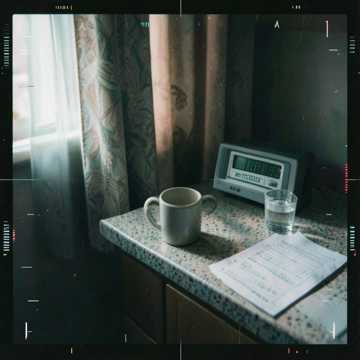
Missing Days
A vulnerable country-rock portrait of someone losing days to invisible pain while fighting to remain connected to life. Restrained verses portray isolation and exhaustion, while the swelling chorus and bridge transform helplessness into defiance, hope, and a quiet promise to return when strength allows.
03:37
6 days ago
Chronic Pain Music: Definition, Meaning, and Historical Development
Chronic Pain music is a descriptive mood, theme, or metadata tag used for songs and instrumental compositions that express long-term physical suffering, emotional exhaustion, vulnerability, endurance, disability, or the search for relief. Unlike established genres such as jazz, classical, or ambient music, Chronic Pain is not a fixed musical genre with one standardized instrumentation or rhythm. Instead, it identifies music whose lyrics, atmosphere, performance, or narrative relates to living with persistent pain. In a medical context, chronic pain generally refers to pain that continues or returns for an extended period, often lasting more than three months. In music, the Chronic Pain tag can therefore include intimate singer-songwriter recordings, dark ambient soundscapes, post-rock crescendos, cinematic piano, experimental electronic music, and therapeutic compositions designed to support relaxation or emotional processing. The history of Chronic Pain music is connected to the broader history of music as a way to communicate suffering and healing. Traditional work songs, spirituals, blues, folk ballads, and lament traditions frequently described illness, hardship, grief, and physical distress. During the twentieth century, blues, soul, punk, industrial music, and alternative rock expanded the musical vocabulary of pain through raw vocals, distorted instruments, repetition, and confessional lyrics. In the twenty-first century, digital playlists, independent releases, disability advocacy, and online communities have made Chronic Pain a more visible music-tag category. Contemporary Chronic Pain music may be used for personal identification, emotional support, documentary storytelling, meditation, healthcare-related media, or scenes that require a sense of endurance and vulnerability.
Chronic Pain Music Sub-Tags and Classifications
Physical Pain and Bodily Distress
This classification focuses directly on the sensation of persistent physical pain, fatigue, inflammation, limited mobility, or bodily discomfort. Music in this category often uses sparse arrangements, restrained tempos, minor harmonies, low-register instruments, and lyrics that describe difficult daily routines. Piano, cello, drones, subdued percussion, and close-miked vocals can create an intimate representation of physical suffering. This Chronic Pain music is suitable for documentaries, personal storytelling, and reflective playlists.
Emotional Exhaustion and Mental Strain
Living with Chronic Pain can affect mood, sleep, concentration, relationships, and a person's sense of identity. Music tagged Emotional Exhaustion and Mental Strain emphasizes anxiety, frustration, isolation, depression, helplessness, or emotional burnout rather than describing a specific medical condition. Common musical characteristics include slow repetition, unresolved chord progressions, distant reverberation, subdued vocals, and gradual dynamic movement. The category is often used for introspective alternative, ambient, cinematic, and singer-songwriter material.
Endurance, Resilience, and Recovery
Not all Chronic Pain music is purely dark or mournful. This sub-tag includes works about persistence, adaptation, hope, self-advocacy, and rebuilding a meaningful life while pain continues. Arrangements may begin with minimal instrumentation and develop into fuller harmonies, stronger drums, layered vocals, or uplifting melodic themes. The emotional arc usually moves from vulnerability toward acceptance or determination without suggesting that recovery is simple or guaranteed.
Medical and Healthcare Narrative
Medical and Healthcare Narrative music is written or selected for stories involving diagnosis, treatment, rehabilitation, hospitals, medication, medical uncertainty, or interactions with healthcare systems. It is frequently used in documentaries, public-awareness videos, patient stories, and educational campaigns. Effective tracks tend to remain emotionally clear without becoming overly dramatic, using piano, gentle strings, restrained electronic textures, or carefully controlled ambient sound.
Dark Ambient and Atmospheric Chronic Pain
This category represents Chronic Pain through texture and atmosphere rather than explicit lyrics. Sustained drones, sub-bass, granular processing, bowed instruments, slow pulses, and large reverberant spaces can suggest discomfort, sleeplessness, sensory overload, or an altered perception of time. Dark ambient Chronic Pain music is particularly effective in experimental films, psychological narratives, immersive installations, and scenes portraying long periods of waiting or uncertainty.
Acoustic Confessional and Singer-Songwriter
Acoustic Chronic Pain music uses direct vocal delivery and relatively simple instrumentation to create a personal, conversational feeling. Guitar, piano, muted percussion, and natural room ambience help foreground the words and emotional nuance. The songs may address invisible illness, social misunderstanding, canceled plans, dependence on others, or the difference between appearing well and feeling unwell. This sub-tag is valuable for autobiographical releases and first-person documentary narratives.
Therapeutic, Calming, and Supportive Music
Therapeutic Chronic Pain music is designed to support relaxation, breathing exercises, sleep routines, meditation, mindfulness, or emotional regulation. It commonly features slow tempos, predictable structures, soft dynamics, warm pads, gentle piano, nature-inspired textures, and long transitions. This music should be presented as supportive listening rather than a medical treatment or cure. It can help create a calming environment, but individual responses to music vary.
Anger, Frustration, and Advocacy
This sub-tag gives voice to anger about constant pain, disbelief from others, inaccessible environments, inadequate treatment, stigma, or the social invisibility of disability. Punk, alternative rock, hip-hop, industrial, metal, and electronic music can express these themes through distortion, aggressive rhythm, shouted vocals, abrupt edits, and intense dynamic contrast. Advocacy-focused Chronic Pain music can transform private frustration into public awareness and community solidarity.
Instrumental and Cinematic Chronic Pain
Instrumental Chronic Pain music communicates meaning without relying on lyrics. Repeating piano figures, minor-key strings, restrained orchestration, cello melodies, processed guitar, and carefully timed crescendos can represent recurring pain, emotional distance, or gradual endurance. This classification is especially useful for film, television, games, podcasts, and branded storytelling where the music must support dialogue or narration.
Famous Artists and Representative Works Related to Chronic Pain Music
Lady Gaga
Lady Gaga is an important contemporary reference for discussions of Chronic Pain because she has publicly spoken about living with fibromyalgia and the effect of chronic pain on her life and career. Her documentary Gaga: Five Foot Two includes candid material about pain, vulnerability, performance, and the pressure to continue working. Songs such as The Cure and Million Reasons are not medical case studies, but their themes of comfort, emotional support, and resilience make them relevant to Chronic Pain playlists and awareness content. Her public advocacy has also helped increase visibility for people whose pain is not always externally visible.
Lady Gaga — The Cure
The Cure uses a polished pop arrangement and a reassuring lyrical perspective centered on care, companionship, and emotional relief. Its accessible chorus and steady groove make the song feel supportive rather than overwhelmingly tragic. In a Chronic Pain context, the work is meaningful because it emphasizes the importance of comfort and human connection while remaining suitable for mainstream playlists, awareness campaigns, and personal listening. Its contribution is cultural as much as musical: Lady Gaga's public discussion of fibromyalgia gives the song an additional context for listeners seeking representation.
Joni Mitchell
Joni Mitchell is widely recognized for deeply personal songwriting about vulnerability, aging, isolation, identity, and emotional hardship. Works such as Both Sides, Now and Blue demonstrate how an exposed vocal performance, sophisticated harmony, and detailed first-person writing can communicate fragility without relying on spectacle. Mitchell's artistic approach is relevant to Chronic Pain music because it treats limitation, uncertainty, and changing identity as complex human experiences rather than simple sources of inspiration.
Nine Inch Nails — Hurt
Hurt is built around a sparse, exposed arrangement that gradually introduces atmospheric layers and greater emotional weight. The restrained tempo, fragile vocal delivery, and recurring harmonic pattern create a sense of persistence and psychological confinement. The recording's innovation lies in how little it uses to produce such a strong effect: silence, space, distortion, and vocal imperfection become expressive elements. While the song is not exclusively about Chronic Pain, its language of enduring suffering makes it a frequent reference point for pain-themed and dark introspective music.
Tracy Chapman
Tracy Chapman's restrained vocal style and socially conscious songwriting provide a strong model for music that addresses hardship with clarity and dignity. Her work often uses acoustic guitar, steady rhythmic patterns, and direct storytelling, creating emotional impact without excessive production. Although her catalog is not limited to Chronic Pain, the combination of personal struggle, social observation, and understated performance makes her an influential reference for acoustic and narrative-based Chronic Pain music.
Joni Mitchell — Both Sides, Now
Both Sides, Now demonstrates how a familiar melody can acquire new emotional meaning through changes in vocal maturity, orchestration, and interpretation. Later performances use slower pacing, rich orchestral color, and a weathered vocal tone to emphasize uncertainty, memory, and the passage of time. For Chronic Pain music, the work offers a model of reflective storytelling in which suffering is not reduced to a single dramatic moment but understood as part of a long and changing life experience.
Nine Inch Nails and Trent Reznor
Trent Reznor's work with Nine Inch Nails has influenced dark, industrial, and confessional approaches to music about suffering, alienation, addiction, and psychological distress. The song Hurt is particularly notable for its sparse arrangement, damaged vocal tone, and gradual intensification. It should not be described as a definitive song about a specific chronic illness, but its treatment of enduring pain and emotional deterioration has made it relevant to broader pain-themed playlists and cinematic sound design.
Sufjan Stevens — Fourth of July
Fourth of July uses quiet vocals, repeated phrases, soft electronic and acoustic textures, and a cyclical structure to convey grief and emotional numbness. Its repetition can resemble the recurring nature of intrusive memories or persistent discomfort, while the gentle production leaves space for contemplation. The track is especially relevant to Chronic Pain playlists that focus on illness, caregiving, bereavement, and the emotional effects of long-term suffering.
Sufjan Stevens
Sufjan Stevens is known for combining intimate vocals with delicate acoustic arrangements, orchestral layering, electronic textures, and themes of grief, illness, faith, and vulnerability. Albums such as Carrie & Lowell demonstrate how quiet dynamics and detailed production can turn personal suffering into an expansive emotional environment. His work is useful as a reference for Chronic Pain music that favors subtlety, reflection, and emotional complexity over dramatic intensity.
Max Richter — On the Nature of Daylight
On the Nature of Daylight is an instrumental work shaped by sustained strings, gradual harmonic movement, and controlled repetition. Rather than portraying pain through harsh sound, it creates a spacious emotional field in which sadness and endurance can coexist. This approach is useful for Chronic Pain film scenes, documentary voiceovers, and reflective visual content because the music supports an image without imposing a literal narrative. Its innovation is the transformation of minimalist repetition into a broad, cinematic emotional arc.
Nick Drake
Nick Drake's soft vocal delivery, fingerpicked guitar, unusual chord voicings, and restrained arrangements have strongly influenced melancholic and introspective songwriting. Albums such as Pink Moon show how minimal production can create a powerful feeling of isolation and inwardness. Drake's music is not specifically a chronic pain catalog, but its quiet tension and emotional reserve make it an important aesthetic reference for acoustic Chronic Pain playlists.
Nick Drake — Pink Moon
Pink Moon is notable for its extreme economy: a short duration, intimate vocal, fingerpicked guitar, and very limited additional instrumentation. The absence of a large arrangement creates closeness and emotional exposure, allowing small changes in phrasing and harmony to carry significant weight. As a Chronic Pain reference, the song illustrates how isolation, fatigue, and vulnerability can be communicated through understatement rather than volume or dramatic orchestration.
Max Richter
Max Richter has helped popularize contemporary classical music built from repetition, gradual development, sustained strings, and emotionally direct harmonic writing. Works such as On the Nature of Daylight and Sleep are frequently associated with reflection, grief, stillness, and psychological recovery. His compositions demonstrate how instrumental music can represent prolonged emotional states, making them valuable references for cinematic and therapeutic Chronic Pain applications.
Chronic Pain Music Application Scenarios
Chronic Pain music can support documentaries about fibromyalgia, arthritis, migraine, neuropathy, endometriosis, long-term injury, or other conditions in which symptoms may not be visually obvious. Sparse piano, intimate acoustic songwriting, or restrained ambient textures can accompany patient interviews and daily-life footage without overpowering the speaker. Music should be carefully mixed so that the lived experience remains the focus.
Documentary Films About Invisible Illness
In film and television, Chronic Pain music can underscore diagnosis scenes, sleepless nights, rehabilitation, medical uncertainty, strained relationships, or moments of quiet endurance. A low-tempo piano theme may represent recurring discomfort, while a gradually expanding string arrangement can suggest resilience or a change in perspective. Directors can also use silence and near-silence to portray fatigue and sensory overload.
Narrative Film and Television Soundtracks
Organizations raising awareness about chronic illness, disability, pain management, or patient advocacy can use emotionally clear Chronic Pain music in video campaigns and social media content. Gentle cinematic music may encourage empathy, while a more determined rhythmic track can support messages about accessibility and self-advocacy. The music should avoid implying that positive thinking alone eliminates pain or that every patient follows the same recovery path.
Healthcare Awareness and Public-Service Campaigns
Brands offering ergonomic products, accessible technology, sleep tools, relaxation services, or supportive healthcare resources may use calming Chronic Pain music to create a sense of trust and care. Warm pads, soft piano, subtle acoustic guitar, and moderate tempos can support product demonstrations and customer stories. Commercial use should be respectful and should not make unverified medical claims.
Advertising for Wellness and Accessibility Products
Chronic Pain music can help games portray a character's injury, illness, exhaustion, or emotional burden. Dynamic music systems may reduce instrumentation during fatigue states, introduce irregular pulses during flare-ups, or gradually add harmonic layers as the character finds support. Unlike a fixed film cue, interactive Chronic Pain music can respond to player choices and create a changing representation of endurance.
Video Games and Interactive Storytelling
Soft instrumental Chronic Pain music is often selected for relaxation, mindfulness, stretching, rest, or bedtime routines. Long-form ambient tracks with smooth transitions and limited sudden peaks can provide a stable listening environment. Such music may support comfort and emotional regulation, but it should be described as a complementary listening resource rather than a replacement for diagnosis or professional medical treatment.
Meditation, Breathwork, and Rest Playlists
People living with Chronic Pain may use music to validate their experiences, manage difficult emotions, mark periods of rest, or feel connected to others. Playlists can combine direct lyrical representation, instrumental calm, anger-driven advocacy songs, and hopeful works. Offering multiple emotional categories is important because listeners may want comfort on one day and catharsis or empowerment on another.
Personal Playlists and Peer-Support Communities
Podcast episodes about chronic illness, disability, caregiving, and healthcare can use low-volume Chronic Pain music for introductions, transitions, and closing reflections. Minimal arrangements are generally effective because they leave room for speech. A recurring musical motif can create continuity across episodes while allowing variations in tempo, instrumentation, or intensity to reflect different personal stories.
Podcasts and Audio Storytelling
Chronic Pain music can be paired with movement that explores restriction, repetition, imbalance, fatigue, adaptation, and release. Irregular rhythms may represent disrupted routines, while repeated motifs can mirror flare-ups or recurring symptoms. Live performance also allows lighting, choreography, and sound design to work together, creating an embodied interpretation of pain without requiring literal narration.
Dance, Theater, and Contemporary Performance
Schools, museums, healthcare organizations, and online educators can use carefully selected Chronic Pain music in presentations about disability, empathy, public health, or the history of medical representation. The best musical choices support reflection while leaving space for factual information. Content creators should involve people with lived experience where possible and avoid using suffering merely as dramatic decoration.
Educational Content and Patient Narratives