
Free Dark hope Music Generator Powered by AI
Turn text into high-quality Dark hope music effortlessly – no login required!

music.toolTips
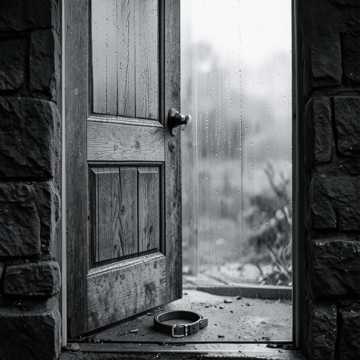
Hund an meiner Seite
Das Lied erzählt von einem Hund als loyalem Begleiter, emotionalem Halt und stiller Lebensstütze. Zwischen Zweifel, Einsamkeit und inneren Kämpfen schenkt die gemeinsame Verbindung Mut. Rap-Strophen, wuchtige Rockinstrumente und ein heroischer Refrain verwandeln diese Freundschaft in eine kraftvolle Hymne über Treue, Durchhaltevermögen und Verbundenheit.
03:14
1 days ago
Bel
«Bel» — напряжённый гимн несгибаемой воли. Герой, несмотря на страх, раны и внутренний распад, продолжает двигаться вперёд. Мрачная атмосфера, тяжёлый бас, роковая экспрессия и контраст мужского и женского вокала превращают песню в саундтрек к борьбе, тренировке и преодолению.
02:22
3 days ago
Dark Hope Music: Definition, History, and Core Characteristics
Dark Hope is a music tag used to describe emotionally intense compositions that combine shadowy, melancholic, or dramatic soundscapes with feelings of resilience, anticipation, renewal, or cautious optimism. Dark Hope music often places hopeful melodies, uplifting harmonic movement, or gradual emotional release against darker musical elements such as minor keys, atmospheric drones, deep bass, restrained percussion, distorted textures, and cinematic tension. The result is a mood that feels reflective and serious while still suggesting survival, transformation, or the possibility of a better future. Dark Hope is best understood as a descriptive mood and production category rather than a strictly standardized music genre. It can appear in dark ambient, cinematic music, post-rock, electronic music, alternative music, neoclassical composition, trailer music, and game soundtracks. The idea developed from the broader use of contrasting emotional themes in film scoring and modern atmospheric music. Composers and producers increasingly began combining ominous textures with expanding chord progressions and emotionally positive motifs to represent complex experiences such as recovery, resistance, uncertain journeys, and victory after hardship. In contemporary digital music libraries, Dark Hope is frequently used as a searchable tag for tracks that begin with tension or sadness and gradually move toward confidence, clarity, or emotional release. This combination makes Dark Hope music especially useful when a creator needs music that communicates both darkness and possibility rather than simple happiness or despair.
Dark Hope Sub-Tags and Music Classifications
Cinematic Dark Hope
Cinematic Dark Hope combines orchestral writing, atmospheric sound design, and dramatic arrangement techniques. It commonly features low strings, piano, brass swells, percussion, sustained pads, and a gradual rise toward a powerful emotional climax. This classification is suitable for stories about survival, personal transformation, conflict, and uncertain victories. Cinematic Dark Hope tracks often begin with sparse or ominous material and introduce broader harmonies, stronger rhythms, or a memorable lead theme as the composition develops.
Dark Ambient Hope
Dark Ambient Hope focuses on space, texture, and subtle emotional movement rather than a conventional verse-and-chorus structure. Drones, distant reverberation, field recordings, soft synthesizers, low frequencies, and slowly changing harmonies create an immersive atmosphere. Hope is usually expressed through a brighter tone, a slowly emerging melody, or a gradual reduction in tension. This sub-tag works well for reflective scenes, science-fiction environments, psychological storytelling, meditation with a serious tone, and visual projects that require atmosphere without a dominant beat.
Melancholic Hope
Melancholic Hope emphasizes sadness, nostalgia, and emotional vulnerability while preserving a sense of warmth or forward movement. Piano, acoustic instruments, gentle strings, restrained electronic layers, and minor-to-major harmonic shifts are common features. The music may feel intimate and personal, making it effective for stories about memory, loss, reconciliation, emotional healing, and meaningful change. Unlike purely tragic music, Melancholic Hope usually contains a melodic or harmonic detail that suggests acceptance and recovery.
Epic Dark Hope
Epic Dark Hope uses large-scale arrangements and dramatic energy to portray determination under pressure. Heavy drums, orchestral ostinatos, choir-like textures, electric guitar, synthesizer bass, and rising melodic lines may appear in the production. The dark character comes from minor harmonies, tense rhythmic patterns, and weighty sound design, while the hopeful character emerges through escalating dynamics and triumphant thematic development. This classification is frequently used in trailers, action games, fantasy stories, documentaries, and motivational campaigns with a serious visual style.
Electronic Dark Hope
Electronic Dark Hope blends synthesizers, programmed drums, processed vocals, sequenced bass, and digital effects with emotionally uplifting or evolving musical ideas. The production can range from slow atmospheric electronica to driving synthwave, future bass, or hybrid trailer music. Common techniques include sidechain movement, filtered builds, spacious reverb, pulsing arpeggios, and layered melodic hooks. Electronic Dark Hope is well suited to technology videos, cyberpunk imagery, modern brand campaigns, game menus, and scenes involving uncertain futures or technological change.
Post-Rock Dark Hope
Post-Rock Dark Hope is built around gradual development, repetition, texture, and dynamic contrast. Clean guitars, delayed melodic patterns, bass guitar, live drums, and expansive instrumental climaxes create a sense of emotional progression. The music may start quietly and build through additional layers until it reaches a cathartic peak. Its combination of introspection and release makes it appropriate for travel films, coming-of-age stories, human-interest documentaries, and visual narratives centered on perseverance.
Neoclassical Dark Hope
Neoclassical Dark Hope uses piano, strings, chamber-style arrangements, and carefully controlled dynamics to create an elegant but emotionally weighty sound. Minor-key motifs, repeating piano figures, suspended harmonies, and gradual instrumental expansion are common. The hopeful quality often appears through a lyrical theme, an open cadence, or a transition into a more luminous register. This sub-tag is effective in dramas, art films, memorial videos, luxury advertising, and narratives that require emotional depth without aggressive rhythm.
Vocal Dark Hope
Vocal Dark Hope places lyrics, spoken phrases, or wordless vocal performances at the center of the emotional message. The text may address endurance, isolation, renewal, or finding strength in difficult circumstances. Vocals can be intimate and fragile or expansive and anthemic, depending on the production. Layered harmonies, reverb, and restrained instrumentation often reinforce the contrast between vulnerability and hope. This classification is useful for narrative songs, social campaigns, independent films, and emotionally driven promotional content.
Minimal Dark Hope
Minimal Dark Hope communicates tension and optimism with a limited number of carefully chosen musical elements. A repeating piano note, soft pulse, low drone, distant percussion, or simple string line may carry the entire arrangement. The restrained approach leaves space for dialogue and visual storytelling while maintaining a strong emotional undertone. It is particularly useful for documentaries, podcasts, product films, short-form videos, and scenes where music must support the message without dominating it.
Artists and Classic Works Associated with Dark Hope Music
Hans Zimmer
Hans Zimmer is strongly associated with cinematic music that combines ominous sound design, large-scale rhythm, and emotionally affirmative themes. Works such as 'Time' from Inception demonstrate how repeating piano figures, gradually expanding orchestration, and sustained harmonic development can transform tension into emotional release. His approach has influenced modern Dark Hope music by showing how electronic textures and orchestral writing can work together to communicate danger, persistence, and eventual transcendence.
Time - Hans Zimmer
‘Time’ is a defining example of cinematic emotional escalation. It begins with a simple, repetitive piano figure that creates restraint and uncertainty, then gradually adds strings, low-frequency weight, and broader orchestral layers. The repetition gives the piece a feeling of inevitability, while the expanding arrangement suggests determination and emotional release. Its innovation lies in turning a minimal musical idea into a large-scale narrative arc, a technique frequently used in Dark Hope trailer music and dramatic film scoring.
Max Richter
Max Richter's work often combines minimalist repetition, neoclassical instrumentation, and deeply reflective emotional writing. Pieces such as 'On the Nature of Daylight' use strings, slowly evolving harmony, and a restrained melodic language to create sorrow with a sense of dignity and emotional continuity. His influence is especially visible in Melancholic Hope and Neoclassical Dark Hope, where quiet intensity and gradual transformation are more important than dramatic percussion.
On the Nature of Daylight - Max Richter
This composition uses a repeating string pattern and carefully controlled harmonic movement to express grief, memory, and emotional persistence. Its dark character comes from the seriousness of the harmony and the weight of the sustained strings, while its hopeful quality comes from the continuity of the musical line and the gradual opening of the texture. The work demonstrates that Dark Hope does not require a triumphant ending; a sense of endurance and emotional clarity can provide the hopeful element.
M83
M83 has helped define a spacious, emotionally expansive style that links electronic music, dream pop, ambient soundscapes, and cinematic arrangement. Tracks such as 'Outro' use layered synths, broad harmonic motion, and a steadily intensifying structure to create a feeling of scale and emotional arrival. This approach is relevant to Electronic Dark Hope because it combines melancholy and uncertainty with a strong sense of uplift.
Outro - M83
‘Outro’ builds from atmospheric electronic material into a broad, highly cinematic climax. The track uses sustained synthesizer chords, spacious production, layered vocals, and increasing density to create a feeling of emergence from uncertainty. Its innovation is the way it gives an electronic composition the scale and emotional architecture of a film score. The piece is a strong reference for Electronic Dark Hope, especially when a production needs grandeur, mystery, and uplift at the same time.
Sigur Rós
Sigur Rós is known for atmospheric post-rock that uses sustained guitar tones, orchestral textures, unusual vocal sounds, and long-form dynamic development. Songs such as 'Hoppípolla' and 'Svefn-g-englar' demonstrate how fragile passages can grow into expansive emotional climaxes. The group's contribution to Dark Hope can be heard in the use of texture, repetition, and cathartic release to represent endurance and emotional renewal.
Hoppípolla - Sigur Rós
‘Hoppípolla’ combines melodic optimism with the expansive, textural qualities of post-rock. The rhythmic pulse and buoyant melodic movement create forward energy, while the orchestration and vocal treatment retain a sense of wonder and emotional depth. The contrast between softness and intensity illustrates how Dark Hope music can sound uplifting without becoming purely cheerful. Its gradual expansion also makes it a useful model for inspirational film and documentary music.
Ben Frost
Ben Frost combines dark ambient, experimental electronic music, industrial noise, and cinematic tension. His work shows how distortion, sub-bass, abrasive textures, and controlled dynamic pressure can create an atmosphere of danger without eliminating emotional direction. His influence is particularly relevant to Dark Ambient Hope and Experimental Dark Hope, where a small amount of harmonic or textural brightness can carry significant emotional meaning.
Arrival of the Birds - The Cinematic Orchestra
‘Arrival of the Birds’ uses piano, strings, and a gradual increase in orchestral breadth to create a sense of discovery and emotional awakening. The piece is gentle rather than aggressive, but its measured harmonic development gives it a cinematic feeling of movement from uncertainty toward openness. It represents the lighter side of Dark Hope and demonstrates how a carefully paced arrangement can suggest renewal without relying on a strong beat.
Ólafur Arnalds
Ólafur Arnalds integrates piano, strings, electronic processing, and minimalist repetition to create music that feels intimate and cinematic. His compositions often balance vulnerability with gradual forward motion. This makes his work relevant to Neoclassical Dark Hope and Minimal Dark Hope, especially for listeners and creators seeking music that communicates sadness, reflection, and quiet resilience.
The Leftovers Main Title Theme - Max Richter
The main title theme from 'The Leftovers' combines repeating piano, strings, choral color, and a solemn atmosphere. Its emotional effect comes from the balance between unresolved sadness and a persistent melodic presence. The work is particularly relevant to Dark Hope because it shows how music can acknowledge loss while still creating a feeling of human connection and continuation. Its restrained structure also makes it suitable as a reference for television drama and narrative branding.
Jóhann Jóhannsson
Jóhann Jóhannsson developed a distinctive language combining orchestral instruments, minimalist structures, drones, and electronic sound design. His film scores, including music associated with 'Arrival' and 'Sicario', demonstrate two different sides of Dark Hope: contemplative emotional expansion and severe atmospheric tension. His contribution lies in treating timbre, repetition, and silence as essential parts of narrative meaning.
Trent Reznor and Atticus Ross
Trent Reznor and Atticus Ross are known for integrating industrial electronics, analog synthesizers, processed piano, noise, and sparse melodic writing. Their scores for films such as 'The Social Network' and 'The Girl with the Dragon Tattoo' show how darkness can be created through texture and restraint rather than only through orchestral force. Their work has influenced modern electronic and cinematic Dark Hope production, particularly in technology-focused, psychological, and dramatic media.
Dark Hope Music Application Scenarios
Dark Hope music is effective in films and television scenes involving recovery, sacrifice, uncertain journeys, social conflict, or the aftermath of loss. A low, atmospheric opening can support a difficult situation, while the gradual introduction of strings, piano, percussion, or a brighter harmonic layer can reflect a character's decision to continue. The music works especially well in closing scenes, transformation sequences, emotional montages, and stories where the outcome is hopeful but not uncomplicated.
Film and Television Soundtracks
Dark Hope trailer music can create a strong emotional arc within a short duration. A typical structure begins with a dark drone, sparse piano, or restrained pulse, then adds rhythmic layers, risers, bass, and an expansive final section. This format helps a trailer communicate danger and emotional stakes before presenting determination or possibility. It is suitable for dramas, science-fiction films, fantasy projects, documentaries, and social issue campaigns.
Movie Trailers and Promotional Videos
In video games, Dark Hope music can support exploration of abandoned locations, post-apocalyptic environments, morally complex decisions, boss aftermaths, character reunions, and moments before a major mission. Ambient versions can maintain immersion without distracting from gameplay, while more rhythmic versions can increase momentum during combat preparation or narrative progression. Dynamic layering allows the hopeful elements to become stronger as the player advances or completes an objective.
Video Game Background Music
Dark Hope is well suited to game trailers and cutscenes because it can represent both a dangerous world and the player's potential to change it. Low orchestral textures, distorted electronics, and tense percussion can establish the setting, while a memorable theme or rising chord progression can emphasize heroism and agency. This makes the tag useful for role-playing games, action games, strategy titles, survival games, and science-fiction adventures.
Game Trailers and Cinematic Cutscenes
Brands can use Dark Hope music when they want to communicate resilience, innovation, social responsibility, or progress through difficulty. For example, an environmental campaign might begin with sparse, serious sound design and gradually introduce warm strings and an uplifting melody as the message turns toward collective action. Technology, healthcare, education, mobility, and nonprofit brands can use this style when a simple cheerful soundtrack would not express the seriousness of the subject.
Advertising and Brand Films
Dark Hope music supports documentary subjects involving hardship, recovery, migration, climate change, medical journeys, community action, and personal achievement. A restrained arrangement leaves space for interviews and narration, while carefully timed harmonic changes can reinforce key moments in the story. The style helps maintain emotional honesty because it recognizes difficulty while allowing the audience to feel connection, dignity, and possibility.
Documentaries and Human-Interest Stories
Independent filmmakers often use Dark Hope music to create a substantial emotional atmosphere with limited visual resources. A single piano motif, processed vocal, or slowly evolving ambient layer can connect separate scenes and give a short film a consistent emotional identity. The tag is especially suitable for psychological dramas, experimental films, science-fiction shorts, coming-of-age stories, and films about grief or personal transformation.
Short Films and Independent Cinema
Dark Hope background music can add tension and emotional depth to podcast introductions, investigative stories, audio dramas, and spoken-word projects. Minimal arrangements with soft pulses, low drones, and subtle piano are useful beneath narration because they create mood without overwhelming speech. More dramatic versions can mark episode openings, major revelations, or transitions from conflict toward resolution.
Podcasts, Audio Dramas, and Spoken-Word Content
Dark Hope music can give travel and nature videos a more reflective narrative when the content focuses on remote landscapes, difficult expeditions, climate conditions, or personal change. Atmospheric pads and slow-building strings can emphasize scale and uncertainty, while a warmer melodic section can accompany arrival, discovery, or a successful journey. This creates a sense of adventure with emotional substance.
Travel, Adventure, and Nature Videos
Dark Hope is useful for motivational videos that address setbacks, discipline, recovery, and long-term achievement. The music can begin with a subdued, minor-key mood that acknowledges obstacles before developing into a stronger rhythmic or melodic section. This structure makes the message feel earned and credible, particularly in athletic stories, career documentaries, educational campaigns, and personal transformation content.
Motivational and Personal Development Content
Dark Hope music can support fashion films, gallery presentations, product launches, and editorial visuals that use a sophisticated or mysterious aesthetic. Minimal electronic textures, deep bass, processed strings, and spacious reverberation can create a sense of exclusivity and emotional intensity. The style is particularly effective when the visual identity combines elegance, shadow, contrast, and modern design.
Fashion, Art, and Luxury Visuals