
Free Doom Folk Music Generator Powered by AI
Turn text into high-quality Doom Folk music effortlessly – no login required!

music.toolTips
1
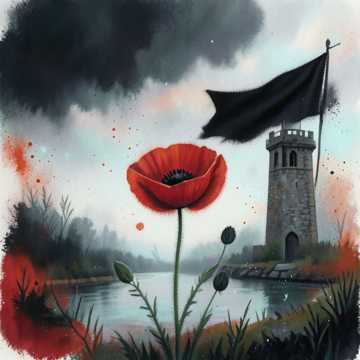
Песня изображает гибель тиранической власти через образы Кремля, чумы, короны и шаманского обряда. Медленное, напряжённое повествование постепенно превращается в мистическое восстание, где народное пробуждение и древняя сила свергают ложных идолов, оставляя после битвы пепел, маки и память.
04:34
4 days ago
Apocalyptic
A slow neo-folk composition with a mournful, apocalyptic atmosphere. Harmonized vocals and restrained melodic movement suggest desolation, emotional weight, and fragile hope, making the piece feel cinematic, intimate, and suited to reflective moments or post-apocalyptic storytelling.
03:30
4 days ago
Doom Folk: Definition, Origins, and Musical Development
Doom Folk is a dark, atmospheric music style that combines the acoustic storytelling and traditional instrumentation of folk music with the weight, slowness, and bleak emotional intensity of doom metal. It is often characterized by minor-key guitar patterns, droning arrangements, restrained or funereal tempos, raw vocals, spacious production, and lyrics about mortality, isolation, grief, spiritual crisis, nature, folklore, and social collapse. Doom Folk is not always treated as a formally standardized genre; it is also used as a descriptive tag for music positioned between dark folk, neofolk, doom metal, gothic music, country noir, and experimental acoustic music. The style developed gradually rather than emerging from one defined scene. Its roots can be traced to traditional ballads, murder ballads, blues, Appalachian and European folk traditions, psychedelic folk, and the slower, heavier side of early doom metal. During the1970s and1980s, artists in gothic rock, post-punk, industrial music, and neofolk introduced drones, ritualistic repetition, historical themes, and austere arrangements that helped establish the atmosphere later associated with Doom Folk. In the1990s and2000s, performers such as16 Horsepower, Wovenhand, Current93, and related dark-folk artists demonstrated how acoustic instruments and religious or rural imagery could carry the emotional gravity of heavy music. From the2010s onward, Doom Folk became more visible as a useful online music tag, especially through artists blending doom metal, singer-songwriter intimacy, Americana, gothic country, ambient sound design, and post-metal dynamics. Modern Doom Folk may be entirely acoustic, heavily distorted, electronic, orchestral, or built around a gradual movement from fragile folk passages into massive doom-inspired climaxes.
Doom Folk Sub-Tags and Classifications
Acoustic Doom Folk
Acoustic Doom Folk places voice, fingerpicked guitar, banjo, fiddle, harmonium, or other organic instruments at the center of the arrangement. The music is usually sparse and slow, using silence, room ambience, and low vocal registers to create heaviness without relying on amplified distortion. Its lyrics commonly focus on death, abandoned places, spiritual doubt, doomed relationships, and the harshness of rural life.
Dark Folk Doom
Dark Folk Doom emphasizes the ritualistic and gothic side of Doom Folk. It often features minor-key acoustic guitar, drones, frame drums, choral textures, field recordings, and austere production. This classification overlaps with dark folk and neofolk, but its defining quality is a stronger sense of fatalism, sustained tension, and doom-oriented atmosphere.
Doom Metal and Folk Fusion
This form of Doom Folk combines traditional doom metal elements, including heavily distorted guitars, slow riffs, thick bass, and dramatic drumming, with folk melodies and narrative songwriting. Tracks may begin with an intimate acoustic section before expanding into towering riffs. The contrast between delicate verses and crushing climaxes is one of the central creative techniques in this classification.
Gothic Americana and Country Noir
Gothic Americana Doom Folk draws from blues, country, Appalachian ballads, gospel, and alternative country while presenting those traditions through a bleak and shadowy lens. Slide guitar, banjo, harmonica, reverberated vocals, and dusty percussion may appear alongside slow, ominous arrangements. Common themes include haunted landscapes, religious imagery, generational violence, failed love, and moral ambiguity.
Ritual and Pagan Doom Folk
Ritual Doom Folk uses repeated drones, hand percussion, chants, atmospheric vocals, and references to folklore, seasonal rites, ancient landscapes, or pre-Christian symbolism. The music often feels ceremonial rather than conventionally song-driven. It is particularly effective at creating trance-like tension and a sense of historical or supernatural distance.
Ambient Doom Folk
Ambient Doom Folk reduces conventional rhythm and focuses on sustained tones, acoustic fragments, environmental recordings, bowed instruments, and slow-moving harmonic changes. It may resemble dark ambient or funeral music, but the presence of folk melodies, storytelling vocals, or traditional instruments gives it a more human and narrative character.
Blackened Doom Folk
Blackened Doom Folk incorporates elements associated with atmospheric black metal, such as tremolo textures, raw production, harsh vocals, and icy ambience, while retaining folk melodies or acoustic passages. The result is more abrasive and expansive than traditional Doom Folk, often moving between intimate storytelling and bleak, storm-like intensity.
Funeral and Mourning Folk
Funeral Folk is one of the most emotionally direct forms of Doom Folk. It uses very slow tempos, minor harmonies, fragile vocals, sustained notes, and lyrics centered on bereavement, memory, farewell, and spiritual absence. Arrangements may include piano, organ, cello, acoustic guitar, or distant choral layers to reinforce the feeling of solemn remembrance.
Famous Doom Folk Artists and Related Works
Wovenhand
Wovenhand, led by David Eugene Edwards, is one of the most important reference points for listeners exploring Doom Folk and dark Americana. Albums such as 'Consider the Birds', 'Mosaic', and 'The Threshingfloor' combine biblical imagery, tribal percussion, distorted guitars, folk melodies, and intense vocal performances. The project's contribution lies in showing how spiritual music, roots instrumentation, and heavy rock dynamics can coexist in a deeply ominous form.
16 Horsepower - 'Secret South'
This album is a landmark for the Gothic Americana side of Doom Folk. Its arrangements draw on banjo, accordion, strings, acoustic guitar, and driving percussion, but the performances are tense rather than nostalgic. Biblical language, rural imagery, and dramatic vocal phrasing create a sense of spiritual conflict. The album's innovation lies in making traditional country and folk instruments feel as ominous and physically forceful as a heavy-rock ensemble.
16 Horsepower
16 Horsepower helped define a dark, dramatic strain of alternative country and Gothic Americana that strongly overlaps with Doom Folk. Their work, including 'Sackcloth 'n' Ashes' and 'Secret South', uses banjo, accordion, bowed strings, acoustic guitar, and forceful rhythm sections to turn traditional folk and country forms into tense, emotionally heavy songs. Their influence can be heard in later country-noir and doom-inflected folk artists.
Wovenhand - 'Consider the Birds'
Consider the Birds is a key example of dark folk expanding into intense, almost ritualistic rock. Repetitive guitar figures, pounding drums, drones, and David Eugene Edwards' impassioned vocals produce a sound that is devotional and threatening at the same time. The record is important to Doom Folk because it treats folk melody and religious storytelling as sources of weight, tension, and ecstatic intensity.
Chelsea Wolfe
Chelsea Wolfe is frequently associated with the darker edge of Doom Folk because her music merges intimate singer-songwriter writing with doom metal, gothic rock, industrial texture, and ambient sound design. Albums such as 'Apokalypsis', 'Abyss', and 'Hiss Spun' demonstrate how acoustic vulnerability can expand into dense, crushing arrangements. Her work broadened the audience for slow, emotionally severe folk-derived music.
Chelsea Wolfe - 'Abyss'
Abyss presents an atmospheric meeting point between folk-derived songwriting, doom metal, industrial noise, and gothic music. The album alternates between stark vocal passages and dense walls of guitar and electronics, creating a strong contrast between vulnerability and violence. Its production helped establish a modern template for Doom Folk in which acoustic or singer-songwriter intimacy can exist inside an enormous, cinematic sonic environment.
Emma Ruth Rundle
Emma Ruth Rundle combines confessional songwriting with post-rock, doom, and atmospheric guitar. Records such as 'Somewhere in the Depths of the Night' and 'On Dark Horses' contain the spacious dynamics, melancholy, and gradual heaviness often associated with Doom Folk. Her contribution is especially clear in the way personal grief and emotional exposure are translated into large, cinematic arrangements.
Dorthia Cottrell - 'Death Folk Country'
Death Folk Country is a particularly direct expression of the Doom Folk concept. The record strips away much of the amplification associated with doom metal and instead relies on voice, acoustic guitar, repetition, and bleak lyrical imagery. Its innovation is conceptual as well as musical: it demonstrates that doom can describe emotional gravity, pacing, and subject matter even when the arrangement remains quiet and traditional.
Darkher
Darkher, the project of Jayn Maiven, creates a shadowy blend of dark folk, doom, ethereal music, and occult atmosphere. Releases such as 'Realms' and 'The Buried Storm' feature spectral vocals, droning guitars, slow percussion, and a strong connection to natural and supernatural imagery. Darkher represents the atmospheric and ritualistic side of Doom Folk.
Darkher - 'The Buried Storm'
The Buried Storm combines ethereal singing, heavy guitar resonance, slow percussion, and occult or natural imagery. Rather than following a conventional verse-chorus structure, many passages develop through texture and gradual accumulation. This makes the album a strong example of atmospheric Doom Folk, where the feeling of being submerged in a dark landscape is as important as melody or narrative.
King Dude
King Dude works in a space where dark folk, gothic country, blues, neofolk, and doom-oriented songwriting overlap. Albums including 'Burning Daylight' and 'Fear' use simple chord structures, deep vocals, religious symbolism, and stark production. His music demonstrates how a compact folk song can achieve a threatening, monumental mood without complex instrumentation.
Wovenhand - 'The Threshingfloor'
The Threshingfloor expands Wovenhand's fusion of folk, gospel, industrial rock, and doom-like heaviness. Percussive repetition and distorted textures give the songs a processional quality, while the vocal delivery remains rooted in folk and spiritual traditions. The album illustrates how Doom Folk can use rhythm and performance intensity to create a ceremonial form of heaviness.
Marissa Nadler
Marissa Nadler is primarily associated with dark folk and atmospheric singer-songwriter music, but her minimalist guitar work, hushed vocals, and persistent focus on loss make her relevant to the quieter side of Doom Folk. Albums such as 'July' and 'For My Crimes' show how sparse arrangements and lyrical melancholy can create heaviness through emotional space rather than distortion.
Dorthia Cottrell
Dorthia Cottrell, also known for her work with Windhand, explores an especially direct connection between folk songwriting and doom metal. Her solo album 'Death Folk Country' uses acoustic guitar, intimate vocals, and stark imagery to create a stripped-back counterpart to the massive sound of traditional doom. The project is a clear example of how Doom Folk can be both personal and heavy without relying on a full metal arrangement.
Jaye Jayle
Jaye Jayle blends noir folk, blues, experimental rock, and dark Americana. Releases such as 'No Trail Path' use low-register vocals, restrained grooves, spacious guitars, and cinematic tension. The project is relevant to Doom Folk because it emphasizes atmosphere, slow-burning drama, and the unsettling emotional space between folk song and heavy music.
Doom Folk Music Application Scenarios
Doom Folk is highly effective in horror films, folk-horror stories, supernatural dramas, and psychological thrillers. Acoustic drones, distant vocals, bowed strings, and slow percussion can establish unease before a major event, while heavier doom-inspired passages can accompany rituals, revelations, or confrontations. Its connection to rural landscapes and folklore makes it especially suitable for stories set in isolated villages, forests, deserts, or abandoned religious sites.
Horror and Folk-Horror Film Soundtracks
The austere instrumentation and ballad-like storytelling of Doom Folk can support historical dramas dealing with war, famine, persecution, religious conflict, or social collapse. Frame drums, hurdy-gurdy-like drones, acoustic strings, and choral textures can suggest a specific era without requiring a fully traditional score. The style is also useful when a production wants historical atmosphere with a contemporary emotional impact.
Historical Drama and Period Film
Doom Folk works well in games featuring dark fantasy, survival, post-apocalyptic exploration, gothic settings, western landscapes, or morally complex narratives. Slow drones and sparse guitar can accompany exploration, while layered percussion and distorted folk motifs can intensify boss encounters, cursed locations, and end-of-world scenes. Dynamic game scoring can gradually add instruments as the player moves from a quiet wilderness into a dangerous area.
Video Game Background Music
Doom Folk provides an effective audio backdrop for tabletop role-playing campaigns involving haunted kingdoms, plague-ridden villages, ancient gods, witchcraft, or doomed expeditions. Instrumental or low-vocal tracks can create atmosphere without distracting players from dialogue. Different sub-styles can represent different locations, such as acoustic Doom Folk for rural settlements, ritual Doom Folk for temples, and blackened Doom Folk for corrupted wilderness.
Tabletop Role-Playing and World-Building
Although Doom Folk is darker than conventional advertising music, its organic instrumentation can suit campaigns for handcrafted goods, heritage clothing, whiskey, camping equipment, motorcycles, leather products, and outdoor travel. A carefully edited section can communicate authenticity, ruggedness, independence, and connection with the land. For commercial use, producers often soften the most oppressive elements and emphasize acoustic guitar, vocal harmony, and cinematic build-up.
Advertising for Outdoor, Heritage, and Craft Brands
Doom Folk is suitable for investigative podcasts, folklore documentaries, true-crime programs, historical narratives, and audio dramas. Low-volume drones and restrained guitar can create continuity between spoken sections, while recurring musical motifs can represent a person, location, or unresolved mystery. Because the style often leaves significant space in the arrangement, it can support narration without overwhelming the voice.
Podcast, Documentary, and Audio Drama Scoring
The slow build of Doom Folk makes it useful for film trailers, game teasers, and launch videos that need to move from intimacy to threat. A trailer might begin with a lone vocal and acoustic guitar, add percussion and layered drones, and end with a distorted doom riff or dramatic orchestral impact. This structure creates a strong emotional arc and is particularly effective for dark fantasy, thriller, and post-apocalyptic content.
Trailers and Teaser Campaigns
Doom Folk can support performances exploring grief, memory, environmental destruction, spiritual conflict, or bodily endurance. Repetition and sustained tones give dancers and performers room to work with gradual movement, while folk instruments can connect the work to place, ancestry, or cultural memory. In gallery installations, field recordings and ambient Doom Folk textures can create an immersive sound environment.
Contemporary Dance, Theatre, and Installation Art