
Free Dramatic dynamics Music Generator Powered by AI
Turn text into high-quality Dramatic dynamics music effortlessly – no login required!

music.toolTips

Mmm
Inilalarawan ng awit ang buhay sa isang mapanghamong komunidad, kung saan ang pagkakakilanlan at halaga ay nasusukat sa pakinabang. Sa kabila ng pagkakadurog at mga hadlang, umuusbong ang paninindigan na makalaya, harapin ang kapalaran, at baguhin ang sariling buhay.
04:13
4 days ago
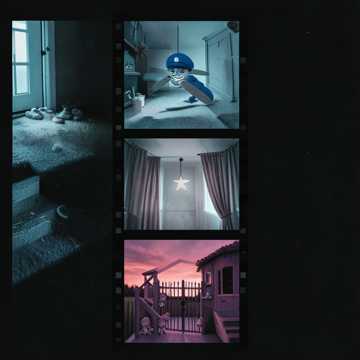
Moondrop Lullaby
A playful yet threatening lullaby follows a child hiding from Moondrop, a painted, clock-bound figure who stalks a haunted nursery. Blending nursery imagery with dance-floor momentum, the song transforms bedtime into a surreal game of suspense, pursuit, broken promises, and uneasy dawn.
03:20
5 days ago
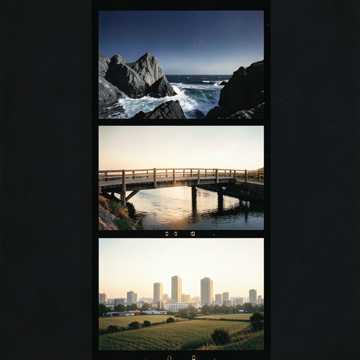
Landford Confederacy Anthem
המנון חגיגי המתאר את לידתה של לנדפורד, את אחדות אזרחיה ואת מחויבותה לשלום, אמת ובנייה משותפת. המנגינה נעה בין קטעים שקטים לרגעי שיא רבי עוצמה, בעזרת תזמורת, חצוצרות וכלי נשיפה, ויוצרת תחושה של גאווה, תקווה והתעלות לאומית.
02:57
Invalid date
Dramatic dynamics: definition, musical characteristics, and history
Dramatic dynamics is a descriptive music tag for compositions that use strong changes in volume, intensity, texture, articulation, orchestration, and pacing to create tension, contrast, suspense, or emotional release. The term combines dramatic expression with musical dynamics, including gradual crescendos, sudden accents, powerful climaxes, restrained passages, and rapid shifts between quiet and loud sections. Dramatic dynamics music often feels cinematic because its changing energy gives listeners a clear sense of movement, conflict, anticipation, and resolution. It is commonly associated with orchestral music, film scores, trailer music, dramatic piano, hybrid electronic compositions, game soundtracks, and emotionally intense background music. Dramatic dynamics is not a single historical genre or fixed compositional school. It is better understood as a performance and production characteristic that can appear in classical, romantic, modern orchestral, electronic, rock, pop, ambient, and experimental music. Its roots can be traced to the Renaissance and Baroque eras, when composers began using contrast between instrumental groups, voices, and sections to shape musical rhetoric. In the Baroque period, composers such as Johann Sebastian Bach and George Frideric Handel developed terraced contrasts, echo effects, and carefully structured changes in instrumental density. During the Classical period, Wolfgang Amadeus Mozart and Ludwig van Beethoven expanded the dramatic role of dynamics through sudden accents, pauses, crescendos, and thematic confrontation. The Romantic era made dramatic dynamics even more central to musical storytelling. Composers including Hector Berlioz, Richard Wagner, Pyotr Ilyich Tchaikovsky, and Gustav Mahler used large orchestras, extreme registers, expanded instrumentation, and long dynamic arcs to create powerful emotional narratives. In the twentieth and twenty-first centuries, dramatic dynamics developed through modern recording, electronic sound design, sampling, sound layering, and digital mastering. Contemporary dramatic dynamics music may combine a quiet piano motif with deep sub-bass, swelling strings, percussion impacts, distorted textures, or synthetic pulses. This combination allows the tag to describe music that builds from subtle intimacy to overwhelming intensity, making it especially valuable for visual media and emotionally focused listening experiences.
Dramatic dynamics sub-tags and classifications
Cinematic crescendo
Cinematic crescendo is a central classification of Dramatic dynamics music. It begins with a restrained musical idea and gradually increases volume, orchestration, rhythmic activity, or harmonic tension until it reaches a prominent climax. Strings may enter in layers, percussion may become progressively stronger, and brass or choir may reinforce the final peak. This sub-tag is frequently used in film trailers, documentary climaxes, promotional videos, and scenes of discovery or transformation.
Sudden impact dynamics
Sudden impact dynamics focuses on abrupt changes in intensity, including orchestral hits, bass drops, sharp accents, explosive percussion, and unexpected transitions from silence to full sound. This form of Dramatic dynamics creates immediate attention and is particularly effective for action scenes, title reveals, game events, sports advertising, and suspenseful edits. The contrast between silence or low-level sound and a powerful impact is often more important than sustained loudness.
Quiet-to-powerful contrast
Quiet-to-powerful contrast places intimate or nearly silent passages beside forceful, emotionally expansive sections. A composition may begin with solo piano, soft strings, or a distant atmospheric texture before introducing a full ensemble. This classification creates a strong sense of emotional distance and arrival, making it useful for stories involving personal struggle, memory, sacrifice, or triumph. The dramatic effect comes from the scale of the transition and the listener's anticipation of the release.
Orchestral dramatic dynamics
Orchestral dramatic dynamics uses the changing roles of strings, woodwinds, brass, percussion, and choir to shape musical drama. Low strings and timpani can establish gravity, woodwinds can add vulnerability or mystery, while brass and full strings can deliver authority and grandeur. This sub-tag includes symphonic passages, concert music, film scoring, and trailer arrangements that depend on orchestral color as well as volume. It is often characterized by large dynamic ranges and carefully controlled instrumental entrances.
Piano and chamber dynamics
Piano and chamber dynamics creates drama through touch, register, phrasing, silence, and the contrast between individual instruments. A solo piano can sound fragile in a soft register and commanding when supported by repeated chords or a wider range. Chamber ensembles achieve intensity through close interaction rather than sheer volume, using pauses, accented motifs, repeated figures, and gradual accumulation. This sub-tag suits emotional storytelling, reflective scenes, intimate advertising, and dramatic contemporary piano music.
Hybrid orchestral dynamics
Hybrid orchestral dynamics combines acoustic orchestral instruments with electronic bass, pulses, synthesizers, processed percussion, sound design, or sampled impacts. The orchestral layer provides emotional and cinematic identity, while electronic elements add scale, rhythmic propulsion, and modern weight. Hybrid Dramatic dynamics is common in movie trailers, superhero media, science-fiction games, technology advertising, and high-energy promotional content. Its arrangement often alternates between atmospheric restraint and dense, highly compressed climaxes.
Suspense and tension dynamics
Suspense and tension dynamics emphasizes controlled increases in anxiety rather than immediate musical release. Repeating ostinatos, rising figures, dissonant harmony, narrow dynamic changes, irregular accents, and slowly intensifying textures keep the listener alert. The music may remain quiet while becoming increasingly complex or threatening. This classification is well suited to thrillers, horror scenes, investigative documentaries, stealth games, mystery podcasts, and scenes in which danger is approaching but has not yet been revealed.
Epic and triumphant dynamics
Epic and triumphant dynamics uses broad melodic statements, powerful percussion, bright brass, rising harmony, massed strings, and large final climaxes to communicate achievement or victory. The dynamic structure often moves from uncertainty to confidence, producing a clear emotional payoff. This form of Dramatic dynamics is frequently used for sports montages, historical films, fantasy adventures, game victories, brand campaigns, and inspirational video content.
Dark and tragic dynamics
Dark and tragic dynamics uses low registers, minor or modal harmony, heavy resonance, sparse openings, and intense but controlled climaxes to express grief, danger, loss, or moral conflict. A composition may alternate between vulnerable quiet passages and devastating full-ensemble sections. Low percussion, contrabass textures, cello lines, distorted drones, and restrained brass are common production choices. This sub-tag is effective in war dramas, psychological thrillers, tragedy, post-apocalyptic games, and serious documentary storytelling.
Famous artists and works related to Dramatic dynamics
Ludwig van Beethoven
Beethoven made dynamic contrast a fundamental part of musical structure and dramatic argument. His Symphony No.5 in C minor, Op.67, uses an insistent opening motif, sudden accents, tightly controlled transitions, and powerful orchestral climaxes. His music demonstrated that dynamics could define form, create psychological tension, and transform a short motif into a large-scale narrative.
Beethoven: Symphony No.5 in C minor, Op.67
This symphony is a classic example of Dramatic dynamics because its four-note opening motif acts as both a rhythmic identity and a source of continuous tension. Beethoven uses sudden changes, accented attacks, rests, repetition, and gradual expansion to make the music feel purposeful and confrontational. The contrast between restrained development and forceful orchestral statements creates a strong sense of struggle. The transition toward the triumphant finale is especially influential: instrumental density, register, rhythmic energy, and brightness increase together, showing how dynamics can represent transformation rather than merely loudness.
Hector Berlioz
Hector Berlioz expanded the expressive possibilities of orchestration and program music. Symphonie fantastique uses unusual instrumental combinations, recurring thematic ideas, abrupt contrasts, and vivid changes in orchestral weight to portray a series of dramatic scenes. Berlioz's approach helped establish the idea that orchestral color and dynamic scale could represent characters, hallucinations, violence, and emotional transformation.
Berlioz: Symphonie fantastique
Symphonie fantastique uses orchestral drama to portray a sequence of psychological and fantastic scenes. Berlioz changes instrumental color, register, articulation, and dynamic level to distinguish tenderness, obsession, menace, and grotesque humor. The recurring idée fixe gives the work thematic continuity, while sudden changes in texture and intensity create a highly visual listening experience. Its innovations in orchestration and programmatic storytelling made it an important predecessor to modern cinematic Dramatic dynamics.
Richard Wagner
Richard Wagner developed long-range dramatic tension through leitmotifs, chromatic harmony, orchestral layering, and extended crescendos. Works such as Tristan und Isolde and the Ring Cycle demonstrate how musical intensity can be sustained across long scenes. His use of recurring themes, deep orchestral registers, and gradual harmonic expansion strongly influenced later film scoring and cinematic Dramatic dynamics.
Tchaikovsky: Romeo and Juliet Fantasy Overture
This work builds its drama through contrasting musical worlds. A solemn opening suggests spirituality and fate, while a lyrical love theme provides warmth and vulnerability. Conflict is represented through aggressive rhythmic material, heavy brass, percussion, and increasingly forceful orchestration. Tchaikovsky's ability to move from quiet contemplation to tragic climax demonstrates how melodic themes can be transformed through dynamics, harmony, tempo, and orchestral scale.
Pyotr Ilyich Tchaikovsky
Tchaikovsky is known for combining memorable melodies with exceptionally broad emotional and dynamic ranges. The1812 Overture, Symphony No.4, and Romeo and Juliet Fantasy Overture move between lyrical intimacy, rhythmic urgency, and monumental orchestral climaxes. His work remains influential because it makes dramatic escalation immediately understandable while preserving strong melodic identity.
Ravel: Bolero
Ravel's Bolero demonstrates a highly controlled form of dynamic development. The rhythm and harmonic framework remain remarkably stable while the melody passes from one instrument or instrumental group to another. Each repetition adds timbral density and gradually increases the perceived intensity, culminating in a dramatic modulation and full-orchestra climax. The piece shows that Dramatic dynamics can be created through orchestration and accumulation even when the underlying musical material changes very little.
Gustav Mahler
Gustav Mahler treated the orchestra as a highly flexible emotional environment. His symphonies can move from delicate chamber-like passages to enormous, overwhelming climaxes, often within the same movement. Symphony No.2 and Symphony No.5 are important examples of Dramatic dynamics because they use silence, extreme registers, gradual accumulation, and contrasting instrumental groups to create a large-scale emotional journey.
Mahler: Symphony No.2, Resurrection
Mahler's Symphony No.2 moves between funeral stillness, lyrical reflection, spiritual questioning, and overwhelming choral affirmation. Its large-scale dynamic plan includes extremely quiet passages, distant instrumental effects, explosive orchestral events, and a final expansion involving chorus and soloists. The work's innovation lies in its ability to coordinate emotional pacing across an extended structure, using silence and restraint to make the final climax feel earned and monumental.
Hans Zimmer
Hans Zimmer helped define modern cinematic Dramatic dynamics through the combination of orchestral writing, electronic sound design, repeated ostinatos, deep bass, processed percussion, and carefully timed crescendos. Scores such as The Dark Knight, Inception, Interstellar, and Dune show how a simple rhythmic or harmonic idea can grow into an immense soundscape. His production style has influenced trailer music, game music, advertising, and contemporary hybrid orchestral composition.
John Williams: Jaws main theme
The Jaws theme is a compact but influential example of suspense-oriented Dramatic dynamics. Its repeated two-note motif is simple, but changes in tempo, orchestration, register, volume, and timing make it increasingly threatening. The music often grows without immediately revealing a full melodic resolution, allowing the audience to imagine danger before seeing it. This approach became a model for film music that uses minimal material and controlled escalation to shape fear.
John Williams
John Williams combines traditional symphonic orchestration with clear themes, precise pacing, and powerful dynamic architecture. His scores for Star Wars, Jaws, Jurassic Park, and Superman demonstrate how brass fanfares, string motion, percussion accents, silence, and thematic repetition can control audience expectation. His work is a major reference for dramatic orchestral scoring and memorable cinematic climaxes.
Hans Zimmer: Time from Inception
Time develops a repeating harmonic and piano-based pattern through gradual layering. The opening is restrained and spacious, but strings, deeper tones, percussion, and broader orchestration enter progressively. Rather than relying on frequent thematic changes, the piece creates drama through accumulation, repetition, register expansion, and carefully timed crescendos. Its structure makes it a widely recognized example of modern cinematic Dramatic dynamics and an influential template for emotional trailer music.
Clint Mansell
Clint Mansell is recognized for minimalist repetition and emotionally forceful escalation. Lux Aeterna from Requiem for a Dream develops a compact motif through increasingly dense layers, heavier orchestration, and relentless repetition. The piece became influential in trailers and promotional editing because its dynamic construction creates urgency, obsession, and inevitability without depending on a large number of unrelated themes.
Clint Mansell: Lux Aeterna
Lux Aeterna builds intensity from a short, repeating motif that becomes increasingly urgent through layering, harmonic pressure, rhythmic insistence, and orchestral enlargement. The music creates a feeling of forward motion and unavoidable consequence. Its clear escalation makes it effective in trailers and montage sequences, where editors can align each additional layer or dynamic peak with a visual escalation. The work demonstrates how repetition can increase drama when every return changes the weight or context of the material.
Application scenarios for Dramatic dynamics music
Dramatic dynamics music is used to support character conflict, emotional revelation, action, suspense, tragedy, and victory. A quiet opening can accompany a character's isolation, while a gradual crescendo follows a decision or discovery. Sudden impacts are useful for shocks and action cuts, and full orchestral climaxes can reinforce finales, battles, rescues, or emotional reunions.
Film and television soundtracks
Trailer music depends heavily on clearly recognizable stages of escalation. Dramatic dynamics can begin with a sparse piano, atmospheric drone, or isolated vocal texture, then introduce pulses, percussion, risers, brass, strings, and final impacts. These sections give editors natural points for title cards, scene changes, dialogue breaks, and release dates. Hybrid orchestral Dramatic dynamics is especially common in action, fantasy, science-fiction, and superhero trailers.
Movie trailers and promotional trailers
Games use Dramatic dynamics to respond to player actions and changing gameplay states. A quiet exploration layer may shift into tension music when an enemy appears, followed by rhythmic intensity during combat and a triumphant resolution after victory. Interactive music systems can independently adjust percussion, bass, harmony, and orchestration so that the music remains synchronized with gameplay rather than following a fixed linear arrangement.
Video game background music
Advertising music uses dramatic escalation to make short messages memorable and emotionally persuasive. A restrained beginning may present a problem, while a rising arrangement accompanies innovation, progress, or product transformation. The final climax can align with a logo, slogan, product reveal, or call to action. Dramatic dynamics is effective in automotive advertising, sports campaigns, technology launches, public service announcements, and inspirational brand films.
Advertising and brand campaigns
Epic and triumphant Dramatic dynamics music supports moments of competition, endurance, comeback, and victory. Driving percussion, repeated rhythmic figures, rising brass, and large final accents can match slow-motion footage, decisive plays, athlete introductions, and championship celebrations. The music helps transform individual events into a larger narrative of achievement.
Sports broadcasts and highlight videos
Documentary scoring uses Dramatic dynamics to guide attention without overpowering factual narration. Low-level tension can support investigative material, while gradual orchestral growth can accompany historical turning points, scientific breakthroughs, environmental change, or personal testimony. Careful control of dynamics is important because the score must create emotional significance while leaving space for speech and natural sound.
Documentaries and historical programs
In audio-only formats, dynamic contrast helps listeners understand shifts in location, emotional state, danger, or narrative importance. A restrained texture can introduce a mystery, a pulse can signal growing concern, and a sudden impact can mark a major revelation. Because there is no visual image, Dramatic dynamics can supply pacing and atmosphere while remaining carefully mixed beneath dialogue.
Podcasts, audio dramas, and narrative storytelling
Dramatic dynamics provides performers with clear cues for physical movement, lighting, scene changes, and emotional transitions. Quiet sections can focus attention on a solo performer, while a powerful ensemble climax can support group choreography or a theatrical confrontation. Live arrangements may emphasize natural crescendos, sudden pauses, percussion accents, and changes in instrumental density to make the relationship between sound and movement more immediate.
Dance, theater, and live performance
Short-form video benefits from music that communicates a clear emotional direction within a limited duration. Dramatic dynamics can establish atmosphere quickly, create a build within a few seconds, and deliver a memorable impact at the reveal or ending. Producers often select tracks with distinct intro, build, climax, and outro sections so that the music can be edited to fit vertical video, product demonstrations, travel films, gaming clips, and transformation content.
Online video, trailers, and social media content