
Free Dynamic Contrast Music Generator Powered by AI
Turn text into high-quality Dynamic Contrast music effortlessly – no login required!

music.toolTips
Kantem po głowie
Utwór zamienia filozofię Kanta w bezpośredni, rytmiczny manifest. Prowadzi od krytyki poznania i granic rozumu przez tajemnicę noumenu aż do moralności, wolności i godności człowieka, podkreślając potrzebę samodzielnego myślenia oraz odpowiedzialnego działania.
03:28
5 hours ago
Still Walk Away
A person leaves a broken relationship while still grieving it. Domestic details give way to a resolute chorus, as restrained guitar tension builds into heavy grooves and a melodic release. The song suits breakup playlists, cathartic workouts, and scenes of hard-won independence.
04:10
11 hours ago

半分の春と半分の秋
春と秋が交わる世界で、うしおとかなでは喪失と悔いを抱えながら出会い、手放しても消えない愛を見つける。繊細な笛と弦から轟くロックへ広がる男女の歌声は、別れを経てそれぞれの明日へ歩む希望を描く。
03:38
12 hours ago
Nuan~
Nuan~ nyeritaka pengerindu ti teguh sereta enda kala padam, taja pengidup penuh perubahan enggau penguji. Alunan ambient enggau gitar akustik meri suasana ngelamun, lalu bass berat, rap, drum keras enggau rock nambahka tenaga sereta kontras emosi.
04:13
16 hours ago
Nuan~
Nuan~ madahka runding enggau semaya pengerindu ti tetap teguh taja pen jauh. Gitar akustik, bunyi elektronik enggau vokal ti lemi meri ruang ngagai penusah, pengadang enggau pengarap deka begulai belama iya; lagu tu manah didinga lebuh ngelalaika runding tauka ngenang orang ti dikerindu.
04:08
16 hours ago

The Enemy Is Me
A narrator confronts silence, guilt, and the fear of hurting someone through inaction. Restrained verses swell into distorted choruses, while a stripped-back bridge opens the door to a small but hopeful choice. Its slow-burning intensity suits reflective listening and dramatic scenes of personal reckoning.
03:20
1 days ago
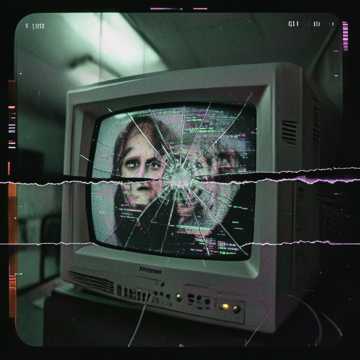
digital hell v2
An enraged defense of human imperfection against artificial intimacy, creative homogenization, and data exploitation. Female clean vocals personify seductive machine control; screams embody resistance. Doom metal framing, thrash-marked gang chants, and an explosive breakdown suit dystopian gaming or protest visuals. The final whisper leaves human autonomy disturbingly unresolved.
05:17
3 days ago

インターネットやめろ
通知、孤独、自己矛盾に揺れる少女が、画面から離れられない自分へ必死に叫びかける。混沌とした内面は二つの声に分裂し、最後には寂しさを認めながら、現実の空気と朝へ踏み出していく。
04:14
3 days ago

11
11 turns the illusion of free choice into a danceable, unsettling critique of consumerism and managed rebellion. Sarcastic male vocals, repetitive grooves and explosive choruses balance confidence with paranoia. A stripped-back bridge and abrupt ending sharpen its tension, suiting dystopian montages, provocative choreography and politically charged playlists.
03:51
4 days ago
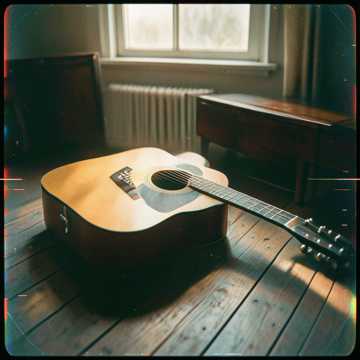
Piano and Guitar
Piano and acoustic guitar begin in a close, spacious exchange, setting a wistful mood. Sub-bass and half-time drums gradually add weight before a controlled dubstep drop brings syncopated wobble bass and crisp percussion. The opening motif returns over a softened groove, resolving with warmth and restraint.
03:25
Invalid date
Introduction to Dynamic Contrast in Music
Dynamic contrast in music refers to the deliberate variation in loudness and intensity within a piece to create emotional impact, shape musical phrases, and enhance dramatic expression. The origins of dynamic contrast can be traced back to early Western classical music, where composers began using notations such as 'piano' (soft) and 'forte' (loud) during the Renaissance and Baroque periods. By the Classical era, composers like Mozart and Haydn were using dynamic shifts to create clarity and excitement, while Beethoven pushed the boundaries further, making dynamic contrast a central expressive tool. In modern music, dynamic contrast extends beyond orchestral traditions and is used across genres, from jazz and film scores to rock and electronic music.
Sub-tags and Classifications of Dynamic Contrast
Sudden Dynamic Contrast
This form of dynamic contrast involves abrupt shifts from soft to loud (or vice versa), often to surprise or jolt the listener. It is common in dramatic orchestral works, film scores, and even in modern rock or electronic music drops.
Dynamic contrast in musicGradual Dynamic Contrast
Also known as crescendo (gradually louder) and diminuendo (gradually softer), this classification emphasizes smooth changes in volume, creating tension, anticipation, and release within the musical narrative.
Micro Dynamic Contrast
This type focuses on subtle variations in dynamics within a phrase or motif. Often used in jazz improvisation, chamber music, and solo performances, micro contrasts bring nuance and expressiveness to the performance.
Macro Dynamic Contrast
Macro dynamic contrast refers to large-scale shifts in dynamics across an entire piece or movement. It defines the structural journey of the music, guiding the listener through contrasting sections of calmness and intensity.
Famous Artists and Works Featuring Dynamic Contrast
Ludwig van Beethoven
Beethoven revolutionized the use of dynamic contrast, making it central to his symphonies and sonatas. His works often shift from whispers of sound to thunderous climaxes, heightening emotional depth and dramatic intensity.
Beethoven’s Symphony No. 5
This symphony exemplifies dynamic contrast through its iconic opening motif, which shifts between quiet intensity and dramatic force. The contrast builds tension and creates one of the most recognizable and powerful symphonic experiences in music history.
Pyotr Ilyich Tchaikovsky
Tchaikovsky used dynamic contrast masterfully in ballets and symphonies, blending delicate passages with explosive orchestral peaks. His use of dynamics shaped narrative tension, especially in 'Swan Lake' and 'The Nutcracker.'
Tchaikovsky’s 1812 Overture
The piece uses dynamic contrast to simulate the intensity of battle, moving from quiet melodic themes to triumphant cannon blasts. Its extreme contrasts are both theatrical and musically innovative.
Igor Stravinsky
Stravinsky's modernist works, particularly 'The Rite of Spring,' employed extreme dynamic contrasts to shock and captivate audiences, paving the way for bold innovations in orchestral writing.
Stravinsky’s The Rite of Spring
Stravinsky employs extreme dynamic shifts, moving abruptly from soft, eerie passages to explosive orchestral climaxes. This groundbreaking use of contrast helped establish the work as a revolutionary milestone in 20th-century music.
Hans Zimmer
As a contemporary film composer, Zimmer uses dynamic contrast in soundtracks like 'Inception' and 'Interstellar,' balancing minimalistic soft tones with powerful orchestral and electronic surges to intensify cinematic storytelling.
Hans Zimmer’s Inception Soundtrack
Zimmer integrates dynamic contrast by layering minimalist motifs with powerful orchestral surges, creating a sense of time distortion and emotional urgency. This innovative use of dynamics redefined modern film scoring.
Miles Davis
In jazz, Davis used dynamic contrast subtly, shaping improvisations with delicate quiet tones and sudden bursts of sound, showcasing dynamics as an improvisational tool in albums like 'Kind of Blue.'
Application Scenarios of Dynamic Contrast in Music
Dynamic contrast is essential in film music, where shifts in loudness help mirror on-screen drama. For example, subtle background scoring may suddenly burst into a full orchestral climax during action or emotional peaks.
Film Soundtracks
In commercials, dynamic contrast is used to capture attention quickly. A quiet introduction followed by a sudden loud burst of sound can emphasize a product reveal and leave a lasting impression on viewers.
Advertising Music
Games use dynamic contrast to enhance interactivity. Calm background music may intensify dynamically during combat sequences, immersing players more deeply in the action.
Video Game Background Music
Performers use dynamic contrast in live settings to engage audiences, shifting from intimate soft passages to overwhelming loud sections, creating memorable concert experiences.
Live Concerts
Dynamic contrast can also be applied subtly in ambient or meditative music, using gradual shifts in dynamics to guide relaxation, breathing, and mindfulness practices.
Meditative and Therapeutic Music