
Free Enka Music Generator Powered by AI
Turn text into high-quality Enka music effortlessly – no login required!

music.toolTips
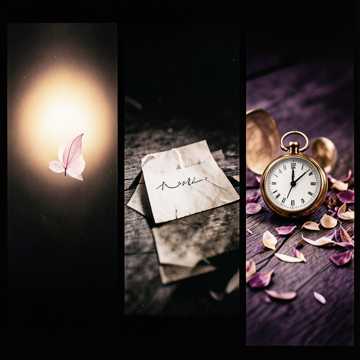
なまえは サヨコ
名前を取り違え続ける男と、秘密を知る女の掛け合いが、恋と家族の入り組んだ関係を滑稽かつ切なく描く。毎分72拍の穏やかな短調、温かなサックスと弦が、最後に残る「覚えていて」という願いを引き立てる。昭和歌謡の鑑賞会や、物語性のあるデュエットを楽しむ夜に似合う一曲。
04:15
2 days ago
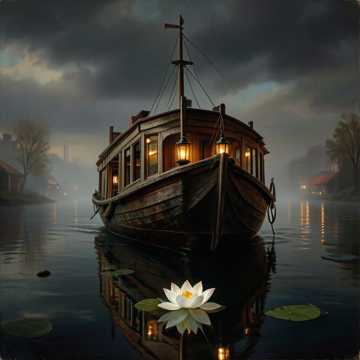
川面の白い花びら
川霧の町で結ばれた二人の愛が、言葉と心の隔たりによって静かに終わっていく。市場の灯り、異国の弦、川面を流れる白い花びらが、別れの運命と残された哀しみを象徴する。
03:19
Invalid date
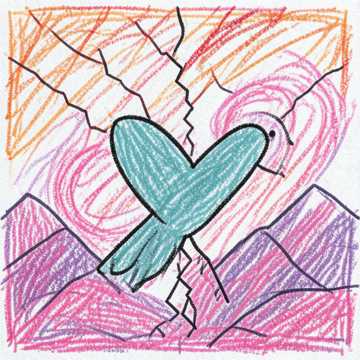
天若有情
歌曲描寫一段離散後仍無法忘懷的感情。主角面對緣份隨風遠去,將思念寄託於天,盼逝去的愛仍能陪伴身邊;反覆副歌加深孤單、感謝與等待交織的情緒。
04:23
4 days ago
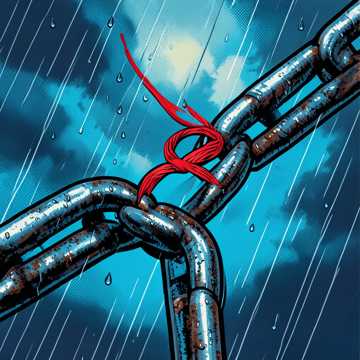
絕情緣
歌曲描寫一段受欺騙卻仍放袂落的感情,透過風雨、落雪、雲煙與斷線紅緣,呈現癡情者反覆受傷、寒心輪迴,卻始終對愛無改變的悲情心境。
03:19
4 days ago
Introduction to Enka: The Traditional Japanese Music Genre
Enka is a popular genre of Japanese music that blends elements of traditional Japanese music with influences from Western music. It is characterized by its highly emotional and melodramatic singing style, often revolving around themes of love, longing, loss, and nostalgia. The genre traces its roots back to the Meiji period (1868–1912), evolving from earlier forms of Japanese folk music and the influence of Western music in the early 20th century. Enka was particularly popular during the post-World War II era, reaching its peak in the 1960s and 1970s, and continues to be enjoyed by audiences in Japan and abroad.
Sub-tags and Classifications of Enka Music
Shamisen Enka
Shamisen Enka is a subgenre of Enka that incorporates the shamisen, a traditional three-stringed Japanese instrument. This style of Enka highlights the deep emotional expression and rhythmic patterns of the shamisen, which adds a distinctive flavor to the music. Often, these songs emphasize themes of sorrow or hardship, with the shamisen's resonating tones enhancing the melancholic mood.
Modern Enka
Modern Enka refers to the more contemporary interpretations of the Enka genre, blending traditional elements with modern instruments and production techniques. In this subgenre, electric guitars, synthesizers, and orchestral arrangements are often used, making it more accessible to a younger audience while maintaining the emotional depth of traditional Enka.
Ballad Enka
Ballad Enka is a slower, more reflective subgenre that emphasizes deep emotional resonance, often dealing with themes of heartache, broken relationships, and the passage of time. These songs typically feature slower tempos and poignant lyrics that resonate with the listeners' emotions.
Enka Pop
Enka Pop blends traditional Enka music with pop music elements. This subgenre began to emerge in the 1980s and 1990s, and it attracts a younger, more diverse audience. Enka Pop often incorporates catchy pop melodies, upbeat rhythms, and elements of dance music while still maintaining the heartfelt and emotional themes of traditional Enka.
Famous Artists and Iconic Works in Enka Music
Hibari Misora
Hibari Misora is widely regarded as the 'Queen of Enka.' She was a pioneering figure in the genre and is known for her emotionally powerful voice and her iconic songs like 'Kawa no Nagare no Yō ni' ('Like the Flow of the River'). Her contribution to Enka shaped the genre in its post-war years, and her timeless music continues to be revered in Japan.
Kawa no Nagare no Yō ni
'Kawa no Nagare no Yō ni,' performed by Hibari Misora, is one of the most iconic Enka songs of all time. Released in 1955, the song evokes deep feelings of nostalgia and sorrow, using the metaphor of a river flowing endlessly to represent life's passing and inevitable separation. The song's lyrical simplicity and the emotional depth of Misora's performance make it a timeless classic in the Enka genre.
Takahashi Yuji
Takahashi Yuji is one of the most successful and influential Enka singers of the modern era. His career began in the 1970s, and he has released numerous chart-topping hits, such as 'Ame no Furu Yoru' ('A Night of Rain'). His unique vocal delivery and modern approach to Enka have made him a beloved figure in the genre.
Ame no Furu Yoru
'Ame no Furu Yoru,' performed by Takahashi Yuji, is another legendary Enka song that showcases the fusion of traditional Japanese melodies with modern production. The song's lyrics describe the loneliness and longing of an individual on a rainy night, while the orchestral arrangement enhances the somber mood. The powerful, evocative delivery by Takahashi Yuji solidified this song as a classic in the Enka genre.
Kitajima Saburō
Kitajima Saburō is an iconic Enka artist whose career spans decades. Known for his powerful, deeply resonant voice, he has influenced generations of Enka singers. Some of his most famous songs include 'Yoake no Scat' ('Dawn's Scat') and 'Itteta Kirei na Hito.' He is particularly celebrated for his ability to express deep emotional intensity in his performances.
Application Scenarios for Enka Music
Enka music has been widely used in Japanese films to evoke deep emotional reactions, particularly in dramas and period pieces. The genre's ability to convey sorrow, nostalgia, and longing makes it ideal for film soundtracks that explore themes of love, loss, and family. For example, in films like 'Orochi' (1951), Enka songs help heighten the emotional impact of key scenes.
Movie Soundtracks
Enka is often used in Japanese advertisements to evoke a sense of traditional values and nostalgia. The genre's emotional resonance is effective in conveying messages related to home, family, and heritage. For instance, Enka music has been used in ads for products like cosmetics and food, where it enhances the sense of authenticity and emotional appeal.
Advertising Music
Enka's expressive qualities are also utilized in video games, particularly in titles set in historical or fantasy contexts. The emotional depth and dramatic tone of Enka music make it a fitting choice for video games that aim to immerse players in stories of struggle, love, or heroism. In games like 'Yakuza,' Enka songs underscore the complex narratives and character developments.
Video Game Background Music