
Free Honky Tonk Piano Music Generator Powered by AI
Turn text into high-quality Honky Tonk Piano music effortlessly – no login required!

music.toolTips
Rather Be in Hell
A fed-up narrator trades a turbulent relationship for the open Texas road, turning domestic grievances into devilishly funny farewell lines. A medium-up two-step shuffle, twangy guitar, and pedal steel balance his resentment with roadhouse exuberance, making the song a natural fit for honky-tonks and breakup playlists.
03:28
2 days ago
Шуша
Динамичная комедийная песня о Шуше — пушистом, любопытном и совершенно неугомонном создании. Он скачет по квартире, прячется, исследует каждый шорох и снова затевает проказы. Буги-вуги, рокабилли и театральная подача превращают его приключения в яркий музыкальный спектакль.
03:18
3 days ago

LOVE
After losing her loved one, a grieving woman follows his dreamtime advice to step back into life. Through red lipstick, two-step dancing, and a new romantic chance, she transforms sorrow into celebration while carrying his love forward with faith, courage, and renewed joy.
03:18
3 days ago
A Girl called Yesterday
At her ninetieth birthday, sharp-tongued Miss May punctures a children's choir's sentimental celebration. Music-hall bounce, nursery-rhyme refrains and escalating interruptions balance affectionate comedy with resistance to idealized memories. Scored for warm, four-track-style production, its theatrical exchanges suit character-driven cabaret and irreverent birthday entertainment rather than conventional children's programming.
04:00
4 days ago
Juke Joint Jump
A fast, playful instrumental rockabilly number built on a simple repeating groove. Bouncy upright bass, clipped guitar, bright piano accents, swinging drums, and twangy fills create the atmosphere of a lively1950s juke joint dance floor.
02:07
5 days ago
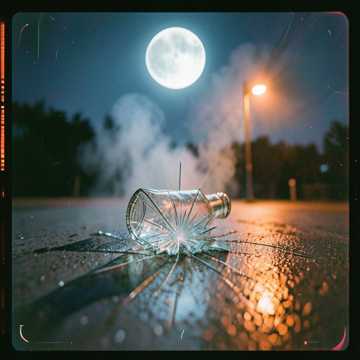
Broken Bottle Moon
Una pieza de blues-soul pausada y envolvente, construida sobre un balanceo de12/8, bajo cálido y batería con escobillas. El piano y la guitarra aportan destellos melancólicos; los coros amplios contrastan con la cercanía de la interpretación, evocando una noche de bar cargada de sentimiento.
02:59
6 days ago
Introduction to Honky Tonk Piano: Definition and History
Honky Tonk Piano is a distinctive style of piano music characterized by a raucous, lively sound that became popular in the United States during the early 20th century. The term 'Honky Tonk' originally referred to bars or saloons where this style of music was often played, typically on a piano that was slightly out of tune, adding to its unique, jangly sound. The origins of Honky Tonk Piano can be traced back to the Southern United States, where it evolved from ragtime and blues, blending these genres with the rowdy atmosphere of the honky tonk bars. Over time, it became a key element in the development of country music, particularly in the 1940s and 1950s, contributing to the genre’s lively and rebellious image.
Sub-tags and Classifications of Honky Tonk Piano
Western Swing Piano
Western Swing Piano is a sub-genre of Honky Tonk Piano that emerged in the 1930s and 1940s as part of the Western Swing movement. This style combines elements of jazz, blues, and country, with a strong emphasis on danceable rhythms. The piano plays a crucial role in driving the upbeat tempo, often accompanied by fiddles and steel guitars. Western Swing Piano is known for its improvisational flair and rhythmic drive, making it a staple in honky tonk and dance halls across the Southwestern United States.
Boogie-Woogie Honky Tonk
Boogie-Woogie Honky Tonk is a sub-style that infuses the traditional honky tonk sound with the energetic, rolling bass lines and repetitive chord progressions of boogie-woogie. Originating from the African American blues tradition, this style gained popularity in the honky tonk bars of the 1940s. The fast-paced, percussive nature of Boogie-Woogie Honky Tonk made it a favorite for dancing, and it has influenced numerous rock 'n' roll and rhythm and blues musicians.
Honky Tonk Ballad Piano
Honky Tonk Ballad Piano is a softer, more melodic variation of the honky tonk style, often used in slower, sentimental country ballads. This style typically features a smoother piano sound, with more focus on melody and emotional expression rather than the raw, percussive energy of traditional honky tonk. It became popular in the 1950s and 1960s, particularly in the Nashville sound, where it was used to add a touch of nostalgia and heartache to country music.
Famous Artists and Works in Honky Tonk Piano
Ernest Tubb
Ernest Tubb, known as the 'Texas Troubadour,' was a pioneering artist in the honky tonk genre. His hit song 'Walking the Floor Over You' (1941) is one of the earliest examples of honky tonk piano in country music. Tubb's band often featured a piano player, adding a rhythmic, driving force to his music that became synonymous with the honky tonk sound.
Walking the Floor Over You by Ernest Tubb
This classic honky tonk song, released in 1941, is often credited with helping to establish the honky tonk genre in country music. The song's straightforward, yet catchy piano accompaniment complements Tubb's distinctive vocals, creating a sound that was both raw and relatable. The song's success paved the way for the honky tonk piano to become a staple in country music.
Moon Mullican
Moon Mullican, often referred to as the 'King of the Hillbilly Piano Players,' was a major influence in the development of Honky Tonk Piano. His energetic piano style blended country, blues, and Western Swing, paving the way for rockabilly and early rock 'n' roll. Hits like 'I'll Sail My Ship Alone' and 'Cherokee Boogie' showcase his mastery of the honky tonk piano sound.
I'll Sail My Ship Alone by Moon Mullican
Released in 1948, 'I'll Sail My Ship Alone' is a quintessential honky tonk piano track that showcases Moon Mullican's unique blend of country, blues, and swing influences. The song's driving piano rhythm, coupled with Mullican's soulful vocals, made it a hit and solidified his reputation as a leading figure in honky tonk music.
Jerry Lee Lewis
Jerry Lee Lewis, nicknamed 'The Killer,' is one of the most iconic figures associated with Honky Tonk Piano. Though primarily known for his rock 'n' roll hits, Lewis's piano style was deeply rooted in the honky tonk tradition. Songs like 'Whole Lotta Shakin' Goin' On' and 'Great Balls of Fire' highlight his wild, energetic piano playing, which became a defining feature of his legendary performances.
Great Balls of Fire by Jerry Lee Lewis
While not a traditional honky tonk song, 'Great Balls of Fire,' released in 1957, exemplifies the influence of honky tonk piano on rock 'n' roll. Jerry Lee Lewis's frenetic piano playing, with its pounding rhythms and flamboyant style, is a direct descendant of the honky tonk tradition. The song's explosive energy and memorable piano riffs have made it an enduring classic.
Application Scenarios for Honky Tonk Piano Music
Honky Tonk Piano music is often used in movie soundtracks to evoke a sense of nostalgia, Americana, or the gritty atmosphere of a rural bar or saloon. For example, films set in the early to mid-20th century American South might use honky tonk piano to underscore scenes in small-town bars or dance halls, enhancing the period feel and setting the tone for the narrative.
Movie Soundtracks
In advertising, Honky Tonk Piano music is used to create a lively, upbeat atmosphere that resonates with themes of fun, rebellion, or the good old days. It is particularly effective in commercials for products that want to evoke a sense of Americana or appeal to a demographic that appreciates country or rockabilly music.
Advertising Music
Honky Tonk Piano music can also be used in video games, particularly those set in historical or rural American settings. It can enhance the gaming experience by providing an authentic soundtrack that complements the visual and narrative elements of the game. For instance, in a game that takes place in a Western saloon, honky tonk piano could be used to create an immersive environment.
Game Background Music