
Free Latin Chants Music Generator Powered by AI
Turn text into high-quality Latin Chants music effortlessly – no login required!

music.toolTips
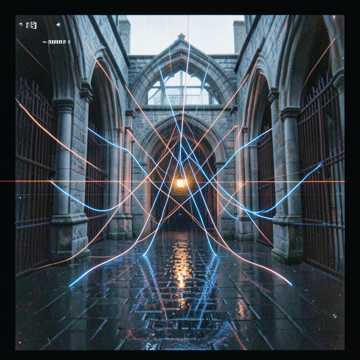
THE HIDDEN INQUISITION
A patient Moroccan sentinel controls the battlefield through cameras, wires, cages, and hidden intelligence. Blending medieval inquisition imagery with futuristic tactical combat, the song builds from ominous chants to a triumphant final chorus where every enemy is lured into an inescapable web.
07:35
6 days ago
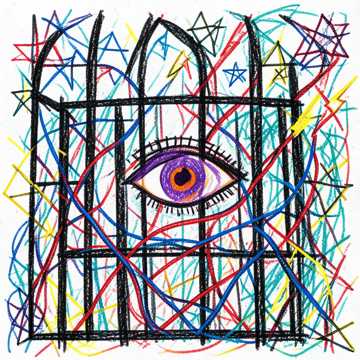
The Apostle of the Hidden Eye
A dark crusade unfolds through cameras, trapwires, cages, and stolen intelligence. Cypher controls the battlefield from the shadows, transforming tactical patience into divine judgment as choirs, marching rhythms, and soaring metal melodies celebrate an inescapable web of death.
07:32
6 days ago
Latin Chants: Definition, Origins, and Historical Development
Latin Chants are vocal musical compositions that use Latin sacred texts, especially texts associated with Christian worship, prayer, scripture, and the medieval Roman Catholic liturgy. The term most commonly refers to Gregorian chant, but it can also include other Latin-language chant traditions, medieval sacred songs, Renaissance plainsong settings, monastic recitation, and modern compositions inspired by the sound of ecclesiastical Latin. Latin Chants are usually characterized by a single melodic line, free or speech-like rhythm, limited instrumental accompaniment, modal harmony, and a strong connection between musical phrasing and the meaning of the text. Unlike much modern music, Latin Chants are generally designed to support meditation, ritual, and communal worship rather than to emphasize a fixed beat or dramatic verse-chorus structure. The origins of Latin Chants can be traced to the early Christian communities of Late Antiquity. Christian worship inherited elements from Jewish psalmody, early Syrian and Byzantine hymn traditions, and the spoken cadence of scripture. As Christianity spread throughout Europe, regional Latin chant traditions developed in Rome, Milan, Gaul, Spain, and other cultural centers. Between the eighth and tenth centuries, Roman chant was gradually standardized and associated with Pope Gregory I, although the historical role of Gregory in personally creating the repertory is largely legendary. The resulting tradition became known as Gregorian chant. During the medieval period, monasteries and cathedrals preserved Latin Chants through oral transmission and, later, through written musical notation. Early neumatic notation recorded melodic gestures above the text, while the development of the staff and solmization made melodies easier to preserve and teach. Latin Chants served many parts of the liturgical day, including Mass, the Divine Office, processions, funerals, feast days, and devotional services. Over time, composers expanded the plainchant repertory through tropes, sequences, organum, and polyphonic settings. These developments helped lead to the larger tradition of medieval and Renaissance sacred music. The nineteenth- and twentieth-century revival of Gregorian chant, particularly through the Solesmes school in France, renewed interest in historical performance practice. Today, Latin Chants appear in Catholic worship, academic recordings, film soundtracks, meditation playlists, video games, ceremonial music, and contemporary neoclassical productions. The enduring appeal of Latin Chants comes from their spacious phrasing, restrained emotional power, modal color, and ability to create an atmosphere of antiquity, reverence, mystery, and contemplation.
Latin Chants Sub-Tags and Classifications
Gregorian Chant
Gregorian chant is the best-known category of Latin Chants. It developed from the medieval Roman liturgical repertory and was used for the Mass and Divine Office. Gregorian chant is normally monophonic, meaning that all singers perform the same melodic line, although the melody may be sung by a soloist and answered by a choir. Its rhythm follows the natural accents of the Latin text rather than a regular meter. Important forms include antiphons, graduals, alleluias, tracts, offertories, hymns, and responsories. Gregorian chant is often identified by its church modes, flowing melodic contours, and calm, non-dramatic vocal delivery.
Ambrosian Chant
Ambrosian chant is the Latin chant tradition associated with Milan and the liturgy of Saint Ambrose. It differs from Gregorian chant in melodic formulas, liturgical organization, and regional performance style. Ambrosian repertory includes distinctive antiphons, hymns, psalmody, and processional music. This classification is valuable for listeners interested in the diversity of early Western Latin Chants, because it demonstrates that medieval Latin worship was not based on a single uniform musical system.
Mozarabic or Old Hispanic Chant
Mozarabic chant, also called Old Hispanic chant, originated in the Iberian Peninsula and was connected with the pre-Roman or Hispanic liturgy. Much of its original repertory is difficult to reconstruct because the surviving notation often does not specify exact pitches. The music is known for elaborate textual treatment, distinctive melodic gestures, and a strong sense of ritual drama. Mozarabic Latin Chants provide an important link to the multicultural musical history of medieval Spain.
Gallican Chant
Gallican chant refers to the Latin chant traditions once practiced in parts of Gaul before the widespread adoption of the Roman rite. Although the repertory survives incompletely and often through later adaptations, scholars have identified Gallican influences in certain melodic formulas and liturgical practices. This sub-tag is relevant to historical research into how Latin Chants circulated and changed across medieval Europe.
Latin Hymns
Latin hymns are strophic sacred songs in Latin, often written with regular poetic meter and repeated melodic patterns. Unlike many free-flowing Gregorian chants, hymns may have a clearer rhythmic structure that reflects the verse form. Important examples include "Veni Creator Spiritus," "Pange Lingua," "Te Deum," and "Ave maris stella." Latin hymns have remained popular because their memorable melodies can be performed by congregations, choirs, or solo voices.
Mass Ordinary Chants
Mass Ordinary chants set the texts that recur in the Christian Mass: Kyrie, Gloria, Credo, Sanctus, and Agnus Dei. These Latin Chants range from simple syllabic settings to highly ornate melodies. The Kyrie often uses repeated Greek words within a Latin liturgical context, while the Gloria and Credo can involve long textual structures requiring careful musical pacing. Mass Ordinary chants are among the most frequently recorded and performed examples of Latin sacred music.
Mass Proper Chants
Mass Proper chants use texts that change according to the liturgical day or feast. The Introit, Gradual, Alleluia, Tract, Offertory, and Communion are examples of the Proper. These pieces often feature more specialized melodies and may be closely linked to the biblical theme of a particular celebration. Mass Proper Latin Chants are especially important for understanding how medieval music interacted with the church calendar.
Office Chant and Monastic Psalmody
Office chant accompanies the daily cycle of prayer known as the Divine Office or Liturgy of the Hours. It includes psalms, antiphons, responsories, lessons, and hymns performed at services such as Matins, Lauds, Vespers, and Compline. Monastic psalmody tends to emphasize repetition, balance, and sustained vocal resonance, making it a common source for contemplative and meditation-oriented Latin Chants.
Sequence and Liturgical Poetry
Sequences are medieval Latin sacred poems that developed from the extension of the Alleluia melisma. They often use paired lines, regular accents, and memorable melodic patterns. Famous examples include "Dies irae," "Victimae paschali laudes," and "Veni Sancte Spiritus." Sequences occupy an important position between plainchant and later sacred song because they combine theological poetry with clearly organized musical phrases.
Medieval Latin Polyphony
Medieval Latin polyphony expands a chant melody into multiple simultaneous vocal lines. Early organum placed a new voice above or below a pre-existing chant, while later composers developed increasingly independent counterpoint. Although polyphony is not always classified as chant in the narrowest sense, it is closely connected to Latin Chants because many medieval polyphonic works use Gregorian melodies and Latin liturgical texts.
Renaissance Latin Sacred Choral Music
Renaissance sacred choral music includes Latin motets and Mass settings by composers such as Giovanni Pierluigi da Palestrina, Tomás Luis de Victoria, and Orlando di Lasso. These works often retain chant references while using imitative polyphony, carefully controlled dissonance, and balanced vocal textures. This sub-tag represents the transition from monophonic Latin Chants to richly layered choral writing.
Modern and Cinematic Latin Chant
Modern Latin Chant includes contemporary recordings, choral arrangements, ambient productions, and soundtrack pieces that use Latin text, chant-like melodies, modal harmony, or monastic vocal colors. Some works are historically faithful, while others are artistic reinterpretations. This category is frequently used in film, fantasy, horror, historical drama, meditation music, and game soundtracks to suggest spirituality, ancient ritual, mystery, or solemn grandeur.
Famous Artists, Ensembles, and Works Related to Latin Chants
Hildegard of Bingen
Hildegard of Bingen, a twelfth-century German abbess, composer, writer, and mystic, created some of the most distinctive surviving Latin sacred music of the Middle Ages. Her compositions, including the musical drama "Ordo Virtutum" and the chant cycle "Symphonia armonie celestium revelationum," use unusually wide vocal ranges, expressive melismas, and vivid melodic imagery. Hildegard expanded the expressive possibilities of Latin Chants while maintaining their devotional purpose.
Dies Irae
"Dies irae" is a medieval Latin sequence traditionally associated with the Requiem Mass. Its text describes the Day of Judgment through stark images of divine authority, fear, accountability, and hope for mercy. The melody uses memorable repeated phrases and a strong accentual structure, making it unusually recognizable among Latin Chants. It later influenced Romantic composers, opera, film music, and horror scoring, where its descending and solemn musical profile became a symbol of death and supernatural judgment.
Pérotin
Pérotin was a major composer associated with the Notre Dame school of Paris around the turn of the thirteenth century. His Latin sacred works, including "Viderunt omnes" and "Sederunt principes," transformed chant-based material into monumental polyphony. By organizing multiple vocal lines above a sustained chant foundation, Pérotin helped establish the large-scale architectural style of medieval European music.
Gregorian Chant: The Kyrie
The Gregorian Kyrie is part of the Mass Ordinary and uses the repeated Greek text "Kyrie eleison" and "Christe eleison." Its compact text allows the melody to focus on repetition, ornamentation, and gradual intensification. Depending on the setting, the Kyrie may be simple and syllabic or highly melismatic, with long vocal passages on a single syllable. It demonstrates how Latin liturgical performance can create emotional depth through melodic variation rather than harmonic progression.
Giovanni Pierluigi da Palestrina
Palestrina was a leading sixteenth-century composer of Latin sacred polyphony. His Masses and motets, including the widely known "Missa Papae Marcelli," are associated with clear textual projection, smooth vocal lines, and carefully balanced counterpoint. Palestrina did not write plainchant in the narrow sense, but his music represents an important development of the Latin sacred tradition and frequently engages with chant melodies.
Pange Lingua
"Pange Lingua" is a Latin hymn traditionally attributed to Venantius Fortunatus and strongly associated with later liturgical use, including the Feast of Corpus Christi in the setting by Thomas Aquinas. Its strophic form gives the hymn a clear, repeatable structure, while the melody supports communal singing and ceremonial procession. The work has been arranged for plainchant, organ, choir, and modern sacred ensembles, making it a durable example of Latin Chant adaptation.
Tomás Luis de Victoria
Tomás Luis de Victoria was a Spanish Renaissance composer and priest whose Latin sacred music is known for intense spirituality and refined choral sonority. Works such as "Officium Defunctorum" and "Ave Maria" combine transparent polyphonic writing with dramatic harmonic emphasis. His music demonstrates how Latin liturgical texts could be given emotional depth without abandoning the contemplative character of earlier chant traditions.
Veni Creator Spiritus
"Veni Creator Spiritus" is a Latin hymn traditionally attributed to Rabanus Maurus. Its direct melodic design and regular strophic structure make it suitable for congregational singing, ordinations, coronations, church dedications, and other solemn ceremonies. The chant creates a sense of invocation through repeated phrases and a rising spiritual emphasis. Its historical use demonstrates the connection between Latin Chants, public ritual, and institutional ceremony.
Allegri
Gregorio Allegri is best known for "Miserere," a Latin setting of Psalm51 traditionally associated with Holy Week services in the Sistine Chapel. The work combines a simple, chant-like psalm recitation with more elaborate choral responses and soaring upper lines. Allegri's music became an iconic representation of sacred Latin sound, especially through later performance traditions and arrangements.
Salve Regina
"Salve Regina" is a Marian antiphon addressed to the Virgin Mary. The chant is lyrical and prayerful, with phrases that naturally follow the emotional progression of supplication, grief, hope, and consolation. It has been performed in monastic settings, processions, and evening devotion. Numerous later composers created polyphonic and instrumental versions, but the plainchant form remains valued for its intimate melodic line and clear Latin diction.
The Solesmes Congregation and Schola
The Benedictine monks of Solesmes played a major role in the modern revival and scholarly presentation of Gregorian chant. Their editions, recordings, and research sought to reconstruct the rhythmic and melodic characteristics of medieval manuscripts. The Solesmes approach helped make Gregorian Latin Chants accessible to modern choirs, listeners, and researchers around the world.
Hildegard of Bingen: Ordo Virtutum
"Ordo Virtutum" is a Latin musical drama in which personified virtues confront the Devil and guide a human soul toward spiritual restoration. It is one of the earliest surviving morality plays with substantial music. Hildegard's writing features expansive melodic leaps, high vocal registers, and highly individualized phrases that differ from the more restrained formulas of standard Gregorian repertory. The work is innovative because it combines liturgical vocal color with dramatic characterization and theatrical structure.
Ensemble Organum
Founded by Marcel Pérès, Ensemble Organum has explored early Western sacred traditions, including Gregorian, Old Roman, Mozarabic, and other medieval Latin repertories. The ensemble is known for historically informed research, attention to regional traditions, and a willingness to question standardized modern interpretations. Its recordings highlight the variety of vocal colors and ritual practices within Latin Chants.
Pérotin: Viderunt omnes
"Viderunt omnes" is a monumental four-voice organum based on a Latin Gradual for the Christmas liturgy. A sustained tenor voice carries extended chant notes while the upper voices move in measured rhythmic patterns above it. The result creates a spacious yet highly organized sound architecture. This work illustrates how medieval composers transformed a single Latin Chant into an elaborate polyphonic structure without losing its liturgical foundation.
The Tallis Scholars
The Tallis Scholars are a prominent modern vocal ensemble specializing in Renaissance polyphony. Their performances of Latin sacred works by Palestrina, Josquin des Prez, Victoria, and others emphasize purity of blend, clarity of counterpoint, and detailed control of dissonance. While their repertory extends beyond chant, their recordings demonstrate the historical development from Latin Chants into sophisticated choral polyphony.
Gregorio Allegri: Miserere
"Miserere" sets Psalm51, a text of penitence and a plea for divine mercy. The work is traditionally linked with Holy Week performance in the Sistine Chapel and is often presented through alternating sections of plainchant-like recitation and polyphonic choral writing. Its combination of simplicity, resonance, and carefully placed high vocal lines created an aura of mystery. Later editions and performance practices have varied considerably, making the work an important example of how Latin sacred music evolves through oral and written transmission.
Anonymous Medieval Chant Traditions
A large portion of the Latin Chant repertory was created by anonymous monks, clerics, cantors, and local musical communities. These unnamed contributors preserved and developed thousands of melodies for the Mass, Divine Office, feast days, and processions. Their collective work is central to the history of Latin Chants and illustrates that the tradition was shaped by communities as much as by individually identified composers.
Tomás Luis de Victoria: Officium Defunctorum
Victoria's "Officium Defunctorum," or Office of the Dead, is a major late Renaissance setting of Latin funeral texts. The music uses restrained polyphony, transparent textures, and expressive suspensions to evoke mourning without excessive theatricality. Its relationship to the Requiem tradition shows how the spiritual atmosphere of Latin Chants could be expanded through imitation, harmonic color, and carefully shaped choral phrases.
Latin Chants in Film, Advertising, Games, and Other Applications
Latin Chants are highly effective in films set in monasteries, cathedrals, medieval courts, ancient Rome, or religious communities. A plainchant choir can establish historical setting immediately, while a low male schola can suggest monastic discipline and spiritual gravity. Filmmakers may use authentic Gregorian repertory for realism or newly composed Latin Chant-inspired music when a more dramatic, cinematic arc is needed.
Historical and Medieval Film Soundtracks
The resonance of Latin vowels, sustained choral notes, and minor or modal melodic colors makes Latin Chants a common choice for horror and supernatural scenes. Chant can accompany exorcism sequences, secret rituals, abandoned churches, ancient manuscripts, or the discovery of hidden religious history. For responsible musical design, composers often distinguish between authentic sacred chant and fictional chant-inspired writing, using the latter when the scene requires an invented ritual language or heightened dramatic effect.
Horror, Mystery, and Supernatural Cinema
Latin Chant textures can give fantasy films an ancient, ceremonial, or mythic atmosphere. A choir singing sustained modal phrases can accompany the arrival of an immortal kingdom, the opening of a magical temple, a coronation, or a confrontation with a cosmic force. Layering chant with orchestral percussion, strings, drones, and brass allows composers to preserve the vocal identity of Latin Chants while creating a large cinematic sound.
Fantasy and Epic Film
In video games, Latin Chants work particularly well in cathedral levels, gothic environments, ancient ruins, boss arenas, sacred temples, and narrative scenes involving prophecy or judgment. A loopable chant texture can provide atmosphere without competing with gameplay, while a more developed choral cue can mark a major story reveal. Game composers often combine Latin text with organ, orchestral drones, low percussion, and environmental reverb to create a sense of scale and place.
Video Game Background Music
Latin Chant-inspired music can make an advertisement sound premium, timeless, mysterious, or ceremonial. It may be used for luxury products, automobiles, fragrances, travel campaigns, fashion films, technology launches, and heritage brands. Short choral phrases, resonant male voices, or a single Latin invocation can function as an audio logo. Advertisers should verify licensing and avoid using sacred texts in ways that conflict with the intended audience or cultural context.
Advertising and Brand Identity
Slow Latin Chants are often used in meditation, yoga, sleep, and wellness recordings because their free rhythm and sustained vocal resonance encourage focused listening. Monastic psalmody, soft antiphons, and lightly reverberant choir recordings can create a calm environment. Contemporary producers may combine Latin Chants with drones, nature sounds, gentle synthesizers, or unobtrusive ambient textures while preserving the spaciousness of the original vocal style.
Meditation, Wellness, and Relaxation Music
Latin Chants remain suitable for Catholic Masses, prayer services, funerals, processions, Eucharistic adoration, weddings, ordinations, memorials, and other sacred occasions. Gregorian chants such as "Kyrie," "Agnus Dei," "Salve Regina," and "Veni Creator Spiritus" can support communal participation and mark important transitions in a ceremony. The choice of chant should reflect the liturgical calendar, local tradition, performers' ability, and the purpose of the service.
Religious Services and Sacred Ceremonies
Documentaries about medieval history, religious art, archaeology, manuscript culture, linguistics, and European music can use Latin Chants to connect viewers with the historical subject. Chant performed under narration can establish period and place, while isolated vocal phrases can emphasize manuscripts, ruins, or archival images. Authentic recordings are useful for historical documentaries, whereas carefully designed chant-inspired music may be more appropriate when the production needs a continuous modern underscore.
Documentaries and Educational Media
Latin Chants can support stage productions and gallery installations focused on memory, ritual, mortality, spirituality, or cultural heritage. Their gradual pacing allows performers to move slowly and deliberately, while the spatial resonance of a choir can interact with architecture. Multichannel playback, live singers positioned around an audience, and layered recordings can reinterpret the traditional communal character of Latin Chants for contemporary performance.
Theater, Dance, and Installation Art
A short Latin Chant motif can create immediate impact in a film trailer, television opening, game reveal, or documentary title sequence. Producers may begin with an unaccompanied choir and then introduce percussion, strings, or electronic sound design to build tension. The contrast between ancient-sounding voices and modern production is especially effective for themes involving power, destiny, war, religion, hidden knowledge, or supernatural transformation.
Trailers, Intros, and Dramatic Promotional Content