
Free Maharashtrian Music Generator Powered by AI
Turn text into high-quality Maharashtrian music effortlessly – no login required!

music.toolTips
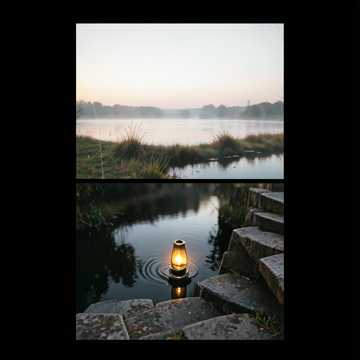
विठ्ठल माझा श्वास
हे भक्तिगीत विठ्ठलावरील अखंड श्रद्धा, नामस्मरण आणि पंढरीच्या वारीची ओढ व्यक्त करते. सुखदुःखात विठ्ठलच आधार आहे, या भावनेतून भक्ताचे आत्मसमर्पण, अंतःशांती आणि जन्मोजन्मीच्या भक्तीची आकांक्षा संथ, भावपूर्ण स्वरांमध्ये उलगडते.
06:27
1 days ago
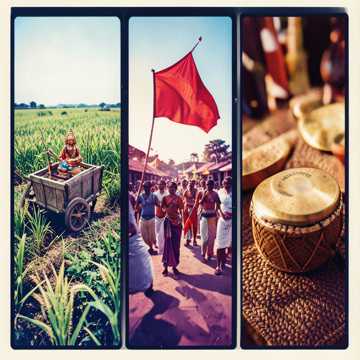
नाम तुझे घेता सुख मिळे विठ्ठला
हे भक्तिगीत विठ्ठलाच्या नामस्मरणातून मिळणारे अंतःसुख, पंढरीची वारी, निसर्गातील ईश्वरदर्शन आणि माणुसकीची सेवा यांचे भावपूर्ण चित्र रंगवते. मंद सुरुवातीपासून टाळ-मृदंगाच्या उत्साही लयीत ते वाढत जाते आणि सामूहिक विठ्ठल नामगजरात आध्यात्मिक आनंदाचा उत्कर्ष साधते.
07:01
1 days ago
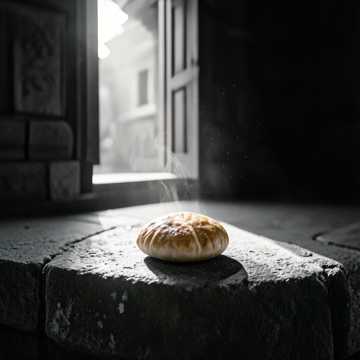
धावून ये रे माझ्या गणराया
हे भक्तिगीत गणरायाला संकटांत आधार, घरात सुख आणि जीवनात प्रकाश घेऊन येण्याची आर्त विनंती करते. शांत भक्तिभावापासून भव्य ढोल-ताशांच्या उत्सवापर्यंत आणि विसर्जनाच्या विरहापर्यंत, गीत भक्ती, कुटुंबप्रेम, सामाजिक मंगलभावना आणि गणेशोत्सवाची ऊर्जा व्यक्त करते.
05:39
4 days ago
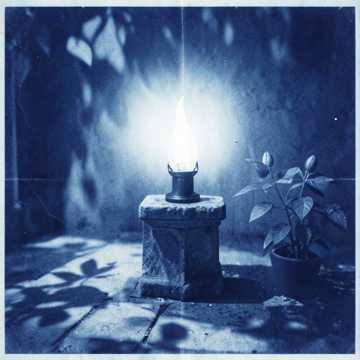
देवा, माझ्या घरात तुझा दिवा तेवत राहू दे
हे भावपूर्ण विठ्ठलभजन घरात भक्तीचा दिवा सदैव तेवत राहावा, कुटुंबात प्रेम-शांती नांदावी आणि प्रत्येक जीवात पांडुरंगाचे दर्शन घडावे, अशी साधी, निर्मळ आणि माणुसकीने ओतप्रोत प्रार्थना मांडते.
07:21
6 days ago
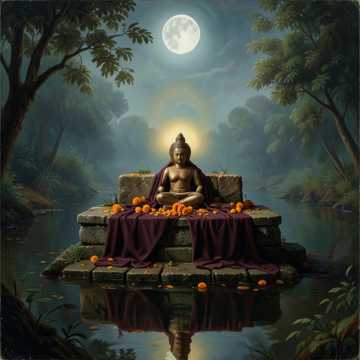
पंढरीच्या वाटेवर माझं मन हरवलं
हे भजन संसारातील दुःख, भीती आणि एकाकीपणातून विठ्ठलाच्या चरणी मिळणाऱ्या आधाराचा भावस्पर्शी प्रवास मांडते. पंढरीची वारी, चंद्रभागा, वारकऱ्यांचा गजर आणि माऊलीवरील समर्पण यांमधून भक्ती, क्षमा, प्रेम आणि अंतिम शरणागतीची अनुभूती उलगडते.
06:21
6 days ago
Maharashtrian Music: Definition, Cultural Meaning, and History
Maharashtrian music refers to the diverse musical traditions associated with Maharashtra, a state in western India. It includes Marathi devotional music, folk songs, classical and semi-classical forms, theatre music, film music, ceremonial music, and contemporary compositions influenced by regional languages and customs. Maharashtrian music is closely connected with Marathi literature, the devotional traditions of the Varkari movement, rural festivals, community celebrations, working communities, and the history of the Maratha region. Its sound may include instruments such as the dholki, dhol, tuntuna, lezim, halgi, pakhawaj, harmonium, tabla, tanpura, flute, and traditional cymbals called tal or chiplya. The history of Maharashtrian music developed through several overlapping cultural streams. Medieval Marathi devotional poetry created by saints such as Dnyaneshwar, Namdev, Eknath, and Tukaram helped establish abhang singing as one of the most influential forms of Marathi devotional expression. These compositions were traditionally performed during pilgrimages, especially the Wari pilgrimage to Pandharpur, and remain central to Maharashtrian spiritual culture. During the Maratha period, heroic ballads known as powada developed as a form of public storytelling that celebrated historical figures, battles, social ideals, and regional identity. In the eighteenth and nineteenth centuries, lavani became a prominent performance tradition, combining rhythmic poetry, expressive singing, dance, and dholki accompaniment. The growth of Marathi theatre in the late nineteenth and early twentieth centuries gave rise to natya sangeet, a sophisticated style that blended Hindustani classical ideas with dramatic storytelling. The twentieth century also saw the expansion of Marathi cinema, radio, recorded music, bhavageet, and popular devotional recordings. Today, Maharashtrian music includes both traditional forms and modern fusions that combine Marathi lyrics with electronic production, rock, hip-hop, orchestral arrangements, and global world-music influences. This combination of historical continuity and adaptation gives Maharashtrian music a distinctive regional identity while allowing it to reach audiences beyond Maharashtra.
Maharashtrian Music Sub-tags and Classifications
Marathi Devotional Music and Abhang
Marathi devotional music includes abhang, bhajan, kirtan, and other spiritual forms connected with the worship of Vithoba, Shiva, Ganesha, Devi, and other deities. Abhangs are usually devotional poems written in Marathi and are strongly associated with the Varkari tradition and the pilgrimage to Pandharpur. Their melodies are often direct, memorable, and suitable for group singing, while the lyrics emphasize humility, devotion, ethical conduct, and a personal relationship with the divine. This sub-tag of Maharashtrian music is frequently performed with harmonium, tabla, pakhawaj, tal, and hand cymbals.
Lavani
Lavani is one of the best-known forms of Maharashtrian folk music. It is traditionally performed with energetic dholki rhythms, expressive vocals, dance movements, and poetic lyrics. Lavani may address love, social relationships, satire, politics, heroism, or everyday life. Shringarik lavani focuses on romance and sensual expression, while devotional and social varieties explore faith, morality, and public concerns. The form is closely associated with tamasha theatre and is recognized for its strong rhythmic momentum, dramatic delivery, vivid Marathi language, and direct connection with audiences.
Powada
Powada is a heroic ballad tradition in Maharashtrian music. A lead singer, often called a shahiri performer or powadekar, narrates stories of historical personalities, battles, sacrifice, courage, and social struggle. Powada performances commonly use forceful vocal projection, repeated refrains, dhol or daf accompaniment, and dramatic narrative pacing. The tradition played an important role in preserving collective memory and celebrating figures such as Chhatrapati Shivaji Maharaj and other leaders connected with Maharashtra's history.
Natya Sangeet
Natya sangeet is the musical theatre tradition of Maharashtra, especially associated with Marathi sangeet natak. It combines dramatic acting with songs based on Hindustani classical, semi-classical, and regional melodic practices. Natya sangeet compositions often use raga-based structures, carefully shaped vocal lines, poetic Marathi lyrics, and recurring musical themes that support characters and dramatic situations. The form helped bring classical musical ideas to theatre audiences and influenced later Marathi cinema and popular singing styles.
Koli Geet and Coastal Folk Music
Koli geet is the folk music of the Koli fishing communities along Maharashtra's Konkan and coastal regions. These songs often describe the sea, boats, fishing, family life, festivals, romance, and the uncertainty of coastal work. Koli music is commonly built around lively rhythms, call-and-response singing, repetitive melodic phrases, and dance-friendly arrangements. Its accessible structure has made it popular in Marathi films, stage programs, cultural festivals, and contemporary folk-fusion recordings.
Gondhal and Ritual Music
Gondhal is a ritual performance tradition dedicated to regional deities and goddess worship. It combines sung narrative, percussion, invocation, storytelling, and ceremonial performance. Gondhal musicians may use instruments such as the sambal, tuntuna, and cymbals, creating a powerful rhythmic setting for religious occasions, household ceremonies, and community festivals. As a Maharashtrian music classification, gondhal reflects the close relationship between music, oral tradition, regional mythology, and ritual practice.
Bhavageet
Bhavageet, meaning song of emotion or feeling, is a Marathi light-music style that emphasizes lyrical expression, melody, and poetic interpretation. Bhavageet compositions commonly explore love, loneliness, nature, memory, spirituality, and everyday emotions. The arrangements may use harmonium, guitar, strings, flute, tabla, and light orchestration. This form became especially influential through radio, gramophone recordings, and Marathi poetry, helping establish an intimate and literary side of modern Maharashtrian music.
Marathi Film Music
Marathi film music brings together folk traditions, devotional melodies, theatre music, Hindustani classical techniques, orchestral writing, and contemporary popular production. Film composers frequently adapt lavani, powada, abhang, Koli rhythms, and bhavageet elements to support narrative, character, and setting. Marathi cinema has also expanded the audience for Maharashtrian music by presenting regional sounds in romantic songs, historical dramas, comedy films, social stories, and experimental productions.
Ganeshotsav and Festival Music
Festival music is an important part of Maharashtrian cultural life, particularly during Ganeshotsav, Navratri, Gudi Padwa, and local fairs. Ganesh devotional songs, dhol-tasha ensembles, lezim performances, aarti music, and procession rhythms create a communal musical environment. Modern festival arrangements may combine large percussion groups with brass instruments, electronic amplification, and recorded vocals. These sounds are strongly associated with public celebration, community identity, and the visual energy of Maharashtrian festivals.
Maharashtrian Classical and Semi-classical Music
Maharashtrian classical and semi-classical music is connected with the wider Hindustani tradition while retaining strong links to Marathi poetry, theatre, devotional singing, and regional performance practices. Singers from Maharashtra have contributed to khayal, thumri, natya sangeet, bhajan, and other vocal forms. This classification includes raga-based concert music as well as semi-classical compositions that use accessible melodies and expressive Marathi lyrics.
Contemporary Marathi Fusion and Independent Music
Contemporary Maharashtrian music includes independent Marathi pop, hip-hop, electronic fusion, rock, acoustic songwriting, and experimental productions. Modern artists may combine traditional dholki, lezim, powada, or abhang elements with synthesizers, sampled percussion, bass, rap, and cinematic sound design. These compositions often address urban life, regional identity, migration, social issues, and youth culture, demonstrating how Maharashtrian music continues to evolve in digital spaces.
Famous Maharashtrian Music Artists and Representative Works
Bhimsen Joshi
Bhimsen Joshi was one of India's most influential Hindustani classical vocalists and an important musical figure from Maharashtra. He was celebrated for his powerful khayal singing, deep command of raga, expansive improvisation, and emotionally intense voice. His recordings of devotional music, including Marathi abhangs, helped introduce Maharashtrian spiritual repertoire to listeners across India. His performances and recordings connected the rigorous discipline of Hindustani classical music with the direct emotional appeal of Marathi devotional song.
Geet Ramayan
Geet Ramayan is a landmark cycle of Marathi songs composed by Sudhir Phadke with lyrics by G. D. Madgulkar. The work narrates episodes from the Ramayana through a sequence of songs, giving each event a distinct emotional and dramatic character. Its innovation lies in combining literary storytelling with accessible melodic writing, devotional feeling, and varied musical moods. The songs are suitable for attentive listening, family singing, and cultural presentation, which helped make Geet Ramayan a lasting part of Maharashtrian musical culture.
Vasantrao Deshpande
Vasantrao Deshpande was a major vocalist in the Marathi natya sangeet and Hindustani classical traditions. He is particularly associated with the iconic Marathi musical drama Katyar Kaljat Ghusali, in which his singing and acting became defining examples of modern Marathi musical theatre. His contribution lies in his ability to combine classical raga knowledge, theatrical expression, precise diction, and dramatic characterization. He helped preserve natya sangeet while presenting it to modern audiences.
Katyar Kaljat Ghusali
Katyar Kaljat Ghusali is one of the most important works in Marathi musical theatre. Its narrative centers on rivalry, artistic excellence, musical tradition, and personal identity, with songs shaped by Hindustani classical concepts and theatrical requirements. The work is notable for integrating raga-based singing into dramatic structure rather than treating songs as separate entertainment. Performances associated with Vasantrao Deshpande helped establish the production as a defining example of natya sangeet and demonstrated the expressive possibilities of Marathi musical drama.
Bal Gandharva
Bal Gandharva, the stage name of Narayanrao Rajhans, was a pioneering Marathi theatre singer and actor. He became famous for his performances in early Marathi musical theatre, where his refined voice, expressive acting, and elegant presentation shaped the public image of natya sangeet. Songs associated with productions such as Sangeet Manapman and Sangeet Saubhadra remain important to the history of Maharashtrian music and Marathi theatre.
Sangeet Manapman
Sangeet Manapman is a classic Marathi sangeet natak associated with the development of modern natya sangeet. Its songs support themes of honor, pride, love, social position, and emotional conflict. The work helped define the convention of using memorable musical numbers to reveal character and advance the plot. Its blend of theatrical dialogue, poetic Marathi lyrics, and classical or semi-classical melodic writing made it influential in the history of Maharashtrian stage music.
Gajananrao Watwe
Gajananrao Watwe was a respected Marathi singer known for his contribution to bhavageet and light Marathi music. His interpretations emphasized clear pronunciation, emotional restraint, melodic beauty, and the expressive power of Marathi poetry. Through performances and recordings, he helped establish bhavageet as a significant category of modern Maharashtrian music.
Abhangs of Sant Tukaram
The abhangs of Sant Tukaram are among the most enduring works in Marathi devotional music. Their language is direct, poetic, and often conversational, addressing spiritual doubt, humility, social behavior, devotion, and the search for Vithoba. In performance, these compositions may be sung in temples, devotional gatherings, kirtans, processions, and concerts. Their repeated refrains and emotionally clear melodies make them effective for both individual reflection and communal singing, while their literary depth gives them lasting artistic value.
Sudhir Phadke
Sudhir Phadke was a renowned Marathi singer and composer whose work had a lasting influence on Marathi film music and devotional music. He is especially remembered for Geet Ramayan, a celebrated cycle of Marathi songs based on episodes from the Ramayana, with lyrics by G. D. Madgulkar. His compositions combined memorable melodies, carefully structured orchestration, literary Marathi lyrics, and accessible devotional storytelling.
Powada on Chhatrapati Shivaji Maharaj
Powadas celebrating Chhatrapati Shivaji Maharaj form a major body of Maharashtrian heroic music. These works use dramatic narration, emphatic rhythm, repeated phrases, and vivid descriptions of courage, strategy, loyalty, and historical struggle. The musical structure is designed for public performance, allowing the singer to build tension and encourage audience participation. Powada demonstrates how Maharashtrian music can preserve history through oral performance while also expressing regional pride and collective identity.
Asha Bhosle
Asha Bhosle made an important contribution to Marathi music through film songs, bhavageet, devotional recordings, and other Marathi-language projects. Her flexible vocal style allowed her to perform romantic melodies, folk-inspired songs, dramatic theatre compositions, and modern film arrangements. Her work helped bring Maharashtrian musical ideas to national and international audiences while demonstrating the adaptability of Marathi song forms.
Traditional Lavani Repertoire
Traditional lavani repertoire is characterized by fast or medium dholki patterns, strong rhythmic accents, compact melodic phrases, and expressive Marathi poetry. The singer's delivery often interacts closely with dance and gesture, creating a direct relationship between sound, movement, and audience response. Lavani's innovation lies in its ability to combine sophisticated poetic timing with immediate popular appeal. Its themes range from romance and satire to devotion and social commentary, making it one of the most adaptable forms of Maharashtrian folk music.
Lata Mangeshkar
Lata Mangeshkar was born in Indore to a Marathi family and was deeply connected with Marathi musical culture. She recorded many Marathi songs, devotional compositions, and film pieces, bringing exceptional pitch control, clarity, and emotional nuance to the repertoire. Her family background in Marathi theatre and music, together with her recordings in the Marathi language, made her an important figure in the broader history of Maharashtrian music.
Natarang Film Soundtrack
The soundtrack of Natarang brought lavani, folk theatre, and contemporary Marathi film production together on a large cinematic scale. Songs such as Wajle Ki Bara use powerful percussion, expressive vocals, dance-oriented rhythm, and dramatic orchestration to reflect the world of tamasha performance. The soundtrack helped introduce traditional Maharashtrian musical textures to younger listeners and showed how folk forms could be arranged for modern cinema without losing their regional character.
Sulochana Chavan
Sulochana Chavan was one of the most celebrated voices in Marathi lavani. Her singing was known for rhythmic accuracy, expressive delivery, strong Marathi diction, and the ability to communicate the dramatic and playful qualities of lavani poetry. Through film recordings and stage-related performances, she helped popularize lavani for wider audiences and became closely associated with the sound of Maharashtrian folk music.
Sairat Film Soundtrack
The Sairat soundtrack is a major example of modern Marathi film music that combines regional melodic identity with contemporary orchestration and production. Songs such as Yad Lagla and Zingaat present contrasting moods, from romantic longing to exuberant celebration. The soundtrack uses memorable hooks, carefully shaped vocal lines, layered percussion, and cinematic arrangements. Its broad popularity demonstrated that Maharashtrian music could achieve national reach while retaining Marathi lyrics and cultural references.
Shahir Sable
Shahir Sable was a prominent Marathi folk singer, powada performer, and cultural presenter. He helped bring traditional Maharashtrian folk forms to public stages, radio, television, and cultural events. His work popularized powada, regional folk songs, and patriotic Marathi compositions, while his performances strengthened public awareness of Maharashtra's historical narratives and oral traditions.
Ajay-Atul
The composer duo Ajay-Atul expanded the sound of contemporary Marathi film music through large orchestral arrangements, memorable melodies, folk-derived rhythms, and modern studio production. Their work on films such as Natarang and Sairat demonstrated how Maharashtrian musical elements could be presented with cinematic scale. The song Zingaat, for example, uses energetic percussion, repetitive hooks, and a celebratory structure that connects regional musical energy with mainstream popular culture.
Maharashtrian Music Application Scenarios
Maharashtrian music can support films set in Maharashtra or stories involving Marathi-speaking characters, rural communities, historical figures, festivals, and regional relationships. Lavani can energize a dance or stage-performance sequence, powada can accompany a historical montage, abhang can establish a devotional atmosphere, and Koli music can represent coastal life. Contemporary film composers can combine these forms with orchestral scoring, ambient sound design, and modern rhythm programming.
Marathi and Indian Film Soundtracks
Powada, dhol-tasha, pakhawaj, tuntuna, and traditional vocal styles are effective in historical films, television series, documentaries, and theatre productions about the Maratha period or Maharashtra's social history. A powada can introduce a warrior, summarize a battle, or express public sentiment, while ceremonial percussion can create scale and movement around processions, coronations, and community gatherings.
Historical and Period Drama
Maharashtrian music can give an advertising campaign a strong regional identity. Dhol-tasha rhythms may be used for festival promotions, retail launches, sports campaigns, or public celebrations. A short lavani-inspired hook can make a commercial memorable, while a gentle abhang or bhavageet-style arrangement can suit campaigns focused on family, heritage, trust, or community. Marathi lyrics and recognizable instruments help brands connect with audiences in Maharashtra.
Advertising and Brand Campaigns
Maharashtrian music can be used in games featuring historical Maharashtra, Indian mythology, village life, coastal exploration, or festival settings. Powada-inspired vocals can accompany battle stages, tanpura and pakhawaj textures can support temple or spiritual environments, and Koli rhythms can enhance coastal levels. Adaptive game audio can gradually add percussion, drones, and melodic layers as players move from exploration to action.
Video Games and Interactive Media
Abhang, powada, gondhal, and regional folk music can provide authentic sound for documentaries about Maharashtra's history, pilgrimage traditions, folk communities, literature, theatre, and festivals. Short excerpts can introduce historical periods or communities, while interviews with musicians can explain the relationship between music, language, ritual, occupation, and regional identity.
Documentaries and Cultural Education
Dhol-tasha ensembles, lezim rhythms, devotional songs, and traditional aarti music are widely suited to Ganeshotsav, Gudi Padwa, Navratri, cultural fairs, parades, and community gatherings. Live Maharashtrian music can establish a shared celebratory atmosphere and provide rhythmic energy for coordinated movement, dance, and procession performances.
Festivals, Processions, and Public Events
Natya sangeet, lavani, powada, and gondhal can be used in Marathi theatre, musical drama, dance productions, and cultural showcases. Natya sangeet supports character development and dramatic dialogue, lavani adds expressive choreography and rhythmic intensity, and powada provides narrative momentum. These forms are especially useful when a production needs music to carry both story and cultural context.
Theatre, Dance, and Stage Productions
Tourism videos and travel campaigns can use Koli music for coastal destinations, devotional music for pilgrimage routes, powada for forts and historical sites, and festive percussion for city and village celebrations. A carefully arranged Maharashtrian music bed can communicate place, history, landscape, and local identity more effectively than a generic instrumental track.
Travel, Tourism, and Destination Content
Short Maharashtrian music cues can introduce Marathi podcasts, regional news programs, cooking channels, history videos, cultural interviews, and online documentaries. Bhavageet-style melodies work well for reflective storytelling, while dholki, lezim, or dhol-tasha patterns can create lively openings for entertainment and festival content.
Podcasts, Radio, and Online Video
Producers can sample or reinterpret abhang melodies, lavani rhythms, powada vocal phrases, Koli refrains, and festival percussion in modern Marathi pop, rap, electronic, and rock. This approach can preserve recognizable Maharashtrian musical references while creating tracks for streaming platforms, live concerts, social media campaigns, and youth-oriented cultural projects.
Contemporary Pop, Hip-hop, and Fusion Production
Instrumental arrangements based on Maharashtrian folk melodies can create a regional atmosphere in restaurants, museums, heritage hotels, cultural centers, and public exhibitions. Soft flute, harmonium, tanpura, acoustic strings, and restrained percussion may provide ambience, while more energetic lavani or festival arrangements can be reserved for themed events and live performances.
Background Music for Restaurants and Cultural Venues