
Free Medieval Era Music Generator Powered by AI
Turn text into high-quality Medieval Era music effortlessly – no login required!

music.toolTips
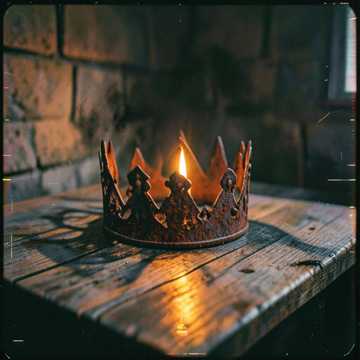
Сара
Песента разказва за цар Иван Александър и любовта му към Сара, превърната в Теодора. На фона на дворцови скандали, религиозно напрежение и зловещи знамения се раждат деца, свързани с бъдещата съдба и падението на България.
06:30
2 minutes ago
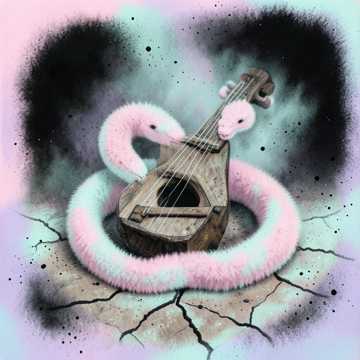
Сказ о богатыре русском. Оказия первая.
Сказ о возвращении Ильи-богатыря в опустошённую Киевскую Русь, где ему предстоит освободить людей от чудо-змея. Былинная речь, плач родной земли, шёпотный припев и озорной финал соединяют эпический размах, трагическую память и народный юмор.
06:18
2 days ago
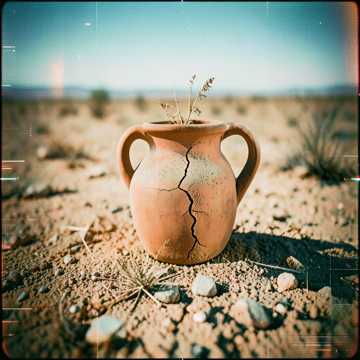
ط
این قطعه تصویری سوزناک از عاشقی بیقرار است که در شب، بیوفایی یاران، تشنگی و رنج جدایی را تاب میآورد. بیان کلاسیک و فریادهای مردانه، اندوه شعر سعدی را به تجربهای عارفانه، حماسی و مناسب خلوت، آیینهای ادبی و روایتهای تاریخی بدل میکند.
02:35
3 days ago

izu
Izu is a slow, cinematic Nordic soundscape built from brooding cellos, dark ambient drones, ritual percussion, and ethereal wordless vocals. Its gradual rise from solemn stillness to tragic orchestral intensity evokes ancient fate, sacrifice, mourning, and the final silence after a great emotional struggle.
03:18
4 days ago
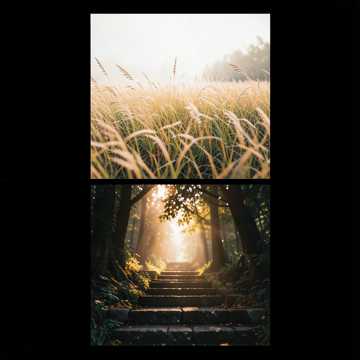
Pastoral Adventure
An intimate pastoral opening gradually unfolds into an adventurous cinematic theme, carried by lilting6/8 motion, organic acoustic timbres, and spacious orchestration. The music evokes woodland paths, forgotten kingdoms, and hopeful exploration before returning to a calm, warmly resolved conclusion.
03:23
5 days ago
міге
A wordless Nordic folk ritual unfolds through distant footsteps, ethereal female humming, throat drones, and resonant choir harmonies. The slow6/8 pulse grows from quiet mystery into an intense communal climax, then fades into solitary steps and silence.
03:34
5 days ago
Exploring the Rich Musical Tapestry of the Medieval Era
Medieval Era music encompasses European music written from the fall of the Western Roman Empire around 500 AD to the beginning of the Renaissance in the 15th century. Spanning nearly a millennium, Medieval Era music represents the foundation of Western music theory, notation, and composition. The early Medieval Era was dominated by monophonic sacred plainchant—most famously Gregorian chant—used in Christian liturgical worship. As the centuries progressed, musical innovations gave birth to polyphony (multiple independent melodic lines), structural notation systems, and rich secular traditions driven by traveling minstrels, troubadours, and trouvères. From the sacred solemnity of monastic chants to the lively dance rhythms of medieval courts, music from the Medieval Era established fundamental concepts of harmony, rhythm, and musical arrangement that continue to influence music today.
Key Genres and Classifications of Medieval Era Music
Gregorian Chant & Sacred Plainchant
The dominant form of early Medieval Era sacred music, characterized by monophonic, unaccompanied vocal melodies set to Latin texts. Designed for liturgical use in Catholic monasteries and cathedrals, Gregorian chant emphasizes spiritual transcendence, free rhythm dictated by speech, and modal melodies.
Troubadour & Trouvère Music
Secular monophonic songs originating in France during the 11th to 13th centuries. Authored by noble poet-musicians known as troubadours (in southern France) and trouvères (in northern France), these works focused on courtly love, chivalry, politics, and satire, accompanied by early string and wind instruments.
Ars Antiqua & Early Polyphony
Refers to the 'Old Art' of European polyphonic music flourishing around the 12th and 13th centuries, centered around the Notre Dame School in Paris. It introduced organum—adding parallel or independent melodic lines over a traditional plainchant base—marking a massive leap forward in harmonic complexity.
Ars Nova
A 14th-century French stylistic movement meaning 'New Art'. Characterized by expressive rhythmic independence, the introduction of complex meters, and advanced musical notation, Ars Nova allowed composers to create highly intricate sacred motets and secular chansons.
Secular Instrumental & Dance Music
Vibrant instrumental music performed for social gatherings, banquets, and street entertainment. Utilizing instruments such as the lute, hurdy-gurdy, recorder, pipe and tabor, shawm, and dulcimer, genres like the Estampie provided lively rhythmic patterns for dancing.
Famous Composers and Iconic Works of the Medieval Era
Hildegard von Bingen
A German Benedictine abbess, polymath, and mystic, Hildegard was one of the most prolific composers of early Medieval Era sacred music. She wrote expressive, wide-ranging monophonic chants collected in 'Symphonia armoniae celestium revelationum' and composed 'Ordo Virtutum', the earliest known morality play with music.
Missa de Nostre Dame (Guillaume de Machaut)
Composed in the 1360s, this masterpiece is a cornerstone of late Medieval Era polyphony. It unifies the six sections of the Mass Ordinary into a cohesive, four-voice harmonic structure utilizing complex isorhythmic techniques and expressive chromatic dissonances.
Guillaume de Machaut
The celebrated 14th-century French poet and composer who spearheaded the Ars Nova movement. Machaut modernized secular songwriting with forms like the rondeau and virelai, and composed the earliest complete polyphonic setting of the Ordinary of the Mass by a single composer.
Viderunt Omnes (Pérotin)
A landmark polyphonic work written around 1198 for four voices. Pérotin stretches the original Gregorian chant melody into sustained lower tenor notes while three upper voices execute intricate, interlocking rhythmic patterns above it, creating a majestic soundscape.
Pérotin
A pioneering French composer of the Notre Dame School of polyphony around 1200. Pérotin expanded organum from two parts to three and four independent voices (organum triplum and quadruplum), dramatically advancing European contrapuntal composition.
Cantigas de Santa Maria (Attributed to Alfonso X of Castile)
A vast 13th-century collection of over 400 monophonic songs dedicated to the Virgin Mary. Blending Iberian, Arabic, and Western European musical influences, these songs feature rich melodic ornaments and are often accompanied by period instruments like lutes, rebecs, and frame drums.
Léonin
The first known significant composer of polyphonic organum, active at Notre Dame Cathedral in Paris during the late 12th century. He produced the 'Magnus Liber Organi' (Great Book of Organum), laying the foundation for rhythmic modes and multi-voiced sacred music.
Ordo Virtutum (Hildegard von Bingen)
Composed around 1151, this pioneering sacred music drama features monophonic vocal melodies sung by personified Virtues, contrasting with the spoken, unmusical voice of the Devil, showcasing Hildegard's expressive melodic range and dramatic narrative structure.
Bernart de Ventadorn
A prominent 12th-century troubadour of southern France whose lyrical poetry and melodies defined the courtly love song genre. His works provided a template for secular song structure throughout Western Europe.
Modern Application Scenarios for Medieval Era Music
Medieval Era music and modern neo-medieval acoustic compositions are heavily utilized in fantasy RPG soundtracks (such as 'The Witcher', 'The Elder Scrolls', and 'Kingdom Come: Deliverance') to establish immersive historical atmosphere, rustic tavern settings, and epic high-fantasy world-building.
Video Games & Fantasy Role-Playing Games (RPGs)
Film composers frequently incorporate Medieval Era elements—such as Gregorian chants, hurdle-gurdy drones, and modal lute arrangements—into period dramas, historical epics, and fantasy series (like 'Game of Thrones' or 'The Name of the Rose') to evoke tension, religious solemnity, or authentic historical realism.
Historical Films & Television Dramas
Dungeons & Dragons and other tabletop RPG players use playlists featuring Medieval Era instruments, bardic songs, and sacred chants to craft thematic background audio for gaming sessions, enriching exploration in castles, cathedrals, and medieval towns.
Tabletop Gaming & TTRPG Audio Ambience
History documentaries focusing on the Middle Ages, feudalism, religious history, and medieval architecture rely on authentic recordings of Medieval Era plainchants and secular minstrels to anchor visual narratives in their proper historical context.
Documentaries & Educational Media
Performers at living history museums, re-enactments, and Renaissance festivals perform live Medieval Era dance tunes and troubadour ballads using period-accurate instruments to engage audiences with authentic acoustic historical soundscapes.
Living History Events & Renaissance Faires