
Free Nature loss Music Generator Powered by AI
Turn text into high-quality Nature loss music effortlessly – no login required!

music.toolTips
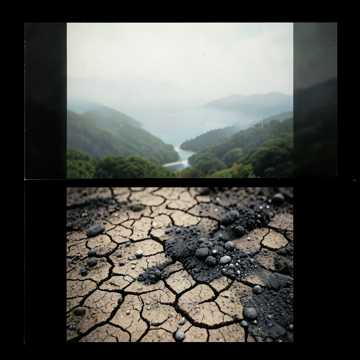
NEGERIKU BUKAN ZAMRUD KHATULISTIWA LAGI
Lagu ini menggambarkan Indonesia yang kehilangan keindahan alam akibat eksploitasi, polusi, dan keserakahan penguasa. Dengan energi rock metal yang megah dan penuh amarah, lagu tersebut berubah menjadi seruan perlawanan agar rakyat bangkit menyelamatkan tanah air dan masa depan generasi berikutnya.
06:22
5 days ago
Nature Loss Music: Definition, Meaning, and Historical Development
Nature Loss is a thematic music tag used for compositions that express the disappearance, degradation, or irreversible transformation of natural environments and biodiversity. Nature Loss music may evoke deforestation, habitat destruction, species extinction, pollution, climate change, drought, melting ice, damaged oceans, and the emotional consequences of ecological decline. Its mood is often reflective, mournful, fragile, tense, or quietly urgent, although some works also include hope, resilience, and calls for environmental action. As a music classification, Nature Loss is usually broader than a formal genre. It can include ambient music, cinematic music, neoclassical composition, electronic sound design, documentary scoring, experimental music, and acoustic works incorporating field recordings. The roots of Nature Loss music can be traced to environmental and nature-inspired composition in the twentieth century, when composers began using natural soundscapes, unconventional instruments, and ecological themes to question the separation between music, technology, and the environment. The growth of the environmental movement in the1960s and1970s encouraged musicians to address pollution, industrial expansion, nuclear risk, and the loss of wilderness. During the1980s and1990s, affordable recording technology made it easier to combine birdsong, wind, water, machinery, and synthesized textures, helping create immersive ecological soundscapes. In the twenty-first century, the climate crisis, biodiversity loss, and climate grief have made Nature Loss an increasingly recognizable theme in film music, art installations, games, advertising, and streaming music libraries. Contemporary Nature Loss compositions often balance beauty and disturbance: a peaceful natural texture may gradually be interrupted by noise, dissonance, silence, or mechanical rhythm to represent the fragility of ecosystems.
Nature Loss Music Sub-Tags and Classifications
Biodiversity Loss and Extinction
This Nature Loss classification focuses on disappearing species, endangered animals, and the collapse of ecological diversity. Compositions commonly use sparse melodies, isolated instrumental voices, repeated motifs that gradually disappear, and long pauses to symbolize absence. Bird calls, insect sounds, whale recordings, or other organic textures may be sampled and processed to suggest a living environment that is becoming quieter. The emotional range can extend from mourning and helplessness to remembrance and conservation.
Deforestation and Habitat Destruction
Deforestation-themed Nature Loss music contrasts the complexity of a healthy ecosystem with the force of human extraction. Layered percussion, organic field recordings, wood and string timbres, and dense ambient textures can represent a forest full of life, while chainsaw-like drones, metallic impacts, or abrupt cuts suggest logging, fragmentation, and displacement. This sub-tag is suitable for documentaries, environmental campaigns, and visual stories about forests, indigenous lands, and habitat conversion.
Climate Change and Environmental Anxiety
This sub-tag addresses rising temperatures, extreme weather, climate instability, and the psychological pressure associated with an uncertain environmental future. Nature Loss music in this category often uses slow harmonic movement, dark synthesizers, pulsing low frequencies, unstable textures, and gradual crescendos. The resulting atmosphere may feel ominous, anticipatory, or emotionally overwhelming, making it appropriate for climate documentaries, news features, social campaigns, and dramatic cinematic sequences.
Ocean and Marine Ecosystem Loss
Ocean-focused Nature Loss music explores coral bleaching, plastic pollution, overfishing, underwater noise, and the decline of marine life. Reverb-heavy production, submerged electronic sounds, fluid synthesizer movement, low drones, and recordings of waves or underwater environments can create a sense of depth and vulnerability. Composers may begin with expansive, beautiful textures before introducing distortion, rhythmic disruption, or silence to reflect the deterioration of marine ecosystems.
Melting Ice, Drought, and Water Scarcity
This classification centers on glaciers, disappearing snowfields, dry rivers, drought, and unequal access to water. Music may use crystalline piano, brittle percussion, sustained strings, sparse pulses, and gradually thinning arrangements to suggest ice loss and dehydration. Slow tempos and large amounts of space can communicate emptiness, while subtle water recordings or dripping sounds create a connection between the physical resource and the emotional narrative.
Pollution and Industrial Impact
Pollution-related Nature Loss music focuses on toxic air, contaminated soil, plastic waste, chemical spills, and the environmental impact of industry and urbanization. It frequently combines natural sounds with mechanical rhythms, electrical interference, distorted bass, metallic percussion, and harsh noise. The contrast between organic and industrial sound sources creates a clear auditory representation of human pressure on nature and works especially well in investigative films, public service announcements, and environmental activism content.
Ecological Grief and Solastalgia
Ecological grief describes sorrow caused by environmental destruction, while solastalgia refers to distress experienced when a familiar home environment changes or deteriorates. This emotionally focused Nature Loss sub-tag often uses intimate piano, soft strings, restrained guitar, distant vocals, and slowly evolving ambient pads. Rather than depicting a specific disaster, the music emphasizes memory, mourning, displacement, and the loss of a once-familiar landscape.
Environmental Field Recording and Soundscape
This classification uses recordings of forests, rivers, rain, insects, birds, coastlines, and urban environments as central musical material. Nature Loss compositions may preserve these sounds realistically or manipulate them through looping, granular synthesis, filtering, reversal, and spatial processing. A common creative technique is to present a natural soundscape and then gradually remove, mask, or distort its elements, allowing listeners to hear ecological decline as a change in sonic diversity.
Post-Natural and Speculative Ecologies
Post-natural Nature Loss music imagines landscapes after major ecological disruption or explores a future in which technology replaces damaged ecosystems. Synthetic drones, artificial animal calls, processed environmental samples, glitch rhythms, and nontraditional tuning can create an unfamiliar sonic world. This sub-tag is particularly effective for science-fiction films, speculative games, digital art, and installations that examine adaptation, artificial nature, and the boundaries between living and machine systems.
Hope, Restoration, and Ecological Resilience
Not all Nature Loss music ends in despair. This classification represents rewilding, habitat restoration, community action, and the possibility of recovery. Compositions may move from minor or dissonant material toward warmer harmony, fuller orchestration, brighter timbres, and more regular rhythmic patterns. The emotional message remains connected to Nature Loss, but it provides a constructive conclusion for conservation campaigns, educational videos, charity films, and stories about environmental renewal.
Famous Artists and Works Related to Nature Loss Music
Björk
Björk has connected electronic music, biology, technology, and environmental awareness throughout her career. Her album "Biophilia" explores natural phenomena such as crystals, viruses, moon cycles, and the relationships between scientific systems and musical structures. While not exclusively a Nature Loss project, its ecological perspective and innovative use of interactive technology have influenced how environmental themes can be presented through pop, electronic, and multimedia music.
Björk - Biophilia
"Biophilia" is a landmark multimedia project that connects musical composition with natural systems, scientific ideas, visual design, and interactive technology. Its songs use unusual structures and timbres to explore relationships between organisms, physical forces, and human creativity. In the context of Nature Loss, the work is significant because it encourages audiences to understand nature as dynamic, interconnected, and worthy of attention. Its innovation lies in extending an album into an educational and interactive ecosystem rather than treating environmental ideas as simple background imagery.
Brian Eno
Brian Eno is a foundational figure in ambient music and has demonstrated how slowly developing sound can create an immersive sense of place. Works such as "Ambient4: On Land" use processed instruments and environmental associations to suggest imaginary landscapes rather than conventional songs. Eno's approach has strongly influenced Nature Loss music by encouraging composers to treat atmosphere, texture, duration, and environmental listening as primary musical materials.
Brian Eno - Ambient4: On Land
"Ambient4: On Land" creates the impression of traversing unfamiliar landscapes through layered electronics, processed acoustic sounds, and slowly changing atmospheres. Traditional melody is reduced in favor of spatial detail and environmental suggestion. This approach is highly relevant to Nature Loss because it allows the listener to focus on texture, distance, and the feeling of inhabiting a place. The album's innovation is its use of studio production to construct an ecological imagination that feels neither entirely natural nor entirely artificial.
Ryuichi Sakamoto
Ryuichi Sakamoto combined piano, orchestral writing, electronic sound, and environmental awareness in both albums and film scores. His later work often carries a sense of fragility and reflection, and his involvement in climate and anti-nuclear activism strengthened the connection between music and ecological responsibility. His restrained harmonic language and carefully shaped electronic textures are influential references for Nature Loss compositions that seek emotional depth without excessive drama.
Ryuichi Sakamoto - async
"async" combines piano, electronics, found sounds, fragmented voices, and unconventional percussion in a way that feels reflective and unsettled. Its broken structures and uneven sonic surfaces can be heard as a response to a damaged or unstable world. The work is valuable as a Nature Loss reference because it avoids simplistic beauty: moments of calm coexist with noise, absence, and interruption. This mixture mirrors the emotional complexity of ecological grief and environmental uncertainty.
Jóhann Jóhannsson
Jóhann Jóhannsson's cinematic compositions frequently combine minimalism, orchestral sonorities, electronics, and ominous low-frequency sound. Although his catalog is not limited to environmental topics, works such as the score for "Sicario" and his broader film work demonstrate how gradual tension, repetition, and sonic scale can express systems larger than the individual. These techniques are valuable in Nature Loss scoring, particularly for portraying environmental crisis, industrial pressure, and existential uncertainty.
Anohni - Hopelessness
"Hopelessness" uses electronic beats, synthetic textures, and direct vocals to address climate change, political violence, animal suffering, and technological power. Unlike purely ambient Nature Loss music, it relies on song form, rhythm, and lyrical clarity to make environmental issues immediate. Its innovation is the combination of dance-oriented production with serious ecological and political content, demonstrating that music about Nature Loss can be confrontational, memorable, and accessible.
Max Richter
Max Richter has used neoclassical composition, repeating motifs, strings, electronics, and expansive dynamics to address memory, vulnerability, time, and social crisis. His work is relevant to Nature Loss because it provides a model for emotionally direct environmental scoring: simple themes can be repeated and transformed until they feel collective and monumental. His music is often suited to scenes involving grief, reflection, long-term change, and the human consequences of ecological damage.
Morten Lauridsen and Contemporary Environmental Choral Traditions
Contemporary choral and vocal works inspired by endangered landscapes often use sustained harmony, slowly moving clusters, and collective voices to represent the scale of ecological loss. These works are notable for turning individual environmental grief into a communal act of remembrance. When used in Nature Loss settings, choral textures can symbolize shared responsibility, while dissonant transitions or thinning vocal lines suggest fragmentation and disappearance.
Nils Frahm
Nils Frahm's combination of prepared piano, acoustic instruments, analog electronics, and room ambience offers a strong template for intimate Nature Loss music. His recordings often retain mechanical noises, pedal sounds, and natural resonance, making the act of performance part of the sonic environment. This balance between organic imperfection and electronic processing is useful for compositions about fragile landscapes, personal ecological grief, and quiet observation.
Field-Recording Soundscape Compositions
A significant body of Nature Loss music is created from direct recordings of threatened environments rather than from a single canonical composition. Artists record birds, insects, rivers, forests, coastlines, and seasonal activity, then preserve, layer, or transform these sounds. The most powerful works introduce a gradual reduction in sonic variety or replace organic sound with noise and silence. Their innovation is documentary as well as musical: the recording becomes an archive of an ecosystem and a warning about what may no longer be heard.
Hildur Guðnadóttir
Hildur Guðnadóttir is known for cello-centered writing, vocal textures, electronics, and powerful cinematic atmosphere. Her work demonstrates how low strings, sustained tones, breath, and carefully controlled distortion can create feelings of danger, isolation, and emotional weight. These techniques translate effectively into Nature Loss music for documentaries and films that depict environmental collapse, human displacement, or the psychological consequences of climate change.
Pauline Oliveros
Pauline Oliveros developed Deep Listening, an approach that emphasizes awareness of environmental sound, resonance, space, and the act of listening itself. Her work is important to Nature Loss because it encourages musicians to hear ecosystems as complex musical environments rather than passive background. The practice of attentive listening also provides a conceptual foundation for field-recording projects and compositions that document changing habitats.
Anohni
Anohni has addressed political violence, environmental destruction, species vulnerability, and human responsibility through emotionally charged songwriting and performance. The album "Hopelessness" uses electronic production and direct lyrical expression to confront ecological and social crises. Her contribution to Nature Loss lies in combining personal voice, protest, and accessible song structures, showing that environmental music can be both intimate and politically urgent.
Nature Loss Music Application Scenarios
Nature Loss music is highly effective in documentaries about deforestation, endangered species, climate change, ocean pollution, and habitat destruction. A restrained piano and field-recording arrangement can accompany interviews and landscape footage, while darker drones, low strings, and disrupted natural sounds can intensify scenes showing ecological damage. A gradual transition from rich environmental sound to silence can communicate species decline without relying on narration.
Environmental Documentaries
In narrative cinema, Nature Loss music can support stories about environmental conflict, rural displacement, climate migration, or communities facing industrial expansion. The score may begin with warm acoustic instruments that represent home and place, then introduce electronic distortion or sparse textures as the landscape changes. Nature Loss themes can function as a character's internal emotional world as well as a representation of the physical environment.
Feature Films and Short Films
Organizations, charities, and public agencies can use Nature Loss music in campaigns about recycling, habitat protection, renewable energy, water conservation, or endangered wildlife. Short advertising formats benefit from music with a clear emotional arc: an attention-grabbing opening, a vulnerable or mournful middle section, and a hopeful ending that supports a call to action. Subtle sound design can make the message memorable without overpowering spoken information.
Environmental Advertising and Public Service Announcements
Nature Loss music can create atmosphere in games set in abandoned cities, polluted oceans, drought-stricken regions, post-apocalyptic landscapes, or worlds recovering from ecological collapse. Adaptive music systems can respond to player actions: natural layers may become richer when an area is restored and thinner or more distorted when damage increases. This makes environmental change audible and gives players an emotional connection to conservation, exploration, and consequence.
Video Games and Interactive Experiences
In virtual reality exhibitions, museums, galleries, and environmental installations, Nature Loss sound can surround the audience with spatial recordings and slowly changing acoustic environments. Directional audio may place birds, insects, water, or machinery around the listener, while the gradual removal of these sources demonstrates biodiversity loss. The immersive format makes ecological decline physical and experiential rather than purely informational.
Virtual Reality and Immersive Installations
News programs and long-form journalism can use restrained Nature Loss music beneath reports on wildfires, floods, drought, melting ice, or environmental policy. Minimal piano, low ambient pulses, and subdued strings help establish seriousness while leaving space for interviews and narration. Because news content requires clarity, the best Nature Loss music for this scenario avoids excessive rhythmic activity and uses controlled dynamics.
News Features and Climate Journalism
Schools, science centers, natural history museums, and online educators can use Nature Loss music to introduce topics such as food webs, extinction, ecosystem services, and conservation. A composition can assign different instruments to different parts of an ecosystem, then remove or alter those instruments to demonstrate the consequences of habitat loss. Hopeful harmonic development can support lessons about restoration and collective environmental action.
Educational Videos and Museum Exhibits
Nature Loss music can give podcasts about climate science, conservation, environmental justice, and ecological history a recognizable identity. Short motifs made from field recordings, soft synthesizers, or carefully processed organic sounds can establish a serious but thoughtful tone. For investigative episodes, subtle industrial textures may suggest human impact, while warmer acoustic elements can emphasize community, memory, and solutions.
Podcast Intros and Environmental Storytelling
Choreographers and visual artists can use Nature Loss music to explore bodily vulnerability, displacement, extraction, and transformation. Repetitive pulses may represent industrial systems, irregular breathing-like sounds may evoke ecological stress, and sparse passages can embody absence or silence. The open structure of ambient and experimental Nature Loss music gives performers room to respond to sound through movement, lighting, and projected environmental imagery.
Art Films, Dance, and Contemporary Performance
Short-form content benefits from Nature Loss music that communicates environmental stakes quickly. A rising drone, a single exposed vocal or piano note, and a strong transition into a hopeful rhythmic section can create an immediate emotional arc within a few seconds. For social media campaigns, concise versions of Nature Loss tracks can be edited around visual reveals, statistics, before-and-after comparisons, or a direct invitation to support conservation.
Trailers, Social Media Videos, and Campaign Content