
Free Orcs Music Generator Powered by AI
Turn text into high-quality Orcs music effortlessly – no login required!

music.toolTips
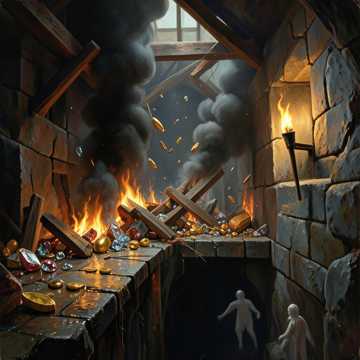
гномы5
Песня рассказывает о разрушении мирного царства гномов орочьими ордами, бегстве горстки выживших и рождении надежды. Сквозь страх, потери и подземные испытания герои клянутся вернуться, освободить пленников, свергнуть шамана и вернуть народу свободу.
04:49
5 days ago
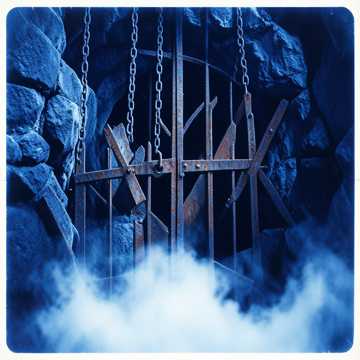
Забытые врата гномов
Песня погружает в мрачное подземелье, где орки и гоблины разыскивают следы гномов. Среди разрушенных шахт и затихших кузен пробуждается надежда: если гномы объединятся, забытые врата станут началом сопротивления.
04:44
6 days ago
Orcs Music: Definition, History, and Creative Characteristics
Orcs music is a thematic category associated with fictional orc cultures, dark fantasy worlds, monstrous armies, ancient tribes, and brutal battlefield environments. It is not a formally standardized musical genre like jazz, classical, or heavy metal. Instead, the Orcs tag is commonly used in film music, game music, trailer music, sound-effect libraries, and production music to identify compositions that suggest enormous strength, danger, savagery, war, tribal identity, or an intimidating fantasy atmosphere. Typical Orcs music combines low brass, deep percussion, pounding rhythmic patterns, male choir, throat-like vocal textures, distorted drones, war drums, and rough acoustic instruments. The resulting sound is often dark, aggressive, ceremonial, and cinematic. The cultural history behind Orcs music can be traced to the development of the orc as a fantasy archetype. The modern English word "orc" became strongly associated with fantasy literature through J. R. R. Tolkien's Middle-earth writings, although related names and monstrous beings existed in earlier European mythology and medieval literature. Tolkien's orcs helped establish many of the visual and narrative ideas later used in fantasy cinema and games: underground or industrial environments, militarized clans, harsh speech, crude weapons, and large-scale warfare. As fantasy storytelling expanded through novels, tabletop role-playing games, films, television, and video games, composers developed recognizable musical languages for representing orcs and similar creatures. In early fantasy scores, orc-like enemies were often represented through minor-key motifs, low strings, brass dissonance, and percussion. Modern production has expanded this vocabulary with cinematic sound design, hybrid orchestration, processed choir, sub-bass, taiko-style drums, frame drums, distorted synths, and irregular rhythmic accents. Orcs music today may therefore range from orchestral battle music and tribal fantasy ambience to dark trailer cues, game combat loops, and aggressive hybrid soundtracks. The core purpose remains consistent: to communicate physical power, collective threat, ancient ritual, and a harsh fantasy identity quickly and vividly.
Orcs Music Sub-Tags and Classifications
Orc Battle Music
Orc battle music is built for large-scale combat, raids, sieges, and confrontations between armies. It commonly features pounding drums, forceful low brass, repeated string ostinatos, choir, and dramatic cymbal impacts. The rhythm is usually direct and energetic, allowing the music to support action scenes, boss fights, strategy games, and fantasy war trailers.
Tribal Orc Music
Tribal Orc music emphasizes communal identity, ritual, and the imagined traditions of an orc clan. It may use frame drums, toms, shakers, hand percussion, rough vocalizations, drones, horns, and call-and-response patterns. Compared with purely orchestral battle music, this classification often feels more earthy, repetitive, ceremonial, and connected to fictional landscapes or settlements.
Dark Fantasy Orc Music
Dark Fantasy Orc music focuses on menace, decay, cursed environments, and supernatural danger. It often combines orchestral instruments with low drones, dissonant clusters, reversed textures, whispers, metallic impacts, and unsettling sound design. This style works particularly well for horror-fantasy scenes, abandoned fortresses, underground caves, corrupted forests, and morally ambiguous monster characters.
Epic Orc Trailer Music
Epic Orc trailer music is designed for immediate impact in promotional videos and cinematic previews. It generally uses a gradual build, deep pulses, rising strings, massive percussion, brass blasts, choir, and a powerful final drop or climax. The music is edited in short, dramatic sections so that hits and transitions can synchronize with title cards, battle imagery, and character reveals.
Orc Horde and Army Music
This sub-tag represents the scale and unity of a large orc horde. The writing frequently uses massed percussion, repeated motifs, group chanting, low-register brass, and broad harmonic movement. It is especially appropriate for scenes showing armies marching, war camps preparing for battle, invading forces approaching a city, or a faction displaying collective power.
Orc Boss Music
Orc boss music is more dramatic and individualized than general combat music. It may introduce a distinctive villain motif, irregular meters, sudden pauses, extreme low-end impacts, and layered orchestral or electronic textures. The arrangement often includes multiple stages to match a boss encounter that changes intensity during gameplay.
Orc Village and Camp Ambience
This classification presents orc life outside combat. It can include low fireside drones, wooden percussion, rough string instruments, distant horns, environmental sounds, and restrained rhythmic patterns. The goal is to suggest a lived-in clan environment rather than portraying orcs only as enemies. This type of music is useful for exploration, world-building, menu screens, and role-playing game settlements.
Cinematic Hybrid Orc Music
Cinematic Hybrid Orc music combines a traditional orchestra with modern sound design. Common elements include synthesized bass, distorted pulses, trailer hits, processed choir, granular textures, orchestral strings, and large percussion ensembles. This sub-tag is popular in contemporary games, film trailers, fantasy series, and action advertisements because it can sound both ancient and technologically powerful.
Orc Ambient and Suspense Music
Orc ambient music uses sparse textures and slow development to create anticipation. Low drones, distant drums, breath-like effects, bowed metal, subtle vocal layers, and minimal motifs can imply that an orc threat is nearby without showing it directly. This classification suits stealth missions, nighttime landscapes, caves, reconnaissance sequences, and suspenseful fantasy storytelling.
Heavy Metal and Orc-Inspired Music
Some fantasy and game communities use the Orcs tag for heavy metal, industrial metal, or folk-metal tracks inspired by warriors, monsters, clans, and battlefield mythology. Distorted guitars, aggressive drums, growled vocals, and heroic or dark lyrical themes distinguish this branch from orchestral Orcs music. It is suitable for character montages, gaming videos, action edits, and fantasy-themed live events.
Famous Artists and Works Related to Orcs Music
Howard Shore
Howard Shore established one of the most influential musical models for modern Middle-earth fantasy through The Lord of the Rings film scores. His writing for the forces of Mordor and Isengard uses low brass, heavy percussion, male voices, dissonant harmony, and recurring thematic material to create an atmosphere associated with industrial power, militarism, and monstrous armies. Although the scores are not exclusively Orcs music, they strongly shaped how cinematic orc and dark-fantasy forces are represented.
The Lord of the Rings: The Fellowship of the Ring — Music Associated with Mordor and Isengard
Howard Shore's music for Mordor and Isengard is a foundational reference for cinematic Orcs music. Low-register brass, pounding percussion, tense harmonic motion, and harsh choral writing create a sound world associated with militarized evil and industrial brutality. The music is innovative in its use of recurring thematic ideas: rather than treating monsters as random threats, it gives enemy forces a recognizable musical identity. This approach allows audiences to sense the presence of orc armies even before they appear on screen.
Bear McCreary
Bear McCreary's fantasy and adventure scoring demonstrates how percussion, choir, folk colors, and forceful orchestral writing can create ancient and physically powerful worlds. His work on major fantasy productions, including The Lord of the Rings: The Rings of Power, contributes to the modern language of dark armies, mythic conflict, and harsh landscapes. McCreary is particularly notable for integrating memorable motifs with unusual percussion and vocal textures.
The Lord of the Rings: The Two Towers — The Uruk-hai and Battle Music
The score for The Two Towers expands the sonic language of orc warfare through aggressive rhythmic figures, marching energy, dark brass, and large percussion forces. The music supports scenes of pursuit, siege, and massed combat while maintaining thematic continuity with the wider Middle-earth score. Its innovation lies in balancing raw physical impact with sophisticated orchestral development, making the music suitable for both a specific enemy faction and the larger emotional arc of war.
Jeremy Soule
Jeremy Soule is widely associated with large-scale fantasy game music, especially through The Elder Scrolls series. His scores use orchestral grandeur, male choir, modal harmony, and strong environmental writing to support exploration and combat. While not specifically an orc composer, his approach has influenced the sound of fantasy races, warrior cultures, and open-world battle environments that are frequently categorized under the Orcs tag.
Warcraft and World of Warcraft — Orc Faction and Horde Themes
The Warcraft music tradition is one of the clearest examples of Orcs music in interactive media. Orc-related themes often combine martial percussion, broad brass writing, choral intensity, and folk-like or tribal gestures. Instead of presenting orcs only as anonymous antagonists, the music helps establish the Horde as a political and cultural community with its own history, honor, conflict, and territory. In games, these themes also demonstrate how music can loop effectively while still providing a sense of scale and progression.
Jason Hayes
Jason Hayes made a major contribution to fantasy game music through his work on Warcraft and World of Warcraft. The Warcraft musical world includes numerous factional and martial identities, with powerful percussion, brass, choral writing, and dramatic leitmotifs used to support orc-related characters and locations. His work helped establish the idea that an orc faction should have a coherent musical identity rather than being represented only by generic villain music.
The Elder Scrolls V: Skyrim — Orc Stronghold and Combat-Related Music
Skyrim's musical world provides useful examples of how fantasy music can distinguish environment, culture, and danger. Orc stronghold or warrior-oriented settings can be supported by low drones, drums, modal writing, and rugged orchestral colors, while combat cues increase intensity through repeated rhythmic patterns and brass accents. The broader innovation of the score is its ability to make music feel integrated with exploration: a player can move from a threatening landscape to a cultural location without losing the sense of a coherent world.
Glenn Stafford
Glenn Stafford's work on Warcraft helped define the musical atmosphere of fantasy strategy games. His compositions support armies, races, campaigns, and battlefields with concise motifs and memorable orchestral gestures. The Warcraft series played an important role in making orc-themed music familiar to a broad gaming audience and in linking Orcs music with faction-based storytelling.
The Lord of the Rings: The Rings of Power — Dark-Fantasy and Adversarial Themes
The Rings of Power demonstrates a contemporary approach to dark fantasy scoring, using orchestral forces, choir, unusual percussion, vocal color, and carefully developed motifs. Its adversarial and war-related material is relevant to Orcs music because it emphasizes ancient evil, corrupted landscapes, and the psychological weight of conflict. The production style also reflects modern expectations for fantasy soundtracks, where traditional orchestra is combined with atmospheric sound design and highly detailed mixing.
Christopher Tin
Christopher Tin is known for large-scale, culturally inspired choral and orchestral writing, particularly in video game music. His work demonstrates how collective voices, percussion, and multilingual or folk-influenced colors can create a sense of civilization, ritual, and historical scale. These techniques are highly relevant to Orcs music when the creative goal is to portray a clan, horde, or ancient warrior society with dignity and depth.
Epic Fantasy Battle Trailer Cues
A broad class of trailer works can be considered classic examples of Orcs music even when they are not tied to a single fictional franchise. These cues typically begin with a low drone or distant drum, introduce a repeating pulse, add strings and brass, and culminate in huge percussion hits and choir. Their innovation is primarily structural and production-based: short musical sections, pronounced transitions, and impact sounds allow editors to synchronize the cue with character reveals, army formations, weapon strikes, and title cards.
Ramin Djawadi
Ramin Djawadi's work in film, television, and games illustrates the effectiveness of strong rhythmic ostinatos, dark orchestration, electronic layers, and carefully timed dramatic climaxes. His approach is relevant to Orcs music because it shows how a clear motif and escalating rhythmic structure can make a fantasy threat feel immediate, cinematic, and memorable.
Orcs Music Application Scenarios
Orcs music can underscore scenes involving monster armies, dark fortresses, ancient curses, tribal gatherings, and large-scale battles. A composer may use a recurring orc motif whenever the faction appears, then expand it with choir and percussion during a major confrontation. For quieter scenes, the same motif can be slowed down or reduced to a low drone so that the threat remains present without overwhelming dialogue.
Fantasy Film and Television Soundtracks
In role-playing games, Orcs music can identify a faction, village, stronghold, dungeon, or hostile territory. Loopable arrangements should have clear internal sections but avoid an overly final ending, allowing them to repeat naturally. In strategy games, marching drums and faction themes can support army management, campaign maps, sieges, and victory sequences.
Role-Playing and Strategy Game Background Music
Orc boss music is effective when it uses multiple intensity levels. The first phase may introduce a threatening motif with low percussion, the second phase can add brass and choir, and the final phase may use faster rhythms, heavier impacts, and distorted sound layers. This adaptive structure helps the music respond to gameplay while reinforcing the boss's identity.
Boss Fights and Combat Encounters
Epic Orcs music is well suited to trailers that reveal a fantasy villain, an invading horde, or a climactic war. Strong downbeats, risers, vocal shouts, cinematic impacts, and dramatic pauses give editors flexible synchronization points. A carefully produced cue can communicate danger and scale within a short time, making the Orcs tag valuable for trailer-music searches.
Film and Game Trailers
Game advertisements, tabletop role-playing products, fantasy novels, collectible figures, and themed events can use Orcs music to create an immediate impression of strength and adventure. Short edits with heavy drums and brass are useful for social media advertisements, while a more atmospheric version may suit a product reveal or narrative campaign.
Advertising for Games, Entertainment, and Collectibles
Game masters can use Orcs music during encounters with raiding parties, clan leaders, war camps, or enemy fortresses. Background loops with moderate volume help establish setting without interfering with conversation. For live fantasy events, conventions, escape rooms, and immersive performances, tribal percussion and low vocal textures can make the environment feel more physical and dramatic.
Tabletop Role-Playing Sessions and Live Events
Creators discussing fantasy lore, game reviews, world-building, miniature painting, or fictional battles may use royalty-cleared Orcs music as background audio. Suspenseful ambient cues work well under narration, while heavier battle tracks can accompany gameplay highlights, character rankings, cinematic edits, and lore presentations.
YouTube Videos, Podcasts, and Fantasy Content
The Orcs tag can support horror-fantasy sequences involving caves, ruined settlements, night raids, corrupted lands, or unseen creatures. Rather than relying only on loud percussion, composers can use distant drums, sub-bass, breath textures, metallic resonance, and irregular pulses to create suspense. This makes Orcs music useful for atmospheric storytelling as well as direct action.
Dark Fantasy and Horror Scenes
Aggressive hybrid Orcs music can provide energy for workout videos, esports introductions, competitive gaming streams, and team reveal packages. Strong rhythmic repetition and low-end impact help motivate movement and create a sense of competition. Short versions should place the main hook early so the track remains effective in quick edits.
Sports, Fitness, and Esports Content
In animation, Orcs music can distinguish a character's origin, mood, or transformation. A gentle clan motif may represent community and tradition, while a distorted variation can signal betrayal, rage, or supernatural corruption. This flexible use helps avoid reducing orc characters to a single stereotype and gives the music a role in emotional storytelling.
Animation and Character Development