
Free Peruvian folk Music Generator Powered by AI
Turn text into high-quality Peruvian folk music effortlessly – no login required!

music.toolTips
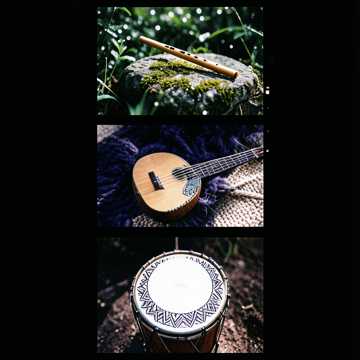
Primavera en los Andes
Una pieza instrumental que evoca el primer deshielo de la primavera andina y crece hacia una celebración compartida. La quena y el charango abren y cierran el recorrido; sikus, guitarra, bombo y percusión amplían su pulso de huayno. Su aire festivo acompaña paisajes, encuentros comunitarios y danza.
03:24
15 minutes ago

chihuaco
La canción narra el viaje de un chihuaquito desde la sierra hasta Lima. Tras perder plumas durante su vuelo y enfrentar la desdicha, llega a la capital para reencontrarse con su amada y celebrar sus sentimientos mediante el canto y el baile.
01:47
4 days ago
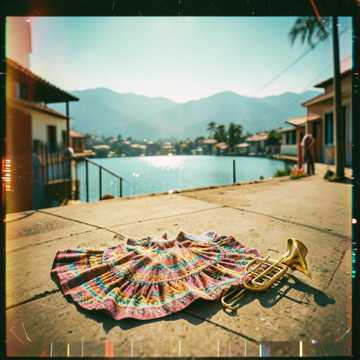
Para ti, mi Puno
Cumbia sureña de homenaje a Puno, nacida desde Juliaca con orgullo, nostalgia y alegría. Sus versos evocan el lago, las montañas, las fiestas y la comunidad, mientras el coro invita a bailar y reafirma el vínculo eterno con la tierra puneña.
04:14
Invalid date
Peruvian Folk: Definition, History, and Cultural Heritage
Peruvian folk is the traditional music of Peru, a diverse body of regional styles shaped by Indigenous Andean, Spanish, African, and Amazonian cultures. It includes vocal music, dance traditions, ceremonial sounds, rural community music, urban popular styles, and repertories associated with national celebrations. Characteristic instruments include the quena, siku or panpipes, charango, guitar, harp, violin, cajón, bombo, tinya drum, and a wide range of Amazonian percussion instruments. Peruvian folk music is often identified by its strong rhythmic patterns, expressive melodies, communal performance practices, and close connection to dance, seasonal festivals, religious celebrations, agricultural life, and local identity. Its history reaches back to the musical traditions of pre-Columbian civilizations, including the Inca world and earlier Andean societies. Indigenous musicians used flutes, panpipes, drums, rattles, and stringless percussion in agricultural rituals, funerary ceremonies, courtly events, and community celebrations. After the Spanish conquest, European instruments such as the guitar, harp, violin, and later accordion were incorporated into local music. Catholic festivals also merged with Indigenous ceremonial practices, creating new hybrid traditions. African communities, particularly along the Peruvian coast, contributed syncopated rhythms, call-and-response singing, and distinctive dance forms that became central to Afro-Peruvian music. During the twentieth century, Andean music moved from rural communities to cities such as Lima and Cusco. Radio, recordings, migration, and tourism helped popularize huayno, marinera, música criolla, and other Peruvian folk styles throughout the country and internationally. Contemporary Peruvian folk artists continue to preserve regional traditions while combining them with jazz, rock, electronic production, orchestral arrangements, and global world-music influences.
Peruvian Folk Sub-Tags and Musical Classifications
Andean folk music
Andean folk music is one of the broadest categories within Peruvian folk. It is associated with the highlands of Cusco, Ayacucho, Puno, Ancash, Apurímac, Junín, and surrounding regions. The music commonly features quena flutes, siku panpipes, charangos, guitars, harps, violins, bombo drums, and hand percussion. Many performances use parallel melodic lines, repeating phrases, pentatonic or modal melodies, and an energetic relationship between music and group dance. Andean folk music may be performed at village festivals, patron-saint celebrations, agricultural events, processions, and family gatherings.
Huayno
Huayno is a major Peruvian folk genre and dance tradition with Indigenous Andean roots and later European influence. Huayno melodies often express love, separation, migration, homesickness, humor, social commentary, and attachment to the homeland. Regional versions vary considerably: some use harp and violin, others emphasize brass bands, accordion, charango, or modern electric instruments. The rhythm usually supports a lively stepping dance, while the singing can alternate between intimate, melancholic verses and highly energetic choruses. Modern huayno remains influential in both rural communities and migrant urban neighborhoods.
Sikuri and panpipe music
Sikuri music is built around ensembles of siku panpipes, especially associated with the southern Andes and the Lake Titicaca region. Traditional siku performance often uses interlocking musical parts, in which different players or groups alternate notes to complete a melody. This collective technique reflects Andean ideas of cooperation and community participation. Sikuri ensembles frequently perform during religious festivals, processions, and public celebrations, using large groups of panpipes, drums, and sometimes brass instruments.
Marinera
Marinera is a celebrated Peruvian dance-music tradition known for its elegant choreography, flirtatious movement, handkerchief gestures, and dialogue between partners. Coastal marinera is commonly accompanied by guitars, cajón, clapping, and singing, while marinera norteña often features large ensembles, vigorous footwork, and strong regional identity. There are also versions associated with Lima and the southern highlands. Marinera developed through the interaction of Indigenous, Spanish, African, and criollo traditions and is now performed at competitions, national festivals, schools, cultural events, and tourism programs.
Música criolla
Música criolla refers to urban and coastal Peruvian popular traditions associated especially with Lima and the Pacific coast. It includes vals criollo, polka, and various forms of coastal song. The guitar and cajón are central instruments, and the repertoire often combines romantic lyrics, urban storytelling, national pride, humor, and descriptions of neighborhood life. Música criolla became especially prominent in the late nineteenth and twentieth centuries and remains an essential part of Peruvian national identity.
Afro-Peruvian music
Afro-Peruvian music developed in communities along Peru's central and southern coast, particularly in areas such as Chincha and Cañete. It reflects the historical experience and creativity of Peru's African-descended communities. Important forms include festejo, landó, zamacueca, panalivio, alcatraz, and related dance songs. The cajón, quijada de burro, guitar, hand clapping, and layered percussion create a highly recognizable rhythmic language. Afro-Peruvian music often emphasizes syncopation, call-and-response, improvisation, communal celebration, and narratives of memory and resistance.
Yaraví and harawi
Yaraví is a slow, lyrical, and often mournful Andean song tradition associated with themes of lost love, longing, death, exile, and emotional reflection. It has connections with older Indigenous forms such as harawi and was also influenced by Spanish melodic and poetic practices. Compared with the energetic huayno, yaraví tends to use restrained tempos and expressive vocal lines. The genre has influenced Peruvian art music and many modern interpretations of Andean folk repertoire.
Amazonian folk music
Amazonian folk music represents the cultural diversity of Peru's rainforest regions, including Loreto, Ucayali, San Martín, Madre de Dios, and neighboring areas. It incorporates Indigenous rhythms, Spanish-language song traditions, tropical dance music, guitars, percussion, brass, and locally developed instruments. Amazonian cumbia, often called chicha amazónica in some contexts, is recognized for its infectious dance grooves, electric guitars, melodic ornamentation, and lyrics connected to rivers, forests, migration, romance, and regional identity.
Chicha and Andean cumbia
Chicha is a modern Peruvian popular style that emerged during the twentieth century through the meeting of Andean huayno, Colombian cumbia, coastal criollo music, rock, and urban migrant culture. Its sound often includes electric guitars with tremolo and reverb, prominent percussion, bass, keyboards, and Spanish lyrics about love, work, hardship, migration, and city life. Chicha demonstrates how Peruvian folk traditions can evolve in urban environments while retaining Andean melodic and emotional characteristics.
Festival and ceremonial music
Festival and ceremonial music includes repertories performed for religious processions, patron-saint festivals, Carnival, harvest celebrations, weddings, funerals, and community rituals. These performances may involve brass bands, panpipes, drums, flutes, chants, dancing, and highly specific regional costumes. The music is not only entertainment; it organizes communal participation, marks the agricultural calendar, connects local communities with sacred traditions, and preserves historical memory.
Famous Peruvian Folk Artists and Related Works
Chabuca Granda
Chabuca Granda was one of Peru's most influential singer-songwriters and a defining figure in música criolla. Her songs expanded the expressive and poetic possibilities of the vals criollo through sophisticated lyrics, flexible phrasing, and elegant guitar-centered arrangements. Her best-known composition, "La flor de la canela," became an international symbol of Lima and is widely performed by Peruvian and Latin American artists. She also wrote songs that explored Afro-Peruvian history, coastal identity, and prominent cultural figures.
El cóndor pasa
"El cóndor pasa" was composed by Daniel Alomía Robles for a1913 theatrical work and later became one of the most internationally recognized melodies associated with Peru. Its memorable melodic contour and Andean-inspired instrumental colors have allowed it to be arranged for orchestra, folk ensembles, guitar, panpipes, and popular music groups. The work is significant because it transformed regional musical materials into a concert and international recording repertory, although many later versions differ considerably from the original theatrical context.
Yma Sumac
Yma Sumac was a Peruvian singer celebrated for her extraordinary vocal range, theatrical delivery, and internationally recognizable interpretation of Andean-inspired music. Through recordings such as "Virgin of the Sun" and the album "Voice of the Xtabay," she brought stylized versions of Peruvian and broader Andean sounds to global audiences. Her work combined high-register vocal effects, orchestral arrangements, exoticist studio production, and theatrical presentation, making her an important figure in the international history of Peruvian folk and world music.
La flor de la canela
Written by Chabuca Granda, "La flor de la canela" is a vals criollo that evokes Lima through poetic imagery, graceful melodic movement, and a gently swaying triple-meter feel. The song combines intimate storytelling with a strong sense of place, turning a portrait of a Limeña figure into a broader celebration of the city. Its flexible vocal phrasing and guitar-based accompaniment have made it adaptable to solo, ensemble, orchestral, and contemporary interpretations.
Daniel Alomía Robles
Daniel Alomía Robles was a composer, musicologist, and collector whose work helped introduce Andean melodies to concert halls and international audiences. He is best known for composing "El cóndor pasa," originally part of a theatrical work. Robles studied and documented Indigenous and mestizo musical materials and adapted Andean sonorities for larger ensembles, contributing to the development of Peruvian nationalist art music.
Valicha
"Valicha," associated with Cusco and composed by Miguel Ángel Hurtado, is one of the best-known songs connected with Quechua-language Andean culture. It is commonly performed in huayno style, with an upbeat dance rhythm, memorable melodic phrases, and lyrics linked to youthful love and local identity. The song demonstrates how Quechua language, Andean instruments, and regional dance traditions can combine to create a work with both local meaning and national recognition.
Eva Ayllón
Eva Ayllón is one of the most prominent contemporary performers of Afro-Peruvian and criollo music. Her repertoire includes festejo, landó, vals criollo, and other coastal forms, delivered with a powerful voice and a strong rhythmic presence. Through albums, concerts, festivals, and international tours, she has helped preserve traditional Afro-Peruvian repertoire while presenting it in polished arrangements for modern audiences.
Adiós pueblo de Ayacucho
"Adiós pueblo de Ayacucho" is a widely performed Andean song associated with Ayacucho's emotional and musical identity. Its text expresses attachment to homeland, departure, and sorrow, themes that resonate strongly with migration and separation. Performances often use guitars, charango, harp, violin, or ensemble accompaniment, and the piece can move between intimate singing and more expansive communal expression.
Susana Baca
Susana Baca is an internationally acclaimed singer, researcher, and cultural ambassador associated with Afro-Peruvian music. Her interpretations of landó, festejo, and related coastal forms are known for their clarity, emotional depth, spacious arrangements, and attention to historical memory. She has helped bring Afro-Peruvian poetry and song to global world-music audiences and has played an important role in increasing recognition of Peru's African heritage.
Toro mata
"Toro mata" is an important Afro-Peruvian festejo associated with the coastal tradition. Its driving percussion, repeated vocal phrases, call-and-response structure, and dance-oriented energy make it a powerful example of Afro-Peruvian performance practice. Different versions may vary in lyrics and arrangement, but the song consistently demonstrates the role of rhythm, communal participation, and historical storytelling in coastal Peruvian folk music.
Manuelcha Prado
Manuelcha Prado is a leading virtuoso of the Andean guitar and an important interpreter of Ayacucho's musical traditions. His performances draw on huayno, yaraví, carnaval, and other highland forms, combining technically intricate guitar playing with a deep understanding of regional style. He has contributed to the preservation and international presentation of Ayacucho's repertoire while also developing a distinctive contemporary concert approach.
Fina estampa
"Fina estampa," written by Chabuca Granda, illustrates the elegant side of música criolla and the vals tradition. The song uses polished poetic language, flowing melodic lines, and a refined guitar-led accompaniment to portray urban grace and cultural style. Its sophisticated songwriting helped demonstrate that Peruvian folk and criollo music could support both popular appeal and high literary craftsmanship.
Jaime Guardia
Jaime Guardia was a highly respected charango player and singer from Ayacucho. He helped popularize the charango as a central instrument in Peruvian Andean music and was known for his interpretation of huayno and yaraví. His work preserved the vocal and instrumental traditions of southern Peru and influenced later generations of Andean performers.
Ojos azules
"Ojos azules" is a widely circulated Andean song performed by musicians across Peru and neighboring countries. Its slow, emotionally direct melody and themes of love and betrayal make it especially adaptable to huayno, folk ensemble, guitar, charango, and panpipe arrangements. The song's broad regional circulation illustrates how Andean repertories cross national and linguistic boundaries while acquiring different local interpretations.
Los Campesinos
Los Campesinos, associated with the development of recorded Andean popular music, represent the way rural and highland repertories entered commercial recording and radio culture. Their performances helped make huayno and related forms accessible to broader audiences, demonstrating the importance of ensemble arrangements, dance rhythms, and emotionally direct singing in the spread of Peruvian folk music.
Arturo "Zambo" Cavero
Arturo Zambo Cavero was a celebrated singer of música criolla and Afro-Peruvian repertoire. Recognized for his resonant voice and emotionally powerful interpretation, he performed songs connected to Peruvian identity, national pride, and coastal cultural memory. His collaborations with composers such as Augusto Polo Campos helped establish a highly recognizable patriotic and criollo sound.
Peruvian Folk Music Application Scenarios
Peruvian folk music can establish geographic setting, historical depth, and emotional atmosphere in films and documentaries. Quena and panpipe textures can suggest the Andes, while charango, harp, and huayno rhythms can accompany stories about rural life, migration, memory, or Indigenous identity. Afro-Peruvian percussion and festejo can provide energy in coastal scenes, and slower yaraví or landó arrangements can underscore grief, reflection, and personal history.
Film and documentary soundtracks
Peruvian folk is highly effective in tourism campaigns promoting Cusco, Machu Picchu, Lake Titicaca, the Sacred Valley, Lima, or the Amazon. Panpipes, quena, charango, cajón, and regional percussion immediately communicate cultural identity and place. A carefully produced track can begin with a sparse traditional texture and develop into a lively ensemble to support images of landscapes, festivals, local cuisine, crafts, and community life.
Travel and tourism advertising
Brands can use Peruvian folk music to communicate authenticity, heritage, craftsmanship, community, and national pride. A marinera or música criolla arrangement may suit a campaign focused on urban elegance and Peruvian lifestyle, while Afro-Peruvian percussion can create an energetic, celebratory identity. For commercial use, producers should obtain the necessary composition, recording, and performance rights and should avoid presenting sacred or community-specific music without cultural context.
Brand advertising and cultural campaigns
Peruvian folk music can enrich games set in the Andes, colonial South America, historical Peru, fantasy mountain environments, or culturally diverse fictional worlds. Loopable panpipe, charango, bombo, and ambient flute arrangements can support exploration, while huayno-inspired rhythms can accompany village festivals or travel sequences. Developers can also combine traditional timbres with adaptive electronic scoring so that instrumentation changes with altitude, location, weather, or narrative tension.
Video games and interactive media
Marinera, huayno, festejo, landó, and sikuri music provide strong foundations for choreography and theatrical storytelling. Live ensembles can synchronize rhythmic accents with footwork, handkerchief movements, processions, and group formations. Peruvian folk music is suitable for cultural festivals, school performances, professional dance programs, and stage works exploring migration, identity, or the meeting of Indigenous, African, and European traditions.
Dance performances and stage productions
Museums and heritage centers can use Peruvian folk recordings to introduce visitors to regional instruments, festival practices, language, and historical exchange. A multimedia installation might present separate listening stations for Andean panpipes, Afro-Peruvian percussion, coastal guitar traditions, and Amazonian music. Spatial audio and short contextual explanations can help audiences understand that Peruvian folk is a diverse collection of living traditions rather than a single uniform sound.
Cultural exhibitions and museum installations
Peruvian folk music works well as an opening theme, transition cue, or background layer for educational content about Peru, Latin American history, anthropology, travel, food, and language. Short instrumental excerpts can identify sections about the Andes, coast, or Amazon. Creators should select recordings with appropriate licensing and provide accurate information about the region, genre, performers, and cultural setting.
Podcasts, educational videos, and online content
Peruvian folk is naturally suited to national celebrations, heritage events, Independence Day programs, community gatherings, weddings, religious festivities, and regional cultural festivals. Marinera can accompany dance presentations, huayno can support communal celebration, and Afro-Peruvian music can provide a participatory rhythmic center. In ceremonial contexts, organizers should consult knowledgeable local performers when using music associated with specific rituals or communities.
Ceremonies, festivals, and community events
Producers can combine Peruvian folk instruments and rhythmic patterns with jazz, rock, hip-hop, electronic music, ambient sound design, orchestral writing, and Latin pop. Quena, charango, cajón, panpipes, festejo rhythms, and huayno melodies can create distinctive musical signatures while retaining a clear connection to Peru. Successful fusion respects the original rhythmic structures and credits the traditional sources, performers, and communities that sustain them.
Contemporary fusion and world-music production