
Free Playful Brass Music Generator Powered by AI
Turn text into high-quality Playful Brass music effortlessly – no login required!

music.toolTips
There's a Place at the Table
A lively Thanksgiving ensemble song welcomes latecomers, honors shared traditions, remembers absent loved ones, and celebrates generosity. Its conversational verses, buoyant6/8 swing, tender bridge, and expansive final chorus turn an ordinary family gathering into a heartfelt anthem of belonging.
03:15
5 days ago
па5
Сатирическая застольная песня о самоуверенной болтунье, выдающей пустые рассуждения за мудрость. Женский вокал играет на театральной язвительности, а замедленный припев превращает насмешку в запоминающийся сценический куплет с народным юмором и карикатурным размахом.
03:01
6 days ago
па4
Комическая сатирическая песня о Бабуине, которая громко изображает знатока, не имея фактов и аргументов. Лихие куплеты, просторный припев и кабацкая инструментальная окраска создают театральный музыкальный спор, где самоуверенность разоблачается через гиперболу, сарказм и народный юмор.
03:14
6 days ago

па3
Задорная сатирическая песня высмеивает героиню, которая подменяет знания громкими речами и самоуверенностью. Женский вокал, замедленный хлесткий припев, народные инструменты и смех публики превращают обличительную сценку в комический тавернный номер.
03:01
6 days ago
па2
Сатирическая кабацкая песня о Бабуине, которая самоуверенно разглагольствует без знаний и аргументов. Театральная женская вокальная подача, замедленный припев, народные инструменты и коллективный смех создают комический, язвительный портрет пустословия и показной образованности.
03:00
6 days ago
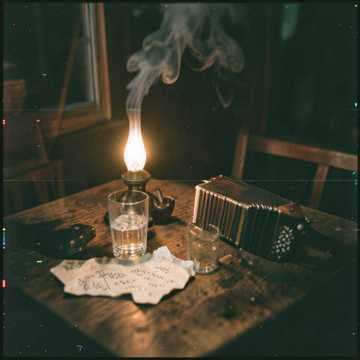
па1
Озорная сатирическая песня высмеивает самоуверенную болтовню, псевдообразованность и отсутствие фактов. Куплеты звучат живо и насмешливо, а замедленный припев превращается в театральный трактирный приговор. Женский вокал, баян, аккордеон, гитара, контрабас и публика создают атмосферу шумного народного представления.
03:10
6 days ago
Playful Brass: Definition, History, and Musical Character
Playful Brass is a descriptive music tag for bright, energetic, humorous, and lighthearted compositions that use brass instruments as a central expressive element. Trumpets, trombones, French horns, tubas, cornets, and related brass instruments may be combined with pizzicato strings, woodwinds, percussion, handclaps, piano, or electronic sounds to create a lively and approachable atmosphere. The defining qualities of Playful Brass include bouncy rhythms, memorable horn hooks, comic accents, punchy staccato phrases, cheerful harmonies, and a sense of motion or friendly mischief. Playful Brass is not a single formal genre. It is a flexible production and mood classification that can appear in orchestral music, jazz, funk, pop, marching-band arrangements, film scores, television themes, advertising music, game soundtracks, and royalty-free library music. Its history can be traced to several overlapping traditions. Early brass-band and military-band music established the use of bold, clearly projected brass melodies in public entertainment. Ragtime, vaudeville, silent-film accompaniment, and early jazz later introduced syncopation, comic timing, call-and-response, and expressive brass punctuation. In the swing era, arrangers developed tightly coordinated horn sections whose short figures and rhythmic accents could sound both sophisticated and playful. Mid-century film composers and television arrangers expanded the sound through orchestral color, unusual instrument combinations, and carefully timed brass hits. Funk, soul, ska, pop, and contemporary production techniques then added stronger backbeats, repeated riffs, sampled horns, and processed brass textures. Today, Playful Brass commonly describes music designed to feel upbeat, colorful, curious, mischievous, celebratory, or family-friendly. Tempo alone does not define the tag: a medium-tempo piece can qualify when its brass writing, articulation, and musical gestures create a distinctly playful personality.
Playful Brass Sub-Tags and Classifications
Whimsical Orchestral Brass
Whimsical Orchestral Brass combines bright trumpet, trombone, French horn, or tuba phrases with strings, woodwinds, glockenspiel, pizzicato, and light percussion. It often uses exaggerated dynamics, sudden pauses, unexpected harmonic turns, and short musical gestures that resemble cartoon or theatrical movement. This Playful Brass classification is especially suitable for family entertainment, animation, comedy, children's content, and scenes involving curiosity or discovery.
Comedy Brass
Comedy Brass emphasizes timing and musical punctuation. Short trombone slides, muted trumpet interjections, low-brass growls, quick runs, rimshots, cymbal hits, and abrupt stops can underline a character's mistake, surprise, entrance, or exaggerated reaction. Comedy Brass is usually arranged so that musical events align closely with visual action, making it useful for slapstick scenes, sketches, comedic transitions, and humorous online videos.
Bright Brass Ensemble
Bright Brass Ensemble focuses on a clean, full, and welcoming group sound. Trumpets often carry the main melody while trombones provide weight, horns add warmth, and tuba or bass trombone reinforces the rhythmic foundation. The arrangement may use repeated motifs, major-key harmony, and layered dynamic builds. This classification works well for celebratory introductions, event videos, travel content, educational media, and upbeat brand communication.
Playful Jazz Brass
Playful Jazz Brass draws on swing, syncopation, improvisation, walking-bass motion, and conversational horn writing. Trumpet, trombone, and saxophone sections may exchange short phrases or form a call-and-response pattern. Harmonies can include jazz seventh chords and chromatic passing tones while retaining an accessible, buoyant mood. The style is appropriate for retro settings, café scenes, character introductions, lifestyle advertising, and sophisticated comedy.
Funky Brass
Funky Brass uses repeated horn riffs, syncopated accents, tight ensemble attacks, and a strong bass-and-drum groove. Brass parts are frequently arranged as rhythmic blocks rather than sustained orchestral lines, producing an energetic and danceable sound. Funky Brass can support sports media, product launches, urban lifestyle videos, game menus, action montages, and scenes that need confidence without sounding aggressive.
Marching and Parade Brass
Marching and Parade Brass is built around clear pulse, memorable melodies, repeated phrases, and a sense of public celebration. Trumpets, cornets, trombones, sousaphones, and percussion create a direct, outdoor-friendly sound. The classification may evoke a parade, festival, school band, circus, or community event. Playful arrangements often add call-and-response sections, cheerful modulations, and exaggerated low-brass figures.
Circus and Carnival Brass
Circus and Carnival Brass uses theatrical melodies, quick tempo changes, chromatic flourishes, fanfare gestures, and comic low-brass effects to suggest spectacle and movement. It may combine brass with accordion, calliope-like keyboards, snare drum, cymbals, and percussion. This classification is useful for carnival scenes, eccentric characters, magical entrances, game levels, promotional trailers, and playful content that needs a heightened sense of imagination.
Retro Lounge Brass
Retro Lounge Brass takes inspiration from mid-century pop, easy listening, lounge jazz, and television arrangements. Muted trumpets, smooth horn pads, brushed drums, electric piano, vibraphone, and relaxed bass lines create a polished but lighthearted atmosphere. The sound can feel stylish, nostalgic, and gently comic, making it suitable for vintage advertising, period drama, cooking content, fashion media, and elegant character-driven scenes.
Brass and Claps
Brass and Claps combines short horn phrases with handclaps, stomps, snaps, or other percussive body sounds. The arrangement is often simple and highly rhythmic, allowing the brass hook to remain immediately recognizable. This sub-tag is common in advertising, social-media videos, tutorials, sports introductions, and upbeat corporate content because it communicates energy quickly and translates well on small speakers.
Quirky Low Brass
Quirky Low Brass places tuba, bass trombone, baritone horn, or low-register trombone at the center of the musical character. Heavy-sounding instruments are used in a humorous or unexpected way through bouncing rhythms, short notes, glissandi, and exaggerated accents. Quirky Low Brass is effective for comic villains, clumsy movement, puzzle games, odd inventions, cooking mishaps, and scenes that need friendly eccentricity.
Fanfare and Celebration Brass
Fanfare and Celebration Brass uses rising trumpet figures, sustained horn harmonies, rhythmic hits, and clear cadences to announce an achievement or important moment. Unlike a solemn ceremonial fanfare, the playful version favors lively syncopation, bright orchestration, and approachable melodies. It can accompany award reveals, product announcements, opening titles, festival videos, sports victories, and positive news segments.
Famous Artists and Works Related to Playful Brass
Leroy Anderson
Leroy Anderson was an American composer and arranger known for concise orchestral miniatures that turned everyday sounds and instrumental colors into memorable musical events. Works such as "Bugler's Holiday," "The Syncopated Clock," and "The Typewriter" demonstrate his gift for precise timing, bright orchestration, and gentle comedy. His brass writing often uses crisp fanfare gestures and rhythmic clarity, making his music an important reference for orchestral Playful Brass and family-friendly production music.
Bugler's Holiday by Leroy Anderson
This short orchestral piece places trumpets in the foreground with fast, clean, and celebratory figures. Its appeal comes from the contrast between technical brightness and approachable musical humor. The brass parts behave almost like a conversation among multiple buglers, with repeated motifs, quick exchanges, and strong rhythmic definition. The work is a classic example of Playful Brass because it creates excitement without relying on heavy drama, and it demonstrates how a compact brass idea can become the entire identity of a composition.
Henry Mancini
Henry Mancini helped define the sound of modern film and television comedy through economical melodies, distinctive instrumental combinations, and carefully controlled mood. His work on "The Pink Panther Theme" uses a cool, stealthy groove, muted brass color, and sly rhythmic phrasing to create playful sophistication. Mancini's arrangements show how brass can suggest humor and character without becoming excessively loud or exaggerated.
The Pink Panther Theme by Henry Mancini
The theme is built around a slinky melody, restrained rhythm section, chromatic movement, and muted brass color. Rather than using bright fanfare, Mancini makes the trumpet sound secretive, urbane, and slightly mischievous. The controlled dynamics and deliberate spaces between phrases create room for visual comedy and character movement. Its innovation lies in treating playful brass as subtle and cool rather than simply loud or cheerful, making it a major reference for comic suspense and stylish mischief.
Herb Alpert and the Tijuana Brass
Herb Alpert and the Tijuana Brass brought a highly accessible brass-pop sound to a wide audience during the1960s. Recordings such as "The Lonely Bull," "A Taste of Honey," and "Spanish Flea" combine trumpet-led melodies with Latin-influenced rhythms, concise arrangements, and colorful ensemble accents. Their work helped establish bright brass as a central sound for cheerful entertainment, television, advertising, and upbeat instrumental pop.
Spanish Flea by Herb Alpert and the Tijuana Brass
The piece combines a highly memorable trumpet melody with Latin-influenced rhythm, repeated accompaniment patterns, and short ensemble responses. Its melody is easy to recognize, while the arrangement maintains constant forward motion through percussion and brass punctuation. The recording illustrates how Playful Brass can be both festive and commercially direct. Its concise hook, bright tone, and strong rhythmic profile make it especially relevant to advertising music and celebratory media.
Quincy Jones
Quincy Jones demonstrated exceptional versatility as an arranger, composer, producer, and bandleader. Across jazz, film music, pop, and television, he used brass sections to create punch, movement, elegance, and rhythmic excitement. His arrangements show how horn stabs, layered sections, and carefully voiced brass harmonies can remain playful while still sounding polished and sophisticated.
The Typewriter by Leroy Anderson
Although the typewriter is the most obvious sound source, the piece uses orchestral brass and percussion to frame the mechanical rhythm as a comic musical performance. Brass accents help establish transitions, reinforce punch lines, and enlarge the small mechanical gestures into a full orchestral joke. The work demonstrates an important Playful Brass technique: using precise instrumental timing and unexpected timbres to turn an ordinary action into a memorable scene.
Ray Anthony
Trumpeter and bandleader Ray Anthony was associated with accessible big-band, swing, and popular instrumental music. His recordings use bright trumpet melodies, tightly coordinated sections, and dance-oriented rhythms. This combination of clarity and energy is closely related to the classic Playful Brass sound, particularly in retro lounge, television, ballroom, and celebratory contexts.
The Entertainer by Scott Joplin
Scott Joplin's ragtime classic is primarily a piano work, but its syncopated structure has inspired countless brass-band, marching-band, orchestral, and media adaptations. Its offbeat accents, repeated strains, and buoyant rhythmic character provide an effective foundation for playful brass arrangements. When performed by brass ensembles, the melody gains public, theatrical energy while retaining the light comic character associated with ragtime and early popular entertainment.
John Williams
John Williams is widely known for large-scale film scores, but his writing also provides important examples of playful brass characterization. In works such as the "Cantina Band" sequence from "Star Wars" and the lighter passages of family-adventure scores, brass instruments create personality, comic timing, excitement, and theatrical scale. His approach shows how orchestral brass can move quickly between heroic, humorous, mysterious, and mischievous roles.
The Cantina Band sequence from Star Wars
The Cantina Band music uses a fictional dance-band concept to create an immediately recognizable and playful environment. Its syncopation, unusual instrumental color, quick melodic turns, and lively ensemble texture suggest a band performing inside an alien nightlife setting. Brass-like attacks and bright wind writing contribute to the sense of movement and eccentricity. The work demonstrates how Playful Brass can support world-building by giving a location its own social rhythm and comic personality.
Nino Rota
Nino Rota used brass, winds, percussion, and unusual instrumental combinations to create distinctive cinematic worlds. His music for Federico Fellini's films often balances circus-like energy, melancholy, absurdity, and theatrical charm. Rota's use of brass for eccentric character and stylized movement is a valuable reference for whimsical, carnival, and character-driven Playful Brass arrangements.
When the Saints Go Marching In
This traditional song has become a standard for brass bands, jazz ensembles, parades, and community celebrations. Its simple melody, repeated harmonic pattern, and strong march-like pulse make it easy for large groups and audiences to join. Brass performances often add improvisation, call-and-response, syncopation, and dynamic variation. The piece represents the communal and celebratory side of Playful Brass, where the sound is designed for participation as much as for listening.
The Lucky Chops
The Lucky Chops helped popularize energetic brass-band performance through compact arrangements, powerful live playing, and contemporary interpretations of pop and funk material. Their approach emphasizes rhythmic precision, exuberant performance, and the ability of a small brass group to carry a complete arrangement without a traditional rock band. They represent a modern pathway from street performance and brass-band culture to digital media and viral video sound.
Soul Bossa Nova by Quincy Jones
The piece combines a lively bossa nova-inspired groove with bright horn writing, repeated motifs, and sharply defined ensemble gestures. Its arrangement is compact but richly layered, allowing brass figures to function as hooks, rhythmic punctuation, and harmonic color at the same time. The result is stylish, energetic, and immediately accessible. It is a strong reference for modern Playful Brass because it demonstrates how a sophisticated arrangement can remain humorous, memorable, and highly usable in visual media.
Tower of Power
Tower of Power established a highly influential funk and soul horn-section sound. Their tightly synchronized trumpet, trombone, and saxophone parts use sharp rhythmic attacks, repeated riffs, and intricate ensemble coordination. Although their broader style is funk rather than strictly Playful Brass, their horn arrangements strongly inform contemporary upbeat brass music used in commercials, sports media, games, and energetic montages.
Playful Brass Application Scenarios
Playful Brass is effective in animation because its short attacks and clear musical gestures can match movements on screen. Trumpet pops can emphasize a character's entrance, trombone slides can underline a stumble, and low-brass accents can make an object appear larger or heavier. A fast Playful Brass cue can support chase scenes, while a sparse comedic arrangement can leave space for dialogue and sound effects.
Animated Films and Cartoon Comedy
Bright brass melodies communicate friendliness, curiosity, and excitement without requiring complex lyrical content. Playful Brass can accompany discovery, toy demonstrations, imaginative journeys, birthday scenes, educational segments, and character introductions. Major-key harmony, moderate tempos, glockenspiel, pizzicato strings, and gentle percussion can keep the sound energetic while remaining welcoming to younger audiences.
Family Films and Children's Content
In advertising, Playful Brass can make a product reveal feel immediate and memorable. A short trumpet hook may function as an audio logo, while coordinated horn hits can emphasize packaging, feature lists, price reveals, or a final brand message. Brass and claps work particularly well for food, beverage, retail, travel, family services, mobile applications, and products positioned as cheerful, accessible, or innovative.
Advertising and Brand Commercials
Playful Brass can support platform games, puzzle games, party games, racing games, simulation games, and menu screens. Loop-friendly arrangements should use a clear groove, memorable but non-intrusive motifs, and enough harmonic space to repeat without becoming tiring. Low-brass figures can signal obstacles or comic failure, while fanfare-like brass can reward progress, level completion, item collection, or a successful challenge.
Game Background Music
Punchy brass sections help create a sense of entry, competition, and celebration in sports content. Short fanfares can introduce teams or athletes, while funky horn riffs can support fast edits and highlight sequences. The music should leave room for commentary and crowd sound, so concise phrases, strong downbeats, and controlled low-frequency energy are often more effective than continuous dense orchestration.
Sports Intros and Highlight Reels
Cheerful Playful Brass can give travel footage a sense of movement, discovery, and local celebration. Marching brass may suit city festivals and street scenes, while Latin-influenced or jazz-inspired brass can support food markets, cultural events, and urban exploration. A moderate tempo and melodic horn hook help maintain momentum across changing locations without making the soundtrack feel overly dramatic.
Travel and Tourism Videos
A polished Playful Brass track can make a corporate presentation feel confident and human rather than overly formal. Light fanfares can introduce sections, while restrained brass grooves can support product demonstrations, onboarding videos, technology explainers, and milestone announcements. The arrangement should use clean mixing and moderate dynamics so that narration remains clear.
Corporate Presentations and Product Demonstrations
Playful Brass provides immediate comic punctuation for sketches, reaction videos, tutorials, cooking mishaps, and short-form social content. A single low-brass note, a muted trumpet phrase, or a rapid ensemble sting can establish the joke without requiring a long musical passage. Short, clearly edited cues are especially useful when the visual timing changes frequently.
Comedy, Sketches, and Online Video
Brass instruments project well in open spaces and naturally support group celebration. Parade-style Playful Brass can accompany entrances, procession footage, community events, school performances, and festival recaps. Repetitive melodies, call-and-response sections, and strong percussion make the music easy to follow while preserving a sense of movement and public participation.
Parades, Festivals, and Live Events
A concise Playful Brass sting can give a podcast, radio segment, or recurring online series a distinctive sonic identity. A two- to five-second trumpet or horn motif can signal the beginning of an episode, while a longer groove can support transitions. Because brass cuts through speech and other production elements, careful arrangement and equalization are important for maintaining vocal clarity.
Podcast Intros and Radio Imaging
Lighthearted brass can add pace and personality to recipe videos, craft demonstrations, home projects, and lifestyle tutorials. Staccato horn figures can match cutting, mixing, assembling, or reveal moments, while a warm ensemble can make the content feel social and inviting. The most effective cues use a steady pulse and clear sections that align with the stages of the demonstration.
Cooking, Craft, and Lifestyle Content
Playful Brass can make historical, scientific, or cultural information feel approachable. A curious horn motif can introduce a discovery, and a restrained marching or fanfare arrangement can guide viewers through sections of an exhibit. The music should support attention and curiosity without overpowering narration, especially when the subject matter requires careful explanation.
Museum, Exhibition, and Educational Media