
Free Polka Groove Music Generator Powered by AI
Turn text into high-quality Polka Groove music effortlessly – no login required!

music.toolTips

Дятел, тук да тук
Игривая песня рассказывает о трудолюбивом дятле, который стучит по деревьям, ищет жучков и помогает лесу. Бодрый польковый ритм, звуки деревянных палочек и повторяющийся припев создают тёплую, понятную детям атмосферу для пения, игры и знакомства с природой.
01:15
1 days ago
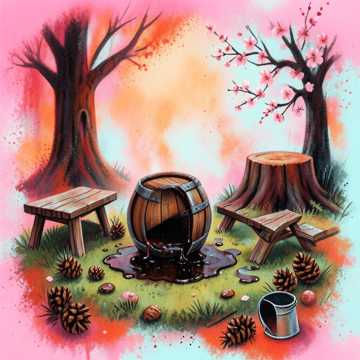
Лесная братва
Комедийная лесная пирушка превращается в шумную потасовку, но звери быстро мирятся, обнимаются и засыпают под песни. Задорный фолк-панк, полковый ритм, хриплые выкрики и яркие персонажи создают атмосферу деревенского застолья, театрального балагана и доброго абсурдного веселья.
02:30
3 days ago
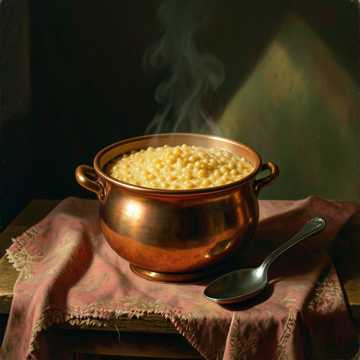
Манка, манка
Комическая семейная история о том, как Александр просит манную кашу, Вика готовит её для всей семьи, а дети с удовольствием присоединяются к обеду. Песня превращает обычную кухонную сцену в шумный, добрый праздник с шутками, заботой и неизбежной горой посуды.
02:33
4 days ago
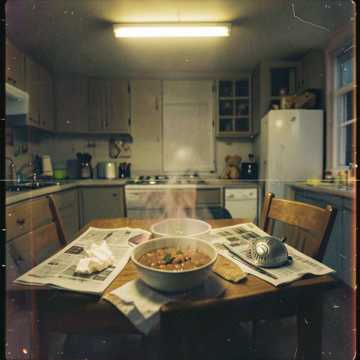
Jeroen, onze knuffelbeer
Een opgewekt eerbetoon aan Jeroen, de liefdevolle papa en handige familieman. Zijn humor, kookkunsten, oldtimer en warme aanwezigheid worden gevierd in een aanstekelijke feestpop met accordeon, meezingrefrein en speelse familietaferelen.
02:28
5 days ago
What Is Polka Groove? Definition, History, and Musical Development
Polka Groove is a lively hybrid music tag describing tracks that combine the upbeat two-step pulse of traditional polka with a strong, repetitive groove drawn from funk, pop, rock, electronic dance music, or contemporary world music. A typical Polka Groove arrangement may feature an oom-pah bass pattern, bright accordion or concertina phrases, a steady kick-and-snare beat, syncopated rhythm guitar, clapping percussion, and an energetic dance-oriented bass line. The result is music that preserves polka's characteristic bounce while adding the loop-based momentum and production style associated with modern groove music. Polka originated in Central Europe during the nineteenth century, becoming especially popular in Bohemia before spreading throughout Europe and the United States. As polka entered different cultural environments, it absorbed local instruments, tempos, harmonies, and performance practices. American polka developed into several regional traditions, including Czech, German, Polish, Slovenian, and Slovenian-style dance music. During the twentieth and twenty-first centuries, producers and performers began combining polka rhythms with jazz, swing, funk, rock, ska, pop, hip-hop, and electronic production. The term Polka Groove is therefore best understood as a contemporary descriptive classification rather than one universally standardized historical genre. It is useful for identifying music with a clear polka foundation, a pronounced rhythmic pocket, and an upbeat, highly danceable character. Polka Groove tracks are commonly fast or medium-fast, often using duple meter, repeated melodic motifs, short instrumental hooks, and dynamic arrangements designed to maintain movement and audience participation.
Polka Groove Sub-Tags and Musical Classifications
Traditional Accordion Polka Groove
This classification places the accordion, concertina, or button accordion at the center of the arrangement. The rhythm section usually follows a traditional oom-pah pattern, with bass notes or low chords on one beat and fuller chordal accents on the next. Traditional Accordion Polka Groove is often associated with community dances, festivals, beer halls, folk celebrations, and regional cultural events. It may use clarinet, trumpet, trombone, tuba, or violin to reinforce the melody and create a bright ensemble sound.
Funk Polka Groove
Funk Polka Groove combines polka's two-step bounce with syncopated bass lines, muted guitar, tight drum patterns, and horn-section accents. Compared with traditional polka, the bass and drums occupy a more prominent role, creating a deeper rhythmic pocket. Accordion melodies may be played in short, repetitive phrases that function like funk riffs. This sub-tag is suitable for energetic, playful, and highly rhythmic tracks that emphasize groove, call-and-response, and repeated instrumental hooks.
Rock Polka Groove
Rock Polka Groove adds electric guitar, amplified bass, live drum-kit impact, and sometimes distorted or overdriven accordion to the traditional polka framework. The music may retain a fast two-beat pulse while using rock-style backbeats, power chords, guitar solos, and dramatic transitions. This classification works particularly well for humorous rock songs, festival performances, high-energy stage shows, and tracks that need a rebellious or celebratory attitude.
Pop Polka Groove
Pop Polka Groove is built for immediate accessibility. It generally uses a concise structure, catchy chorus, polished production, bright melodic hooks, and a clear dance beat. Traditional polka instruments may be layered with synthesizers, sampled percussion, bass guitar, handclaps, and modern vocal effects. The style can range from a faithful polka adaptation to a mainstream pop song with only a subtle accordion-led rhythmic identity.
Electronic Polka Groove
Electronic Polka Groove uses digital drums, synthesizers, programmed bass, sampling, looping, and sound-design effects to modernize the polka pulse. Producers may place accordion or brass samples over house, electro, breakbeat, or dance-pop foundations. Tempo automation, chopped vocal phrases, sidechain compression, and filtered transitions can make the music suitable for clubs, online videos, game menus, and fast-paced promotional content.
Swing and Jazz Polka Groove
This sub-tag combines polka's regular two-step drive with swing phrasing, walking bass, jazz harmony, improvisation, and horn writing. Clarinet, trumpet, saxophone, trombone, piano, double bass, and drums may share the arrangement with accordion or concertina. Swing and Jazz Polka Groove often features call-and-response passages, extended instrumental solos, chromatic harmony, and a more flexible interpretation of the basic dance rhythm.
Folk and World Polka Groove
Folk and World Polka Groove refers to versions shaped by local musical traditions. Depending on the region, the arrangement may incorporate Balkan brass, Mexican bajo sexto, Nordic fiddle, Irish folk instruments, Eastern European clarinet, or Latin percussion. The central polka motion remains recognizable, but the melody, scales, instrumentation, and ornamentation reflect a broader cultural setting. This classification is useful for travel media, cultural documentaries, folk festivals, and world-music playlists.
Comedy and Novelty Polka Groove
Comedy and Novelty Polka Groove uses the genre's fast tempo, exaggerated accents, abrupt changes, and recognizable accordion sound to create a playful or satirical mood. Lyrics, spoken interludes, parody arrangements, unexpected medleys, and theatrical sound effects are common. The musical foundation remains highly danceable, making this sub-tag effective for comedy performances, humorous advertising, sketch shows, and lighthearted online content.
Cinematic and Orchestral Polka Groove
Cinematic and Orchestral Polka Groove expands the basic dance rhythm with strings, woodwinds, brass, percussion, and dramatic production. It may begin with a small accordion motif and gradually build into a full ensemble, or it may use rapid staccato orchestration to create comic momentum. This classification is especially appropriate for chase scenes, whimsical montages, historical settings, animated sequences, and celebratory film moments.
Famous Artists and Representative Works Related to Polka Groove
Frankie Yankovic
Known as the King of Polka, Frankie Yankovic helped popularize American-style Slovenian polka through recordings, radio appearances, and touring. His accordion-centered performances, including the widely recognized song Just Because, established a clear template for bright melodic lines, steady two-step accompaniment, and highly accessible dance arrangements. His work is an important foundation for modern Polka Groove because it demonstrates how a traditional polka rhythm can be organized around memorable hooks and a strong performance groove.
Just Because - Frankie Yankovic
This song is a representative example of American Slovenian-style polka. Its appeal comes from a direct melodic hook, an immediately recognizable accordion sound, a firm two-step pulse, and an arrangement designed for group dancing. The low-end accompaniment and repeated rhythmic pattern create the kind of continuous forward motion that remains central to Polka Groove. Its accessible structure also shows how traditional dance music can become a popular song through concise phrasing and memorable repetition.
Lawrence Welk
Bandleader Lawrence Welk brought polka, waltz, and other dance styles to a large television audience through The Lawrence Welk Show. His polished ensemble sound emphasized clear arrangements, disciplined rhythm, cheerful presentation, and broad audience appeal. Although his music is primarily associated with traditional and popular dance-band programming, his approach influenced the clean, upbeat, family-friendly sound often associated with contemporary Polka Groove productions.
Beer Barrel Polka - Škoda Lásky
Originally associated with Czech composer Jaromír Vejvoda and widely known internationally as Beer Barrel Polka, this work became one of the best-known polka melodies in the world. Its straightforward harmonic movement, buoyant two-beat rhythm, and singable refrain make it effective for mass participation. The song's international circulation demonstrates how a strong polka groove can travel across languages and cultures while retaining its core rhythmic identity.
Jimmy Sturr
Jimmy Sturr is one of the best-known American polka bandleaders of the modern era. His recordings and collaborations helped present polka as a flexible popular style capable of incorporating country, pop, rock, and other contemporary influences. His large-band arrangements, featured vocalists, prominent accordion parts, and strong rhythmic drive illustrate how traditional polka can be updated without losing its dance identity.
In Heaven There Is No Beer - Traditional Polka Standard
This widely performed polka standard is valued for its repetitive melodic construction, communal chorus potential, and strong dance-floor energy. Different performers have adapted it for accordion bands, brass ensembles, country groups, rock arrangements, and novelty performances. Its flexible form makes it a useful model for Polka Groove producers who want to create a track that supports audience singing, call-and-response, and repeated instrumental breaks.
Weird Al Yankovic
Weird Al Yankovic played a major role in bringing polka-based medleys and accordion-led novelty arrangements to mainstream popular culture. Works such as Polka Party!, Polka Your Eyes Out, and The Alternative Polka combine rapid transitions, comic timing, genre imitation, and tightly edited medleys. His work is particularly relevant to Polka Groove because it shows how a fast polka pulse can support rock, pop, hip-hop, and parody material while remaining immediately recognizable.
Polka Party! - Weird Al Yankovic
Polka Party! demonstrates the medley-based and comedic possibilities of modern Polka Groove. The arrangement moves rapidly between recognizable popular-song fragments while maintaining a consistent polka rhythm. Its innovation lies in its editing, harmonic adaptation, fast transitions, vocal mimicry, and use of accordion as a unifying sound. The work shows that Polka Groove can function as a production technique for reinterpreting multiple genres, not only as a traditional dance style.
The Brave Combo
The Texas-based band Brave Combo is celebrated for combining polka with Latin music, rock, jazz, cumbia, and other international styles. Their energetic live performances and cross-cultural arrangements demonstrate that polka can function as a rhythmic platform rather than a narrowly defined regional style. Their music is an important reference for World Polka Groove, Latin Polka Groove, and genre-fusion arrangements.
The Beer Barrel Polka - Traditional and Modern Ensemble Versions
Modern ensemble versions of The Beer Barrel Polka often add brass punches, drum-kit backbeats, electric bass, handclaps, and amplified accordion. These adaptations highlight the difference between a basic traditional polka arrangement and a contemporary Polka Groove production. The melody remains familiar, while the rhythm section supplies greater impact, the mix emphasizes low-frequency movement, and the arrangement uses breaks and dynamic builds suited to modern live shows or media placement.
The Chieftains
The Chieftains are primarily known for Irish traditional music, but their use of dance rhythms, reels, jigs, and ensemble interplay provides a valuable comparison for folk-oriented Polka Groove. Their work illustrates how regional dance music can be arranged with strong rhythmic continuity, acoustic instrumental color, and lively group interaction. They are relevant to the broader folk and world-music side of the Polka Groove tag.
Brave Combo's Cross-Genre Polka Arrangements
Brave Combo's repertoire is an important example of polka as a fusion language. Their arrangements connect polka's two-step motion with cumbia, salsa, rock, and other dance forms, often using percussion patterns and instrumental colors from outside the Central European tradition. The innovation is not simply the addition of new instruments; it is the reorganization of the groove so that different cultural rhythmic ideas can coexist within a highly energetic dance framework.
Muzsikás
Hungarian folk ensemble Muzsikás represents the Central and Eastern European traditions that helped shape the historical environment from which modern polka and related dance forms developed. Their fiddle, flute, cimbalom, and folk-ensemble textures offer useful inspiration for acoustic, regional, and cinematic Polka Groove arrangements. Their contribution is especially significant for producers seeking an authentic folk character rather than a purely commercial accordion sound.
Polka Groove Music Application Scenarios
Polka Groove is effective in comedic scenes, eccentric character introductions, wedding receptions, community festivals, parade sequences, and fast-moving montages. Accordion, tuba, pizzicato strings, brass stabs, and abrupt rhythmic breaks can create a playful sense of motion. For a more modern film score, producers can combine the polka beat with cinematic percussion, electronic bass, or orchestral builds to support chase scenes and exaggerated action.
Movie Soundtracks and Television Comedy
The upbeat character of Polka Groove helps advertisements communicate friendliness, celebration, humor, and high energy within a short duration. A memorable accordion riff can function as an audio logo, while claps and repeated two-step accents make the commercial easy to remember. Polka Groove can be used for food and beverage brands, family products, travel campaigns, festival promotions, retail sales, and commercials that want a distinctive folk-pop identity.
Advertising and Brand Campaigns
Polka Groove works well as background music for carnival levels, village stages, cooking games, farming simulations, puzzle games, party games, and humorous boss battles. Its repetitive rhythmic structure can support looping without requiring a long melodic development. Game composers may create adaptive layers in which accordion, percussion, bass, and brass enter or exit according to player progress, increasing intensity while preserving the central groove.
Video Games and Interactive Media
Because Polka Groove is built around a clear dance pulse and memorable melodic phrases, it is suitable for outdoor festivals, cultural celebrations, parades, Oktoberfest-style events, wedding receptions, and community dances. Live versions often emphasize brass, accordion, tuba, drum kit, clapping, and audience participation. The style can be arranged for small acoustic ensembles or expanded into a large festival band.
Festival, Parade, and Community Events
The steady two-step movement of Polka Groove makes it useful for beginner dance lessons, folk-dance workshops, cardio routines, and family fitness videos. Producers can choose a moderate tempo for instructional material or a faster tempo for energetic workouts. Clear downbeats, repeated sections, and prominent bass accents help participants anticipate changes and maintain coordinated movement.
Dance Classes and Fitness Content
Short Polka Groove cues are useful for introductions, transitions, humorous reveals, cooking videos, travel content, craft demonstrations, and celebratory announcements. The genre's instantly recognizable accordion and bounce can establish a lighthearted tone within a few seconds. Short loopable versions are especially practical for social media clips because they remain energetic without requiring a complete song structure.
Online Videos, Podcasts, and Social Media
Restaurants, beer gardens, cultural venues, amusement parks, and themed attractions can use Polka Groove to create a festive and welcoming atmosphere. Acoustic accordion-led tracks suit daytime and family environments, while funk or electronic Polka Groove can support evening events and modern themed spaces. The arrangement should be chosen carefully so the rhythmic energy enhances the environment without overpowering conversation.
Restaurant, Hospitality, and Themed Entertainment
A strong Polka Groove hook can be adapted into a stadium chant, team entrance cue, timeout jingle, or victory celebration. Brass accents, snare drums, claps, and short call-and-response phrases make the music easy for a crowd to follow. The style's positive and humorous energy can help create a memorable team identity or recurring event tradition.
Sports Events and Crowd Participation
Acoustic Polka Groove can underscore stories about Central European heritage, immigration, regional festivals, community traditions, and the development of American folk music. A historically informed arrangement may use accordion, clarinet, violin, tuba, and acoustic percussion, while a contemporary documentary may blend these sounds with ambient textures and modern bass. This approach connects the music's traditional roots with present-day cultural interpretation.
Historical, Cultural, and Travel Documentaries