
Free Religious doubt Music Generator Powered by AI
Turn text into high-quality Religious doubt music effortlessly – no login required!

music.toolTips
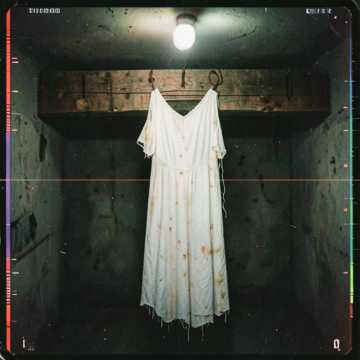
In his image
A whispered prayer becomes an indictment of divine creation as the narrator confronts death, inherited suffering and the demand for gratitude. Funeral piano, distorted choir and a shattering vocal climax give way to exhausted acceptance and silence, suited to bleak psychological drama or a ritualistic stage scene.
04:49
Invalid date

EL CIELO TIENE OJOS
Una mujer confronta a Dios por observar el dolor sin intervenir. Entre plegarias, duelo y rabia, la canción cuestiona la fe, la justicia y el silencio celestial, avanzando desde la tristeza contenida hasta una rebelión desgarradora, sin ofrecer consuelo ni redención.
05:30
4 days ago

Piedra En La Boca
Una canción de protesta contra el sufrimiento y la indiferencia divina. La voz protagonista transforma el duelo, el hambre y la injusticia en acusación, avanzando desde la impotencia hacia una rebeldía feroz, sostenida por una atmósfera grunge, oscura, errática y visceral.
03:42
4 days ago
Religious Doubt in Music: Definition and History
Religious Doubt is a thematic music tag for songs and compositions that explore uncertainty about religious belief, divine presence, sacred institutions, or the meaning of faith. It is not a single musical genre: Religious Doubt music can appear in folk, rock, gospel, indie, classical, and other traditions. Its perspectives range from a believer's anguished questions to skepticism, spiritual searching, and criticism of organized religion. The theme has roots in sacred texts and musical traditions that give voice to lament, including settings of the Psalms and Passion narratives. Later, hymns, spirituals, and popular songs continued to express struggle alongside devotion. During the twentieth century, songwriters increasingly used blues, folk, rock, and confessional songwriting to examine faith in personal and social terms. Contemporary Religious Doubt music draws on those traditions while addressing experiences such as disillusionment, deconstruction of inherited beliefs, grief, and the search for meaning beyond established doctrine. The tag describes a subject and emotional perspective rather than an artist's fixed religious identity.
Religious Doubt Sub-tags and Classifications
Spiritual Crisis and Divine Absence
Music in this category portrays a perceived silence or absence of God, often in response to suffering, loneliness, or unanswered prayer. Sparse arrangements, subdued vocals, and unresolved harmonies can reinforce the tension between a desire for faith and the feeling that reassurance is out of reach. These songs may remain open to belief even as they express profound uncertainty.
Questioning Religious Institutions
This classification focuses on religious authority, doctrine, hypocrisy, and the social effects of organized religion. Lyrics may challenge institutional power or contrast stated teachings with lived experience. The musical approach ranges from direct folk protest and rock satire to quieter narratives about alienation from a religious community.
Faith, Suffering, and Moral Conflict
These works ask how suffering, injustice, guilt, or human violence can coexist with religious beliefs about goodness and divine care. Rather than rejecting faith outright, they often hold competing ideas in tension. Biblical imagery, personal testimony, and emotionally exposed performances are common ways of making abstract theological questions immediate.
Deconstruction and Leaving Faith
Songs about deconstruction examine inherited beliefs, religious upbringing, and the process of reconsidering or leaving a faith tradition. They may describe grief, relief, estrangement, or uncertainty about identity and community. Contemporary singer-songwriters often use intimate lyrics and restrained production to make this gradual change feel personal.
Skepticism and Secular Searching
This sub-tag includes music that questions supernatural claims or seeks meaning outside religious belief. Some songs use humor and argument, while others focus on wonder, ethics, mortality, and human connection. Religious Doubt in this context can lead toward a secular outlook without necessarily offering a definitive answer.
Sacred Lament and Ambiguous Faith
These pieces draw on prayer, hymns, gospel, or other sacred musical languages while expressing grief and uncertainty. Their use of devotional forms can make doubt sound like part of an ongoing spiritual conversation. Choral textures, repeated pleas, and solemn melodies may suggest both distance from and attachment to religious tradition.
Famous Artists and Works Exploring Religious Doubt
George Harrison
Harrison's spiritual songwriting often combines devotion with questions about belief and the divine. In 'My Sweet Lord,' he blends Christian and Hindu devotional phrases over a pop-rock arrangement, while 'Awaiting on You All' expresses a more emphatic spiritual message. His work is useful to Religious Doubt listeners because it shows how searching and longing can coexist with an explicit desire for faith.
Dear God — XTC
Released in1986, 'Dear God' takes the form of an address to a deity whose existence and goodness the narrator disputes. It begins with a childlike vocal and acoustic guitar before developing into a fuller, more forceful arrangement. The song's direct questions about suffering and religious belief, paired with a memorable pop melody, make it a defining example of skeptical Religious Doubt music.
XTC
The English band XTC brought direct religious skepticism into pop music with 'Dear God.' Written by Andy Partridge, the song questions divine responsibility for suffering and challenges the authority of religious belief. Its accessible melody and pointed lyrics helped make theological argument the center of a widely discussed alternative rock song.
Into My Arms — Nick Cave and the Bad Seeds
This piano-led song opens with the narrator stating disbelief in an interventionist God, then imagines praying for a loved one's safety. Its innovation lies in the tension between the narrator's stated skepticism and the tenderness of the prayer-like address. The restrained arrangement leaves space for that contradiction, making the song resonant for both secular and religious listeners.
Nick Cave and the Bad Seeds
Nick Cave frequently uses biblical imagery to explore violence, mercy, grief, and spiritual uncertainty. Works such as 'Into My Arms' and 'The Mercy Seat' place sacred language in emotionally and morally unsettled settings. His contribution to Religious Doubt music lies in presenting belief and disbelief as dramatic, lived tensions rather than simple positions.
Casimir Pulaski Day — Sufjan Stevens
From the2005 album 'Illinois,' this intimate narrative follows a relationship shadowed by cancer and death. Quiet acoustic textures and a gentle vocal frame details of illness, prayer, and grief. Its closing reflections on divine giving and taking leave the listener with unresolved questions about suffering and faith.
Sufjan Stevens
Stevens often brings Christian imagery into intimate songs about family, illness, death, and longing. On 'Casimir Pulaski Day,' a story of young love and terminal illness raises painful questions about prayer and divine action. His delicate arrangements give spiritual uncertainty a quiet, personal scale.
Hallelujah — Leonard Cohen
First released by Cohen in1984 and later interpreted by many artists, 'Hallelujah' joins biblical references with images of love, loss, and imperfect praise. Its recurring refrain can sound devotional, weary, or defiant depending on the performance. That ambiguity allows the song to speak to Religious Doubt without reducing its meaning to a single statement about belief.
Leonard Cohen
Cohen drew on Jewish and Christian imagery to explore desire, mortality, devotion, and the limits of certainty. Songs including 'Hallelujah' and 'You Want It Darker' combine sacred language with human vulnerability. His writing helped establish a space in popular song where reverence, argument, and ambiguity can inhabit the same lyric.
One of Us — Joan Osborne
Written by Eric Bazilian and popularized by Osborne in1995, 'One of Us' imagines God as an ordinary person encountered in everyday life. Its direct questions and accessible rock arrangement turn a theological thought experiment into a conversational pop song. The work's open-ended framing invites curiosity about belief, recognition, and the distance between the sacred and the familiar.
David Bazan
As a solo artist and former frontman of Pedro the Lion, Bazan has written candidly about evangelical upbringing, belief, and disillusionment. His album 'Curse Your Branches,' including the song 'Hard to Be,' examines inherited theology and the difficulties of changing one's convictions. His plainspoken songwriting has made him a significant voice for listeners interested in deconstruction and Religious Doubt.
Hard to Be — David Bazan
On the2009 album 'Curse Your Branches,' 'Hard to Be' revisits the biblical story of Adam and Eve while questioning inherited ideas about sin and responsibility. Bazan's measured delivery and rock arrangement support lyrics that are personal as well as theological. The song is a clear example of Religious Doubt expressed through the reassessment of doctrines learned in childhood.
Joan Osborne
Osborne's recording of 'One of Us,' written by Eric Bazilian, brought an approachable theological question to mainstream pop. By imagining God as an ordinary person, the song invites listeners to consider divine presence and their own responses to it. Its conversational premise makes spiritual uncertainty accessible without prescribing a single interpretation.
Application Scenarios for Religious Doubt Music
Religious Doubt music can underscore a character's crisis of faith after a loss, a confrontation with a religious community, or a moment of solitary reflection. A sparse piano or acoustic song may support an intimate scene, while a more intense rock track can emphasize anger or conflict. Lyrics should be chosen for their relationship to the character's specific experience.
Film and television drama
Documentaries or audio series about belief, religious upbringing, grief, or secular identity can use reflective Religious Doubt music to introduce a theme or bridge personal testimonies. Instrumental passages may work particularly well beneath speech, while a carefully selected vocal song can provide context during an opening or closing sequence.
Documentaries and podcasts
In a story-driven game, Religious Doubt music can accompany a protagonist questioning a sacred order, discovering a troubling history, or making a morally difficult choice. Recurring choral, acoustic, or ambient motifs can change as the character's understanding develops, helping the soundtrack connect spiritual uncertainty with the player's experience.
Narrative video games
Stage productions can use music about spiritual searching to deepen a monologue, transition between scenes, or support movement centered on grief and reconciliation. A solo voice may suggest private questioning, while an ensemble or choral passage can evoke the influence of a community or inherited tradition.
Theater and dance
A campaign centered on personal reflection, identity, or an individual's search for meaning might use the contemplative mood associated with Religious Doubt music. Instrumental music with a restrained, searching quality can convey introspection without imposing a religious message. Existing songs require appropriate licensing, and their lyrics should suit the campaign's context.
Advertising and brand storytelling
Listeners can use Religious Doubt playlists to explore questions about faith, cope with uncertainty, or find songs that articulate experiences of religious change. A sequence might move from sacred lament and intimate folk songwriting toward skeptical rock or secular reflections, allowing different perspectives to remain in conversation.
Personal listening and curated playlists