
Free Reunion Island Music Generator Powered by AI
Turn text into high-quality Reunion Island music effortlessly – no login required!

music.toolTips

mon maloya
In sominaz pou nout maloya, pou la kaz é pou la tradision i rasanbl tout dimoun. La mizik i gard son plas dan lo kèr, mèm lwin péi. Dann in mélanz maloya, séga é jazz, son ritm dousman i anmenn la jwa pou dansé ansanm.
03:02
Invalid date
pock
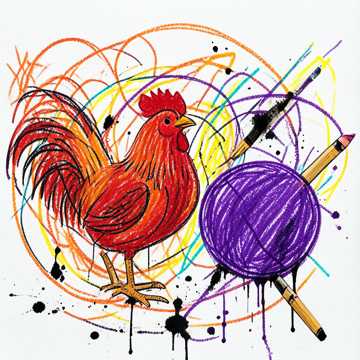
Pock raconte in rencontre malicieuse, chargée d’humour, de défi é de désir. Entre bataille coq, gestes provocants, piano agressé é paroles à double sens, lo chant mélange séga-maloya lent, sensualité, comédie é tension amoureuse.
02:18
Invalid date
21.11
Hymne radiophonique festif dédié à La Réunion, le morceau mêle swing, blues, jazz et rythmes entraînants. Une voix masculine, soutenue uniquement par la batterie, célèbre une radio rassembleuse qui accompagne les matins, les trajets, les terrasses et toutes les envies de danser.
04:14
5 days ago
21.11
21.11 célèbre Radio100% Jazz comme une force rassembleuse à La Réunion. Entre blues, swing, rhythm and blues et jazz-rock, la chanson met en scène une radio énergique qui accompagne les journées, rassemble les générations et transforme toute l’île en piste de danse.
04:08
5 days ago
Reunion Island Music: Definition, History, and Cultural Roots
Reunion Island music encompasses the traditional and contemporary sounds of Réunion, a French island in the Indian Ocean east of Madagascar. It is a geographical and cultural tag rather than a single genre: its best-known forms include maloya and séga, alongside contemporary jazz, rock, electronic music, and cross-cultural fusion. The island's musical traditions developed through encounters among people of African, Malagasy, European, Indian, and other backgrounds, shaped by colonization, slavery, indentured labor, migration, and the growth of a shared Creole culture. Maloya grew from the songs and rhythms of enslaved and later indentured communities, and became associated with remembrance, resistance, and rituals honoring ancestors. Séga developed as a popular dance music across the southwestern Indian Ocean, with Réunion creating its own recognizable styles. During the twentieth century, recordings, radio, political movements, and live performance brought these traditions to wider audiences. Maloya was at times suppressed and stigmatized, but artists and cultural activists helped bring it into public life; UNESCO inscribed Réunion's maloya on its Representative List of the Intangible Cultural Heritage of Humanity in2009. Today, Reunion Island music continues to evolve as musicians combine Creole vocals and traditional percussion with amplified instruments, global influences, and electronic production.
Reunion Island Music Sub-Tags and Classifications
Maloya
Maloya is one of the defining traditions of Reunion Island music. Often sung in Réunion Creole, it combines a lead voice and group responses with layered percussion. Instruments commonly associated with maloya include the roulèr, a large drum; the kayamb, a flat raft-shaped shaker; and the pikèr, a struck bamboo instrument. Its lyrics can address ancestors, community life, hardship, spirituality, and social justice. Maloya may be intimate and ceremonial or forceful and dance-oriented, depending on the performers and setting.
Séga Réunionnais
Séga Réunionnais is the island's local expression of séga, a family of dance music traditions found across the Indian Ocean. It is often associated with lively social gatherings, melodic songs, and danceable rhythms. Recordings may feature accordion, guitar, percussion, bass, and keyboards, with arrangements ranging from acoustic ensembles to modern dance bands. Creole lyrics frequently draw on everyday life, humor, romance, and local identity.
Maloya Fusion and Electric Maloya
Maloya fusion brings the rhythmic and vocal language of maloya into conversation with styles such as rock, jazz, blues, and music from other parts of the Indian Ocean. Electric guitars, bass, drum kit, and amplified textures can expand the sound while traditional percussion and Creole singing retain a connection to Reunion Island's musical heritage. This broad classification covers both subtle acoustic collaborations and powerful concert-oriented arrangements.
Electronic Maloya
Electronic maloya combines elements of Reunion Island maloya with synthesizers, sampling, programmed beats, and dance-music production. Producers may layer the pulse of kayamb or roulèr with electronic bass and effects, creating music suited to festivals, clubs, and contemporary listening. The category describes an approach rather than a fixed formula: some tracks foreground traditional voices and instruments, while others transform their rhythmic patterns into new electronic compositions.
Reunion Island Jazz and Indian Ocean Fusion
Reunion Island jazz and Indian Ocean fusion connect improvisation and modern ensemble playing with the island's rhythms and the wider region's musical relationships. Artists may combine piano, saxophone, guitar, or double bass with maloya percussion and Creole melodies. These recordings can range from reflective chamber-like pieces to energetic performances, making the classification useful for listeners exploring the island's contemporary instrumental music.
Reunion Island Creole Song
This broad classification covers songs rooted in the island's Creole language and cultural life that may draw on séga, maloya, folk, popular music, or several styles at once. The emphasis is on storytelling, vocal expression, and local themes, from family and landscape to love and social change. Arrangements can be sparse and acoustic or fully produced, so the tag works alongside more specific genre labels.
Famous Reunion Island Music Artists and Iconic Works
Danyèl Waro
A leading voice of Reunion Island maloya, Danyèl Waro is known for expressive Creole singing, handmade percussion, and a commitment to the music's cultural and political roots. Albums such as Bwarouz and Aou Amwin helped bring acoustic maloya to international audiences while keeping its poetry, rhythmic intensity, and collective spirit at the center of his work.
Bwarouz — Danyèl Waro
Bwarouz is an album that presents Danyèl Waro's voice and percussion-centered approach to maloya. Its appeal lies in the interaction of rhythm, collective vocal energy, and Creole-language expression rather than elaborate studio ornamentation. The album is a useful entry point into the emotional range of Reunion Island maloya, from reflective passages to urgent, propulsive performances.
Firmin Viry
Firmin Viry was a foundational figure in the public recognition of maloya. His performances and recordings helped carry a tradition long associated with marginalized communities into concerts and wider cultural life. His work is particularly important for listeners interested in the relationship between Reunion Island music, Creole identity, and social and political expression.
Parabolèr — Alain Peters
Parabolèr is a compilation of recordings by Alain Peters, valued for its poetic songwriting and distinctive blend of Reunion Island traditions with broader popular influences. Peters's voice and Creole lyrics give the music an intimate character, while the arrangements reveal an imaginative approach to melody and rhythm. The collection offers an accessible introduction to an artist whose work has inspired later generations.
Alain Peters
Singer, poet, and multi-instrumentalist Alain Peters created deeply personal Reunion Island music that drew on maloya, séga, rock, and other influences. The compilation Parabolèr introduced many listeners to his poetic Creole songwriting and distinctive, often intimate sound. His work remains influential among musicians exploring the island's experimental and popular traditions.
Bato Fou — Ziskakan
Bato Fou is one of Ziskakan's best-known songs and a landmark of modern Reunion Island Creole music. Its memorable vocal melody and ensemble arrangement show how the group developed a popular sound while drawing on the island's cultural identity and Indian Ocean connections. It is a strong example of the way Creole-language songwriting can carry local expression to a broad audience.
Ziskakan
Founded by Gilbert Pounia, Ziskakan helped expand the audience for Reunion Island music through songs that connect Creole identity with Indian Ocean cultural influences. The group's repertoire includes the well-known song Bato Fou. Its use of varied instruments and contemporary arrangements helped demonstrate how local musical traditions could support new forms of popular song.
Mon Île — Ousanousava
Mon Île is a well-known Reunion Island song associated with Ousanousava. Its affectionate portrait of the island and its singable melody have made it a recognizable expression of local belonging. The song illustrates how Creole popular music can bring together place, collective memory, and an approachable, performance-friendly sound.
Ousanousava
Ousanousava is a prominent Reunion Island group associated with Creole song and séga. Its repertoire, including the widely known Mon Île, celebrates the island and its people through accessible melodies and community-oriented performances. The group has helped keep Creole-language popular music visible across generations.
Maloya Power — Lindigo
Maloya Power is an album that captures Lindigo's energetic contemporary approach to maloya. Group singing and interlocking percussion give the music momentum, while the band's collaborative outlook places Reunion Island traditions in dialogue with other influences. It illustrates how maloya can retain its collective rhythmic character in a modern concert and recording context.
Lindigo
Led by Olivier Araste, Lindigo brings maloya to contemporary stages with energetic group vocals, percussion, and collaborations that connect Réunion with other musical cultures. Albums such as Maloya Power present Reunion Island music as a living, collaborative practice, combining rhythmic drive with an outward-looking approach.
Labelle
Réunion-born producer Labelle explores the meeting point between electronic music and the island's musical heritage. Works such as the album Univers-île use electronic textures and rhythmic experimentation to place Reunion Island influences in a contemporary setting, extending the possibilities of maloya-inspired production.
Application Scenarios for Reunion Island Music
Reunion Island music can establish place and cultural context in documentaries about the Indian Ocean, migration, Creole identity, or the island's history. An acoustic maloya performance can support a scene centered on memory or community, while a séga track can accompany a social gathering or celebration. Filmmakers can choose a recording whose lyrics and cultural associations fit the story as well as its mood.
Film and documentary soundtracks
Travel, hospitality, and cultural campaigns can use Reunion Island séga or contemporary Creole song to evoke the island's lively social atmosphere. A percussion-led instrumental passage may suit short edits, while a vocal track can create a stronger sense of local character. Selecting music by Reunion Island artists can also connect the campaign directly to the community it represents.
Advertising and destination campaigns
Game composers can draw on Reunion Island music when creating settings inspired by the Indian Ocean or stories involving the island's culture. Layered percussion may support exploration or movement, while a slower maloya-inspired arrangement can give a reflective scene emotional weight. Working with local musicians can help developers build a specific, informed sound world.
Video games and interactive experiences
Festivals, museum programs, dance events, and community celebrations can feature maloya ensembles, séga bands, or Reunion Island fusion artists. Live call-and-response singing and percussion make maloya especially compelling in participatory settings, while séga can invite audiences onto the dance floor. Introductions by performers or curators can help audiences understand the music's history and meaning.
Cultural events and live performance
A podcast or radio program about Réunion can use short, appropriately licensed excerpts to introduce the sound of maloya, compare it with séga, or explore contemporary electronic interpretations. Educational programs can pair listening examples with discussion of Creole language, the island's history, and the instruments used by performers.
Podcasts, radio, and educational media
Hotels, restaurants, and travel playlists can use Reunion Island music to give listeners a sense of place. A sequence might move from gentle Creole songs during a meal to more energetic séga or maloya fusion for a social event. Varied selections can introduce listeners to both established artists and contemporary voices.
Hospitality spaces and playlists