
Free Ruan Music Generator Powered by AI
Turn text into high-quality Ruan music effortlessly – no login required!

music.toolTips
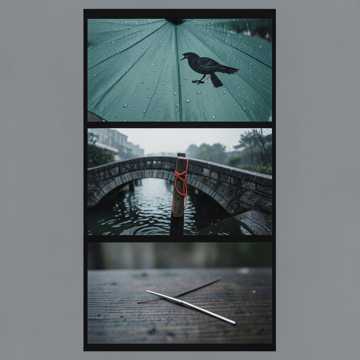
借晴
歌曲借一柄绣有寒鸦的青伞,讲述雨中相识、塞边离别与江南重逢。男女声在冷雨、旧剑、银钗和月色间交替叙事,将未尽的爱情化作一茎斜向月下的白羽。
02:57
5 days ago
Ruan: Definition, History, and Musical Characteristics
Ruan, also called ruanqin, is a traditional Chinese plucked-string instrument with a round wooden soundbox, a long fretted neck, and four strings. Its name is commonly associated with Ruan Xian, a musician of the Western Jin dynasty and one of the Seven Sages of the Bamboo Grove, who was celebrated for playing an early form of the instrument. The modern ruan is played with a plectrum or, in some contemporary styles, with the fingers. Its clear attack, warm resonance, flexible ornamentation, and wide dynamic range make it suitable for solo performance, Chinese orchestras, chamber ensembles, film music, and contemporary crossover projects. The historical development of the ruan is connected with the evolution of ancient Chinese lutes, including instruments related to the Qin pipa and other long-necked plucked instruments. Early ruan-type instruments had a comparatively simple structure and were used in court music, literati gatherings, folk performance, and theatrical accompaniment. During later dynasties, the instrument gradually developed a more recognizable circular body and fretted neck. In the twentieth century, instrument makers introduced improvements such as standardized tuning, increased body size, stronger projection, more carefully arranged frets, and expanded ranges. These changes helped the ruan move from a primarily accompanying role into a modern solo and orchestral instrument. In contemporary Chinese music, the ruan family includes instruments in several registers, from high-pitched ruan instruments with a bright and penetrating tone to large bass ruan instruments with a deep, cello-like resonance. The zhongruan, or medium ruan, is especially important in Chinese orchestras and is often regarded as the principal solo and ensemble member of the ruan family. Modern ruan repertoire combines traditional Chinese melodies with folk styles, Western harmony, concerto writing, jazz elements, cinematic textures, and experimental electronic sound design.
Ruan Sub-Tags and Classifications
Xiaoruan
Xiaoruan means small or high-register ruan. It has a relatively short scale and a bright, agile sound. Xiaoruan is useful for melodic lines, rapid ornamentation, high-register counterpoint, and lively passages in Chinese orchestral arrangements. Its clear tone can resemble a bright mandolin or a high plucked lute, although its phrasing and ornamentation remain rooted in Chinese instrumental practice.
Zhongruan
Zhongruan, or medium ruan, is the most widely recognized modern ruan type. It has a balanced register, a warm yet articulate tone, and sufficient projection for both solo and ensemble performance. Zhongruan is frequently used in Chinese orchestras, chamber groups, school ensembles, concerto repertoire, and soundtrack recording. Many important modern ruan compositions are written for zhongruan because its range allows it to carry lyrical melodies, rhythmic accompaniment, tremolo passages, and technically demanding solo lines.
Daruan
Daruan means large ruan and refers to a lower-register member of the ruan family. Its larger body produces a fuller, darker, and more resonant sound. Daruan parts often reinforce bass lines, provide harmonic support, or create broad sustained textures in Chinese orchestral music. In chamber and crossover music, daruan can serve as a distinctive alternative to the cello, acoustic bass, or other low-register plucked instruments.
Gaoyinruan
Gaoyinruan is a high-pitched ruan designed to extend the upper register of the family. It is used for brilliant melodic writing, decorative figures, and high counter-melodies. The instrument is particularly effective when a composition requires the characteristic circular timbre of the ruan family but needs greater brightness and projection than a standard zhongruan can provide.
Bass Ruan
Bass ruan is a low-register or enlarged ruan designed to provide deep resonance. It is used in large Chinese orchestras, contemporary ensembles, film scoring, and experimental arrangements. Bass ruan can create a rounded, wooden low end that blends naturally with traditional Chinese instruments while offering an alternative color to Western bass instruments.
Ruan Solo Music
Ruan solo music focuses on the instrument's melodic expressiveness, tremolo, glissando, harmonics, rapid picking, chordal writing, and changes in tone color. Solo compositions may draw on Chinese folk modes, regional melodies, narrative instrumental traditions, or modern concerto language. A typical ruan solo work may contrast singing lyrical sections with energetic rhythmic passages and highly ornamented cadenzas.
Ruan in Chinese Orchestra
In the Chinese orchestra, the ruan section commonly functions as a plucked-string bridge between melodic and harmonic groups. Zhongruan often supports inner harmony, rhythmic patterns, and counter-melodies, while daruan and bass ruan strengthen the lower register. Ruan instruments are valued for their precise attacks, sustained tremolo, and ability to blend with pipa, yangqin, guzheng, erhu, winds, and percussion.
Traditional Ruan Style
Traditional ruan style emphasizes Chinese melodic ornamentation, expressive slides, controlled vibrato, alternating strokes, tremolo, and rhythmic flexibility. The performer shapes phrases through articulation and tone color rather than relying only on volume. Traditional-style ruan playing is often connected with folk melodies, opera-derived gestures, regional music, and literati performance aesthetics.
Contemporary and Crossover Ruan
Contemporary ruan combines the instrument's traditional sound with jazz harmony, pop production, rock rhythm sections, electronic effects, Western chamber writing, and world-music arrangements. Amplification, contact microphones, looping, distortion, delay, and multitrack recording can expand the ruan's sonic range. This sub-tag is especially relevant to film composers, game-audio designers, fusion performers, and artists seeking an identifiable Chinese plucked-string color.
Famous Ruan Artists and Classic Ruan Works
Liu Xing
Liu Xing is widely recognized as an influential modern ruan performer, composer, and educator. He has contributed to the development of solo zhongruan technique and helped expand the instrument's repertoire beyond ensemble accompaniment. Works and recordings associated with Liu Xing, including Silk Road Camel Bells and other concert pieces in the modern zhongruan tradition, highlight the instrument's ability to express expansive melodies, rhythmic drive, and virtuosic passagework. His work has also influenced contemporary teaching materials and the concert presentation of the ruan.
Silk Road Camel Bells
Silk Road Camel Bells is commonly associated with the modern zhongruan concert tradition and evokes travel, desert landscapes, caravan movement, and cultural exchange along the Silk Road. Its musical design typically contrasts a spacious, song-like opening with more rhythmic sections that suggest the steady movement of camels and the bustle of an ancient trading route. The work is important because it uses the ruan's tremolo, repeated picking, slides, and resonant open strings to create an atmospheric narrative. It also demonstrates how a traditional Chinese instrument can be used in a large-scale, cinematic concert style.
Feng Mantian
Feng Mantian is a prominent ruan performer known for presenting the instrument in traditional, contemporary, and cross-cultural contexts. His performances demonstrate the ruan's expressive tremolo, percussive articulation, lyrical phrasing, and capacity for improvisation. Through collaborations with folk musicians, contemporary ensembles, and international artists, Feng Mantian has helped introduce ruan timbre to audiences outside the conventional Chinese-orchestra setting.
Mountain Song
Modern zhongruan works often use the title Mountain Song for compositions inspired by Chinese folk singing traditions. In this repertoire, the ruan imitates the free phrasing, echo effects, and expressive turns of a singer calling across a mountain valley. Rapid articulated passages may represent energetic folk-dance movement, while sustained tremolo and wide melodic intervals create a sense of distance and openness. Such works show how ruan composers transform folk vocal gestures into idiomatic instrumental writing.
Liu Bo
Liu Bo is associated with modern ruan performance and education, particularly in the development of zhongruan solo playing and ensemble musicianship. Performers and teachers in this tradition have helped establish standardized techniques for left-hand ornamentation, right-hand picking, tremolo, chord voicing, and control of tone color. Their pedagogical contributions have made the modern ruan more accessible to conservatory students and amateur ensemble players.
The Moon Over a Fountain, Ruan Arrangement
The Moon Over a Fountain was originally created for erhu by Hua Yanjun, also known as Abing, but it has become part of the broader Chinese instrumental repertoire and is frequently arranged for instruments such as zhongruan. On the ruan, the melody gains a rounded, plucked resonance and a more clearly articulated rhythmic profile. Performers use tremolo, slides, vibrato-like left-hand movement, and careful dynamic shaping to preserve the work's melancholy atmosphere. The arrangement illustrates how ruan can reinterpret a famous bowed-string melody without losing its emotional identity.
Ruan performers and ensembles of the China National Traditional Orchestra
Professional Chinese orchestras, including national and provincial traditional orchestras, have played a major role in developing the modern ruan section. Their performers have commissioned, premiered, and recorded concert works for zhongruan, daruan, and large ruan ensembles. These orchestras demonstrate how ruan instruments can function as soloists, harmonic accompanists, rhythmic partners, and low-register support within a large traditional ensemble.
Yao Dance, Ruan and Chinese Orchestra Arrangements
Yao Dance, derived from the well-known Chinese orchestral work based on Yao ethnic musical materials, is often arranged for ruan sections and solo plucked instruments. Its lively syncopation, repeated rhythmic patterns, and bright dance character suit the zhongruan's crisp attack. In ensemble versions, the ruan helps articulate the pulse and reinforces harmonic movement; in solo or chamber arrangements, the performer may use rapid alternate picking, accented chords, and percussive effects to imitate festive dance energy.
Modern Chinese composers for zhongruan
A broad group of twentieth- and twenty-first-century Chinese composers has expanded the ruan repertoire through concertos, suites, chamber works, and arrangements of folk music. Their writing introduced larger formal structures, orchestral dialogue, chromatic harmony, changing meters, extended techniques, and dramatic cadenzas. This compositional movement transformed the ruan from a supporting plucked instrument into a distinctive concert instrument with its own modern literature.
Ruan Concerto Repertoire
Modern ruan concertos form an important category rather than a single work. These compositions place the zhongruan or daruan in dialogue with Chinese orchestra, Western orchestra, or chamber ensemble. Typical concerto techniques include an opening cadenza, contrast between lyrical and rhythmic themes, orchestral imitation of folk instruments, large-scale modulation, and extended tremolo. The concerto format has helped establish the ruan as a serious solo instrument and has encouraged composers to explore its range, projection, and expressive flexibility.
Ruan Music Application Scenarios
Ruan music is effective in historical dramas, martial-arts films, period documentaries, travel programs, and stories centered on Chinese culture. A solo zhongruan can introduce a warm, intimate theme, while layered ruan sections can create movement and historical atmosphere. Daruan and bass ruan are useful for adding low-frequency resonance beneath strings, percussion, and orchestral instruments. In modern film scoring, the ruan can also be combined with synthesizers and sound-design effects to connect traditional identity with contemporary cinematic production.
Film and Television Soundtracks
Ruan is suitable for advertisements promoting tourism, tea, food, automobiles, cultural products, festivals, museums, and luxury brands seeking a refined Chinese identity. Short ruan motifs are recognizable and can be recorded as clean melodic hooks, rhythmic ostinatos, or atmospheric textures. A bright xiaoruan part may suggest elegance and vitality, while a warm zhongruan phrase can communicate heritage, craftsmanship, family, and cultural continuity.
Advertising and Brand Music
In games with historical, fantasy, wuxia, mythology, or exploration settings, ruan music can provide character themes, town ambience, battle preparation cues, and regional identity. Fast alternate picking and accented chords can support action scenes, while tremolo and spacious single-note melodies work well for landscapes, temples, night scenes, and emotional dialogue. Ruan can be recorded acoustically or processed with delay, reverb, looping, and electronic layering for a more expansive game-audio palette.
Video Game Background Music
Ruan is a core member of many Chinese orchestras. Zhongruan commonly performs inner melodic lines, harmony, rhythmic accompaniment, and solo passages, while daruan and bass ruan support the lower register. Concert programs may include traditional arrangements, contemporary compositions, concertos, folk suites, and collaborations with Western orchestras. The instrument's ability to alternate between delicate tremolo and sharply articulated attacks makes it valuable in both intimate and large-scale performances.
Chinese Orchestra and Concert Performance
Ruan works effectively with guzheng, pipa, erhu, bamboo flute, yangqin, piano, guitar, violin, cello, percussion, and jazz instruments. In chamber music, the ruan can provide chordal support, melodic counterpoint, or a distinctive plucked color. Fusion composers may combine ruan with flamenco guitar, jazz bass, world percussion, electronic beats, or Western string quartets, creating music that preserves Chinese timbre while using global forms and harmonies.
Chamber Music and Cross-Cultural Fusion
Live or recorded ruan music can accompany traditional dance, contemporary dance, opera, musical theater, and physical theater. Repeated picking patterns can support choreography, while flexible rubato and expressive slides can follow dramatic movement. The visual presence of the round-bodied ruan also contributes to stage identity, especially in productions that explore Chinese history, mythology, regional culture, or cultural exchange.
Dance, Theater, and Stage Production
The ruan is frequently used in documentaries about Chinese history, traditional craftsmanship, music education, landscapes, and intangible cultural heritage. Its sound can provide a calm, reflective, and culturally specific background without overwhelming narration. Educational programs may also use solo ruan demonstrations to explain the development of Chinese lutes, the relationship between instrument design and timbre, and the differences among xiaoruan, zhongruan, daruan, and bass ruan.
Documentaries and Cultural Education
The sustained tremolo and resonant body of the zhongruan can create gentle ambient layers for relaxation, meditation, tea-house environments, and wellness content. Slow melodies, open-string resonance, spacious reverb, and restrained ornamentation emphasize the instrument's warm and contemplative side. When combined with guqin, bamboo flute, nature recordings, or soft electronic pads, ruan can produce an atmospheric soundscape suitable for modern mindfulness media.
Meditative, Ambient, and Wellness Music