
Free Skittering hats Music Generator Powered by AI
Turn text into high-quality Skittering hats music effortlessly – no login required!

music.toolTips

Fancy, That's Me
An unapologetic confidence anthem about owning personal style, accepting attention, and refusing to become smaller for others. Conversational rap verses lead into a powerful, melodic hook, while trap production, sharp rhythmic drops, and sub-heavy808s create a stylish, club-ready declaration of self-worth.
02:20
13 hours ago
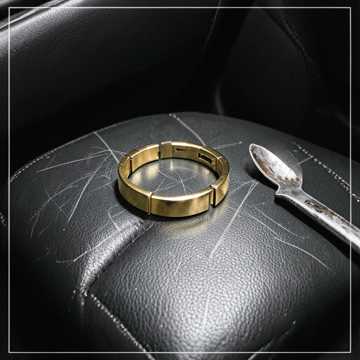
Bransoletka za kilka tysięcy
Utwór przedstawia komiczną sprzeczkę o rzekomo drogą bransoletkę, która nie pasuje do obrazu właścicielki jeżdżącej rozpadającym się yarisem. Powtarzane pytania, plotka i rosnące emocje tworzą absurdalny, uliczny dialog osadzony w nowoczesnej rapowej produkcji.
01:08
15 hours ago
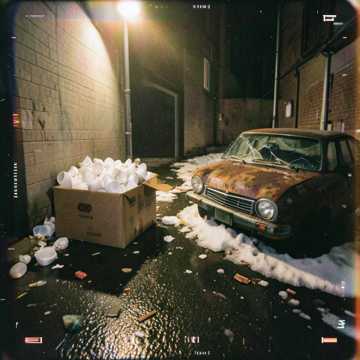
Spych do śniegu
Utwór przedstawia Bożyka jako nieudolnego handlarza lewym towarem, którego interesy i samochód rozpadają się na oczach wszystkich. Cyniczny humor, uliczna dosadność oraz ciężka produkcja trapowa tworzą satyrę o oszustwie, kompromitacji i pozornej wielkości.
01:38
15 hours ago
What Is Skittering Hats Music? Definition and History
Skittering Hats is a descriptive music tag for tracks that combine light, rapid, irregular percussion with crisp high-frequency textures, playful rhythmic movement, and a sense of quick, darting motion. The phrase is best understood as an evocative production label rather than a universally standardized genre with a fixed academic definition. In a Skittering Hats track, listeners may hear shuffled hi-hats, finely divided cymbal patterns, rim clicks, brushed percussion, glitch fragments, plucked sounds, muted mallets, or other short sounds that move rapidly across the stereo field. The word "hats" usually points to hi-hats and related cymbal textures, while "skittering" describes their nervous, hopping, or insect-like rhythmic behavior. The musical ideas associated with Skittering Hats developed from several overlapping traditions. Early electronic dance music established the importance of repeated hi-hat patterns and syncopated percussion, while house, techno, drum and bass, UK garage, breakbeat, and jungle producers expanded the range of possible subdivisions and swing settings. Hip-hop production contributed chopped drum programming, sampling, and detailed micro-edits. Later developments in glitch, IDM, future bass, experimental pop, and cinematic sound design brought more emphasis to stutters, granular edits, transient shaping, and spatial movement. In contemporary music libraries, Skittering Hats can function as a mood, texture, or production-style tag. A track described as Skittering Hats may be energetic, mischievous, tense, futuristic, playful, or rhythmically restless. The tag does not require one tempo, key, instrument lineup, or song structure. Instead, it highlights the behavior of the percussion: fast-moving top-end rhythms, carefully placed gaps, changing accents, and a strong sense of forward motion. Because Skittering Hats is a flexible descriptive term, it can appear alongside tags such as electronic, glitch, breakbeat, playful, kinetic, experimental, upbeat, or cinematic percussion.
Skittering Hats Sub-Tags and Classifications
Glitchy Skittering Hats
Glitchy Skittering Hats focuses on chopped, stuttering, and digitally edited high-frequency percussion. Producers may repeat a single hi-hat hit at changing rates, remove individual transients, reverse short samples, or place tiny bursts between the main beats. This classification often works well in IDM, glitch, experimental electronic, and technology-focused production. The defining feature is precision: every small hat movement feels intentionally edited rather than simply looped.
Trap-Influenced Skittering Hats
Trap-Influenced Skittering Hats uses rapid subdivisions over slower, spacious grooves. Sixteenth-note and thirty-second-note rolls, triplet figures, velocity changes, and sudden pauses create a contrast between heavy low-end hits and agile upper percussion. This Skittering Hats variation is suitable for modern hip-hop, bass music, sports edits, fashion content, and high-energy advertising. The most effective arrangements leave enough space for the kick, snare, vocal, or bass to remain prominent.
Breakbeat Skittering Hats
Breakbeat Skittering Hats is built around chopped or rearranged break patterns rather than a completely straight four-on-the-floor pulse. The hats may follow a sampled funk break, a shuffled drum loop, or a manually programmed pattern with changing accents. This classification gives Skittering Hats a physical, syncopated quality and can suggest movement, urban energy, skating, cycling, chase sequences, or street culture.
Minimal Skittering Hats
Minimal Skittering Hats uses a small number of carefully selected sounds and emphasizes negative space. A single bright hat, rim click, shaker, or percussive tick may appear at irregular intervals, creating tension through anticipation. This approach is common in minimal techno, electro, sparse house, and sound-design-oriented tracks. Its effectiveness depends on subtle timing, controlled dynamics, and a clean mix rather than on a large number of percussion layers.
Playful Skittering Hats
Playful Skittering Hats combines quick percussion with bouncy syncopation, bright timbres, and unexpected rhythmic answers. It may include toy-like clicks, marimba or kalimba accents, hand percussion, filtered claps, or pitch-shifted hat sounds. This sub-tag is useful for comedy, animation, casual games, children's media, lifestyle content, and upbeat social videos where the rhythm should feel curious and light rather than aggressive.
Dark and Tense Skittering Hats
Dark and Tense Skittering Hats uses narrow, metallic, dry, or heavily processed high frequencies to create unease. Irregular placement, missing beats, low-volume background ticks, and abrupt bursts can make the rhythm feel unstable or watchful. This classification is effective in horror, thriller, cyberpunk, investigative, and suspense contexts. The hats often work as a textural layer that increases pressure without dominating the entire soundtrack.
Organic Percussion Skittering Hats
Organic Percussion Skittering Hats replaces or supplements electronic hats with shakers, brushes, seed pods, small cymbals, finger snaps, woodblocks, and other acoustic percussion. Timing may remain slightly humanized, with small variations in velocity and swing. This version can add warmth to electronic music and is appropriate for travel content, documentary scenes, indie pop, acoustic-electronic crossover, and natural or handmade visual themes.
Ambient Textural Skittering Hats
Ambient Textural Skittering Hats places fast, delicate percussion inside a spacious sound field. Reverb tails, delay, filtered transients, granular processing, and gradual panning turn individual hat hits into an atmospheric texture. The rhythm may be subtle rather than dance-oriented, making this classification useful for ambient music, sci-fi backgrounds, meditation-adjacent sound design, installation work, and slow-moving visual sequences.
Cinematic Skittering Hats
Cinematic Skittering Hats uses carefully controlled rhythmic detail to support a scene without competing with dialogue or dramatic harmony. The pattern may begin as a barely audible pulse and become denser as a sequence accelerates. Layered ticks, soft cymbal fragments, prepared-percussion sounds, and processed foley can suggest surveillance, pursuit, machinery, discovery, or escalating action.
Artists and Classic Works Related to Skittering Hats
Aphex Twin
Aphex Twin is a major reference point for intricate electronic rhythm programming, especially in IDM and experimental electronica. Works such as "Windowlicker" and "Come to Daddy" demonstrate how tightly edited percussion, abrupt rhythmic changes, and unusual timbral details can create motion and tension. These tracks are not necessarily official examples of a standardized Skittering Hats genre, but they illustrate the precise, restless, and digitally manipulated percussion associated with the tag.
Aphex Twin - Windowlicker
This track is a useful reference for digitally articulated percussion and rapidly changing rhythmic detail. Its production places short, bright sounds inside a dense electronic arrangement where rhythm, editing, and timbre constantly interact. The innovation relevant to Skittering Hats is the treatment of percussion as a shape-shifting sound-design element: hats and related transients help create surprise, forward momentum, and a deliberately unstable groove.
Autechre
Autechre contributed to the development of highly complex electronic rhythm design through algorithmic-feeling sequences, abstract percussion, and constantly shifting subdivisions. Their catalog shows how hi-hats and other short transients can become structural material rather than simple timekeeping devices. For Skittering Hats production, Autechre offers a useful model for irregular accents, unexpected gaps, and evolving rhythmic density.
Squarepusher - My Red Hot Car
The track demonstrates how breakbeat energy can be organized through fast, detailed upper percussion and strong contrasts between rhythmic layers. Its appeal comes from the tension between recognizable dance-music momentum and highly active drum programming. For Skittering Hats, it illustrates how rapid hats can reinforce acceleration while still leaving room for bass and melodic material.
Squarepusher
Squarepusher is known for combining breakbeat programming, drum and bass energy, jazz-derived musicianship, and extreme rhythmic detail. Tracks such as "My Red Hot Car" demonstrate the expressive potential of rapid percussion and chopped breaks. His work is relevant to Skittering Hats because it treats fast upper-register rhythms as active melodic and kinetic elements, not merely background accompaniment.
Burial - Archangel
Archangel is notable for its restrained, atmospheric use of fractured garage-derived rhythm. The percussion does not simply announce the beat; it contributes to the feeling of distance, memory, and urban nighttime space. Its relevance to Skittering Hats lies in the way small shuffling and skittering details can be softened with filtering, reverb, and texture so that rhythm becomes part of the environment.
Flying Lotus
Flying Lotus helped popularize a loose, highly textured approach to beat construction that blends hip-hop, electronic music, jazz, and psychedelic sound design. Tracks including "Zodiac Shit" show how displaced percussion, fragmented loops, and layered micro-rhythms can create a floating yet propulsive groove. His production is a useful reference for organic, off-grid, and atmospheric forms of Skittering Hats.
Flying Lotus - Zodiac Shit
Zodiac Shit presents a loose, layered beat in which chopped percussion, off-center accents, and unusual sonic fragments create a constantly moving surface. The work is an example of Skittering Hats used in a more abstract and musical way. Instead of relying on a fixed repeated hat loop, the production uses rhythmic fragments to connect sections and maintain motion.
Burial
Burial's work is important for its use of fractured two-step rhythms, sampled percussion, vinyl texture, and spacious atmosphere. Tracks such as "Archangel" demonstrate how syncopated high-frequency percussion can communicate movement and emotion while remaining understated. This approach relates closely to atmospheric and breakbeat-oriented Skittering Hats, especially when the hats are softened, filtered, or embedded in environmental noise.
SOPHIE - Ponyboy
Ponyboy demonstrates an industrial and synthetic approach to high-impact percussion. Bright transients, compressed drum sounds, abrupt changes, and forceful repetition create a tactile sense of rhythm. The track is relevant to the harder side of Skittering Hats because it shows how extremely clean, sharp, and deliberately artificial hat sounds can become a defining hook rather than a secondary accompaniment.
J Dilla
J Dilla's influence comes from his manipulation of timing, swing, sampling, and drum-machine feel. Although his music is rooted in hip-hop rather than a specific Skittering Hats category, his production demonstrates how small timing offsets and changing velocities can make programmed percussion feel alive. Producers working with Skittering Hats can draw from this approach when they want rapid hats that remain loose, human, and groove-focused.
Four Tet - Angel Echoes
Angel Echoes offers a softer example of detailed electronic percussion, with organic-feeling samples and finely arranged rhythmic layers supporting an expansive atmosphere. Its innovation is not extreme speed but the integration of small rhythmic events into a coherent emotional landscape. This makes it a useful model for ambient, organic, and cinematic Skittering Hats production.
SOPHIE
SOPHIE explored highly engineered percussion, synthetic transients, exaggerated high frequencies, and sharply contrasting rhythmic textures. Tracks such as "Ponyboy" show how bright, hard-edged percussion can become a central part of a track's identity. Her work is relevant to aggressive, futuristic, and pop-oriented forms of Skittering Hats, particularly when the rhythm is designed to sound synthetic and tactile.
Four Tet
Four Tet frequently combines organic samples, hand percussion, chopped loops, and electronic programming in arrangements that feel both intricate and accessible. Tracks such as "Angel Echoes" demonstrate the value of subtle rhythmic layering and carefully balanced high-frequency detail. His work provides a reference for musical, warm, and textural Skittering Hats rather than purely mechanical programming.
Skittering Hats Music Application Scenarios
Skittering Hats music can increase the sense of speed in chase scenes, stealth sequences, escape scenes, and rapid montage editing. A producer might begin with sparse ticking hats during preparation, introduce denser subdivisions as the pursuit begins, and then use sudden rhythmic gaps at moments of impact or danger. The fast upper percussion creates urgency without requiring an overly loud melody.
Action and Chase Film Soundtracks
Dark Skittering Hats can provide an understated pulse for surveillance, investigation, approaching danger, or psychological tension. Dry clicks placed slightly off the expected beat can make a scene feel unstable, while filtered hats and distant delays can suggest hidden movement. Because the texture can remain quiet, it supports dialogue and sound effects while still increasing anxiety.
Thriller, Horror, and Suspense Scenes
Skittering Hats works well in platform games, racing games, rhythm games, cyberpunk games, strategy interfaces, and fast-paced action levels. In a game loop, the percussion can maintain momentum without becoming too melodic or distracting. Layered versions can also support adaptive music: a simple hat pattern for exploration can become denser during combat, timed events, or boss encounters.
Video Game Background Music
Bright, precise Skittering Hats can communicate speed, responsiveness, connectivity, and digital innovation in advertising. Short rhythmic bursts can be synchronized with interface animations, product reveals, data visualizations, or rapid cuts. Clean high-frequency transients are especially effective when the commercial needs a modern electronic identity without using a large orchestral arrangement.
Technology and Software Advertising
Trap-influenced or breakbeat Skittering Hats can support workout videos, sports trailers, skate edits, cycling footage, and competitive brand campaigns. Fast hat rolls reinforce physical effort and visual acceleration, while strategic pauses create space for slogans, athlete movements, or impact cuts. The style is particularly effective when paired with strong kick drums and concise musical hooks.
Sports, Fitness, and Action Branding
Playful Skittering Hats can underline quick character movement, awkward gestures, visual surprises, and tightly edited comedic timing. Small percussive sounds can be synchronized with footsteps, eye movements, object interactions, or scene transitions. A lighter timbral palette keeps the music energetic and expressive without making the scene feel aggressive.
Animation and Comedy
Skittering Hats provides a compact rhythmic identity for short-form video, product reels, fashion cuts, travel edits, and lifestyle content. Its repeated micro-patterns can connect fast visual transitions and help a clip feel contemporary. Minimal or glossy versions are useful when the visuals need to remain the focus while the music supplies polish and motion.
Fashion, Lifestyle, and Social Media Videos
Organic or atmospheric Skittering Hats can complement street footage, public transportation, city lights, markets, and behind-the-scenes sequences. Shakers, brushed percussion, environmental recordings, and lightly shuffled hats can convey movement while preserving a human sense of place. This application benefits from restrained dynamics and sound choices that reflect the recorded environment.
Documentary and Urban Travel Content
A short Skittering Hats motif can act as an audio logo for podcasts, livestreams, product channels, and online series. A recognizable two- or four-bar pattern can be adapted into opening stings, transition cues, and outro music. Because the tag emphasizes distinct rhythmic texture, it can help a brand sound active and modern even when the arrangement is brief.
Podcast Intros and Digital Content Branding
Artists can use Skittering Hats as a responsive rhythmic layer for choreography, projection mapping, interactive installations, and gallery environments. Spatialized hat sounds may move around the listener while the density changes in response to motion or light. The style is suitable for exploring repetition, interruption, bodily reflexes, machine behavior, and the relationship between precise timing and human movement.
Contemporary Dance and Installation Work