
Free Tanbur Music Generator Powered by AI
Turn text into high-quality Tanbur music effortlessly – no login required!

music.toolTips

Sevganimni bilmas
A melancholic song exploring the pain of unrequited love and existential longing, filled with emotional depth and the timeless quest for understanding in a fleeting world.
04:00
2024-11-08

Keldi yana kuz
Keldi yana kuz explores themes of longing and sorrow through poetic imagery, expressing the pain of love and the inevitability of change as seasons shift from spring to autumn.
04:00
2024-11-05

Keldi yana kuz
A reflective piece exploring themes of love and longing, juxtaposed with the transition from spring to autumn, filled with emotional depth and vivid imagery.
02:44
2024-11-05
Travel5
A fusion of Uzbekistan pop and krautrock, 'Travel5' by Suno AI explores a modern musical landscape enriched with traditional Uzbek instruments.
02:06
2024-10-03

Travel4
'Travel4' is an evocative Uzbek pop song blending krautrock with traditional Uzbek instruments like Ney, Doira, Saz, tanbur, Chang, kanun, and tablak.
02:29
2024-10-03
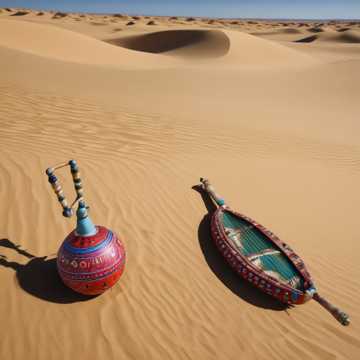
Travel
‘Travel’ blends Uzbekistan pop with krautrock, featuring mystical melodies from Ney, Doira, Saz, tanbur, Chang, and kanun.
01:42
2024-10-03
Comprehensive Introduction to the Tanbur: Origins, Definition, and Cultural Significance
The tanbur is a long-necked, plucked string instrument deeply rooted in the musical traditions of Central Asia, the Middle East, and parts of the Balkans. Known for its warm resonance and expressive melodic capabilities, the tanbur has become a foundational instrument in classical, folk, and spiritual music across several cultures. Its origins date back thousands of years, with archaeological evidence linking early tanbur-like instruments to ancient Mesopotamia. Throughout history, the tanbur evolved into various regional forms—Persian tanbur, Kurdish tanbur, Turkish tambur, and Afghan tanbur—each incorporating unique structural, tonal, and stylistic characteristics. As a core symbol of mystical and devotional music, especially within Sufi traditions, the tanbur continues to hold cultural significance while also gaining modern recognition in global fusion and contemporary acoustic genres.
Sub-tags and Classifications of Tanbur Styles
Persian Tanbur
The Persian tanbur, also known as theTanbur music content 'tanbur-e Kermanshah' or 'tanbur-e Sahneh,' is traditionally used in Yarsani and Kurdish spiritual music. It features a pear-shaped body, three strings, and a bright, penetrating tone ideal for melodic improvisation and sacred rituals. Its repertoire often includes devotional songs and rhythmic patterns passed down through Sufi lineages.
Kurdish Tanbur
The Kurdish tanbur shares similarities with the Persian variant but often features regional tuning systems and ornamentation techniques. Known for its deep emotional expressiveness, the Kurdish tanbur is frequently played solo or as accompaniment in folk storytelling, meditative music, and cultural ceremonies. Its playing style emphasizes intricate fingerpicking and modal exploration.
Turkish Tambur
The Turkish tambur is a prominent instrument in Ottoman classical music. It features a long neck, numerous movable frets, and a round wooden body, allowing for precise microtonal performance. This tambur produces a rich, resonant sound ideal for the maqam system. It is widely used in classical ensembles, court music traditions, and modern orchestral fusion.
Afghan Tanbur
The Afghan tanbur, commonly found in northern Afghanistan, has a carved wooden body, metal strings, and sympathetic strings that create a reverberant, drone-like texture. This tanbur is often used in traditional folk music and accompanies poetic vocal forms. Its tonal qualities bridge influences from Persian, Indian, and Central Asian sound aesthetics.
Famous Tanbur Artists and Iconic Works
Ostad Elahi
A master of the Kurdish-Persian tanbur, Ostad Elahi elevated the instrument from a regional spiritual tool to a globally recognized art form. His virtuosic playing, innovative compositions, and philosophical contributions shaped modern tanbur pedagogy. Elahi's recordings blend traditional sacred repertoire with his own improvisational style, offering a transcendent and technically refined sound.
The Sacred Laments (Ostad Elahi)
This collection captures the essence of spiritual tanbur performance, emphasizing modal depth, rhythmic repetition, and emotional intensity. The pieces feature improvisational sections that highlight the rich overtone structure of the tanbur. The recording is praised for preserving traditional Yarsani repertoire while presenting it in a refined artistic format.
Necdet Yaşar
Considered one of the greatest Turkish tambur virtuosos, Necdet Yaşar was central to the revival of Ottoman classical music in the 20th century. His melodic sensitivity and mastery of the maqam system influenced generations of musicians. Yaşar's ensemble performances and solo works remain essential references for students of Turkish tambur.
Maqam Rast Performance (Necdet Yaşar)
A defining example of Turkish tambur artistry, this performance showcases the precision of microtonal maqam techniques. Yaşar's flowing phrasing, delicate tremolo picking, and flawless intonation demonstrate the tambur’s capacity for expressive nuance and complexity. It remains a landmark work in Ottoman classical music recordings.
Ali Akbar Moradi
A celebrated Kurdish tanbur artist, Ali Akbar Moradi is known for preserving and modernizing Kurdish tanbur heritage. His expressive compositions and collaborations with global musicians introduced the tanbur to new audiences. Moradi’s repertoire emphasizes ancient Kurdish modes, rhythmic storytelling, and emotionally powerful improvisation.
Kurdish Epic Melodies (Ali Akbar Moradi)
This album highlights the storytelling power of the Kurdish tanbur. Each piece blends rhythmic motifs with modal improvisation, evoking epic historical narratives and cultural memory. Moradi’s innovative fingering and ornamentation techniques give these works a dynamic and modern edge while preserving their traditional spirit.
Mohammad Reza Lotfi
Although primarily known as a tar and setar master, Lotfi has contributed significantly to the appreciation of tanbur through his research, performances, and collaborations with tanbur musicians. His work helped expand the instrument’s presence in Persian classical music contexts.
Application Scenarios of Tanbur Music
Tanbur music is frequently used in cinematic scores to evoke themes of spirituality, history, and cultural depth. Its distinctive resonance adds emotional weight to scenes depicting ancient landscapes, mystical journeys, or introspective character moments.
Film Soundtracks
The tanbur’s authentic and historical sound makes it ideal for documentaries about Middle Eastern culture, Central Asian history, Sufi traditions, and anthropological subjects. It enhances narrative immersion and cultural authenticity.
Documentaries and Cultural Programs
In video games featuring fantasy worlds, ancient civilizations, or desert landscapes, tanbur music creates atmospheric depth. Its melodic patterns fit exploratory scenes, quiet villages, mystical temples, and character-driven storylines.
Video Game Background Music
Brands seeking an exotic, earthy, or culturally meaningful sound palette use tanbur music in commercials. Its organic timbre conveys authenticity, craftsmanship, and heritage—ideal for travel companies, artisan products, wellness brands, and cultural tourism.
Advertising and Brand Storytelling
Because of its soothing tone and repetitive melodic structures, tanbur music is widely used in meditation playlists, yoga sessions, and mindfulness practices. Its natural harmonic resonance promotes relaxation and focus.
Meditation and Wellness