
Free Tea House Music Generator Powered by AI
Turn text into high-quality Tea House music effortlessly – no login required!

music.toolTips
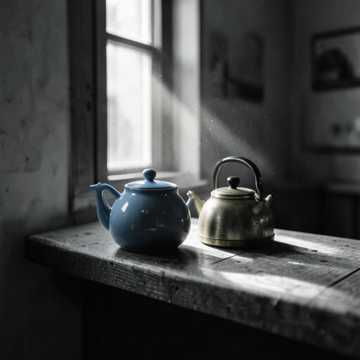
Tienda de té azul
Una fantasía instrumental con aroma a salón de té y brillo de videojuego clásico. Su groove balanceado, bajo caminante, teclas juguetonas, metales sintéticos y campanas marimba crean una atmósfera cálida, curiosa y luminosa, mientras la textura de cinta añade un encanto ligeramente polvoriento.
03:09
3 days ago
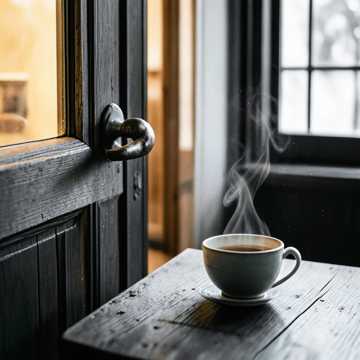
찻집의 옛 노래
옛 찻집의 풍경과 친구들, 주인아주머니에 대한 그리움을 흥겨운 트로트로 풀어낸 노래입니다. 세월이 흘러도 변하지 않는 정을 되새기며, 함께 노래하고 웃는 순간 삶의 기쁨을 되찾습니다.
04:33
3 days ago

Wynne Ơi, Mừng Tròn Một Năm!
Ca khúc mừng một năm gắn kết của Wynne, phòng trà và cộng đồng yêu nhạc tại Nha Trang. Với nhịp cha-cha-cha116 BPM, bài hát tái hiện những đêm giao lưu, thiện nguyện, sinh nhật, Halloween và niềm vui cùng hát, cùng vỗ tay.
02:55
4 days ago

紅梅開在白雪旁
歌曲以紅梅映雪、暖閣煮茶與知己對坐為意象,描寫寒冬中的陪伴與安心。細膩女聲、木吉他、笛音與弦樂共同營造古典雅致、溫暖而富有電影感的冬日情境。
03:48
5 days ago

烏篷船細雨
歌曲描寫細雨江南中的烏篷船、茶館與石橋,以舒緩民謠旋律安放疲憊心緒,呈現從喧囂回到自我、在水鄉景致中重新獲得從容與心安的旅程。
03:28
6 days ago
Tea House Music: Definition, History, and Cultural Background
Tea House music is a mood-oriented musical style associated with the atmosphere of traditional tea houses, teahouses, lounges, and intimate cultural spaces. It commonly combines gentle melodies, restrained rhythms, acoustic instruments, and spacious arrangements to create a calm, elegant, reflective, and welcoming listening experience. Depending on the regional context, Tea House music may draw from Chinese traditional music, Japanese tea-room aesthetics, ambient music, downtempo, jazz, world music, acoustic folk, and modern relaxation music. Tea House is therefore best understood as a flexible atmosphere-based tag rather than a single strictly defined genre. Historically, music connected with tea houses developed alongside public tea-drinking culture. In China, tea houses became important social and artistic venues where instrumental performances, opera excerpts, storytelling, folk singing, and regional ensembles were presented. Instruments such as guzheng, pipa, erhu, bamboo flute, xiao, yangqin, and Chinese percussion helped define the sonic identity of many traditional tea-house settings. In Japan, the ceremonial and contemplative values associated with tea culture encouraged sparse, carefully paced musical expression, while later international lounge culture introduced jazz, bossa nova, ambient textures, and electronic production into the Tea House sound. In the late twentieth and early twenty-first centuries, streaming platforms, meditation playlists, spa programming, cafés, games, and film soundtracks popularized Tea House music as a recognizable listening category. Contemporary Tea House music often preserves the warmth and cultural imagery of traditional tea rooms while using digital effects, field recordings, soft synthesizers, and cinematic arrangements. Its core qualities include tranquility, intimacy, acoustic detail, cultural atmosphere, moderate or slow tempo, and suitability for focused listening, relaxation, hospitality, and visual storytelling.
Tea House Music Sub-Tags and Classifications
Traditional Chinese Tea House
Traditional Chinese Tea House music emphasizes the sound and atmosphere of regional tea houses. It frequently features guzheng, pipa, erhu, bamboo flute, xiao, yangqin, and other traditional instruments. Melodies may use pentatonic scales, ornamented phrases, flexible timing, and expressive pauses. This sub-tag is suitable for listeners seeking an authentic Chinese cultural atmosphere, and it is often used in tea ceremonies, cultural exhibitions, heritage venues, historical dramas, and Chinese-inspired visual projects.
Chinese Instrumental Tea House
Chinese Instrumental Tea House music focuses on melodic instrumental performance without prominent vocals. Guzheng arpeggios, flowing pipa patterns, lyrical erhu lines, and airy flute passages create a refined and peaceful sound. Arrangements are usually uncluttered so that the natural tone of each instrument remains clear. This classification works well for reading, meditation, studying, spa environments, quiet restaurants, and background listening.
Zen Tea House
Zen Tea House music is built around minimalism, silence, spaciousness, and meditative pacing. It may combine xiao flute, temple bells, singing bowls, subtle drones, water sounds, wind, or carefully placed piano notes. Instead of relying on a strong melody or beat, Zen Tea House compositions create a contemplative sound field that encourages slower breathing and attentive listening. This sub-tag is frequently associated with tea ceremonies, mindfulness practice, yoga, meditation, and wellness spaces.
Japanese Tea Room
Japanese Tea Room music reflects the restrained aesthetics of Japanese tea culture through delicate textures, natural ambience, and an appreciation of silence. It can include koto, shakuhachi, shamisen, soft percussion, or modern ambient instrumentation. The arrangements tend to be sparse, with emphasis on breath, resonance, seasonality, and subtle dynamic changes. Japanese Tea Room music is appropriate for traditional cultural content, minimalist design, relaxation videos, and contemplative scenes.
Tea House Ambient
Tea House Ambient combines traditional tea-house imagery with modern ambient production. Long pads, soft synthesizers, gentle piano, processed acoustic instruments, and environmental recordings create a smooth, immersive background. The music generally avoids dramatic transitions and heavy percussion, making it useful for extended listening. Tea House Ambient is popular in sleep playlists, focus sessions, digital wellness products, hotel lounges, and atmospheric video content.
Tea House Lounge
Tea House Lounge introduces a more polished and contemporary groove while preserving the relaxed mood of Tea House music. It may incorporate downtempo beats, brushed drums, electric piano, muted guitar, jazz harmony, bass, and subtle world-music details. Compared with meditative Tea House styles, lounge-oriented tracks have a clearer pulse and a more social character. This sub-tag suits cafés, boutique hotels, restaurants, lifestyle advertising, fashion videos, and evening hospitality settings.
Tea House Jazz
Tea House Jazz combines the intimate atmosphere of a tea room with the harmonic language of cool jazz, smooth jazz, or acoustic lounge jazz. Common elements include mellow saxophone, upright bass, brushed percussion, piano voicings, muted trumpet, and relaxed improvisation. The music creates sophistication without becoming overly energetic, making it effective for fine dining, literary events, cocktail lounges, creative workspaces, and urban café environments.
Tea House World Fusion
Tea House World Fusion blends East Asian instruments and melodic ideas with musical colors from India, the Middle East, Southeast Asia, Celtic traditions, or contemporary global production. The emphasis is on cultural texture, organic timbre, and gentle cross-cultural dialogue rather than aggressive rhythm. This classification can add a distinctive international identity to travel films, cultural documentaries, destination branding, museum installations, and world-themed games.
Acoustic Folk Tea House
Acoustic Folk Tea House music uses intimate instruments such as nylon-string guitar, fingerpicked acoustic guitar, hand percussion, violin, dulcimer, and soft vocal harmonies. It conveys warmth, hospitality, and a handmade character. While it may not rely on traditional Asian instruments, its moderate tempo and conversational tone make it compatible with tea-house environments, independent cafés, craft brands, bookstores, and community gatherings.
Tea House Meditation and Wellness
Tea House Meditation music is designed specifically for relaxation, mindfulness, breathing exercises, and wellness routines. Tracks often use slow tempos, sustained tones, repeating motifs, nature recordings, and gentle instruments such as harp, piano, flute, guzheng, or singing bowls. The music avoids sudden volume changes and dense arrangements so it can support meditation without demanding constant attention.
Tea House Electronic Chill
Tea House Electronic Chill gives the traditional Tea House mood a modern digital treatment. Producers may combine soft breakbeats, lo-fi percussion, granular textures, vinyl ambience, synthesized bells, and sampled traditional instruments. The result is calm but contemporary, making this sub-tag attractive to younger listeners and useful for study playlists, livestreams, creative applications, mobile games, and modern café branding.
Famous Artists and Representative Works Related to Tea House Music
Wu Man
Pipa virtuoso Wu Man has played an important role in presenting the expressive possibilities of the Chinese pipa to international audiences. Her performances and recordings demonstrate how traditional Chinese plucked-string techniques can remain culturally specific while working within chamber music, contemporary composition, and world-music settings. Her pipa-centered sound is highly relevant to Traditional Chinese Tea House and Chinese Instrumental Tea House playlists.
Flowing Water, Chinese Guqin Tradition
The guqin repertory associated with flowing water is one of the most important references for contemplative Chinese instrumental culture. Its slow, spacious phrases, controlled resonance, slides, harmonics, and expressive pauses create a feeling of natural movement rather than a fixed beat. In a Tea House context, this musical model demonstrates how silence and subtle articulation can be as meaningful as melody. Its innovation lies less in modern production and more in its refined use of timbre, gesture, and temporal freedom.
Liu Fang
Liu Fang is recognized for her performances on pipa and guzheng. Her repertoire connects classical Chinese instrumental traditions with contemporary concert presentation, highlighting the clarity, delicacy, and emotional nuance associated with Tea House music. Her work is especially relevant to listeners looking for refined plucked-string textures, lyrical melodies, and traditional Chinese instrumental color.
High Mountains and Flowing Water, Traditional Chinese Repertoire
This traditional Chinese title is associated with musical imagery of mountains, streams, friendship, and elevated natural beauty. Different instrumental traditions interpret it in distinct ways, including guqin, guzheng, and ensemble arrangements. The work is relevant to Tea House music because it connects the listening experience with landscape, serenity, and cultural memory. Modern arrangements may preserve the pentatonic melodic character while adding wider dynamics, stereo ambience, or cinematic instrumentation.
Feng Hsu
Feng Hsu is associated with performances and recordings featuring the guzheng and other Chinese traditional instruments. Guzheng music is central to many Tea House soundscapes because of its flowing arpeggios, resonant strings, and capacity for both rhythmic patterns and spacious melodic expression. Performers in this tradition have helped establish guzheng as a defining timbre in relaxation, cultural, and tea-house-themed music.
The Moon over a Fountain, Erhu Repertoire
Often known through the erhu tradition, this type of lyrical work highlights the instrument's vocal quality, expressive slides, and ability to sustain melancholy without excessive orchestration. Its restrained melodic development and emotional directness make it suitable for reflective Tea House settings. Contemporary recordings may place the erhu over soft strings, piano, ambient pads, or environmental sounds, demonstrating how a traditional solo voice can be adapted to modern relaxation and soundtrack production.
Kitaro
Kitaro's expansive instrumental music combines synthesizers, acoustic instruments, orchestral textures, and Asian-inspired melodic colors. Although his work is broader than the Tea House category, its spacious arrangements, atmospheric pacing, and contemplative mood strongly influence modern ambient and wellness-oriented Tea House playlists. His approach shows how traditional cultural associations can be integrated into cinematic electronic music.
A Moonlit Night on the Spring River, Chinese Instrumental Tradition
This well-known Chinese instrumental work evokes moonlight, water, boats, and a tranquil nighttime landscape. Its flowing melodic lines and gradual changes in orchestral color create a cinematic sense of movement while preserving a calm overall character. The piece is a useful model for Tea House composition because it balances narrative development with elegance, making it appropriate for cultural events, historical imagery, scenic films, and immersive tea-house environments.
Ryuichi Sakamoto
Ryuichi Sakamoto contributed to the development of quiet, minimalist, and texturally detailed instrumental music. His piano compositions, electronic works, and film scores demonstrate how silence, resonance, repetition, and subtle harmonic movement can create a reflective atmosphere. These qualities connect his work with Zen Tea House, Tea House Ambient, and cinematic Tea House classifications.
Silk Road, Kitaro
Kitaro's Silk Road music is a significant example of atmospheric electronic composition influenced by Asian and cross-cultural imagery. Broad synthesizer layers, spacious reverberation, memorable melodic phrases, and gradual development create a sense of distance and travel. Its importance to Tea House music comes from its ability to combine meditative listening with cinematic scale, offering a template for modern Tea House Ambient and World Fusion productions.
Yoshida Brothers
The Yoshida Brothers modernized the sound of the shamisen by combining traditional Japanese performance techniques with rock, electronic, and world-music influences. Their energetic works are not always calm enough for a conventional tea-room playlist, but their contribution is important to Japanese Tea Room and Tea House World Fusion music because they show how traditional instruments can be reinterpreted for contemporary audiences.
Merry Christmas Mr. Lawrence, Ryuichi Sakamoto
The central piano theme from this film score uses a clear, memorable melody supported by elegant harmonic movement and carefully controlled emotion. Its restrained arrangement leaves space around the piano, allowing resonance and phrasing to carry the expression. The piece illustrates how Tea House-adjacent music can be emotionally powerful without relying on heavy percussion or dense orchestration, making it influential for cinematic, piano-based, and reflective ambient playlists.
Toshiko Akiyoshi
Toshiko Akiyoshi is a major figure in jazz whose compositions and arrangements connect Japanese musical identity with modern jazz language. Her work provides a useful reference for Tea House Jazz, especially where traditional cultural colors, sophisticated harmony, and restrained ensemble interaction are combined. Her contribution expands the Tea House concept beyond purely traditional instrumentation.
River Flows in You, Yiruma
This piano composition is built around repeating arpeggiated patterns, a lyrical upper-register melody, and gradual emotional expansion. Its accessible structure and consistent pulse make it suitable for cafés, reading spaces, relaxation videos, and Tea House Piano playlists. The work demonstrates how a simple instrumental motif can create a warm atmosphere while remaining unobtrusive enough for background listening.
Deuter
Deuter's ambient and new-age recordings are known for combining gentle acoustic instruments, spacious electronic textures, and nature-oriented atmospheres. His music is relevant to Tea House Meditation and Wellness because it supports relaxation without requiring a strong rhythmic focus. The blending of Eastern-inspired sounds with contemporary ambient production is a common foundation of modern Tea House playlists.
Traditional Shakuhachi Honkyoku
Honkyoku refers to traditional solo shakuhachi repertoire associated with meditative Buddhist practice. Breath sounds, unstable tones, silence, and flexible phrasing are central to the style. These features make honkyoku a key reference for Zen Tea House and Japanese Tea Room music. Modern producers often adapt its breath-centered aesthetic through sampled flute, soft drones, and environmental ambience, while preserving the sense of spaciousness and concentrated attention.
Yiruma
Yiruma's minimalist piano works are widely used in calm, reflective, and emotional listening contexts. While his music is not specifically a traditional Tea House genre, its simple melodic structures, soft dynamics, and accessible harmonic language make it suitable for Piano Tea House, study, reading, relaxation, and café-oriented playlists.
Tea House Music Application Scenarios
Tea House music can establish a relaxed and culturally distinctive atmosphere in traditional tea rooms, specialty tea shops, cafés, dessert shops, and bookstores. Soft guzheng, piano, acoustic guitar, ambient pads, or light jazz can support conversation without competing with it. A moderate volume and limited use of dramatic transitions help maintain a welcoming environment throughout the day.
Tea House and Café Background Music
During a tea ceremony, Tea House music can reinforce concentration, ritual pacing, and respect for natural materials. Sparse guqin, shakuhachi, xiao, temple bells, or subtle environmental recordings are particularly effective because they leave space for the sound of pouring water, ceramic cups, and movement. The music should remain understated and avoid abrupt percussion or distracting vocal hooks.
Tea Ceremony and Cultural Demonstrations
Tea House music is useful in film scenes involving traditional culture, quiet meetings, travel, memory, hospitality, contemplation, or changing seasons. A guzheng or erhu melody can establish a Chinese setting, while ambient Tea House textures can underscore a modern character's introspection. Tea House music also works as transitional scoring between dramatic scenes because its spacious sound can reset the emotional atmosphere.
Film and Television Soundtracks
Tea brands, wellness products, hotels, skincare companies, restaurants, tourism boards, and premium lifestyle businesses can use Tea House music to communicate calm, craftsmanship, authenticity, and refined quality. A short pipa phrase, gentle percussion groove, or elegant piano motif can make an advertisement feel memorable without overpowering the voice-over. Tea House Lounge is especially effective for contemporary luxury and hospitality campaigns.
Advertising and Brand Videos
In games, Tea House music can accompany menu screens, peaceful villages, gardens, travel hubs, crafting areas, dialogue scenes, or exploration zones. Traditional instruments help establish an East Asian setting, while looping ambient arrangements support long play sessions without listener fatigue. Adaptive game scoring can layer guzheng, flute, percussion, and environmental sounds as the player moves from a quiet tea room into a wider landscape.
Game Background Music
Tea House Meditation music can support breathing exercises, mindfulness sessions, yoga, massage, spa treatments, sleep routines, and digital wellness applications. Long-form tracks with slow development, stable dynamics, and natural ambience are particularly appropriate. Producers should avoid sudden loud sounds, excessive melodic complexity, and sharp transitions so that the music remains supportive rather than attention-seeking.
Meditation, Yoga, and Wellness Applications
Instrumental Tea House music is suitable for studying, writing, coding, reading, and other concentration-based activities. Repetitive but gentle patterns provide continuity, while low vocal content reduces linguistic distraction. Tea House Ambient, Chinese Instrumental Tea House, and soft Piano Tea House are common choices for extended focus playlists and background audio.
Study, Reading, and Work Playlists
Documentaries about China, Japan, tea cultivation, mountain landscapes, traditional crafts, and cultural heritage can use Tea House music to connect images with place and atmosphere. Flute, guqin, guzheng, and field recordings of water, wind, birds, or village life can create an immersive sense of location. World Fusion arrangements are useful when a documentary presents cultural exchange or contemporary travel.
Travel, Nature, and Cultural Documentaries
Hotels, resorts, restaurants, and wellness centers can use Tea House Lounge or Tea House Jazz to create a refined but approachable guest experience. Daytime programming may favor acoustic and ambient tracks, while evening programming can introduce a gentle jazz groove or more cinematic world fusion. Consistent sound design helps reinforce a brand identity centered on calm, quality, and attentive service.
Hotels, Resorts, Restaurants, and Hospitality Spaces
Tea House music can accompany exhibitions about tea, ceramics, calligraphy, gardens, regional history, or East Asian art. Directional speakers and carefully designed loops can create a sense of place without overwhelming visitors or interfering with explanatory audio. Minimal guqin, room ambience, and subtle water sounds are effective for immersive installations that depend on quiet observation.
Museum Exhibitions and Cultural Installations
Creators producing relaxation videos, tea-brewing tutorials, slow-living content, cooking programs, and aesthetic lifestyle reels can use Tea House music as a recognizable sonic identity. Short instrumental loops work well for social media, while longer ambient pieces support livestreams and video essays. Clear licensing and original or properly licensed recordings are important when publishing Tea House music commercially.
Meditation and Lifestyle Content on Digital Platforms
Low-volume Tea House Ambient, acoustic Tea House, or soft piano can provide intro, outro, and transition music for podcasts about literature, travel, wellness, food, arts, and personal reflection. The arrangement should leave sufficient frequency space for speech, with restrained bass and limited high-frequency percussion. A recurring melodic motif can help listeners associate the program with calm and thoughtful conversation.
Podcasts and Spoken-Word Programs