
Free Tempo change Music Generator Powered by AI
Turn text into high-quality Tempo change music effortlessly – no login required!

music.toolTips

In Our Core
A bold and defiant anthem of strength and resilience, "In Our Core" explores themes of rebellion, freedom, and empowerment, conveyed through powerful lyrics and a dynamic jazz-infused melodic style.
02:34
2024-11-11
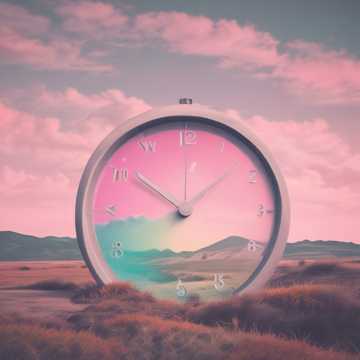
เธอเคลื่อนกาลให้หมุนไป
A poetic song about love transforming time and bringing color to a dull world, with a blend of grunge guitar and rap that intensifies the emotional journey.
04:00
2024-11-07
Tempo Change Music Tag: Definition, History, and Musical Evolution
Tempo Change is a music tag used to describe compositions that intentionally alter their speed during a performance or recording. Instead of maintaining a constant beats-per-minute (BPM), Tempo Change music features accelerations, slowdowns, sudden shifts, or gradual transitions that enhance emotional impact, dramatic storytelling, and musical expression. The concept of tempo variation dates back to classical music, where composers such as Ludwig van Beethoven, Frédéric Chopin, and Pyotr Ilyich Tchaikovsky frequently employed ritardando, accelerando, rubato, and other expressive tempo markings. During the Romantic era, tempo flexibility became an essential tool for emotional interpretation. In the twentieth century, jazz musicians expanded the creative use of Tempo Change through spontaneous rhythmic shifts, while progressive rock, fusion, and film composers adopted complex multi-tempo structures. Modern electronic music, cinematic scoring, video game soundtracks, and AI-generated music now utilize Tempo Change extensively, combining traditional musical techniques with digital automation and tempoTempo Change Music Tag mapping to create immersive listening experiences. Today, the Tempo Change tag represents music that emphasizes dynamic pacing, structural contrast, and expressive rhythmic evolution across virtually every musical genre.
Tempo Change Sub-tags and Classifications
Accelerando
Accelerando refers to a gradual increase in tempo throughout a musical passage. This Tempo Change technique builds excitement, anticipation, and momentum, making it popular in orchestral works, cinematic trailers, electronic dance music, and action game soundtracks.
Ritardando
Ritardando is the gradual slowing of tempo to create emotional resolution, reflection, or dramatic closure. It is frequently heard in classical compositions, film scores, ballads, and emotional piano music.
Rubato
Rubato is a highly expressive Tempo Change style where performers subtly speed up and slow down phrases for artistic interpretation without abandoning the overall pulse. It is especially common in Romantic piano music, jazz, and solo instrumental performances.
Sudden Tempo Shift
Sudden Tempo Shift involves an immediate transition from one tempo to another without gradual movement. This classification is common in progressive rock, progressive metal, avant-garde compositions, and experimental electronic music where dramatic contrast is desired.
Multi-Tempo Composition
Multi-Tempo Composition features multiple distinct tempo sections organized into a larger musical structure. Each section serves a unique emotional or narrative purpose, making this sub-tag popular in symphonies, film scores, musical theater, and video game soundtracks.
Metric Modulation
Metric Modulation changes the perceived tempo by redefining rhythmic relationships instead of simply increasing or decreasing BPM. This sophisticated Tempo Change technique is frequently found in contemporary classical music, jazz fusion, and progressive genres.
Tempo Automation
Tempo Automation refers to digitally programmed tempo changes within a digital audio workstation (DAW). Modern producers use automation curves to create seamless Tempo Change effects in EDM, ambient music, cinematic productions, and AI-generated compositions.
Famous Artists and Classic Works Featuring Tempo Change
Ludwig van Beethoven
Beethoven pioneered expressive tempo variation in symphonic music. Works such as Symphony No. 5 and Symphony No. 9 demonstrate sophisticated Tempo Change techniques that heighten dramatic tension and emotional progression.
Symphony No. 5 – Ludwig van Beethoven
This iconic symphony demonstrates carefully structured Tempo Change that intensifies dramatic development across movements. Strategic accelerations and expressive slowdowns create one of classical music's most recognizable emotional journeys.
Frédéric Chopin
Chopin elevated rubato into one of the defining expressive techniques of Romantic piano performance. His nocturnes, ballades, and études showcase refined Tempo Change through flexible phrasing and emotional nuance.
Ballade No. 1 in G Minor – Frédéric Chopin
The work exemplifies expressive Tempo Change through rubato, lyrical pacing, and dramatic tempo contrasts that allow performers significant interpretive freedom while maintaining structural coherence.
Igor Stravinsky
Stravinsky revolutionized twentieth-century rhythm by combining abrupt Tempo Change, irregular meters, and unpredictable pacing, influencing generations of modern composers.
The Rite of Spring – Igor Stravinsky
This groundbreaking composition features frequent Tempo Change, shifting rhythmic patterns, and unexpected pacing, fundamentally transforming twentieth-century orchestral composition and rhythmic innovation.
Dream Theater
Dream Theater is renowned for integrating rapid Tempo Change, complex rhythmic structures, and shifting time signatures throughout progressive metal compositions, demonstrating exceptional technical precision.
Dance of Eternity – Dream Theater
Widely recognized for its extraordinary rhythmic complexity, this progressive metal masterpiece combines rapid Tempo Change, numerous meter changes, and seamless transitions to showcase advanced musicianship.
Hans Zimmer
Hans Zimmer frequently incorporates gradual Tempo Change and evolving rhythmic layers into cinematic scores, using tempo development to strengthen emotional storytelling and dramatic impact.
Time – Hans Zimmer
This cinematic composition gradually evolves through subtle Tempo Change, layered orchestration, and increasing rhythmic intensity, demonstrating how tempo development can amplify emotional storytelling in film music.
John Williams
John Williams masterfully employs Tempo Change across orchestral film music, using accelerations, slowdowns, and contrasting tempo sections to support narrative development and cinematic pacing.
Tempo Change Music Application Scenarios
Tempo Change music is widely used in film scoring to synchronize emotional pacing with visual storytelling. Gradual accelerations increase suspense during action scenes, while slowing tempos emphasize emotional dialogue and dramatic conclusions.
Movie Soundtracks
Game composers employ Tempo Change to respond dynamically to gameplay. Music may accelerate during combat encounters, slow during exploration, and transition smoothly between gameplay states to improve player immersion.
Video Game Background Music
Brands utilize Tempo Change to maintain audience engagement, gradually building excitement before product reveals or slowing the pace to reinforce emotional messaging and memorable branding.
Advertising and Commercial Music
Tempo Change supports scene transitions, choreography, and dramatic storytelling, allowing performers and audiences to experience evolving emotional intensity throughout live performances.
Theater and Musical Productions
Documentary composers use Tempo Change to follow narrative progression, emphasizing moments of discovery, historical tension, scientific explanation, or emotional reflection.
Documentary and Television Scores
Workout playlists often incorporate Tempo Change to match exercise intensity, beginning with slower warm-up sections, progressing into high-energy training phases, and ending with cooldown periods.
Fitness and Workout Music
Ambient and mindfulness music frequently includes subtle Tempo Change to guide breathing exercises, relaxation techniques, and gradual emotional transitions without disrupting a peaceful atmosphere.
Meditation and Wellness Music
Modern AI music generation systems and adaptive media platforms use Tempo Change algorithms to produce dynamic compositions that respond to user interactions, personalized experiences, and evolving narrative contexts in real time.
AI-Generated Music and Interactive Media