
Free Theatrical Rap Music Generator Powered by AI
Turn text into high-quality Theatrical Rap music effortlessly – no login required!

music.toolTips
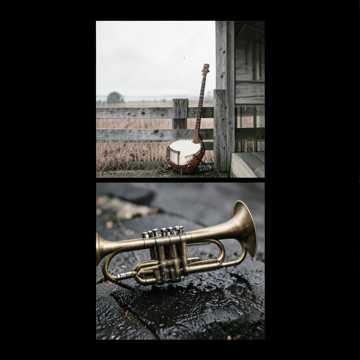
KevinS song
This intensely hostile performance uses repetition, explicit threats, accusations, and degrading language to portray a purported public confrontation with Kevin. Its stately folk-theatrical arrangement contrasts sharply with the lyrics, creating grim satire, abrasive tension, and an unsettling indictment of alleged abuse and misconduct.
06:29
6 days ago
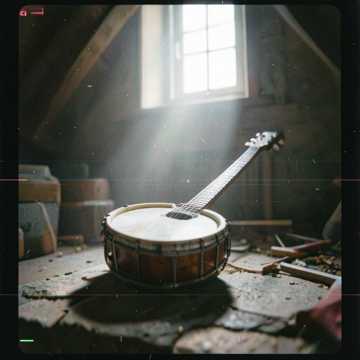
Castrate Kevin
A deliberately abrasive theatrical protest track built from relentless repetition, explicit threats, and hostile accusations toward Kevin. Its slow Appalachian banjo, Jewish rap, operatic vocals, brass, drum corps, and bass drops create a grotesque contrast between stately musical grandeur and chaotic verbal aggression.
06:29
6 days ago
Theatrical Rap: Definition, Sound, and History
Theatrical rap is hip-hop that uses dramatic performance techniques to make a song feel like a scene, monologue, character study, or miniature stage production. Its defining features can include vivid storytelling, role-play, spoken dialogue, exaggerated vocal delivery, scene changes, suspenseful arrangements, and lyrics built around a clear narrative or persona. Theatrical rap is a descriptive style rather than a formally fixed genre, so it often overlaps with narrative rap, concept albums, horrorcore, comedy rap, and musical theater. Its roots reach back to early hip-hop’s party hosting, call-and-response, and comic or boastful character performances. As rap recordings developed in the1980s and1990s, artists used longer narratives, skits, distinctive voices, and cinematic production to give songs a stronger dramatic arc. Later concept albums and stage musicals expanded the form, showing how theatrical rap could move between recorded hip-hop, live performance, and theater. Today, theatrical rap ranges from intimate, character-driven storytelling to large-scale productions with orchestral textures, ensemble vocals, and musical-theater structure.
Theatrical Rap Sub-tags and Classifications
Narrative and Storytelling Rap
Narrative rap centers on a sequence of events, with characters, setting, conflict, and often a resolution. Theatrical storytelling rap makes those elements especially vivid through dialogue, shifting perspectives, vocal characterization, and sound effects. The result can feel like a short play unfolding over a beat.
Concept Album and Character Rap
This form builds a song or album around a recurring character, fictional world, or overarching idea. Changes in voice, point of view, and production help distinguish characters and scenes. The theatrical effect comes from hearing the narrative develop across tracks rather than relying on a single dramatic moment.
Musical Theater Rap
Musical theater rap combines hip-hop flows and rhyme schemes with theater songwriting, ensemble sections, recurring motifs, and scene-based composition. It may use rap for exposition, internal monologue, argument, or rapid-fire dialogue, while other passages draw on singing and traditional stage arrangements.
Horrorcore and Gothic Theatrical Rap
Horrorcore-influenced theatrical rap uses suspense, dark imagery, unsettling characters, and cinematic sound design. Minor-key melodies, eerie samples, dramatic pauses, and distorted voices can create the atmosphere of a thriller or horror scene. The style may be fictional and performative, though its imagery can be intense.
Comedy and Satirical Theatrical Rap
Comedy theatrical rap uses persona, timing, exaggeration, and reversals to deliver jokes or social satire. Vocal acting and sharply staged scenarios are central: the rapper may adopt a character, conduct a mock dialogue, or build a song around an escalating comic premise.
Cinematic and Orchestral Rap
Cinematic theatrical rap pairs hip-hop rhythm and delivery with arrangements associated with film scores, such as strings, brass, choirs, percussion, and broad dynamic shifts. These elements can make a track sound like a trailer, a confrontation, or a climactic scene while keeping rap at the center.
Famous Theatrical Rap Artists and Classic Works
Lin-Manuel Miranda
As the creator and lyricist of Hamilton, Miranda helped bring musical theater rap to a broad audience. The show uses dense rhyme, hip-hop-informed rhythms, recurring musical themes, and sharply differentiated character voices to dramatize historical events. In the Heights also blends rap and contemporary music with theatrical storytelling.
Hamilton: An American Musical
Hamilton is a landmark in musical theater rap, using hip-hop, R&B, and traditional musical-theater techniques to tell the story of Alexander Hamilton and the early United States. Rapid verses communicate political arguments and biographical detail, while recurring motifs and ensemble passages connect characters and scenes. Its theatrical rap approach treats rhyme, flow, and musical style as tools for characterization as well as storytelling.
Kendrick Lamar
Kendrick Lamar is known for concept-driven albums, narrative sequencing, and expressive shifts in voice and perspective. Good Kid, M.A.A.D City unfolds like a coming-of-age film, while To Pimp a Butterfly uses recurring characters, spoken passages, and theatrical contrasts to connect personal storytelling with wider social themes.
Stan by Eminem
Stan is a tightly staged narrative rap told through letters from an increasingly obsessive fan and the rapper’s eventual reply. Changes in vocal tone, pacing, and emotional intensity make the characters legible without requiring a conventional dialogue scene. The song’s escalating structure and final reveal demonstrate how theatrical rap can use performance and sequencing to create suspense.
Eminem
Eminem has used alter egos, dialogue, dark humor, and tightly constructed narratives to create dramatic rap performances. Songs such as Stan and Guilty Conscience demonstrate how vocal characterization and scene-based writing can turn a track into a tense, acted story.
Good Kid, M.A.A.D City by Kendrick Lamar
This concept album follows a young Kendrick through a series of experiences in Compton, using voicemails, dialogue, recurring references, and carefully ordered tracks to suggest a film-like narrative. Theatrical rap elements appear in the contrast between voices and viewpoints, the scene-setting details, and the tension between an individual story and its social environment.
The Roots
The Roots have combined live-band hip-hop with narrative writing and theatrical presentation. Their album Undun follows a character through a compressed, reverse-chronological story, using recurring musical ideas and ensemble performance to give the record a dramatic structure.
A Prince Among Thieves by Prince Paul
A Prince Among Thieves is a continuous hip-hop drama about a young man pulled into crime while trying to make a record. Connected songs, skits, character dialogue, and guest performances create a radio-play-like structure. Its format demonstrates how theatrical rap can sustain a plot across an entire album rather than limiting its narrative to one track.
Tyler, the Creator
Tyler, the Creator has built albums around shifting personas, fictional relationships, and recurring narrative details. Wolf and Igor use character-driven performances and carefully sequenced production to create theatrical worlds that move between comedy, conflict, and emotional vulnerability.
Undun by The Roots
Undun tells the fictional life story of Redford Stephens in reverse chronological order, beginning near its end and moving toward earlier events. The Roots use live instrumentation, spoken passages, and recurring musical themes to connect the chapters. The result is a compact theatrical rap album whose arrangement and sequence reinforce the story’s sense of inevitability.
Kanye West
Kanye West has incorporated dramatic skits, character voices, choral arrangements, and large-scale production into concept-oriented hip-hop. Albums such as Late Registration and My Beautiful Dark Twisted Fantasy use changes in scale and tone to give songs a staged, cinematic quality.
My Beautiful Dark Twisted Fantasy by Kanye West
This album uses ambitious production, dramatic contrasts, guest ensembles, and shifts between bravado and vulnerability to create a larger-than-life performance. Tracks such as Runaway use repetition and extended instrumental passages as theatrical devices, while the album’s recurring themes give its songs the scale and continuity of a staged character portrait.
Prince Paul
Producer Prince Paul helped establish the narrative concept album in hip-hop with De La Soul’s3 Feet High and Rising and his own A Prince Among Thieves. The latter is structured as a continuous story, using skits, dialogue, and connected songs in a format closely related to a rap drama.
Theatrical Rap Applications and Use Cases
Theatrical rap can establish a character’s point of view, summarize a conflict, or add a distinctive narrative voice to a film. A scene-based track can accompany a montage, while a dramatic song with recurring motifs can support a character’s transformation or provide a memorable end-credit piece.
Movie soundtracks and end-credit songs
Theatrical rap is well suited to stage productions that need to deliver exposition, conflict, or fast-moving dialogue through rhythm and rhyme. Performers can use changes in flow, voice, and ensemble arrangement to distinguish characters and create energetic scenes.
Stage musicals and live theater
In story-driven games, theatrical rap can introduce a faction or character, underscore a mission, or accompany a cinematic sequence. Instrumental or lyric-light versions can add tension to gameplay, while complete narrative tracks can support trailers, menus, or chapter transitions.
Video game narrative and background music
A short theatrical rap can introduce a product through a memorable character, scenario, or sequence of rhymes. Its strong rhythm and narrative structure can make a campaign distinctive, particularly when the lyrics are tailored to the brand and the tone fits the intended audience.
Advertising and branded storytelling
Cinematic theatrical rap can build momentum in a film, series, game, or event trailer. A track with a clear build, dramatic pauses, and a final payoff can align its musical arc with the trailer’s cuts and reveal, while rap vocals provide a contemporary narrative voice.
Trailers and promotional campaigns
Theatrical rap can condense events, explain a character’s motivation, or make historical and educational material more engaging. Dialogue, changes in delivery, and musical cues help listeners follow a story using audio alone.
Audio dramas, podcasts, and educational media
At concerts, festivals, and themed events, theatrical rap can create a strong stage moment through costumes, movement, audience call-and-response, and character-based delivery. The narrative quality gives performers a way to connect songs into a cohesive set.
Live events and performance showcases