
Free Time and memory Music Generator Powered by AI
Turn text into high-quality Time and memory music effortlessly – no login required!

music.toolTips
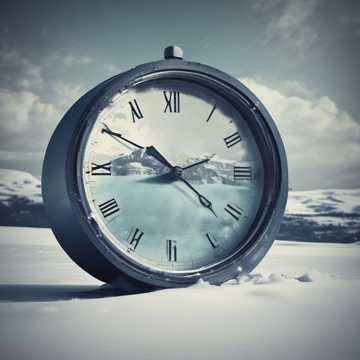
Часы
A hard rock song about the passage of time, memory, and emotional resilience. The lyrics reflect a struggle with the past, the persistence of love, and a determination to stay true to oneself despite life's challenges.
02:17
2024-11-07
Introduction to Time and Memory in Music
Time and memory in music refer to the way temporal structures, memory, and the passage of time are explored and represented through sound. This musical concept delves into how composers and artists use the perception of time, memory, and nostalgia to evoke emotions, create atmospheres, and explore themes such as loss, reflection, and the fluidity of time. Time and memory in music have evolved over centuries, with early examples found in classical compositions that used rhythmic patterns and motifs to reflect the passing of time. In modern music, these themes are often conveyed through experimental techniques, soundscapes, and the manipulation of memory, creating a layered narrative of both the past and the present.
Sub-tags and Classifications of Time and Memory in Music
Temporal Structures
Temporal structures in music focus on how time is represented through rhythm, pacing, and arrangement. This sub-tag explores how composers structure time through complex time signatures, irregular rhythms, and cyclical patterns that challenge the listener's sense of time and memory. Examples include minimalist music that stretches or compresses time toTime and memory music evoke a meditative or timeless experience.
Nostalgia and Memory
This sub-tag deals with the use of musical elements that evoke feelings of nostalgia and recollections of the past. Often through melodic repetition, harmonies, or instrumental timbres, nostalgia in music is designed to trigger specific memories in the listener. Composers might incorporate techniques such as leitmotifs or familiar musical references to call back memories and emotional connections.
Soundscapes and Atmospheres
In this classification, music emphasizes the creation of immersive environments that reflect the flow of time and the effects of memory on perception. Through the use of ambient sounds, delayed echoes, and atmospheric textures, composers create landscapes that mirror the ebb and flow of memory. This approach often leads to an experience where time seems to stretch, collapse, or repeat itself.
Memory Manipulation
Memory manipulation in music involves the deliberate alteration of sonic elements to mimic the distortion of memory. This can include techniques like looping, reversal, or fragmented patterns that blur the boundaries of past and present, invoking feelings of disorientation or reflection on the fragility of memory.
Famous Artists and Works Related to Time and Memory in Music
Philip Glass
Philip Glass is a pioneering figure in minimalist music, known for his works that often explore themes of time, repetition, and memory. His compositions, like 'Einstein on the Beach' and 'Glassworks', use repetitive patterns and shifting rhythms to evoke a sense of timelessness and memory. These works challenge traditional notions of time by creating cyclical patterns that invite the listener to experience time in a non-linear fashion.
Einstein on the Beach by Philip Glass
This landmark opera by Philip Glass is a masterful exploration of time and memory. The work uses repetitive, minimalist structures to convey a sense of time as fluid and unstructured. The cyclical nature of the music and its refusal to follow traditional narrative forms create an experience where memory and time are fluid concepts. 'Einstein on the Beach' challenges the listener to experience time not as linear, but as a vast, interconnected web of experiences.
Max Richter
Max Richter is a contemporary composer who frequently incorporates themes of memory and time in his work. His album 'Memoryhouse' is an excellent example of how memory is portrayed through classical music and electronic elements. Richter's ability to blend emotional depth with abstract concepts of time creates a unique atmosphere that resonates with listeners on a personal and reflective level.
Memoryhouse by Max Richter
'Memoryhouse' is an album that combines classical instrumentation with electronic elements to reflect the ephemeral nature of memory. Richter uses slow, melodic piano lines and ambient textures to create a sense of nostalgia and reflection. The album’s ability to evoke deep emotional responses is rooted in its exploration of how memory shapes our perception of time, making the past feel vivid and present even though it has long passed.
Brian Eno
Brian Eno, a pioneer in ambient music, has created numerous works that explore memory, time, and perception through sound. Albums such as 'Music for Airports' and 'The Ship' are characterized by slowly evolving soundscapes that evoke a sense of timelessness and nostalgia. Eno's approach to memory manipulation through sound is groundbreaking, inviting listeners to experience the fluidity of time in a meditative state.
Music for Airports by Brian Eno
In 'Music for Airports', Brian Eno's ambient masterpiece, the concept of time is stretched to create an environment where memory and experience become intertwined. The music is designed to be immersive, with slowly evolving soundscapes that encourage reflection and introspection. The lack of clear structure or traditional rhythm allows listeners to experience time as an abstract, shifting concept, evoking a sense of memory as fluid and ever-changing.
Application Scenarios for Time and Memory in Music
Time and memory-based music is frequently used in film soundtracks to evoke emotions related to the passage of time or personal recollections. A film like 'The Eternal Sunshine of the Spotless Mind' uses memory-based music to mirror the characters’ journey through their forgotten and remembered moments, heightening the emotional impact of key scenes.
Movie Soundtracks
In advertising, Time and memory-themed music is often used to create a connection with the viewer’s past experiences. Brands might use nostalgic music to trigger memories associated with a specific product or moment, fostering an emotional bond with the audience. A classic example is the use of old songs in commercials to evoke nostalgia for past generations.
Advertising Music
In video games, Time and memory music can be used to enhance storytelling by reflecting on the game’s themes of loss, progression, or the cyclical nature of the narrative. Games like 'The Legend of Zelda: Ocarina of Time' use musical motifs to symbolize the passing of time and the protagonist’s connection to memory, creating an immersive experience for the player.
Video Game Background Music