
Free Traditional Trot Music Generator Powered by AI
Turn text into high-quality Traditional Trot music effortlessly – no login required!

music.toolTips

커피 한 잔에
말다툼 뒤 먼저 건넨 커피 한 잔이 서운함과 고집을 녹이고, 다시 웃음과 사랑을 되찾게 한다. 소박한 부부의 화해를 경쾌한 트로트와 따뜻한 정서로 그린 노래다.
03:38
2 days ago

코 고는 소리까지 그리워
떠난 사랑하는 이를 향한 그리움을 코 고는 소리라는 친숙한 기억으로 풀어낸 전통 트로트다. 밝고 흥겨운 반주와 애절한 가사가 대비를 이루며, 사소했던 일상의 소중함과 다시 만나고 싶은 간절함을 따뜻하게 전한다.
04:17
2 days ago
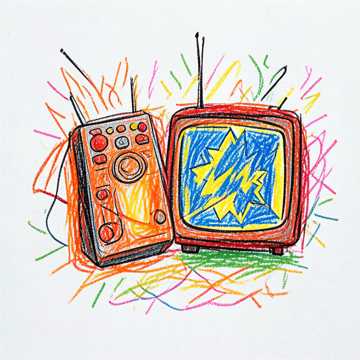
리모컨 전쟁
부부가 오랜 세월 TV 리모컨을 두고 벌인 소소한 다툼을 유쾌하게 풀어낸 트로트 곡이다. 흑백 TV부터 오늘날의 화면까지 함께한 추억을 지나, 결국 사랑은 같은 채널을 함께 보는 마음임을 따뜻하게 전한다.
04:01
2 days ago

우리 손주 입학하는 날
손주의 첫 등교를 맞은 할아버지의 기쁨과 벅찬 사랑을 그린 밝은 한국 전통 트로트입니다. 경쾌한 뽕짝 리듬과 아코디언, 브라스가 축제 분위기를 만들며 가족의 추억과 아이의 건강한 성장을 따뜻하게 응원합니다.
04:30
2 days ago

전화 한 통이면 충분해
멀리 떨어져 있어도 짧은 전화 한 통과 따뜻한 안부만으로 서로의 마음을 가깝게 이어 주는 노래입니다. 경쾌한 트로트 리듬과 힘찬 브라스, 친근한 후렴이 고마움과 사랑, 일상을 살아갈 용기를 밝고 정감 있게 전합니다.
03:21
3 days ago

해 지기 전 바닷가에
붉은 노을이 번지는 해변에서 연인과 함께 걷는 순간의 기쁨과 감사, 오래도록 간직할 사랑의 추억을 담은 밝은 전통 트로트입니다. 경쾌한 뽕짝 리듬과 아코디언, 브라스가 따뜻한 해변 풍경을 생생하게 살립니다.
04:18
3 days ago

작은 기쁨
‘작은 기쁨’은 평범한 하루 속 따뜻한 밥, 이웃의 인사, 꽃 한 송이, 가족과 친구의 대화를 행복의 보물로 그린 밝은 한국 트로트다. 경쾌한 투박자 리듬과 아코디언, 브라스가 감사와 사랑의 정서를 흥겹게 전한다.
04:02
3 days ago
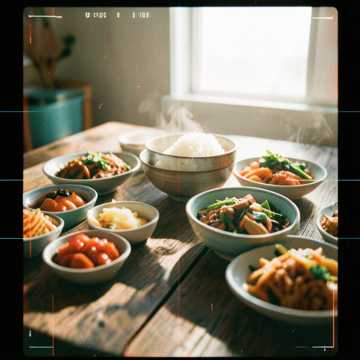
웃음은 보약이야
웃음과 건강한 생활 습관의 소중함을 밝고 유쾌하게 노래한 전통 트로트입니다. 통통 튀는 리듬과 힘찬 보컬, 브라스와 아코디언이 어우러져 가족, 친구와 함께 오래도록 행복하게 살아가자는 희망을 전합니다.
03:48
3 days ago

친구야, 보고 싶다
오랜 세월 멀어진 친구를 그리워하며 다시 만나고 싶은 마음을 밝고 흥겨운 트로트로 표현한 노래입니다. 추억의 찻집과 사진, 한잔의 술을 매개로 변치 않는 우정과 먼저 연락하겠다는 다정한 결심을 전합니다.
04:32
3 days ago
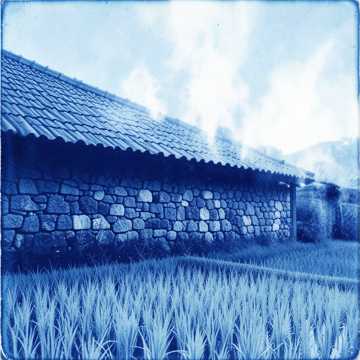
내 고향 우리 마을
아코디언과 브라스의 흥겨운 연주를 배경으로, 화자는 어린 시절의 가족과 친구, 장날과 저녁 풍경이 살아 있는 고향 마을로 돌아간다. 세월이 흘러도 변하지 않는 정과 소속감을 밝고 따뜻한 트로트로 노래한다.
04:16
3 days ago

편지 한 장
편지 한 장을 매개로 먼 길을 떠난 자녀를 걱정하고 응원하는 부모의 unconditional한 사랑을 그린 전통 트로트입니다. 밝고 흥겨운 리듬 속에 언제든 돌아와도 된다는 따뜻한 위로와 가족의 변함없는 품을 담았습니다.
03:45
3 days ago

황진이의 오지않는임
황진이가 한양으로 떠난 님을 밤마다 기다리며 변치 않는 사랑과 깊은 그리움을 노래한다. 달빛, 바람, 계절, 술과 시를 통해 홀로 남은 마음을 표현하며, 애절한 후렴과 전통 트로트 선율이 기다림의 정서를 선명하게 전한다.
03:48
6 days ago

황진이의 오지않는임
한양으로 떠난 임을 달빛 아래 기다리는 황진이의 애절한 사랑을 그린 전통 트로트 발라드입니다. 계절과 세월이 흘러도 변하지 않는 정을 서정적인 가사와 애잔한 후렴으로 표현합니다.
03:46
6 days ago

황진이의 오지않는임
오지 않는 임을 향한 애틋한 기다림과 깊은 그리움을 전통 트로트의 구성진 리듬으로 풀어낸 곡입니다. 가야금과 아코디언의 섬세한 선율, 절절한 후렴이 옛사랑의 기억과 긴 여운을 남깁니다.
02:22
6 days ago
Traditional Trot: Definition, History, and Cultural Significance
Traditional Trot is a Korean popular music style known for its steady two-beat or four-beat rhythmic pulse, highly memorable melodies, expressive vocal ornamentation, and themes of love, separation, longing, hardship, and everyday life. The term “trot” is commonly associated with the Korean word “teuroteu” and is often linked to the characteristic umpa-umpa rhythm of early popular dance music. Traditional Trot typically uses concise melodic phrases, repeated hooks, minor-key or modal colors, vibrato, sliding tones, and emotionally direct singing. Although Traditional Trot is strongly associated with Korean music, its early musical language developed through a mixture of Korean folk expression, Japanese popular-song traditions of the colonial period, Western ballroom and dance rhythms, and the performance practices of early Korean singers and theater musicians. During the1920s and1930s, recorded songs and phonograph culture helped establish the foundations of Korean popular song. In the1930s and1940s, singers such as Lee Aerisu and Nam In-su popularized songs that combined plaintive melodies with narratives of urban life, displacement, and romantic sorrow. After the Korean War, Traditional Trot became an important form of mass entertainment through radio, theaters, record shops, and live stages. In the1960s and1970s, artists including Lee Mi-ja and Na Hoon-a expanded its emotional range and public reach. In later decades, Traditional Trot continued to influence Korean television, karaoke culture, festivals, and contemporary crossover music. Today, Traditional Trot refers both to the classic repertoire and to modern performances that preserve its characteristic rhythm, melodic phrasing, vocal expression, and storytelling traditions.
Traditional Trot Sub-Tags and Classifications
Early Colonial-Era Trot
Early Colonial-Era Trot describes Korean popular songs from the1920s through the1940s that established many of the genre's defining traits. These recordings often feature compact verse structures, melancholy melodies, and themes of separation, travel, homesickness, and modern urban life. The arrangement may be relatively simple, using piano, strings, brass, accordion, or small dance-band instrumentation. This classification is historically significant because it shows how Korean-language songwriting, imported musical forms, and local emotional expression combined to create an early foundation for Traditional Trot.
Classic Sentimental Trot
Classic Sentimental Trot focuses on emotional ballads about lost love, loneliness, family separation, and personal hardship. Songs in this category often use minor tonalities, descending melodic lines, sustained notes, dramatic pauses, and pronounced vocal vibrato. The singer's interpretation is central: subtle changes in tone, breath, pitch bends, and diction communicate grief or nostalgia. Classic Sentimental Trot remains one of the most recognizable forms of Traditional Trot and is frequently performed at memorial events, family gatherings, karaoke venues, and televised music programs.
Upbeat Dance Trot
Upbeat Dance Trot uses the familiar steady trot pulse in a more energetic and celebratory way. Its arrangements may include brass sections, accordion, electric guitar, keyboards, percussion, and prominent rhythmic bass lines. The lyrics often address romance, nightlife, confidence, friendship, or festive gatherings. Upbeat Dance Trot is especially suitable for social dancing, festivals, variety shows, community events, and audience-participation performances because its repeated chorus and clear beat make it immediately accessible.
Narrative and Storytelling Trot
Narrative and Storytelling Trot is built around a clearly developed lyrical story. A song may describe a hometown, a train journey, a family relationship, a difficult period in history, or the emotional experience of returning to a familiar place. The melody is usually designed to support the words, with repeated phrases that reinforce important images and memorable refrains that help listeners follow the narrative. This form demonstrates how Traditional Trot functions not only as dance music but also as a vehicle for social memory and personal storytelling.
Regional and Hometown Trot
Regional and Hometown Trot centers on local identity, landscapes, dialect, food, festivals, ports, mountains, rivers, and memories of home. These songs often become informal cultural symbols for a city or province. Regional Traditional Trot may incorporate local pronunciation, folk melodic gestures, or references that are immediately meaningful to residents. The music is commonly used at tourism events, regional celebrations, cultural festivals, and family occasions, where its nostalgic mood strengthens a shared sense of place.
Folk-Influenced Traditional Trot
Folk-Influenced Traditional Trot combines the regular trot rhythm with elements from Korean traditional singing, folk melodies, or regional performance customs. Vocal ornamentation may resemble the expressive bends and decorative phrasing associated with Korean folk traditions, while the accompaniment can include instruments or patterns that suggest traditional music. This classification highlights the genre's ability to connect modern popular-song structures with older Korean musical sensibilities.
Stage and Variety-Show Trot
Stage and Variety-Show Trot is designed for visual performance and direct audience interaction. Singers often use pronounced gestures, call-and-response phrases, comedic timing, dance steps, and extended instrumental introductions. The music may retain classic Traditional Trot vocal techniques while adopting brighter arrangements and more immediate production. This style is widely heard on television competitions, concert stages, senior entertainment programs, and community performances.
Instrumental and Karaoke Trot
Instrumental and Karaoke Trot refers to backing-track, band, and instrumental versions of familiar Traditional Trot songs. These arrangements emphasize the signature pulse, chord progression, melodic hook, and instrumental fills so that singers or performers can add their own interpretation. Common instruments include accordion, keyboard, saxophone, trumpet, guitar, bass, drums, and string sections. This sub-tag is important because participatory singing and karaoke have played a major role in preserving and popularizing Traditional Trot.
Contemporary Revival Trot
Contemporary Revival Trot preserves the melodic and vocal identity of Traditional Trot while incorporating modern recording, electronic keyboards, pop production, hip-hop-influenced beats, dance arrangements, or crossover instrumentation. New performers may update the subject matter, tempo, and stage presentation without abandoning expressive vibrato, repeated hooks, and the recognizable trot rhythm. Contemporary Revival Trot has introduced the genre to younger audiences and helped connect classic repertoire with current entertainment culture.
Famous Traditional Trot Artists and Related Works
Lee Aerisu
Lee Aerisu is associated with the early development of Korean popular song and is widely remembered for the landmark recording “Tears of Mokpo” from the1930s. Her clear, emotionally focused singing helped demonstrate how Korean-language lyrics could be carried by modern recorded-song formats. Her work represents the formative period of Traditional Trot, when themes of homeland, distance, and sorrow became central to the genre's identity.
Tears of Mokpo
“Tears of Mokpo” is one of the most important early Korean popular songs associated with Traditional Trot. Its strong sense of place, longing, and emotional restraint helped establish the hometown and regional memory themes that recur throughout the genre. The song's memorable melodic contour and direct lyrical language make it easy to sing collectively, while its historical associations give it significance beyond entertainment. It illustrates how Traditional Trot can transform a specific location into a symbol of national memory and personal yearning.
Nam In-su
Nam In-su was one of the most influential male vocalists of early Korean popular music. His representative repertoire includes “Heartbreaking Miari Hill,” a song associated with separation and the painful history of the Korean peninsula. His restrained but deeply expressive vocal style helped define the plaintive male voice in Traditional Trot and influenced later singers through his phrasing, diction, and emotional control.
Heartbreaking Miari Hill
“Heartbreaking Miari Hill” is a representative example of narrative and sentimental Traditional Trot. The song uses the image of Miari Hill to express separation, forced departure, and the pain of wartime division. Its emotional power comes from the combination of a straightforward, singable melody and lyrics that evoke a specific historical experience. The work demonstrates how Traditional Trot can preserve collective trauma through an intimate popular-song format.
Hyeon-in
Hyeon-in is remembered for songs such as “Shinra's Moon Night,” which combine elegant melodic writing with a strong sense of historical atmosphere and longing. His recordings helped establish a refined, lyrical side of Traditional Trot. Through smooth vocal delivery and carefully shaped melodic lines, Hyeon-in demonstrated that trot could be both highly popular and musically polished.
Shinra's Moon Night
“Shinra's Moon Night” presents a lyrical and atmospheric side of Traditional Trot. Its imagery of moonlight, history, and distant romance creates a graceful mood, while the vocal line uses sustained notes and carefully shaped ornamentation rather than relying only on rhythmic energy. The song is notable for showing that Traditional Trot can incorporate historical fantasy and poetic atmosphere while maintaining a strong popular melody.
Lee Mi-ja
Lee Mi-ja is one of the most important voices in postwar Traditional Trot. Her signature song “동백 아가씨” or “Camellia Lady” became a major cultural work, while other recordings such as “여자의 일생” or “A Woman's Life” reinforced her reputation for portraying sorrow, endurance, and the emotional lives of ordinary people. Her controlled vibrato, precise diction, and direct emotional interpretation made her a model for generations of Korean trot singers.
Camellia Lady
Lee Mi-ja's “Camellia Lady” is a defining work of postwar Traditional Trot. The song's minor-key feeling, emotionally concentrated vocal delivery, and memorable refrain create a powerful portrait of sadness and social pressure. The camellia becomes a symbolic image through which the singer expresses vulnerability, lost love, and endurance. The recording's innovation lies less in dramatic instrumental complexity than in its disciplined use of vocal color, phrasing, and emotional accumulation.
Na Hoon-a
Na Hoon-a is a major Traditional Trot singer, songwriter, and stage performer whose career spans several decades. His representative works include “Mushiro,” “Love Is a Seed,” and numerous songs about pride, longing, family, and masculine vulnerability. Na Hoon-a contributed to the genre through a powerful vocal presence, dramatic live performance, memorable melodies, and an ability to keep traditional trot appealing across changing generations.
A Woman's Life
“A Woman's Life” is closely associated with the sentimental and narrative traditions of Traditional Trot. Its lyrics present the emotional burdens, compromises, and resilience of a woman's life, allowing listeners to connect a personal story with broader social experience. The song's repeated melodic structure supports the text and makes the emotional message easy to remember. It exemplifies how classic trot gave voice to ordinary people's struggles through direct, accessible songwriting.
Nam Jin
Nam Jin helped popularize a brighter and more dynamic side of Traditional Trot from the1960s onward. His energetic stage manner, rhythmic delivery, and accessible romantic songs broadened the genre's appeal beyond purely tragic ballads. His music helped establish the model of the charismatic trot entertainer, in which vocal performance, choreography, fashion, and audience interaction work together.
Mushiro
Na Hoon-a's “Mushiro” is recognized for its strong emotional narrative and dramatic vocal presentation. The work combines a memorable refrain with a sense of regret, pride, and unresolved affection. Its arrangement supports the singer rather than overwhelming the vocal line, allowing expressive bends, vibrato, and changes in intensity to carry the main drama. The song illustrates the performance-centered nature of Traditional Trot, where interpretation can be as important as composition.
Tae Jin-ah
Tae Jin-ah is a prominent modern Traditional Trot singer known for songs including “Love Is Not a Toy” and “Companion.” He has contributed to the continued visibility of trot through television, concerts, radio, and family-oriented entertainment. His repertoire combines classic emotional subjects with polished contemporary arrangements, helping preserve traditional vocal and rhythmic features in a modern media environment.
Oh My God
Jang Yun-jeong's “Oh My God” represents the modern revival and commercial expansion of trot. Its upbeat tempo, repeated hook, accessible language, and polished pop arrangement make it suitable for dancing, television, and group singing. While the production is more contemporary than that of early Traditional Trot, the song retains the genre's emphasis on a strong regular pulse, immediately recognizable melodic phrases, and direct emotional expression. It helped demonstrate that trot could appeal to younger listeners and compete within modern popular music.
Song Dae-nam
Song Dae-nam is associated with the popularization of accessible, audience-friendly trot performance and has contributed to the genre's presence in concerts, television programs, and regional events. His style illustrates how Traditional Trot can maintain familiar melodic hooks and vocal ornamentation while using modern stage production and highly participatory performance formats.
Jang Yun-jeong
Jang Yun-jeong played a major role in the modern revival of Korean trot through songs such as “어머나” or “Oh My God.” Her bright vocal tone, memorable chorus, dance-friendly rhythm, and contemporary visual presentation introduced trot-like songwriting to younger listeners in the2000s. Her success demonstrated that Traditional Trot principles could be refreshed through modern pop production without losing their rhythmic and melodic identity.
Traditional Trot Application Scenarios
Traditional Trot is highly effective in films and television dramas set in the1930s through the1970s, especially stories involving war, migration, family separation, urbanization, or postwar recovery. A period-appropriate trot recording can immediately establish time and place, while a newly produced Traditional Trot song can comment on a character's memory, homesickness, or emotional conflict. The genre's distinctive vocal color and instrumentation also help distinguish Korean historical settings from generic cinematic nostalgia.
Historical and Period-Film Soundtracks
Traditional Trot works well in scenes about parents, grandparents, lost relatives, reunions, sacrifice, and returning home. Its direct lyrics and expressive singing can intensify a moment without requiring extensive dialogue. Sentimental Traditional Trot is particularly suitable for montage sequences, farewell scenes, reunion episodes, and storylines that connect personal emotion with family history.
Family Drama and Emotional Television Scenes
Cities, provinces, and cultural organizations can use Regional Traditional Trot in tourism advertisements, festival openings, museum exhibitions, and destination videos. Songs that mention local landmarks, coastlines, mountains, markets, or hometown memories create a strong emotional association with a place. A Traditional Trot theme can make a regional campaign feel familiar, communal, and culturally specific rather than purely commercial.
Regional Tourism and Cultural Promotion
Traditional Trot can be used in advertising for products and services aimed at families, older audiences, traditional markets, restaurants, local businesses, travel companies, and community-oriented brands. A short trot hook is easy to remember and can communicate warmth, trust, familiarity, and nostalgia. Upbeat Dance Trot is suitable for food, retail, and festival promotions, while sentimental trot can support campaigns focused on family bonds, heritage, or long-term reliability.
Advertising Music
Traditional Trot can add cultural identity and comic contrast to video games. It may accompany a Korean marketplace, harbor, rural town, old neighborhood, karaoke room, or historical chapter. A looping instrumental trot arrangement can create a lively social atmosphere, while a distorted or slower version can support mystery, satire, or retro storytelling. Because the rhythm is clear and repetitive, it can also work effectively as background music for minigames and festival stages.
Game Background Music
Documentaries about Korean modern history, migration, music culture, cities, and family memory often use Traditional Trot to connect archival images with lived experience. Original recordings can provide historical authenticity, while newly arranged versions can make archival themes accessible to contemporary viewers. The genre is particularly effective when a documentary explores how ordinary people experienced national change.
Documentaries and Historical Programs
Traditional Trot is a practical choice for local festivals, senior centers, cultural celebrations, charity events, and public concerts because its melodies are familiar and its choruses encourage audience participation. Live performers can adapt the tempo, extend instrumental breaks, invite call-and-response singing, or combine several well-known songs into a medley. This flexibility makes Traditional Trot suitable for both professional stages and amateur community performances.
Festivals, Community Events, and Public Performances
Traditional Trot has a strong connection with karaoke and group singing. Its clear phrasing, repeated refrains, and emotionally expressive vocal lines allow singers with different skill levels to participate. Karaoke venues, family gatherings, company events, and informal celebrations frequently use trot songs to create shared memories and friendly competition. Instrumental and backing-track versions can preserve the original rhythm while leaving space for personal interpretation.
Karaoke and Social Entertainment
In theater and musical productions, a Traditional Trot song can reveal a character's age, hometown, occupation, social background, or emotional history. A character may sing a classic-style trot to express longing, perform an upbeat number to energize a crowd, or use a familiar song ironically to contrast public confidence with private sadness. The genre's strong narrative potential makes it useful for establishing cultural context and advancing character relationships.
Theater, Musical, and Character Development
Producers can combine Traditional Trot with pop, rock, electronic music, jazz, hip-hop, or orchestral scoring. The classic trot pulse can remain in the bass and percussion while modern synthesizers, drum programming, and layered harmonies update the sound. This approach is useful for talent shows, crossover singles, fashion content, online videos, and youth-oriented media that want a recognizable Korean musical identity with modern production values.
Contemporary Pop and Cross-Genre Production