
Free Vintage Texture Music Generator Powered by AI
Turn text into high-quality Vintage Texture music effortlessly – no login required!

music.toolTips
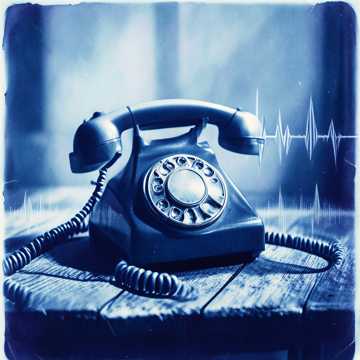
Percakapan Terakhir
Lagu ini menggambarkan percakapan terakhir dua kekasih yang masih saling mencintai, tetapi menyadari bahwa cinta saja tidak cukup untuk menyelamatkan hubungan. Nuansa malam, telepon analog, pertengkaran samar, piano, dan dentuman sinematik memperkuat kesan kehilangan, penyesalan, serta perpisahan yang belum siap diterima.
04:36
2 days ago
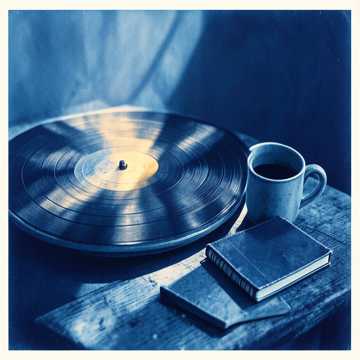
У мечты есть адреса
Песня рассказывает о двух людях, которые превращают повседневность в путь к мечте. Поддержка, дружба, любовь и самостоятельный выбор помогают им не бояться перемен. Олдскульный хип-хоп, тёплое пиано и совместный припев создают энергичный гимн единству и надежде.
03:10
Invalid date
Vintage Texture Music: Definition, History, and Sonic Characteristics
Vintage texture is a music production style and sonic aesthetic that recreates the warmth, character, imperfections, and atmosphere associated with historical recording formats and earlier musical eras. Rather than referring to one fixed genre, Vintage texture describes the audible surface and emotional color of a recording. Common characteristics include tape saturation, vinyl crackle, analog hiss, gentle distortion, wow and flutter, narrow frequency response, room ambience, spring or plate reverb, muted transients, and the slightly unstable timing associated with older recording equipment. Vintage texture music may draw on jazz, soul, blues, folk, rock, funk, library music, lounge, cinematic music, or electronic production while using period-inspired sound design to create a nostalgic listening experience.
Vintage Texture Sub-Tags and Classifications
Vinyl Texture
Vinyl Texture uses record crackle, surface noise, needle artifacts, dust sounds, filtered bandwidth, and occasional skips to imitate playback from a turntable. This Vintage texture classification is often used beneath piano, jazz, soul, lo-fi hip-hop, and spoken-word recordings. The noise should support the mood rather than overwhelm the musical content, and subtle filtering can make the track resemble a worn record from a specific period.
Tape Saturation
Tape Saturation is built around the compression, harmonic overtones, and soft distortion produced when audio passes through magnetic tape. It can make bass feel rounder, vocals more intimate, and drums less brittle. Reel-to-reel tape, cassette tape, and tape-emulation plugins produce different forms of Vintage texture, ranging from polished studio warmth to noticeably degraded home-recording character.
Cassette Lo-Fi
Cassette Lo-Fi emphasizes the unstable pitch, hiss, limited bandwidth, compression, and occasional warble associated with compact cassette recordings. This sub-tag is common in lo-fi beats, bedroom pop, ambient music, dream pop, and nostalgic social-media soundtracks. Cassette Vintage texture is especially effective when the goal is to suggest personal memory, an old demo, a handmade mixtape, or an intimate home environment.
Tube Warmth
Tube Warmth refers to the rounded harmonic character created by vacuum-tube microphones, preamps, compressors, amplifiers, and mixing equipment. It often produces a full midrange, smooth high frequencies, and a sense of depth around vocals, strings, brass, and electric guitar. Tube Warmth is a useful Vintage texture when a production needs to sound luxurious, organic, emotionally close, or reminiscent of mid-century studio recordings.
Vintage Jazz Texture
Vintage Jazz Texture combines upright bass, brushed drums, muted trumpet, saxophone, piano, guitar, small-room ambience, and period-inspired recording techniques. Mono or narrow stereo placement, ribbon microphones, tape compression, and plate reverb can reinforce the sound of classic jazz clubs and mid-century sessions. This classification works well for lounge music, cocktail-bar scenes, documentary cues, and sophisticated advertising.
Retro Soul and Motown Texture
Retro Soul and Motown Texture focuses on tight rhythm sections, handclaps, tambourines, electric bass, warm keyboards, horn arrangements, and vocal harmonies inspired by1960s and1970s soul. Saturated drums, spring or plate reverb, and carefully controlled mono compatibility help reproduce the energetic but compact sound of classic soul productions. The style is suitable for upbeat campaigns, fashion content, lifestyle videos, and retro-inspired pop.
Vintage Rock Texture
Vintage Rock Texture uses overdriven guitar amplifiers, live drum rooms, analog console coloration, tape compression, and simple microphone setups. The result can range from clean1950s rock and roll to gritty1960s garage rock and expansive1970s psychedelic rock. This Vintage texture style is useful when a track needs physical energy, rebellious character, human timing, and a strong connection to classic band recording practices.
Folk and Acoustic Vintage Texture
Folk and Acoustic Vintage Texture highlights acoustic guitar, banjo, mandolin, upright bass, hand percussion, harmonica, and close vocal harmonies. Natural room reflections and modest tape coloration preserve the sense of a live performance, while mild noise and limited bandwidth can suggest an archival field recording or old radio session. It is often used for heritage brands, travel stories, rural imagery, documentary scenes, and reflective storytelling.
Vintage Radio Texture
Vintage Radio Texture imitates AM radio, shortwave broadcasts, old microphones, and public-address systems through band-pass filtering, mono processing, compression, static, and speech-focused midrange. It can create the impression of a historical broadcast, a fictional news report, a distant memory, or a period advertisement. This classification is particularly effective for film transitions, game world-building, podcasts, trailers, and narrative audio.
Film and Cinematic Vintage Texture
Film and Cinematic Vintage Texture combines orchestral or small-ensemble writing with analog recording color, aged tape effects, archival noise, tremolo, reverb, and period-specific instrumentation. It can evoke noir, wartime drama, silent cinema,1960s spy films, or faded home movies. The texture is often designed to reinforce a visual era without making the music sound artificially old from beginning to end.
Retro Electronic Texture
Retro Electronic Texture uses vintage drum machines, analog synthesizers, early samplers, sequencers, vocoders, and hardware effects. Pitch drift, oscillator instability, tape delay, gated reverb, and saturated low-resolution sampling can suggest the sound of1970s,1980s, or early1990s electronic production. This sub-tag appears in synthwave, vaporwave, retro game music, electro-funk, and contemporary pop inspired by analog technology.
Phonograph and Gramophone Texture
Phonograph and Gramophone Texture recreates the strongly limited, resonant, and mechanically colored sound of early disc playback. It usually features narrow bandwidth, prominent surface noise, softened attacks, mono imaging, and occasional pitch instability. Because it is highly recognizable, this Vintage texture should be used selectively for historical flashbacks, period comedy, archival sequences, and dramatic transitions.
Warm Lo-Fi Ambient Texture
Warm Lo-Fi Ambient Texture combines sustained pads, soft piano, field recordings, tape loops, low-level hiss, and slowly shifting pitch or volume. Compared with a heavily degraded lo-fi sound, this approach uses imperfection as an atmosphere while preserving calmness and musical clarity. It is suited to relaxation content, reflective scenes, study playlists, galleries, meditation applications, and emotional brand films.
Famous Artists and Classic Works Related to Vintage Texture Music
Louis Armstrong
Louis Armstrong helped establish the expressive power of early jazz through his trumpet playing, rhythmic phrasing, and highly recognizable vocal delivery. Recordings such as "West End Blues" demonstrate the directness, compression, room character, and limited-frequency color often associated with early Vintage texture. His work remains a reference for producers seeking authentic traditional jazz atmosphere.
Louis Armstrong - West End Blues
This recording is an important example of early jazz Vintage texture. The trumpet, ensemble interplay, vocal presence, and period recording limitations create a concentrated, direct sound rather than a wide modern stereo image. Its innovation lies in the combination of virtuosic improvisation, flexible rhythm, and concise early recording technology, showing that expressive detail can remain powerful even when the frequency range and recording space are limited.
Billie Holiday
Billie Holiday's recordings are closely associated with intimate vocal phrasing, restrained instrumentation, and emotionally detailed performances. Songs such as "Strange Fruit" and "God Bless the Child" show how a relatively sparse arrangement and period recording texture can place the listener close to the singer. Her work influenced later approaches to vocal warmth, jazz ballad production, and emotionally focused Vintage texture.
Billie Holiday - Strange Fruit
The sparse arrangement and intimate vocal focus make this work a strong reference for emotionally charged Vintage texture. The recording does not depend on heavy production; instead, the restrained accompaniment, period microphone character, and controlled dynamics leave room for the words and phrasing. Its enduring impact demonstrates how historical sonic color can intensify narrative and social meaning.
Miles Davis
Miles Davis contributed to several important stages of jazz recording, from cool jazz to modal jazz and electric fusion. The album "Kind of Blue" is a landmark example of spacious ensemble recording, natural instrumental balance, and restrained studio coloration, while "Bitches Brew" demonstrates how analog saturation and experimental editing can support a more atmospheric Vintage texture.
Miles Davis - Kind of Blue
Kind of Blue presents a spacious and balanced form of Vintage texture. The small ensemble, modal structures, natural instrumental separation, and understated recording approach create an atmosphere of clarity and calm. Rather than using obvious degradation, the album evokes its era through performance, microphone placement, room sound, and analog warmth, making it a useful model for subtle retro production.
The Beatles
The Beatles and their production collaborators expanded the creative possibilities of four-track and later multitrack analog recording. Works such as "Sgt. Pepper's Lonely Hearts Club Band" use tape manipulation, varispeed, layered arrangements, unusual microphone techniques, and studio effects as compositional tools. Their catalog remains central to the study of psychedelic, orchestral, and experimental Vintage texture.
The Beatles - Sgt. Pepper's Lonely Hearts Club Band
This album treats the studio as an instrument. Tape edits, varispeed, layered vocals, orchestration, sound effects, artificial double tracking, and contrasting instrumental colors create a highly designed Vintage texture. Its innovation was not simply the use of analog equipment but the transformation of recording limitations into creative decisions, a principle still used by modern producers working with tape and lo-fi processing.
Aretha Franklin
Aretha Franklin's recordings helped define the emotional and vocal power of classic soul. Tracks such as "Think" and "Respect" combine strong rhythm sections, organ, horns, backing vocals, and saturated period recording techniques. Her music is a major reference for Retro Soul and Motown-inspired Vintage texture, especially when producers want energetic vocals and a human, live-band feel.
Marvin Gaye - What's Going On
What's Going On combines warm analog ensemble recording with sophisticated arrangement and vocal layering. The flowing transitions, percussion, strings, saxophone, and stacked voices produce a cohesive sound that feels both intimate and expansive. Its Vintage texture is valuable because it supports a complex emotional and social message without making the production feel technically dated.
Marvin Gaye
Marvin Gaye used layered vocals, orchestral color, funk rhythm sections, and carefully shaped studio production to create both intimate and socially resonant recordings. "What's Going On" is particularly influential for its warm ensemble sound, flowing arrangements, and cohesive analog atmosphere. It illustrates how Vintage texture can support sophisticated songwriting rather than functioning only as an audible effect.
Ennio Morricone - The Good, the Bad and the Ugly Theme
The theme is recognizable for its whistle, sparse guitar figures, percussion, vocal-like calls, and dramatic orchestral framing. Its Vintage texture comes from the recording space, period instrumentation, dynamic contrast, and distinctive use of nontraditional sounds. The piece demonstrates how a few strongly colored sonic details can establish a cinematic setting more effectively than a dense arrangement.
Ennio Morricone
Ennio Morricone developed a distinctive cinematic language using unusual instrumental combinations, whistling, electric guitar, orchestral textures, percussion, and spacious recording techniques. His scores for films including "The Good, the Bad and the Ugly" demonstrate how period instrumentation, reverb, and analog color can create an instantly recognizable film world. His work remains influential in cinematic Vintage texture and retro advertising music.
Amy Winehouse - Back to Black
Back to Black is a modern recording shaped by classic soul and girl-group aesthetics. The arrangement uses live-feeling drums, strings, horns, backing vocals, and warm midrange production to create a convincing retro atmosphere. Its innovation is the integration of Vintage texture into contemporary songwriting and pop distribution, proving that a period-inspired sound can remain commercially accessible and emotionally current.
Brian Eno
Brian Eno explored studio production as a form of composition, particularly through ambient music, tape processes, synthesizers, and generative ideas. Albums such as "Another Green World" and "Music for Airports" show different ways of using space, repetition, and subtle coloration. His influence is evident in contemporary warm ambient, experimental, and electronically produced Vintage texture.
Boards of Canada - Music Has the Right to Children
This electronic work uses sampled fragments, softened drum machines, analog synthesizer tones, pitch instability, and deliberately aged processing to evoke memory and distance. The album is important to modern Vintage texture because it treats degradation as a compositional element rather than a defect. Its sound influenced lo-fi electronic music, vaporwave-adjacent production, ambient media cues, and nostalgic game-inspired sound design.
Boards of Canada
Boards of Canada are known for combining electronic composition with degraded samples, analog synthesizers, unstable pitch, filtered drums, and nostalgic audiovisual references. Albums such as "Music Has the Right to Children" demonstrate how tape-like degradation and imperfect sampling can evoke childhood memory without simply copying one historical genre. Their work strongly influenced modern lo-fi electronic and retro ambient production.
Amy Winehouse
Amy Winehouse brought classic soul, jazz, and rhythm-and-blues influences into a contemporary pop context. Her album "Back to Black" uses retro-inspired arrangements, live-band dynamics, horns, strings, backing vocals, and deliberately period-conscious production. The record helped popularize a modern form of Vintage texture that sounds emotionally immediate while referencing1960s girl groups and soul recordings.
Leonard Cohen
Leonard Cohen's early recordings demonstrate how close vocals, acoustic instruments, restrained arrangements, and room ambience can create a warm archival feeling. His songwriting and production aesthetics influenced folk, singer-songwriter, and cinematic music makers who use Vintage texture to emphasize lyrical intimacy, melancholy, and human imperfection.
Vintage Texture Music Application Scenarios
Vintage texture music can establish a historical period, reveal a character's memory, or contrast a contemporary scene with an earlier era. Vinyl crackle, mono radio filtering, tape flutter, and period instruments can make a flashback feel immediate. A subtle tape layer may also create emotional continuity without making the score sound artificially old.
Film and Television Soundtracks
Documentaries can use Vintage texture to connect narration with archival photographs, letters, interviews, and restored footage. Radio-style filtering can represent an old broadcast, while restrained tape saturation can unify newly recorded narration with historical material. Producers should balance authenticity with intelligibility so that the texture does not obscure important speech.
Historical Documentaries
Vintage texture music is effective for brands associated with craftsmanship, heritage, food, fashion, automobiles, travel, hospitality, and handmade products. A warm soul groove can make a lifestyle campaign feel welcoming, while a gramophone or jazz texture can communicate elegance and tradition. The selected decade should match the brand story rather than being added as a generic nostalgia effect.
Advertising and Brand Campaigns
Game composers use Vintage texture to define locations, historical settings, dream sequences, haunted rooms, and fictional broadcasts. Cassette wobble can suggest a character's private memory, radio filtering can add environmental storytelling, and retro electronic texture can support an arcade or1980s-inspired world. Adaptive systems can gradually increase distortion or noise as the player enters a damaged or supernatural area.
Video Game Background Music
Pixel-art games often benefit from compact, characterful music that complements deliberately low-resolution visuals. Chiptune melodies can be combined with tape saturation, old drum-machine samples, or filtered synths to create a hybrid Vintage texture. This approach provides historical flavor while leaving enough space for gameplay sound effects and dialogue.
Indie Games and Pixel-Art Projects
Vintage texture can distinguish an in-world recording, archival interview, detective broadcast, or fictional cassette from the main narration. Radio-band processing, vinyl noise, and room reverb can help listeners understand changes in time and source. Effects should be automated and carefully controlled so voices remain clear on headphones, phones, and small speakers.
Podcasts and Audio Drama
Short videos frequently use Vintage texture to create an immediate nostalgic hook. A muted drum loop, cassette warble, soft piano, or old-radio transition can support fashion edits, travel diaries, cooking videos, analog photography, and personal storytelling. Because short-form content is consumed quickly, a recognizable texture should appear early while remaining subtle enough to preserve the message.
Social Media Videos and Short-Form Content
Retro jazz, soul, disco, and analog electronic textures can reinforce clothing collections inspired by a particular decade. Narrow stereo width, saturated bass, live percussion, and period synthesizers can make the soundtrack feel editorial and tactile. The rhythm and texture should be aligned with cuts, runway movement, and the visual material of the campaign.
Fashion Films and Editorial Videos
Travel films can use acoustic folk instruments, old-film ambience, or vintage lounge music to suggest local history and personal discovery. Vintage texture works especially well with archival streetscapes, train journeys, old hotels, markets, and restored photographs. Careful research is important so that the chosen musical references represent the location respectfully rather than reducing it to a stereotype.
Travel, Heritage, and Cultural Promotion
Warm lo-fi ambient texture is widely used in study, reading, sleep, and relaxation contexts. Soft tape hiss, gentle piano, brushed drums, and slowly evolving pads can reduce the sense of digital sterility and create a comfortable sonic environment. The production should avoid sudden crackles, extreme pitch shifts, or aggressive distortion that could distract listeners.
Relaxation, Study, and Ambient Playlists
Vintage texture music can support stage productions set in earlier decades or help mark transitions between scenes. Pre-recorded phonograph sound, period dance music, and radio announcements can expand the world beyond the visible set. Live musicians may also use tube amplifiers, ribbon microphones, and acoustic instruments to make the historical aesthetic consistent in the theater.
Theater and Live Performance
Brands selling cameras, records, coffee, furniture, instruments, and handmade goods can use Vintage texture to emphasize tactility and tradition. A dry acoustic groove or warm reel-to-reel sound can make the production process feel personal and carefully made. This application is strongest when the music's audible imperfections reinforce the product's real material qualities.
Product Demonstrations and Craft Content