
Free Warkari Music Generator Powered by AI
Turn text into high-quality Warkari music effortlessly – no login required!

music.toolTips
राम कृष्ण हरी 🙏 | मृदंग करताल संकीर्तन
हे संकीर्तन विठ्ठलभक्ती, पंढरीची वारी, नामस्मरण, सेवा आणि सामूहिक आनंद यांचे भावपूर्ण चित्र उभे करते. पुरुष-महिला प्रतिसाद, वारकरी गजर, मृदंग-करतालाचा वाढता ठेका आणि शांत समारोप यांमधून भक्ताच्या अंतर्मनातील विठ्ठलप्रेम व्यक्त होते.
05:08
8 hours ago
विठ्ठला, तुझी सावली माझ्या संगती
विठ्ठलाच्या सावलीत आधार शोधणारे हे मराठी भक्तिगीत एकटेपणातून आशेकडे आणि वैयक्तिक प्रार्थनेतून वारकरी समुदायाच्या समतेकडे प्रवास करते. मंद लयीतील भावपूर्ण गायन, पारंपरिक वाद्ये आणि अखेरचा नामजप ध्यान, प्रार्थना व वारीच्या वातावरणाला साजेसे आहेत.
07:20
20 hours ago
नाम तुझे घेता सुख मिळे विठ्ठला
हे भक्तिगीत विठ्ठलाच्या नामस्मरणातून मिळणारे अंतःसुख, पंढरीची वारी, निसर्गातील ईश्वरदर्शन आणि माणुसकीची सेवा यांचे भावपूर्ण चित्र रंगवते. मंद सुरुवातीपासून टाळ-मृदंगाच्या उत्साही लयीत ते वाढत जाते आणि सामूहिक विठ्ठल नामगजरात आध्यात्मिक आनंदाचा उत्कर्ष साधते.
07:01
20 hours ago

विठ्ठला, तुझ्या भेटीची आस लागली
विठ्ठलदर्शनाची उत्कट ओढ, नामस्मरणाचा आधार आणि वारीतील सामूहिक भक्ती हे गीताचे केंद्र आहे. चंद्रभागेचा निवांत घाट, सर्वांच्या सुखासाठी केलेली प्रार्थना आणि अखेरच्या श्वासापर्यंत भक्तीची इच्छा यांतून विरह, विश्वास व माणुसकी उलगडतात. मंद-मध्यम लय, बासरी आणि टाळ-मृदंग यांची साथ भावविश्व खुलवते.
07:10
21 hours ago
देवा पंढरीनाथा, मला तुझ्या चरणी राहू दे
विठ्ठलाच्या चरणी आश्रय मागणारे हे वारकरी भजन वैयक्तिक दुःखातून सामूहिक भक्ती आणि सर्वांच्या कल्याणाच्या प्रार्थनेकडे उलगडते. संथ गती, भावपूर्ण पुरुषस्वर, पारंपरिक वाद्ये आणि क्रमाने उंचावणारा नामगजर यांमुळे पहाटेची प्रार्थना, भजनसंध्या किंवा वारीच्या स्मरणासाठी हे गीत अनुरूप ठरते.
06:35
21 hours ago

माझ्या मनात विठ्ठलाचा गजर
विठ्ठलाशी सख्य, चुकांची कबुली आणि त्याच्या कृपेवरील विश्वास यातून हे गीत उलगडते. वैयक्तिक प्रार्थनेतून पंढरीच्या वारीच्या सामूहिक गजरापर्यंत त्याचा भावप्रवास जातो; दया आणि माणुसकीतून भक्ती आचरणात उतरवण्याची प्रेरणा मिळते. मंद लय, टाळ-मृदंग आणि नामजप शांत समारोपाकडे नेतात.
07:21
21 hours ago

माझा श्वास विठ्ठलाच्या नामात
हे भजन विठ्ठलनामातील अखंड श्वास, पंढरीच्या वारीची भक्तिमय अनुभूती आणि जीवनातील सुखदुःखांत पांडुरंगाचा आधार यांचे भावपूर्ण चित्रण करते. वैयक्तिक प्रार्थनेपासून सामूहिक नामगजरापर्यंत गीत भक्ताला प्रेम, शांती आणि समर्पणाच्या आध्यात्मिक प्रवासावर घेऊन जाते.
07:11
3 days ago
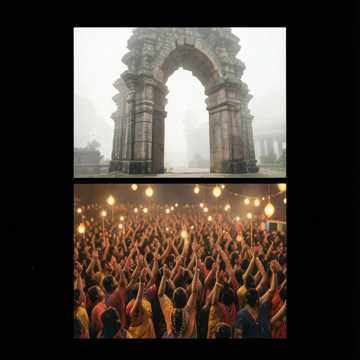
गजर विठ्ठल नामाचा
हे गीत संसारातील दुःख, एकटेपणा आणि थकवा विठ्ठलाच्या चरणी अर्पण करणाऱ्या भक्ताची आर्त विनवणी मांडते. मुख्य गायक आणि भक्तांचा प्रश्नोत्तर संवाद, वारकरी गजर, टाळ-मृदंगाचा ठेका आणि सामूहिक जयघोष यांमधून श्रद्धा, समर्पण आणि सामुदायिक आनंदाचा उत्कर्ष साधला आहे.
05:55
4 days ago
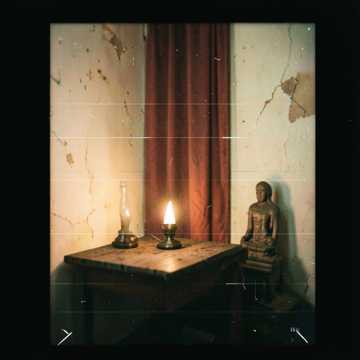
माझ्या दुःखाचा भार घे रे विठ्ठला
संसाराचे ओझे, कर्ज, चिंता आणि कुटुंबाच्या सुखासाठी झगडणारा भक्त विठ्ठलाच्या चरणी आपले दुःख अर्पण करतो. कृपेची याचना करताना गीत निराशेतून आशेकडे, वेदनेतून श्रद्धेकडे आणि एकटेपणातून दैवी आधाराकडे प्रवास घडवते.
07:14
4 days ago

माझ्या श्वासात विठ्ठलाचे नाव
हे भावपूर्ण विठ्ठलभजन भक्ताच्या प्रत्येक श्वासात, ध्यासात आणि जीवनात पांडुरंगाचे नाम वसावे, अशी मनोमन प्रार्थना व्यक्त करते. पंढरपूरची वारी, समतेचा संदेश, दुःखातील आधार, सेवाभाव आणि अंतिम क्षणी विठ्ठलचरणी विसावण्याची उत्कट आस यांतून गीताची आध्यात्मिक अनुभूती खुलते.
07:22
5 days ago
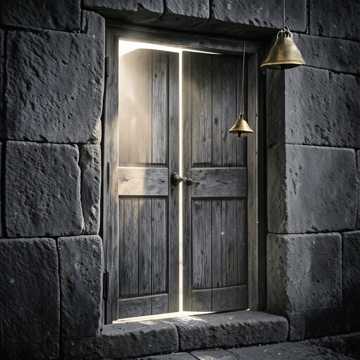
विठ्ठल नामाचा गजर झाला
हे भजन विठ्ठलाच्या दर्शनाची आस, नामस्मरणातील आनंद, वारकरी परंपरेची सामूहिक ऊर्जा आणि पांडुरंगाच्या चरणी पूर्ण समर्पण व्यक्त करते. चंद्रभागा, पंढरीची वारी, टाळ-मृदंग आणि जय हरी विठ्ठलचा गजर यामुळे गीताला आध्यात्मिक व उत्सवी रंग प्राप्त होतो.
05:50
5 days ago
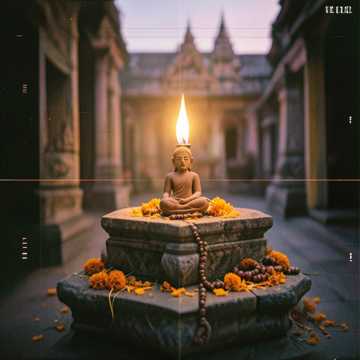
धाव घे रे विठ्ठला, भक्त तुझा हाक मारी
हे गीत विठ्ठलाच्या दर्शनासाठी आसुसलेल्या भक्ताची आर्त हाक व्यक्त करते. संसारातील थकवा, दुःख आणि संकटांमध्ये पांडुरंगाचा आधार मागताना वारकरी परंपरा, चंद्रभागा, पंढरीची वारी आणि सामूहिक नामस्मरण यांचे भावपूर्ण चित्र उभे राहते.
07:11
5 days ago
तुझ्या नामात हरवू दे मला, विठ्ठला
हे गीत विठ्ठलाच्या चरणी समर्पण, नामस्मरण आणि पंढरीच्या वारीची आस व्यक्त करते. भक्ताच्या सुखदुःखांत देवाचा आधार, सर्वसमावेशक प्रेम आणि अखेरच्या श्वासापर्यंत विठ्ठलनाम जपण्याची उत्कट इच्छा या अभंगातून भावपूर्ण रीतीने उमटते.
07:23
5 days ago
देवा, माझ्या घरात तुझा दिवा तेवत राहू दे
हे भावपूर्ण विठ्ठलभजन घरात भक्तीचा दिवा सदैव तेवत राहावा, कुटुंबात प्रेम-शांती नांदावी आणि प्रत्येक जीवात पांडुरंगाचे दर्शन घडावे, अशी साधी, निर्मळ आणि माणुसकीने ओतप्रोत प्रार्थना मांडते.
07:21
5 days ago
विठ्ठल, तुझ्या दर्शनाची आस लागली
हे भजन विठ्ठलाच्या दर्शनाची आस, पंढरीची ओढ आणि वारकरी भक्तीचा आध्यात्मिक प्रवास व्यक्त करते. चंद्रभागा, मंदिरघंटा, पालखी आणि नामस्मरणाच्या प्रतिमांतून भक्ताचे संपूर्ण जीवन विठ्ठलाच्या चरणी अर्पण होते.
07:19
5 days ago

माझ्या विठ्ठलाने हात धरला
हे गीत अडचणींच्या काळात विठ्ठलाने दिलेल्या आधाराची आणि माऊलीच्या प्रेमाची कथा सांगते. पंढरीची वारी, चंद्रभागा, नामस्मरण आणि वारकरी भक्तीच्या माध्यमातून दुःखाचे रूपांतर आशा, सेवा, समर्पण आणि अंतःशांतीत होते.
07:22
5 days ago
पंढरीच्या वाटेवर माझं मन हरवलं
हे भजन संसारातील दुःख, भीती आणि एकाकीपणातून विठ्ठलाच्या चरणी मिळणाऱ्या आधाराचा भावस्पर्शी प्रवास मांडते. पंढरीची वारी, चंद्रभागा, वारकऱ्यांचा गजर आणि माऊलीवरील समर्पण यांमधून भक्ती, क्षमा, प्रेम आणि अंतिम शरणागतीची अनुभूती उलगडते.
06:21
5 days ago
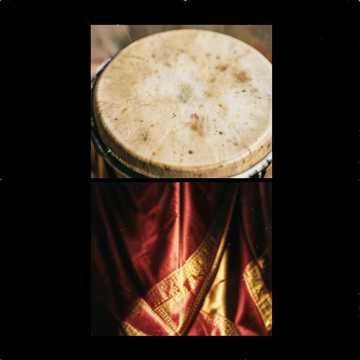
टाळ-मृदंगाच्या नादात विठ्ठल रंगला
हे गीत टाळ, मृदंग, दिंडी आणि सामूहिक नामघोषातून विठ्ठलभक्तीचा उत्साही सोहळा उभा करते. पांडुरंगाच्या कृपेने मनातील भेद विसरून एकदिलाने नाचणे, गाणे आणि प्रेम पसरवणे हा त्याचा मुख्य संदेश आहे.
03:52
6 days ago
Warkari Music: Definition, History, and Cultural Identity
Warkari music is the devotional music tradition associated with the Warkari or Varkari movement of Maharashtra, India. The word Warkari refers to a pilgrim who regularly travels, or undertakes a wari, to the temples of Lord Vitthal and Rukmini at Pandharpur. Although Warkari is primarily a spiritual and cultural tradition rather than a strictly defined classical music genre, its musical practices include abhang, bhajan, kirtan, bharud, ovi, devotional chanting, and processional singing. Warkari music is usually performed in Marathi and emphasizes devotion, humility, equality, ethical living, and a personal relationship with Vitthal. The roots of the Warkari tradition are connected with the medieval Bhakti movement in western India. Earlier devotional practices existed around the Pandharpur Vitthal shrine, but the movement became especially influential from the thirteenth century onward through the work of Sant Dnyaneshwar. His Dnyaneshwari and devotional verses helped establish Marathi as a language of spiritual expression. Sant Namdev expanded the reach of Vitthal devotion through emotionally direct abhangs, while later saints such as Eknath, Tukaram, Janabai, Chokhamela, Bahinabai, and Muktabai enriched the Warkari literary and musical heritage. The annual Ashadhi Ekadashi and Kartiki Ekadashi pilgrimages are central to Warkari culture. Devotees travel in organized processions called dindis, carrying palkhis associated with saints such as Dnyaneshwar and Tukaram. During these journeys, groups sing abhangs, perform tal and mridang accompaniment, chant the name of Vitthal, and participate in kirtan. The collective singing style of Warkari music creates a strong sense of community and makes the tradition accessible to people across social and economic backgrounds. Musically, Warkari performances often use a lead singer supported by a responsive group chorus. Common instruments include the chiplya or tal cymbals, mridang or pakhawaj-type percussion, dholki, harmonium, tanpura, and occasionally flute or other melodic instruments. The melodies may draw on Hindustani raga frameworks, folk tunes, and regional performance idioms, but spiritual communication and congregational participation are generally more important than strict formal elaboration. In modern recordings, Warkari music has also incorporated studio arrangements, orchestral textures, electronic production, and film music while retaining its devotional Marathi identity.
Warkari Music Sub-Tags and Classifications
Warkari Abhang
Abhang is the most recognizable form of Warkari music. These Marathi devotional poems are usually compact, rhythmic, and easy for a group to sing together. Warkari abhangs praise Vitthal, reflect on the importance of the guru, describe spiritual longing, or criticize pride, hypocrisy, and social inequality. The abhang tradition includes works attributed to Dnyaneshwar, Namdev, Eknath, Tukaram, Janabai, Chokhamela, and other saints. In performance, an abhang may begin with a solo singer and develop into a repeated chorus, allowing listeners to participate directly.
Warkari Bhajan
Warkari bhajan refers to devotional group singing performed in temples, homes, pilgrimage camps, and community gatherings. Bhajan sessions commonly involve repeated names of Vitthal, Krishna, or Rama, followed by verses from saint-poets. The musical form is flexible and may range from slow, meditative singing to energetic rhythmic passages. Warkari bhajan places emphasis on collective devotion, clear lyrics, and a steady pulse supported by tal, mridang, harmonium, or hand percussion.
Warkari Kirtan
Warkari kirtan combines narration, religious interpretation, singing, and rhythmic performance. A kirtankar explains a story or teaching from the lives of saints and then uses abhangs, refrains, and musical responses to reinforce the message. Warkari kirtan is both a musical and educational form: it communicates moral values, stories from the Bhagavata and other devotional traditions, and the philosophy of equality and surrender associated with the Warkari path. The performer often alternates between spoken commentary and melodic singing.
Dindi and Palkhi Processional Music
Dindi music is the processional form of Warkari performance heard during the pilgrimage to Pandharpur. Groups of devotees walk in disciplined formations while singing abhangs and chanting the name of Vitthal. The music usually has a strong, repetitive beat suitable for walking, with tal or chiplya, mridang, dholki, and group vocals creating a unified pulse. Palkhi processions connected with the padukas, or symbolic footwear, of saints Dnyaneshwar and Tukaram are especially important examples of this classification.
Warkari Bharud
Bharud is a dramatic and often humorous devotional form strongly associated with Sant Eknath. Bharud uses characters, social types, dialogue, satire, and theatrical expression to communicate spiritual and ethical ideas. Performers may portray ordinary people, workers, mendicants, traders, or marginalized communities, making the message understandable to a broad audience. Its combination of music, acting, folk language, and social criticism gives Warkari music a lively performance dimension.
Ovi and Narrative Devotional Poetry
Ovi is a traditional Marathi poetic form used for narration, reflection, and devotional expression. In the wider Warkari tradition, ovi-style verses are associated with household singing, women’s oral traditions, spiritual storytelling, and the recitation of saint literature. Compared with a highly repetitive congregational abhang, ovi may be more narrative and text-centered, but it shares the Warkari emphasis on accessible Marathi language and direct emotional communication.
Naam-Smaran and Vitthal Chanting
Naam-smaran means repeated remembrance or chanting of the divine name. In Warkari music, phrases such as 'Vitthal Vitthal' and 'Gyanba Tukaram' function as devotional refrains, rhythmic anchors, and expressions of collective identity. These chants can be performed independently, inserted between abhangs, or used during pilgrimage processions. Their simplicity makes them suitable for large groups and creates a meditative, participatory musical atmosphere.
Contemporary Warkari Fusion and Recorded Devotional Music
Contemporary Warkari music includes studio-produced abhang albums, film songs, concert arrangements, and fusion projects that combine traditional Marathi devotional melodies with orchestral, folk, Hindustani classical, or electronic sounds. Successful modern arrangements generally preserve the original text, refrain, and spiritual mood while updating instrumentation, tempo, recording quality, and audience appeal. This classification helps connect the historic Warkari tradition with radio, streaming platforms, television, and digital devotional media.
Famous Warkari Artists, Saint-Poets, and Representative Works
Sant Dnyaneshwar
Sant Dnyaneshwar, also known as Dnyanadeva or Jnaneshwar, was one of the foundational figures of the Warkari movement. His Dnyaneshwari made the Bhagavad Gita accessible in Marathi, while his abhangs and devotional compositions expressed the unity of the individual soul and the divine. Works such as 'Avagha Rang Ek Jhala' and 'Pasaydan' are central to Marathi devotional culture. Dnyaneshwar's contribution lies in combining philosophical depth with language and imagery that ordinary devotees could understand.
Avagha Rang Ek Jhala
Attributed to Sant Dnyaneshwar, 'Avagha Rang Ek Jhala' expresses the experience of spiritual unity, in which the apparent separation between the devotee and the divine dissolves. The composition is frequently performed in a lyrical, flowing manner, allowing the central image of all existence becoming one color or one presence to remain prominent. Its melodic adaptability makes it suitable for both congregational Warkari singing and more elaborate classical interpretations.
Sant Namdev
Sant Namdev was a major Vitthal devotee and an influential abhang poet. His devotional songs express intimate love for Vitthal and often portray the deity as a close, responsive companion. 'Teerth Vitthal Kshetra Vitthal' is among the compositions widely associated with the Namdev tradition. Namdev also helped spread the devotional message beyond Maharashtra, and verses attributed to him appear in the Sikh scripture Guru Granth Sahib, demonstrating the wider reach of his spiritual poetry.
Pasaydan
The Pasaydan is the concluding prayer associated with Dnyaneshwari. Rather than asking only for personal benefit, it asks for welfare, compassion, wisdom, and the flourishing of humanity. In Warkari settings, the Pasaydan often functions as a communal closing prayer after recitation, kirtan, or devotional singing. Its musical treatment is generally solemn and collective, with the text carrying the main emotional and ethical force.
Sant Eknath
Sant Eknath enriched Warkari literature through devotional poetry, narrative works, and the socially observant bharud form. His compositions use humor, dramatic characters, and everyday language to discuss spiritual discipline and human behavior. The Eknathi Bhagवत and numerous abhangs and bharuds associated with him have influenced kirtan performers for centuries. His contribution was especially important in connecting philosophical devotion with accessible public performance.
Teerth Vitthal Kshetra Vitthal
This famous Namdev-associated composition identifies both the sacred pilgrimage destination and the sacred experience with Vitthal himself: the shrine, the holy place, and the spiritual journey all become expressions of the deity. Repetition is central to its musical impact, making it highly effective for chorus singing. Performances may range from a simple bhajan arrangement to a Hindustani classical presentation with expanded melodic phrasing.
Sant Tukaram
Sant Tukaram is one of the most celebrated Warkari saint-poets. His abhangs, traditionally collected in the Tukaram Gatha, combine emotional intensity, self-examination, social criticism, and complete surrender to Vitthal. Works such as 'Vrukshavalli Amha Soyare Vanachare,' 'Sundar Te Dhyan Ubhe Vitevari,' and many verses beginning with direct addresses to Vitthal remain widely sung. Tukaram's poetry expanded the expressive and ethical power of the Warkari abhang.
Sundar Te Dhyan Ubhe Vitevari
Traditionally associated with Sant Tukaram, this abhang presents a vivid devotional image of Vitthal standing on the brick at Pandharpur. Its appeal comes from the combination of visual detail, reverence, and a memorable melodic line. The composition has been recorded by numerous singers, including classical vocalists, and demonstrates how Warkari poetry can retain its congregational identity while also supporting nuanced vocal interpretation.
Sant Janabai
Sant Janabai brought a distinctive women-centered and domestic perspective to Warkari devotional poetry. Her verses imagine Vitthal participating in ordinary household tasks and express devotion through work, service, and intimate conversation. Her compositions challenge the separation between daily labor and spiritual practice. Janabai's poetry remains important for the representation of women’s voices and the inclusive character of Warkari bhakti.
Vrukshavalli Amha Soyare Vanachare
This Tukaram abhang describes trees, plants, and creatures of the forest as companions. Its ecological and contemplative imagery gives the song a distinctive character within Warkari music. The work is often understood as an expression of spiritual companionship with nature and detachment from worldly noise. Gentle melodic settings highlight its reflective mood, while contemporary arrangements may use acoustic instruments and naturalistic sound textures.
Sant Chokhamela
Sant Chokhamela was a prominent Dalit saint-poet whose abhangs express devotion to Vitthal while confronting caste-based exclusion and social injustice. His poetry gives the Warkari tradition a powerful voice of dignity, pain, and spiritual equality. Chokhamela's contribution demonstrates that Warkari devotional music is not only celebratory but can also be a medium for social criticism and the demand for human dignity.
Maajhe Maher Pandhari
The composition 'Maajhe Maher Pandhari' presents Pandharpur as the devotee's maternal home, a place of emotional belonging and spiritual refuge. The metaphor of the maternal home is especially powerful because it communicates comfort, intimacy, and unconditional acceptance. Its recurring refrain makes it suitable for group singing, while expressive solo versions emphasize longing for the pilgrimage destination and the compassionate presence of Vitthal.
Bahinabai
Bahinabai's devotional poetry reflects the Warkari path through themes of surrender, household life, spiritual discipline, and the guidance of the saint tradition. Her verses are valued for their emotional clarity and philosophical insight. As a woman poet working within a devotional culture shaped by household and community experience, she broadened the expressive range of Marathi bhakti music.
Gyanba Tukaram
The chant 'Gyanba Tukaram' invokes Sant Dnyaneshwar and Sant Tukaram together and is one of the best-known vocal markers of Warkari pilgrimage culture. It is less a fixed song than a recurring devotional call used during processions, dindi movement, and communal worship. Its short rhythmic structure allows thousands of pilgrims to sing together, turning the names of the saints into a shared musical pulse.
Bhimsen Joshi
Pandit Bhimsen Joshi was a leading Hindustani classical vocalist who helped bring Marathi abhang and devotional music to concert audiences in India and abroad. His powerful voice, dramatic phrasing, and command of raga allowed abhangs such as 'Teerth Vitthal Kshetra Vitthal,' 'Sundar Te Dhyan,' and 'Majhe Maher Pandhari' to receive highly regarded concert interpretations. His recordings helped connect Warkari devotional poetry with the aesthetics of Hindustani classical singing.
Eknathi Bharud
The bharuds attributed to Sant Eknath are a body of dramatic devotional works rather than a single composition. They use humor, satire, character portrayal, and folk performance techniques to reveal spiritual truths and criticize social pretension. Their innovation lies in presenting religious ideas through recognizable everyday figures and theatrical dialogue. Modern performers continue to adapt Eknathi bharud for stage programs, kirtan gatherings, and educational cultural events.
Prahlad Shinde
Prahlad Shinde was a widely loved Marathi devotional singer associated with accessible presentations of abhang, bhajan, and other religious songs. His clear delivery and recordings reached a broad popular audience, including listeners who encountered Warkari music through cassettes, radio, and community programs. He contributed to the mass circulation of Marathi devotional repertoire outside formal pilgrimage settings.
Tukaram Gatha
The Tukaram Gatha is a large collection of abhangs attributed to Sant Tukaram and is one of the essential literary sources of Warkari music. Individual verses from the Gatha are selected for bhajan, kirtan, pilgrimage singing, and concert performance. The collection covers devotion, humility, social criticism, spiritual doubt, surrender, and the grace of Vitthal. Its flexibility has allowed musicians to create both simple traditional versions and sophisticated modern arrangements.
Suresh Wadkar
Suresh Wadkar is a respected playback and devotional singer whose Marathi recordings include abhang-oriented and spiritual repertoire. His controlled vocal style and polished studio production have helped present Warkari poetry to contemporary listeners. Through albums, concerts, and film-related devotional projects, he has contributed to the continuing visibility of Warkari music in modern media.
Ajit Kadkade
Ajit Kadkade is known for Marathi devotional singing and for recordings that feature abhangs, bhajans, and Vitthal-centered repertoire. His performances emphasize lyrical clarity, devotional feeling, and melodic accessibility. He represents the important modern recording tradition through which Warkari music reaches households, religious programs, and digital listeners.
Application Scenarios for Warkari Music
Warkari music is most naturally used during the Ashadhi and Kartiki wari, palkhi processions, dindi gatherings, temple worship, and devotional camps. Abhangs, naam-smaran, tal rhythms, and group chanting help maintain a shared walking rhythm and create a strong sense of spiritual community.
Pandharpur Pilgrimage and Religious Processions
Warkari bhajan and kirtan are suitable for temple festivals, weekly devotional gatherings, satsang programs, household ceremonies, and cultural organizations. A small ensemble using harmonium, mridang, tal, and chorus can perform the music without a large stage or complex production.
Temple Programs and Community Bhajan
Film composers can use Warkari abhang as a cultural setting for stories about Maharashtra, pilgrimage, saint-poets, rural life, spiritual transformation, or family heritage. A traditional abhang may establish location and identity, while a slower re-arrangement can underscore grief, remembrance, or inner realization. Documentary films about Pandharpur, the palkhi tradition, and the Bhakti movement also frequently benefit from authentic Warkari recordings.
Marathi Films and Documentary Soundtracks
Warkari music can introduce saint-poet characters, establish a medieval Marathi setting, or accompany scenes of communal worship and pilgrimage. Kirtan-style narration is especially useful in historical or devotional serials because it can communicate exposition and emotional meaning at the same time.
Television Serials and Historical Dramas
A short abhang-inspired refrain or Vitthal chant can give an advertisement a distinctly Marathi and community-oriented identity. It may suit campaigns related to cultural tourism, pilgrimage travel, heritage conservation, social equality, rural development, charitable work, or regional festivals. Careful use is important because Warkari music has religious significance and should not be reduced to a superficial musical stereotype.
Advertising and Public-Service Campaigns
Warkari-inspired instrumental music can be used in games or interactive media based on Maharashtra, historical journeys, temple exploration, or cultural education. Processional percussion and layered chanting can accompany travel through a pilgrimage route, while a tanpura drone and restrained abhang melody can support reflective scenes. Developers should seek cultural consultation when using sacred chants or recognizable devotional texts.
Video Games and Interactive Cultural Experiences
Tourism videos, virtual tours, museum installations, and heritage websites can use Warkari music to explain Pandharpur, the palkhi route, saint traditions, and Marathi devotional culture. A balanced presentation may combine field recordings of processions with narrated history and carefully selected abhang excerpts.
Travel, Heritage, and Tourism Content
Slow arrangements of Warkari abhangs, naam-smaran, or tanpura-supported devotional vocals can accompany meditation and reflective wellness programs. The emphasis should remain on respectful presentation, since the original context is bhakti and remembrance of Vitthal rather than generic relaxation alone.
Yoga, Meditation, and Spiritual Wellness Content
Warkari compositions can be arranged for Hindustani classical vocal concerts, folk ensembles, choir performances, orchestras, and carefully designed fusion projects. Artists may retain the original Marathi text and refrain while exploring raga-based improvisation, acoustic folk instruments, strings, or contemporary production. Such projects can introduce Warkari music to new audiences while preserving its devotional and literary foundation.
Concerts and Cross-Genre Music Projects
Schools, universities, museums, and cultural centers can use Warkari songs to teach Marathi literature, Bhakti history, social equality, oral tradition, rhythm, and regional identity. Students can study the structure of an abhang, learn a simple chorus, analyze saint-poet texts, or recreate the rhythmic movement of a dindi in a supervised cultural activity.
Educational and Cultural Workshops
Warkari playlists, recorded abhang sessions, kirtan podcasts, saint-poet lectures, and live pilgrimage broadcasts are effective digital formats. Metadata should identify the language, saint-poet, performer, musical form, and devotional context so that listeners searching for Warkari music, Marathi abhang, Vitthal bhajan, or Pandharpur devotional songs can discover relevant content.
Digital Streaming, Podcasts, and Devotional Platforms