
Free Warm Tape Music Generator Powered by AI
Turn text into high-quality Warm Tape music effortlessly – no login required!

music.toolTips
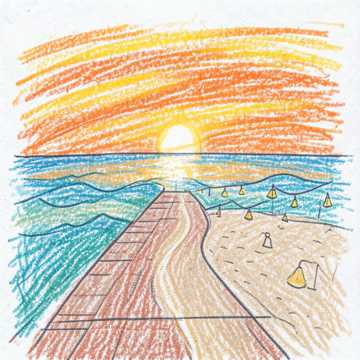
Boardwalk Afterglow
A nostalgic boardwalk instrumental that captures the last amber light of evening. Swaying surf-rock guitars, rounded bass, brushed drums, celesta, and sleigh bells create a warm coastal atmosphere, while the stripped-back bridge and final lift suggest carefree memories returning with the tide.
03:04
Invalid date
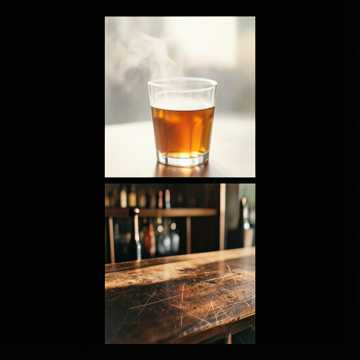
Whiskey On Twelve
A smoky, intimate blues soul instrumental built on a lazy slow-pocket groove. Brushed drums, expressive guitar, and answering barroom piano create the feel of a dim late-night lounge, while the singing guitar solo deepens its worn, reflective atmosphere.
03:14
6 days ago

朝が来るまで
離れゆく不安を抱えながら、ふたりが一夜だけでも心と体の距離を縮めようと願う恋愛曲。冷めた紅茶、月明かり、風に揺れるカーテンを通して、ためらいと愛しさ、朝を迎えても消えないぬくもりを描いています。
04:24
6 days ago
Warm Tape Music: Definition, Characteristics, and History
Warm Tape is a music production and sound-design tag describing recordings that emphasize the rich, rounded, slightly saturated character associated with analog magnetic tape. It is not a formally standardized genre; instead, Warm Tape identifies a sonic aesthetic that may appear in indie music, lo-fi, soul, jazz, hip-hop, electronic music, ambient compositions, film scores, and background music. Typical Warm Tape characteristics include gentle harmonic saturation, softened high frequencies, subtle compression, mild tape hiss, rounded bass, softened transients, and a sense of depth or intimacy. The term is often used by listeners, producers, sample libraries, and music platforms to describe tracks that sound nostalgic, organic, mellow, or deliberately imperfect. The origins of Warm Tape can be traced to the development of magnetic tape recording during the twentieth century. Before digital recording became dominant, studios used tape machines to capture, edit, copy, and mix music. Tape naturally altered an audio signal through saturation, compression, frequency shaping, and harmonic distortion, especially when engineers recorded at higher levels. These technical effects gradually became recognized as desirable musical qualities rather than limitations. Classic recordings from the1950s through the1970s established the association between tape recording and warmth, fullness, and human presence. During the digital era, many producers continued seeking the Warm Tape sound through hardware tape machines, cassette recorders, reel-to-reel processors, tape echo units, and software tape-emulation plugins. Contemporary Warm Tape production may therefore use real analog tape, cassette duplication, digital emulation, sampled tape loops, or carefully designed saturation effects. The modern Warm Tape tag often combines historical analog character with contemporary editing, stereo processing, electronic production, and digital mastering.
Warm Tape Sub-Tags and Classifications
Analog Tape Warmth
Analog Tape Warmth refers to music processed through reel-to-reel tape machines or high-quality tape-emulation systems. This classification emphasizes smooth harmonic saturation, gentle compression, rounded transients, and a natural sense of cohesion between instruments. It is commonly associated with studio recordings that sound full, dimensional, and less clinically precise than untreated digital audio.
Cassette Warm Tape
Cassette Warm Tape focuses on the intimate and imperfect qualities of compact cassette recording. Common characteristics include audible hiss, limited high-frequency detail, slight pitch fluctuation, narrow stereo imaging, softened drums, and compressed dynamics. Cassette Warm Tape is frequently used in lo-fi indie, bedroom pop, vaporwave, hip-hop, ambient music, and nostalgic soundtrack cues.
Lo-Fi Warm Tape
Lo-Fi Warm Tape combines tape coloration with deliberate production imperfections such as noise, wow and flutter, dropouts, saturation, and reduced fidelity. The purpose is usually expressive rather than corrective: imperfections can make a performance feel personal, handmade, old, or emotionally close. Lo-Fi Warm Tape often appears in relaxed beats, instrumental hip-hop, chillout music, and DIY recordings.
Warm Tape Soul and R&B
Warm Tape Soul and R&B uses tape saturation to enhance vocal intimacy, bass weight, electric piano tones, drum-machine grooves, and layered backing vocals. The processing can make vocals feel rounded and present while giving rhythm sections a cohesive, slightly compressed character. This classification is especially suitable for retro-inspired soul, neo-soul, funk, and modern R&B productions.
Warm Tape Indie Rock
Warm Tape Indie Rock combines analog coloration with guitars, live drums, bass, and organic room ambience. Tape processing can soften aggressive guitar transients, add body to drum recordings, and make multiple instruments feel as though they were captured in the same physical space. The result may range from nostalgic garage rock to polished alternative music with a vintage studio character.
Warm Tape Ambient
Warm Tape Ambient uses tape loops, tape delay, slow modulation, and saturated drones to create a spacious and contemplative soundscape. The unstable pitch and gradual degradation of tape can introduce movement into otherwise static tones. Warm Tape ambient music is often used for meditation, sleep content, cinematic underscore, gallery installations, and reflective visual media.
Warm Tape Electronic
Warm Tape Electronic applies tape coloration to synthesizers, drum machines, samplers, arpeggios, and programmed sequences. Producers may use tape saturation before or after digital effects to make electronic sounds less sterile and more tactile. Common results include softened transients, thicker low-mid frequencies, vintage sampler character, and a stronger sense of rhythmic glue.
Tape Echo and Dub Warmth
Tape Echo and Dub Warmth is defined by the use of magnetic tape delay, feedback, and pitch variation. Repeated sounds gradually lose brightness and become increasingly saturated, creating a recognizable sense of depth. This classification is useful for dub, reggae, psychedelic rock, ambient music, experimental electronic tracks, and cinematic transitions.
Warm Tape Piano and Jazz
Warm Tape Piano and Jazz emphasizes the rounded tone of acoustic piano, upright bass, saxophone, brushed drums, and small-room recordings. Tape saturation can reduce harsh peaks and enhance the natural blend of an ensemble. This sound is frequently chosen for lounge music, café playlists, intimate documentaries, late-night jazz, and sophisticated advertising.
Warm Tape Hip-Hop and Beat Music
Warm Tape Hip-Hop uses tape processing to give sampled material, drum breaks, bass lines, and keys a heavier and more cohesive character. Cassette and reel-to-reel coloration can make samples feel aged while preserving a strong rhythmic groove. This sub-tag commonly overlaps with boom bap, instrumental hip-hop, chillhop, jazz rap, and sample-based production.
Famous Artists, Producers, and Works Related to Warm Tape Music
The Beatles and George Martin
The Beatles and producer George Martin helped demonstrate how analog tape could be used creatively rather than merely as a transparent recording medium. Albums such as Rubber Soul, Revolver, Sgt. Pepper's Lonely Hearts Club Band, and Abbey Road feature tape-based editing, varispeed, overdubbing, tape loops, saturation, and creative manipulation. Their work contributed to the historical association between tape recording, warmth, experimentation, and studio innovation.
The Beatles - Sgt. Pepper's Lonely Hearts Club Band
This album is a landmark example of analog tape as a creative instrument. Multitrack overdubbing, tape splicing, varispeed, effects, and studio layering give the music a rich and cohesive character. The warmth does not come from a single effect; it emerges from repeated tape passes, saturated signal paths, close vocal recording, orchestral arrangements, and carefully blended production. It remains an essential historical reference for Warm Tape experimentation.
The Beach Boys and Brian Wilson
Brian Wilson and The Beach Boys made extensive use of multitrack analog tape, layered vocals, chamber-like production, and carefully shaped instrumental textures. Pet Sounds is especially important for its intimate vocal blend, rich midrange, and detailed studio construction. Their approach showed how tape could support emotional density and orchestral scale while preserving a warm, human character.
The Beach Boys - Pet Sounds
Pet Sounds combines intimate vocals with unusual percussion, orchestral colors, tape-based overdubbing, and dense harmonic arrangements. The album's Warm Tape qualities are especially noticeable in its rounded midrange, blended ensemble sound, and emotional closeness. Its innovation lies in using studio recording to construct a highly detailed musical world while retaining the tactile character of analog performance and tape capture.
Pink Floyd
Pink Floyd used analog tape recording, tape echo, looping, overdubbing, and studio processing as central parts of their musical language. Albums such as Meddle, The Dark Side of the Moon, and Wish You Were Here demonstrate how tape warmth can coexist with spacious stereo design, experimental effects, and precise arrangements. Their recordings remain influential references for cinematic Warm Tape ambience and psychedelic production.
Pink Floyd - The Dark Side of the Moon
The Dark Side of the Moon demonstrates how warm analog recording can support both sonic precision and expansive atmosphere. Tape echo, looped effects, carefully controlled saturation, live rhythm sections, synthesizers, and layered vocals create a unified soundstage. The album is a strong example of Warm Tape production used for transitions, spatial depth, rhythmic continuity, and cinematic emotional impact.
Boards of Canada
Boards of Canada are strongly associated with degraded tape textures, nostalgic sampling, filtered melodies, unstable pitch, and deliberately aged production. Releases such as Music Has the Right to Children and Geogaddi helped popularize a modern form of Warm Tape electronic music that blends analog imperfection with detailed digital composition. Their contribution lies in treating memory, decay, and sonic ambiguity as compositional elements.
Boards of Canada - Music Has the Right to Children
This album modernized the idea of tape warmth through sampled fragments, dusty drum sounds, muted synthesizers, pitch instability, and deliberately aged textures. Its innovation is the way it transforms degradation into a form of musical memory. Rather than simply imitating an old recording, the production uses Warm Tape artifacts to create ambiguity, nostalgia, and a dreamlike sense of distance.
Mac DeMarco
Mac DeMarco is widely associated with relaxed guitar tones, soft saturation, chorus effects, loose performances, and a home-recorded sensibility. Albums such as2 and Salad Days helped bring warm, casual, and imperfect recording aesthetics into contemporary indie music. His work demonstrates how Warm Tape qualities can support personality and intimacy without requiring a strictly vintage arrangement.
J Dilla - Donuts
Donuts is a defining work in sample-based hip-hop and a valuable reference for Warm Tape beat aesthetics. Short samples, abrupt edits, filtered passages, compressed drums, and imperfectly aligned loops create a dense but highly expressive flow. The record shows how tape-like softness and sample degradation can coexist with inventive arrangement, rhythmic surprise, and strong emotional impact.
Tame Impala and Kevin Parker
Kevin Parker's work with Tame Impala combines psychedelic songwriting with saturated drums, filtered vocals, tape-like modulation, vintage keyboards, and densely layered studio production. Albums such as Innerspeaker and Lonerism use warmth and controlled distortion to create a retro-futuristic character. The project helped connect analog-inspired tape sonics with modern alternative pop and electronic production.
Tame Impala - Innerspeaker
Innerspeaker combines psychedelic rock structures with saturated drums, layered guitars, vintage keyboard tones, filtered vocals, and a carefully controlled sense of distortion. Its Warm Tape character supports the album's immersive quality by rounding harsh edges and blending individual parts into a continuous sonic environment. The production is a useful example of analog-inspired warmth applied to modern alternative music.
Khruangbin
Khruangbin's recordings use warm guitar tones, restrained drums, rounded bass, and spacious production that often evokes vintage studio techniques. Their music demonstrates how Warm Tape can function as an atmospheric foundation rather than an obvious special effect. Albums such as The Universe Smiles Upon You and Con Todo El Mundo are useful references for mellow, groove-oriented tape coloration.
Khruangbin - Con Todo El Mundo
Con Todo El Mundo presents a restrained form of Warm Tape production built around clean but rounded guitar, melodic bass, economical drums, and spacious arrangements. Its appeal comes from the balance between clarity and softness. Instead of using obvious noise or heavy degradation, the recording uses tonal warmth and gentle saturation to make the groove feel relaxed, physical, and timeless.
J Dilla
J Dilla's sample-based production is an important influence on warm, imperfect beat-making. His use of chopped samples, loose rhythmic placement, filtered textures, and compressed drum sounds helped establish an expressive relationship between timing irregularity and analog-style character. Donuts is a key reference for producers exploring Warm Tape hip-hop, sample manipulation, and emotionally dense instrumental production.
Warm Tape Music Application Scenarios
Warm Tape music is effective in films that explore memory, family history, romance, analog technology, travel, or personal transformation. A tape-saturated piano, guitar, synth pad, or slow ambient loop can make a flashback feel tactile and emotionally close. In contemporary cinema, Warm Tape textures can also contrast with clean digital scenes, helping the audience distinguish subjective memories from present-day reality.
Film Soundtracks and Cinematic Scores
Documentaries often use Warm Tape music beneath interviews, archival footage, and human-interest stories because its softened frequencies can support speech without competing aggressively with the voice. Gentle tape hiss and rounded instrumentation can suggest authenticity, history, and personal recollection. Warm Tape is particularly suitable for cultural documentaries, biographies, travel films, and stories about craft or community.
Documentary Background Music
Warm Tape sound is useful in advertising when a brand wants to communicate trust, craft, comfort, heritage, or authenticity. A warm guitar groove, vintage keyboard progression, mellow soul track, or cassette-style beat can support campaigns for coffee, food, clothing, furniture, hospitality, lifestyle products, and heritage brands. The production should remain controlled so that tape noise and saturation reinforce the message without reducing clarity.
Advertising and Brand Music
Warm Tape music can create atmosphere in exploration games, narrative adventures, farming simulations, mystery games, retro-inspired titles, and psychological experiences. Tape loops and unstable ambience can make a location feel old, abandoned, dreamlike, or emotionally familiar. For interactive use, producers can prepare loopable Warm Tape sections with carefully managed tails so that tape effects remain musical during repeated playback.
Video Games and Game Background Music
Independent filmmakers and online video creators often use Warm Tape tracks to give small productions a distinctive identity without requiring a large orchestral score. A compact arrangement of drums, bass, guitar, keys, and tape-treated ambience can make a scene feel personal and handcrafted. Warm Tape works well for montages, studio visits, creative-process videos, travel diaries, and coming-of-age stories.
Indie Film and Short-Form Video
A short Warm Tape musical bed can establish a relaxed, thoughtful, or nostalgic tone for podcasts and spoken-word programs. Low-density arrangements are preferable because excessive saturation or hiss can interfere with dialogue intelligibility. Tape-treated piano, soft percussion, muted guitar, or a subtle loop can provide continuity between segments and create a recognizable audio identity.
Podcasts and Spoken-Word Introductions
Warm Tape music is well suited to cafés, restaurants, hotels, bookstores, galleries, and other hospitality settings. Its rounded high frequencies and moderate rhythmic energy can create a comfortable atmosphere without demanding constant attention. Jazz, neo-soul, mellow indie, downtempo electronic music, and instrumental hip-hop are common Warm Tape choices for these environments.
Café, Lounge, and Hospitality Playlists
Slow Warm Tape ambient music can support relaxation by combining soft drones, tape loops, gentle piano, filtered field recordings, and subtle modulation. The small fluctuations of tape can make long sustained sounds feel organic rather than static. For wellness applications, the mix should avoid sudden volume changes, excessive high-frequency noise, or distracting distortion.
Meditation, Sleep, and Wellness Content
Warm Tape tracks are frequently used in fashion films, product reels, analog photography content, and lifestyle videos because they quickly communicate vintage style and emotional atmosphere. A short cassette-style groove or saturated instrumental hook can make visual content feel more tactile and memorable. The music can be edited into concise sections while preserving its characteristic warmth.
Fashion, Lifestyle, and Social Media Content
Producers use Warm Tape processing to reshape sterile digital recordings, unify a mix, age samples, and add movement to repeated patterns. Common techniques include recording stems to tape, running drums through cassette hardware, applying tape saturation to a mix bus, using wow and flutter selectively, and placing tape delay on vocals or instruments. The best results usually apply the effect with intention, preserving detail while adding harmonic color and depth.
Music Production, Sampling, and Sound Design