
Free carioca Music Generator Powered by AI
Turn text into high-quality carioca music effortlessly – no login required!

music.toolTips
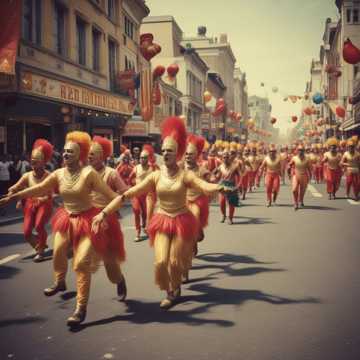
Zé Pilintra
The song 'Zé Pilintra' celebrates the legendary figure of Zé Pilintra, portraying his vibrant life and charismatic presence in the samba scene of Rio de Janeiro, blending elements of humor and resilience.
04:00
2024-10-30
Introduction to Carioca Music: Origins, Characteristics, andCarioca Music Overview Influence
Carioca music is a genre closely associated with the vibrant cultural and musical scene of Rio de Janeiro, Brazil. It draws its name from 'Carioca,' a term used to describe people and things from Rio de Janeiro. The genre developed in the early 20th century, emerging from the fusion of indigenous Brazilian rhythms with African, European, and local influences. Carioca music is often characterized by its lively, rhythmic beats, and its ties to dance forms such as samba. The evolution of Carioca music also contributed significantly to the global popularity of Brazilian music, especially through international icons such as Carmen Miranda and João Gilberto. Over the years, it has evolved into various sub-genres, blending traditional styles with contemporary influences.
Sub-tags and Classifications of Carioca Music
Samba Carioca
Samba Carioca is perhaps the most well-known sub-genre of Carioca musicCarioca Music Overview, closely associated with the rhythms of Rio de Janeiro. It blends African rhythms with European melodies, and its infectious beats are often accompanied by energetic dance routines. Samba Carioca has evolved over the years, incorporating elements from bossa nova and other Brazilian styles. It remains an essential part of Rio's carnival celebrations and is globally recognized.
Bossa Nova
Bossa Nova is another important sub-genre that originated in the Carioca music scene. Emerging in the late 1950s, Bossa Nova combines the rhythms of samba with the smoothness and sophistication of jazz. Artists like João Gilberto and Antonio Carlos Jobim are credited with popularizing this style, which became internationally famous and brought Brazilian music to a global audience. Bossa Nova is known for its mellow guitar tones and intimate vocal delivery.
Choro
Choro, often called 'Brazilian jazz,' has roots in Rio de Janeiro and is considered one of the precursors to samba. Its intricate melodies and syncopated rhythms can be seen as a bridge between European classical music and African rhythms. Choro bands traditionally feature instruments such as the flute, guitar, and mandolin. While choro is less mainstream today, it remains a respected genre among musicians and enthusiasts of Brazilian music.
Famous Carioca Artists and Iconic Works
Carmen Miranda
Carmen Miranda was one of the first global stars to bring Carioca music to the world stage. Known for her signature fruit-laden headdresses and vibrant performances, Miranda's contributions to samba and Carioca music are legendary. Her iconic songs, such as 'Brazil' and 'Tico-Tico no Fubá,' helped to popularize Brazilian music in Hollywood during the 1940s, solidifying her as an ambassador for Brazilian culture.
Garota de Ipanema (The Girl from Ipanema)
'Garota de Ipanema' is arguably the most famous song to emerge from the Carioca music tradition. Composed by Antonio Carlos Jobim with lyrics by Vinícius de Moraes, the song captures the essence of Rio's Ipanema beach and its vibrant, carefree spirit. The piece blends Bossa Nova's smooth rhythms with jazz-like chord progressions and remains a global anthem of Brazilian music.
João Gilberto
João Gilberto is widely regarded as one of the fathers of Bossa Nova, a key sub-genre of Carioca music. His pioneering guitar techniques and smooth, intimate vocal style redefined Brazilian music in the 1950s. Works like 'Chega de Saudade' and 'Desafinado' are considered essential listening for any music lover, and his influence extended beyond Brazil, inspiring jazz and world music artists worldwide.
Aquarela do Brasil (Watercolor of Brazil)
'Aquarela do Brasil,' commonly known as 'Brazil,' is a classic samba piece composed by Ary Barroso in 1939. Its exuberant melody and lyrics celebrating Brazilian landscapes and culture made it a national symbol. The song was popularized internationally by Carmen Miranda, and its upbeat rhythm and memorable chorus have made it a staple of the Carioca music repertoire.
Antonio Carlos Jobim
Antonio Carlos Jobim, also known as Tom Jobim, was a leading figure in Bossa Nova music. His compositions, such as 'Garota de Ipanema' (The Girl from Ipanema), have become synonymous with the genre. Jobim's fusion of samba rhythms with jazz harmonies made him one of the most influential composers in the history of Brazilian music, and his works continue to be revered worldwide.
Application of Carioca Music in Various Media
Carioca music has been widely used in film soundtracks, especially in movies set in Brazil or those featuring Brazilian characters and themes. For example, 'Brazil' by Ary Barroso, has appeared in various films, most notably in Terry Gilliam's dystopian film 'Brazil.' The upbeat and rhythmic qualities of Carioca music make it perfect for setting the mood in scenes of celebration, dance, and vibrant city life.
Movie Soundtracks
Carioca music has been used effectively in advertising to evoke a sense of energy, warmth, and the carefree spirit associated with Brazil. Brands like Coca-Cola and Nike have used samba rhythms and Bossa Nova melodies in their campaigns, helping to create a connection with the Brazilian audience and convey messages of joy, vitality, and movement.
Advertising Music
Carioca music also finds a place in video game soundtracks, especially in games that explore Brazilian culture or use Rio de Janeiro as a backdrop. For example, in the video game 'Just Dance 4,' Carioca rhythms are featured in several dance tracks, providing players with an immersive experience that celebrates the music and dance of Rio.
Video Game Background Music