
Free city walk Music Generator Powered by AI
Turn text into high-quality city walk music effortlessly – no login required!

music.toolTips
Quartiere Ticinese (Natale)
Una passeggiata della vigilia attraversa il Ticinese dal tramonto alla sera, tra vetrine illuminate, campane e affetti lontani. Il pop lento in fa maggiore sostiene un sentimento di gioia raccolta e speranza, adatto a momenti natalizi intimi e a racconti della città.
04:08
Invalid date
Quartiere Ticinese (Natale)
Una passeggiata della Vigilia attraversa il Ticinese, dalle basiliche ai Navigli, fra negozi che chiudono e campane in festa. Il pop adolescenziale, a87 BPM in fa maggiore, sostiene un calore venato di nostalgia per gli amici lontani; il cambio di tonalità promette uno slancio emotivo. Ideale per ascolti natalizi raccolti.
03:23
Invalid date
Quartiere Ticinese (Natale)
Un viaggio serale nel quartiere Ticinese durante la Vigilia di Natale, tra tramonti milanesi, basiliche, campane, luci e ricordi affettuosi. La canzone trasforma una semplice passeggiata in un momento di pace, comunità e speranza cristiana, con la gioia del Natale diffusa in tutta la città.
03:58
Invalid date

Quartiere Ticinese a Natale
Una passeggiata natalizia nel quartiere Ticinese accompagna l’ascoltatore tra tramonti, piazze, basiliche, campane e Navigli. La città si svuota alla Vigilia, ma conserva calore, amicizia e speranza, fino alla celebrazione della nascita di Gesù.
03:40
Invalid date
Quartiere Ticinese a Natale
Una passeggiata al tramonto nella Milano del quartiere Ticinese racconta la vigilia di Natale tra Piazza Vetra, le basiliche e i Navigli. Il calore delle campane e delle luci incontra la nostalgia per gli amici lontani e si apre alla gioia, alla fede e alla speranza.
03:43
Invalid date
Quartiere Ticinese a Natale
Una passeggiata natalizia nel quartiere Ticinese segue il tramonto milanese, tra luci, basiliche, campane, messe e strade che si svuotano. Il pianoforte, i campanelli e la voce emozionata accompagnano una riflessione su amicizia, famiglia, fede, pace e speranza, con un crescendo luminoso e coinvolgente.
03:48
Invalid date
Quartiere Ticinese a Natale
Una passeggiata natalizia nel quartiere Ticinese accompagna il tramonto milanese dalle Colonne alla Darsena. Tra luci, campane, messe e strade che si svuotano, la protagonista ritrova calore, amicizia e speranza nella nascita di Gesù e nella promessa di pace e amore.
03:48
Invalid date
Quartiere Ticinese a Natale
La canzone racconta la Vigilia di Natale nel quartiere Ticinese, tra il tramonto su Piazza Vetra, le basiliche, le campane e le strade milanesi. La passeggiata diventa un viaggio emotivo tra solitudine, ricordi, amicizia, fede e la speranza di un futuro di pace.
03:50
Invalid date
Quartiere Ticinese a Natale
Una dolce ballata natalizia ambientata nel quartiere Ticinese di Milano. Il tramonto, le Basiliche, le campane e le strade illuminate accompagnano una passeggiata intima, trasformando la distanza dagli amici in vicinanza del cuore e affidando al Natale un messaggio universale di pace, amore e speranza.
03:46
Invalid date

Quartiere Ticinese a Natale
Un viaggio natalizio al tramonto nel quartiere Ticinese di Milano, tra Piazza Vetra, basiliche, campane, luci e strade silenziose. La canzone unisce nostalgia, fede e calore familiare in una dolce celebrazione della speranza, dell’amicizia e della pace.
03:25
Invalid date
Quartiere Ticinese a Natale
Una passeggiata natalizia nel quartiere Ticinese segue il tramonto milanese, le campane, le messe e le luci della città. Tra luoghi familiari e amici lontani, la Vigilia diventa un momento intimo di gioia, pace, amore e speranza.
03:44
Invalid date
Natale nel Quartiere Ticinese
Una passeggiata natalizia nel quartiere Ticinese accompagna l’ascoltatore dal tramonto alla sera, tra luci, campane, messe, strade milanesi e ricordi affettuosi. La canzone unisce nostalgia e gioia, trasformando la città in un luogo di speranza, pace, amore e vicinanza.
03:26
Invalid date
Natale nel Quartiere Ticinese
Tra il tramonto invernale e la Vigilia di Natale, la voce attraversa il quartiere Ticinese, evocando piazze, basiliche, campane e strade illuminate. Il racconto unisce dettagli milanesi e nostalgia per gli amici lontani, fino a una riflessione sulla fede, sulla speranza e sul desiderio di pace.
03:32
Invalid date
Natale nel Quartiere Ticinese
Un brano pop natalizio ambientato nel Quartiere Ticinese, dove tramonti invernali, campane, basiliche e luci milanesi accompagnano una passeggiata verso casa. Tra nostalgia e gioia, la canzone celebra l arrivo del Natale, la vicinanza degli affetti e la speranza di pace e amore.
03:48
Invalid date
Natale nel Quartiere Ticinese
La canzone racconta la Vigilia di Natale nel quartiere Ticinese, tra tramonti, luci, basiliche, campane e strade milanesi. Con sonorità teen pop anni Novanta e Duemila, trasforma una passeggiata solitaria in un momento di calore, fede, amicizia e speranza.
03:37
Invalid date
Natale in Ticinese
Un tramonto invernale accompagna il quartiere Ticinese verso la Vigilia di Natale, tra le basiliche, le vie illuminate e i Navigli. La passeggiata si intreccia con il calore delle tradizioni e il pensiero degli amici lontani, fino a una riflessione sulla fede, sulla pace e sulla speranza.
03:50
Invalid date
Natale in Ticinese
Una passeggiata natalizia nel quartiere Ticinese accompagna l’ascoltatore dal tramonto alla sera, tra luci, campane, messe, negozi chiusi e ricordi di amicizia. Il brano celebra Milano, la gioia del Natale, la vicinanza degli affetti e la speranza di pace e amore.
03:42
Invalid date
Natale in Ticinese
Una passeggiata musicale nella Milano natalizia del quartiere Ticinese, tra tramonti, luci, campane e messe serali. Il brano unisce nostalgia e gioia, trasformando luoghi quotidiani in un paesaggio di festa, mentre il calore degli amici lontani alimenta una profonda speranza di pace e amore.
03:30
Invalid date
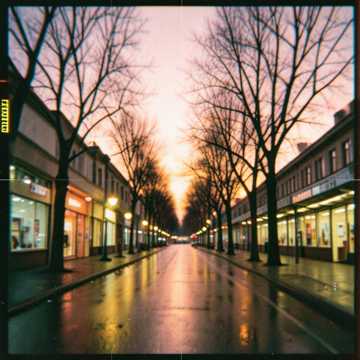
Natale in Ticinese
Una passeggiata nella Milano natalizia segue il tramonto dal quartiere Ticinese alle basiliche e ai Navigli, tra negozi che chiudono, campane e ricordi degli amici lontani. Le sonorità teen pop e i campanelli accompagnano un racconto dolce e nostalgico, che si apre alla fede, alla speranza e alla gioia del Natale.
03:44
Invalid date
City Walk Music: Definition, History, and Cultural Meaning
City walk music is a broad music tag describing songs and instrumental compositions that accompany walking through an urban environment. It commonly features rhythmic, atmospheric, and observational qualities that reflect city streets, public transportation, cafés, architecture, nightlife, changing weather, and the everyday movement of urban life. City walk music is not a single fixed genre. Instead, it is a mood- and scenario-based category that may include lo-fi hip-hop, chillhop, jazz, funk, electronic music, ambient, indie pop, post-rock, soundtrack music, and contemporary classical compositions. The defining feature of City walk music is its ability to create a sense of forward motion while leaving enough space for the listener to notice the surrounding city. The roots of City walk music can be traced to several musical traditions. In the early twentieth century, jazz and swing captured the energy of modern metropolitan life through syncopated rhythms, walking bass lines, brass arrangements, and improvisation. Later, rhythm and blues, funk, disco, and soul introduced stronger bass grooves that reflected nightlife and street culture. During the late twentieth century, electronic music, minimalism, and film scoring expanded the vocabulary of urban sound with sequenced rhythms, synthesizers, field recordings, and repetitive structures. The rise of portable music players, streaming platforms, walking tours, travel videos, and urban photography further strengthened the connection between music and city exploration. Today, the City walk tag is used for music that supports a relaxed stroll, an energetic commute, a nighttime walk, or a reflective journey through a crowded neighborhood. City walk playlists often balance recognizable rhythmic patterns with atmospheric details such as traffic sounds, distant conversations, rain, footsteps, subway announcements, or reverberant piano and guitar. This makes City walk music useful both as a listening experience and as background music for visual media, travel content, advertisements, games, and lifestyle videos.
City Walk Music Sub-Tags and Classifications
Urban Lo-Fi and Chillhop
Urban lo-fi and chillhop are among the most common City walk classifications. They typically use relaxed hip-hop beats, soft percussion, sampled piano or guitar, warm bass, tape-style saturation, and subtle background noise. The moderate tempo creates a comfortable walking pace, while the imperfect textures give the music an intimate, lived-in feeling. This City walk style is suitable for quiet neighborhood walks, café districts, study breaks, and reflective travel videos.
City Jazz and Night Jazz
City jazz combines walking bass, brushed drums, electric piano, saxophone, muted trumpet, and extended harmony. It can suggest a late-night boulevard, a small bar, a rainy street, or the sophisticated atmosphere of a downtown district. Night jazz City walk tracks often use minor chords, spacious arrangements, and restrained improvisation, while daytime city jazz may use brighter tempos and more active horn lines. This classification is especially effective for cinematic urban scenes and elegant advertising.
Urban Funk and Groove
Urban funk and groove-based City walk music emphasize bass lines, syncopated guitar, crisp drums, handclaps, brass accents, and repeated rhythmic hooks. The music creates a lively sense of movement and is well suited to busy streets, shopping areas, public events, and energetic walking montages. Compared with ambient City walk music, this style is more physical and dance-oriented, making it useful when a project needs momentum, confidence, and a strong urban pulse.
Electronic City Walk
Electronic City walk music uses synthesizers, programmed drums, arpeggios, sequencers, sampled textures, and processed field recordings to portray the modern city as a connected technological environment. It may range from downtempo electronica and synthwave to minimal house, future garage, and melodic techno. Repetitive patterns mirror traffic flows, train lines, illuminated buildings, and digital networks. This classification works well for contemporary architecture films, technology campaigns, urban exploration videos, and futuristic game environments.
Ambient Urban Soundscape
Ambient urban soundscape music focuses on atmosphere rather than a strong beat. Sustained pads, piano fragments, environmental recordings, distant percussion, and slowly changing harmonies can evoke rain-soaked streets, empty stations, early-morning sidewalks, or a solitary walk through a large city. This City walk category gives visual content room to breathe and is often used for meditation, documentary scenes, architectural films, and emotionally introspective moments.
Indie Pop and Acoustic City Walk
Indie pop and acoustic City walk tracks use guitar, light drums, hand percussion, vocals, and memorable melodic writing. They often express discovery, freedom, friendship, travel, and personal reflection. Bright guitar patterns and medium-tempo rhythms can make an ordinary walk feel optimistic and cinematic. This classification is a strong choice for travel vlogs, lifestyle advertising, coming-of-age scenes, and daytime city tours.
Cinematic Urban Instrumental
Cinematic urban instrumental music is written to support a visual narrative. It may combine orchestral strings, piano, percussion, electronic layers, brass, and sound design. The arrangement often develops gradually, beginning with a simple walking motif before adding harmonic or rhythmic intensity as the scene moves through different parts of the city. This City walk classification is useful for opening credits, film montages, promotional videos, and stories about personal transformation.
Rainy City Walk
Rainy City walk music is defined by reflective, spacious, and sometimes melancholic qualities. Soft piano, brushed drums, muted guitar, vinyl noise, minor-key harmony, and recordings of rainfall can create the feeling of walking beneath streetlights after dark. The music generally avoids abrupt changes so that it blends naturally with environmental footage. It is frequently used in relaxation playlists, romantic scenes, emotional short films, and atmospheric social media content.
Morning and Daytime City Walk
Morning and daytime City walk music usually has a lighter and more optimistic character. Acoustic guitar, piano, marimba, gentle percussion, clean bass, and bright synths can represent commuters, open cafés, markets, parks, and sunlit streets. The tempo is often moderate and the harmonic language is major-key or gently modal. This sub-tag is appropriate for city guides, tourism campaigns, productivity playlists, and upbeat daily-life videos.
Nightlife and Neon City Walk
Nightlife and neon City walk music highlights the energy of urban evenings. It may draw from synthwave, electronic pop, house, funk, jazz, or dark ambient music. Pulsing bass, sequenced synthesizers, gated drums, saxophone, and atmospheric effects can suggest illuminated signs, night buses, crowded clubs, and fast-moving traffic. The style is especially effective in cyberpunk-inspired games, fashion campaigns, nightlife documentaries, and dramatic city sequences.
Famous Artists and Works Related to City Walk Music
Vangelis
Vangelis is strongly associated with cinematic visions of the modern city, particularly through the soundtrack to Blade Runner. His use of analog synthesizers, spacious electronic textures, layered brass-like sounds, and slow harmonic movement created a futuristic yet emotionally human urban atmosphere. His work demonstrates how City walk music can portray both technological scale and individual solitude.
Blade Runner Blues by Vangelis
Blade Runner Blues uses slow electronic pulses, sustained synthesizer tones, and spacious melodic phrases to depict a rain-soaked futuristic city. Its innovation lies in the way it treats electronic timbre as an environmental element rather than merely a lead instrument. The track does not imitate footsteps or traffic directly; instead, its large reverberant spaces and restrained rhythm create the emotional impression of moving through an immense urban landscape. It remains an important reference for atmospheric, nocturnal, and cinematic City walk music.
Nujabes
Nujabes combined jazz harmony, soulful samples, melodic piano, and relaxed hip-hop production. His music, including tracks associated with the anime series Samurai Champloo, helped establish a reflective and atmospheric sound that remains influential in lo-fi and chillhop City walk playlists. His contribution lies in making beat-driven music feel intimate, melodic, and suitable for personal journeys through urban spaces.
Nightcall by Kavinsky
Nightcall combines a steady electronic beat, dark synthesizer bass, processed vocals, and a highly memorable melodic hook. The arrangement is economical but visually suggestive, making it feel connected to headlights, highways, neon signs, and late-night driving or walking. Its innovation is the fusion of retro synthwave production with a modern cinematic structure. The track is a useful model for City walk music that needs tension, nostalgia, and strong nighttime identity.
Moby
Moby has created electronic music that often combines repetitive dance structures with melancholy vocals, ambient textures, piano, and cinematic arrangement. Works such as Porcelain and related compositions show how electronic music can communicate motion, memory, and urban loneliness at the same time. His music has also been widely used in film, television, advertising, and travel-oriented visual media.
Porcelain by Moby
Porcelain pairs a fragile piano figure with electronic rhythm, atmospheric production, and an emotionally distant vocal performance. The contrast between the repeating beat and the vulnerable melodic material creates a feeling of movement through a crowded city while remaining psychologically isolated. Its layered production allows the music to work in personal listening, film scenes, commercials, and travel montages. The track illustrates how City walk music can be rhythmic without becoming aggressive.
Ryuichi Sakamoto
Ryuichi Sakamoto explored the relationship between piano, electronic sound, minimalism, and modern urban life. His film scores and solo works often use sparse motifs, carefully controlled space, and subtle harmonic change. This approach is valuable for City walk music because it gives a simple walk a sense of contemplation, architecture, and emotional depth without overwhelming the surrounding imagery.
Rival Dealer by Burial
Rival Dealer uses fragmented vocal samples, spacious electronic percussion, deep sub-bass, and carefully shaped atmosphere. Its irregular textures and heavily treated sounds suggest underground stations, wet pavement, distant clubs, and late-night transit. Rather than presenting a polished postcard image of the city, the composition focuses on ambiguity and emotional realism. It expands the City walk category toward experimental electronic music and demonstrates the expressive potential of field-like sonic detail.
Kavinsky
Kavinsky is known for a retro-futuristic electronic style built from synthesizers, driving drum machines, dark bass, and cinematic melodies. His work Nightcall became a defining example of neon-lit nighttime atmosphere and is closely connected to contemporary representations of nocturnal urban environments. His contribution to City walk music is the combination of nostalgic1980s production with modern cinematic tension.
The Grid by Philip Glass
The Grid uses repeating minimalist patterns, layered pulses, and gradual changes in density to accompany images of urban systems and human movement. Its innovation comes from transforming repetition into a large-scale narrative device. Musical figures interact like roads, railways, buildings, and streams of pedestrians, producing an organized but constantly evolving soundscape. This makes the work a significant example of cinematic City walk music with architectural and documentary qualities.
Philip Glass
Philip Glass is a major figure in minimalism, a style that uses repeated musical patterns and gradual transformation. His repetitive structures can resemble the regular movement of walking, trains, traffic, and city routines. Works such as Koyaanisqatsi show how minimalist music can support large-scale urban imagery while creating a feeling of both order and unease.
A Walk by Tycho
A Walk is built from clean guitar, warm synthesizer layers, a steady electronic groove, and gradual melodic development. The composition maintains a clear sense of forward movement while avoiding dramatic peaks that would distract from visual content. Its bright and spacious sound makes it effective for daytime urban exploration, travel videos, creative work, and lifestyle storytelling. The work shows how City walk music can be uplifting, instrumental, and highly adaptable.
Nils Frahm
Nils Frahm blends prepared piano, acoustic piano, synthesizers, electronic percussion, and ambient production. His music often moves between quiet intimacy and rhythmic expansion, making it suitable for reflective walks and cinematic city footage. His approach demonstrates how detailed instrumental performance and electronic sound design can coexist within a modern City walk aesthetic.
Tycho
Tycho creates atmospheric electronic music using layered synthesizers, clean guitar, steady percussion, and expansive melodic textures. His compositions frequently maintain a consistent forward motion while developing gradually, which makes them effective for walking videos, travel films, and visual sequences that move through changing landscapes. His sound is a clear example of optimistic, spacious, and contemporary City walk music.
City Walk Music Application Scenarios
City walk music can accompany characters moving through a neighborhood, commuting to work, discovering a new environment, or reflecting after an important event. A restrained piano and ambient track can support an introspective scene, while electronic or funk-oriented City walk music can energize a montage of traffic, storefronts, and changing locations. The music should match the pace of editing and leave enough space for dialogue when necessary.
Movie and Television Soundtracks
Travel creators can use City walk music beneath footage of streets, markets, landmarks, cafés, museums, and public transportation. Medium-tempo instrumental tracks are particularly effective because they establish a recognizable rhythm without competing with narration. Different City walk classifications can help distinguish a morning walking tour, a rainy afternoon route, or a nighttime exploration of the city.
Travel Videos and City Guides
Brands can use City walk music to communicate mobility, independence, creativity, urban convenience, and contemporary lifestyle. An optimistic indie or electronic track may support a fashion, footwear, transport, or smartphone advertisement, while sophisticated jazz can suit a hotel, restaurant, architecture, or premium automobile campaign. The selected music should reinforce the brand's intended pace and audience rather than simply imitate generic city noise.
Advertising and Brand Campaigns
City walk music is useful in open-world games, narrative adventures, simulation games, and exploration titles where players move through streets, stations, commercial districts, or futuristic neighborhoods. Ambient layers can respond to location and weather, while rhythmic motifs can increase during missions or crowded events. Dynamic City walk soundtracks can use separate stems for drums, bass, environmental texture, and melodic content so that the music changes naturally as the player explores.
Video Games and Interactive Urban Environments
Architectural videos and photographic slideshows benefit from City walk music that emphasizes space, repetition, proportion, and changing light. Minimalist piano, ambient electronics, or carefully arranged strings can draw attention to building façades, bridges, tunnels, and public spaces. Music with gradual development is often more suitable than a highly dramatic song because it supports visual observation.
Urban Photography and Architecture Films
City walk music can function as an opening theme, transition cue, or quiet background layer for podcasts about travel, culture, design, local history, and urban affairs. Low-density arrangements with limited high-frequency activity help preserve speech clarity. Short loops or modular sections are useful when a program has multiple chapters or changes location during the episode.
Podcasts and Spoken-Word Content
Listeners often choose City walk music for walking, commuting, studying, reading, or working in cafés. Lo-fi, chillhop, ambient, and soft jazz tracks are effective because their repeated structures provide continuity without demanding constant attention. Playlists can be organized by pace, weather, or time of day, such as Morning City Walk, Rainy City Walk, Night City Walk, and Slow Urban Walk.
Relaxation, Focus, and Walking Playlists
Short-form creators can use City walk music to support clips of street fashion, food districts, public transport, architecture, daily routines, and weekend itineraries. A strong opening beat or recognizable melodic hook can improve the timing of transitions, while instrumental versions are useful when captions or spoken commentary carry the main message. Licensing should be checked carefully when City walk music is used for commercial content.
Social Media Reels and Short-Form Video
Businesses can use City walk music to shape the atmosphere of locations where customers spend time. Soft urban jazz or lo-fi can make a café feel relaxed, while polished electronic music can support a modern retail store or hotel lobby. The volume, tempo, and frequency balance should be adapted to the space so that the music contributes to the environment without making conversation difficult.
Retail, Cafés, Hotels, and Public Spaces
City walk music can provide a rhythmic framework for performances and installations about migration, commuting, memory, public space, or urban identity. Repeated footsteps, transit sounds, mechanical pulses, and evolving electronic textures can be synchronized with movement or projected imagery. This application highlights the ability of the City walk tag to connect personal experience with the larger systems of city life.
Contemporary Dance and Installation Art