
Free deep brass Music Generator Powered by AI
Turn text into high-quality deep brass music effortlessly – no login required!

music.toolTips
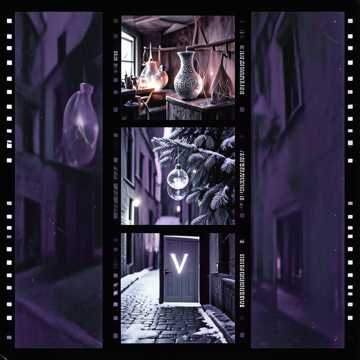
Чудо от Винсенто лилипута
Рождественская история о замкнутом стеклодуве Винсэнто, чьи украшения становятся посланием после его исчезновения. Праздничная атмосфера постепенно превращается в мрачную тайну о памяти, одиночестве, мастерстве и чуде, которое продолжает жить в хрупком шаре с буквой Вэ.
03:28
5 days ago
Deep Brass: Definition, Sound, and History
Deep Brass is a descriptive music tag for productions that combine the low-frequency weight, spacious atmosphere, and hypnotic repetition of deep electronic music with the powerful timbre of brass instruments. Typical instruments include trombone, trumpet, baritone saxophone, French horn, sousaphone, and tuba. In a Deep Brass track, brass may appear as a dark sustained pad, a punchy rhythmic stab, a dramatic fanfare, a distorted riff, or a live melodic lead. The style is valued for its contrast between organic breath, metallic overtones, and sub-bass-driven electronic production. Deep Brass does not represent one strictly defined historical genre; it is a cross-genre production category used in music libraries, DJ culture, advertising, film scoring, and contemporary electronic music. Its roots can be traced to several traditions: the low brass sections of jazz, funk, soul, dub, and marching bands; the horn arrangements of disco and hip-hop; and the bass-heavy sound design of house, techno, trap, and cinematic electronica. During the1990s and2000s, producers increasingly sampled horn sections, processed brass through delays and filters, and placed live horns over deep house and broken-beat rhythms. In the2010s and beyond, brass-house groups, electronic marching bands, hybrid trailer composers, and sample-based producers helped popularize the recognizable Deep Brass aesthetic. Today, Deep Brass can describe music ranging from slow cinematic bass pieces and moody deep house to energetic brass-house tracks and dark urban grooves.
Deep Brass Sub-Tags and Classifications
Cinematic Deep Brass
Cinematic Deep Brass combines deep percussion, atmospheric synthesizers, drones, and dramatic horn writing. Low trombones, French horns, and tubas often establish a sense of scale, tension, or authority, while reverberation and gradual arrangement builds create a trailer-like impact. This classification works well for suspense, action, documentary, sports, and luxury-brand visuals.
Deep Brass House
Deep Brass House places brass riffs, horn stabs, or sampled sections over deep-house foundations. The usual ingredients are a four-on-the-floor kick, warm sub-bass, restrained percussion, filtered chords, and syncopated trumpet or trombone phrases. Compared with festival-oriented house, Deep Brass House generally favors a darker mix, a smoother groove, and more spacious repetition.
Brass House
Brass House is a live-performance-oriented branch of Deep Brass in which trumpet, trombone, saxophone, sousaphone, and drums imitate or interact with electronic dance production. The music often uses funk, hip-hop, and EDM rhythms, call-and-response arrangements, aggressive horn attacks, and extended instrumental breakdowns. It is especially suitable for energetic live events, sports content, street culture, and fashion campaigns.
Deep Funk Brass
Deep Funk Brass emphasizes syncopated horn lines, pocket-focused bass, muted or wah-wah trumpet, and rhythm guitar or electric-keyboard textures. Its sound connects classic funk and soul instrumentation with modern low-end production. The result is danceable but weighty, making it useful for urban lifestyle videos, product launches, fashion films, and character-driven scenes.
Dub and Reggae Deep Brass
This classification combines brass melodies with reggae, dub, and sound-system production techniques. Horns may be treated with tape echo, spring reverb, filtering, and rhythmic dropouts, while bass and drums remain spacious and prominent. Dub-influenced Deep Brass often feels spacious, smoky, and hypnotic, making it effective for travel films, nightlife sequences, documentary scenes, and relaxed visual content.
Trap and Hip-Hop Deep Brass
Trap and Hip-Hop Deep Brass uses low brass hits, orchestral horn layers, distorted trumpet phrases, and dramatic brass ostinatos with808 bass, crisp hi-hats, and half-time drums. The brass is frequently arranged as a short, memorable motif rather than a continuous melody. This sound is common in sports edits, gaming trailers, streetwear advertising, action reels, and high-impact social media content.
Dark Jazz Brass
Dark Jazz Brass focuses on minor-key harmonies, slow tempos, breathy trumpet, baritone saxophone, muted trombone, and heavily reverberated ensembles. It may include ambient noise, brushed drums, piano, or cinematic drones. The mood is nocturnal, mysterious, and introspective, making it suitable for crime dramas, detective stories, psychological thrillers, and atmospheric podcasts.
Marching Band and Street Brass
Marching Band and Street Brass brings the physical energy of parade bands and New Orleans-style ensembles into modern production. Sousaphone or tuba often supplies the bass, while trumpets, trombones, and percussion create interlocking riffs. When mixed with electronic beats, this sub-tag becomes a vivid form of Deep Brass that communicates movement, celebration, community, and urban energy.
Minimal and Ambient Deep Brass
Minimal and Ambient Deep Brass uses isolated horn tones, long sustains, granular processing, soft pulses, and subtle sub-bass rather than dense arrangements. The brass may function like a texture or evolving sound-design layer. This approach is appropriate for meditation visuals, architecture films, technology presentations, luxury branding, and slow-moving cinematic scenes.
Artists and Classic Works Related to Deep Brass
MEUTE
MEUTE is a German techno marching band known for translating club music into a live brass-and-percussion format. Tracks such as "You & Me" and "Rej" demonstrate how trumpets, trombones, saxophones, and drums can reproduce the propulsion of techno while retaining the expressive dynamics of a live ensemble. Their work has been highly influential in the development of contemporary brass-house and electronic brass aesthetics.
MEUTE – You & Me
This track is a strong modern reference for live electronic brass. Its recurring brass motif functions like a synthesizer hook, while the drum pattern maintains a club-oriented pulse. The performance gains energy from human timing, breath, accent changes, and ensemble dynamics, illustrating how Deep Brass can remain danceable without losing the character of acoustic instruments.
Too Many Zooz
New York-based trio Too Many Zooz helped popularize a raw, highly rhythmic brass-house sound through trumpet, baritone saxophone, and percussion. Their music, including "Warriors" and "Bedford," combines subway-performance energy with funk, hip-hop, and electronic dance structures. Their contribution lies in showing how a small brass ensemble can create a powerful bass-oriented groove without a conventional DJ-led arrangement.
Too Many Zooz – Warriors
“Warriors” showcases a compact brass ensemble producing a large, bass-conscious sound. The baritone saxophone supplies substantial low-mid weight, the trumpet provides cutting rhythmic figures, and percussion reinforces the groove with a street-performance immediacy. The piece demonstrates the Deep Brass technique of treating horn phrases as both melody and percussion.
Lucky Chops
Lucky Chops brought energetic street-brass performance to a global online audience. Their arrangements of popular songs and original performances highlight rapid horn articulation, strong rhythmic unison, and the physical excitement of a live brass group. Their sound is relevant to Deep Brass because it demonstrates how acoustic brass can deliver the impact, repetition, and immediacy normally associated with electronic dance production.
Fela Kuti and Africa70 – Water No Get Enemy
This Afrobeat classic is built on repetition, interlocking rhythm, sustained bass movement, and layered horn commentary. The brass does not simply decorate the arrangement; it helps define the form by answering the vocal and reinforcing the groove. Its long-form structure and hypnotic brass writing are important historical precedents for modern deep, groove-led brass music.
Brass Against
Brass Against reinterprets rock and alternative music through a large brass ensemble featuring trumpets, trombones, saxophones, and heavy percussion. Performances such as their version of "Killing in the Name" show how brass can replace distorted-guitar mass with aggressive low-mid power and dramatic ensemble attacks. Their work expands Deep Brass toward rock, protest music, and trailer-style intensity.
James Brown – Get Up, I Feel Like Being a Sex Machine
The track illustrates the power of minimal funk arrangement. Short horn accents, a tightly repeated bass line, and a precise drum pocket create a compact but highly physical sound. For Deep Brass producers, it offers a lesson in leaving space around brass hits and allowing rhythm, silence, and low-end emphasis to create impact.
The Souljazz Orchestra
The Souljazz Orchestra connects Afrobeat, funk, soul, jazz, and global dance music through dense horn arrangements and percussion-led grooves. Their catalog demonstrates the value of layered brass, call-and-response writing, and rhythmic ensemble precision. Although not every release is categorized as Deep Brass, the group provides an important musical reference for deep, groove-centered brass production.
The JB's – Pass the Peas
“Pass the Peas” is notable for its memorable horn hook, syncopated rhythm, and economical arrangement. The brass line is instantly recognizable because it is short, repeated, and rhythmically locked to the groove. This approach remains influential in Deep Brass, hip-hop sampling, funk production, and advertising music.
Nils Landgren
Swedish trombonist Nils Landgren has contributed to the modern vocabulary of soulful, polished, and groove-focused brass through jazz, funk, and crossover collaborations. His playing illustrates how a trombone can be both lyrical and rhythmically forceful. His work is a useful reference for producers seeking warm brass leads rather than only aggressive horn stabs.
Herbie Hancock – Rockit
Although primarily an electronic jazz and electro-funk work, “Rockit” demonstrates how processed instrumental timbres can become central rhythmic events. Its mechanical pulse, sound-design approach, and sharp accents provide a useful bridge between organic brass traditions and electronically constructed Deep Brass arrangements.
Roy Hargrove
Trumpeter Roy Hargrove moved fluidly between straight-ahead jazz, soul, funk, and contemporary crossover music. Projects such as RH Factor demonstrate how expressive trumpet lines can sit within deep bass, programmed rhythm, and urban production. His contribution is particularly relevant to Deep Brass because he connected jazz improvisation with modern groove-based arrangements.
Brass Against – Killing in the Name
This brass-led interpretation replaces the original guitar-centered heaviness with massed horn attacks, aggressive percussion, and dramatic dynamic contrast. The arrangement shows that low brass can provide distortion-like density and that a large horn section can function as a powerful riff instrument in cinematic or high-impact music.
Fela Kuti and Africa70
Fela Kuti and Africa70 established a major model for extended, bass-heavy Afrobeat built around layered horns, polyrhythmic percussion, and repeating grooves. Their recordings are not electronic Deep Brass in the modern sense, but they strongly influenced the use of brass as a hypnotic, structural, and politically charged element in dance music.
Deep Brass Music Application Scenarios
Deep Brass is effective in action, crime, thriller, sports, and urban dramas. Low trombones, baritone saxophones, and processed trumpet can establish danger, confidence, scale, or controlled tension. A restrained Deep Brass cue works well under dialogue, while a full brass-house build can intensify a chase, entrance, confrontation, or victory sequence.
Film and Television Soundtracks
Trailer composers use Deep Brass for short impact moments, rising tension, and memorable identity cues. A deep sub-bass drone followed by a synchronized brass hit can create a strong transition, while repeated horn ostinatos provide momentum during title cards, action cuts, and release-date reveals.
Movie Trailers and Teaser Campaigns
Deep Brass gives advertising music a confident, premium, energetic, and memorable character. Deep Brass House can support automotive, sportswear, beverage, and technology campaigns, while cinematic brass can suggest luxury, heritage, reliability, or ambition. Short horn motifs are particularly useful because they remain recognizable within a compact commercial edit.
Advertising and Brand Films
Game composers can use Deep Brass for boss battles, racing games, tactical missions, cyberpunk environments, sports titles, and open-world urban scenes. Low brass reinforces danger and scale, while brass-house grooves keep menus, loading screens, and competitive gameplay feeling active and modern.
Video Games and Game Trailers
The sharp attack and physical energy of Deep Brass make it suitable for player introductions, goal celebrations, tournament packages, and highlight edits. Brass stabs can be synchronized with cuts, impacts, and slow-motion moments, while a sousaphone- or tuba-led groove can provide a distinctive stadium atmosphere.
Sports Broadcasts and Highlight Reels
Deep Brass combines sophistication with street-level energy, making it useful for runway films, sneaker campaigns, nightlife videos, and editorial fashion content. Dark trumpet, muted trombone, and deep electronic bass can create a modern urban identity without overwhelming the visual design.
Fashion, Streetwear, and Lifestyle Content
A restrained Deep Brass cue can add authority and tension to investigative journalism, business documentaries, cultural reporting, and historical storytelling. Sparse horn phrases and low drones leave room for narration while providing emotional direction and a recognizable sonic identity.
Podcasts, Documentaries, and News Features
Brass-house and live Deep Brass arrangements are well suited to festivals, parades, club shows, corporate events, and choreographed performances. The physical presence of live horns creates visual as well as musical impact, especially when brass riffs, drum breaks, and audience movement are synchronized.
Dance Performances and Live Events
Funk-oriented or dub-influenced Deep Brass can provide warmth, movement, and local character in travel films, restaurant content, city guides, and cultural videos. A brass-led groove helps communicate lively streets, nightlife, community, and discovery while remaining flexible enough for montage editing.
Travel, Food, and Urban Videos
Short Deep Brass loops are useful for intros, transitions, reaction clips, challenge videos, and sports edits. Strong horn hooks are easy to synchronize with visual cuts and can help a creator establish a recognizable audio signature. For short-form content, compact arrangements with an immediate brass entrance generally perform better than long atmospheric openings.
Game Streams and Social Media Short-Form Video