
Free drone bass Music Generator Powered by AI
Turn text into high-quality drone bass music effortlessly – no login required!

music.toolTips
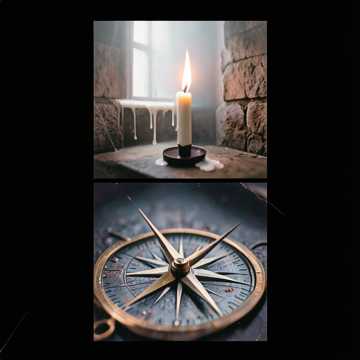
Untrue North
A mystical, atmospheric love song about two souls drawn together across forgotten ages. As time, stars, oceans, and earthly direction collapse, the narrator follows an ancient geometry of longing toward a destined connection that resonates beneath the world.
04:46
5 days ago
Drone Bass: Definition, Characteristics, and History
Drone bass is a style, texture, or production approach centered on sustained low-frequency tones, slowly changing bass layers, and an immersive sense of sonic continuity. Instead of relying primarily on rapidly changing basslines, Drone bass uses long notes, repeated low-end patterns, sub-bass resonance, and gradual timbral movement to create weight, tension, atmosphere, and spatial depth. It can appear in experimental electronic music, ambient, drone, metal, industrial, soundtracks, game audio, and contemporary sound design. Drone bass is not always treated as a single standardized genre; in many contexts, the term describes a musical texture or tagging category that combines the sustained qualities of drone music with the physical impact of bass frequencies. The roots of Drone bass can be traced to ancient musical traditions that use continuous pedal tones, including the sustained drone of bagpipes, hurdy-gurdies, tanpuras, and other instruments. In Western composition, organ pedal points and minimalist repetition further developed the idea of a stable underlying tone. During the twentieth century, composers such as La Monte Young explored extended tones and minimal changes, while experimental artists used tape loops, feedback, synthesizers, and amplified instruments to create expansive drone environments. The development of analog synthesizers, modular systems, digital samplers, subwoofers, and modern studio processing later made it possible to produce extremely deep and sustained bass textures. In the1990s and2000s, Drone bass became especially visible in underground ambient, doom metal, industrial, dub, noise, and electronic music. Contemporary Drone bass production often combines sine waves, distorted guitar, modular synthesizers, field recordings, granular processing, side-chain movement, and cinematic sound design. Its defining qualities include low-frequency focus, sustained or slowly evolving tones, limited harmonic movement, strong physical resonance, spacious mixing, and an emphasis on atmosphere over conventional melodic development.
Drone Bass Sub-Tags and Classifications
Ambient Drone Bass
Ambient Drone bass emphasizes spacious, meditative, and slowly evolving low-frequency layers. Long synthesizer notes, soft harmonic overtones, reverb tails, and subtle modulation create a calm or mysterious sound field. Ambient Drone bass is often used for relaxation, meditation, installations, documentary scoring, and atmospheric background music. The bass is usually deep but controlled, supporting the environment without dominating it.
Dark Drone Bass
Dark Drone bass uses sustained sub-bass, minor or dissonant harmonies, restrained dynamics, and ominous sound design to create tension. Low rumbles, metallic resonances, bowed textures, distant impacts, and filtered noise are common ingredients. This classification is suitable for horror, psychological thriller, science-fiction, occult, and suspense-oriented music because it creates a sense of threat without requiring a fast rhythm.
Doom Drone Bass
Doom Drone bass combines the extremely slow, heavy qualities of doom metal with extended guitar or bass tones. Distortion, feedback, down-tuned instruments, amplifier resonance, and massive sustain are central to the style. Rather than focusing on conventional riffs, Doom Drone bass often stretches a small number of chords or notes across long passages, producing a dense and physically powerful wall of sound. It is closely associated with drone metal and experimental heavy music.
Electronic Drone Bass
Electronic Drone bass is produced primarily with synthesizers, samplers, modular hardware, software instruments, and digital effects. Sine waves, triangle waves, wavetable oscillators, subharmonic generators, sequenced pulses, and automation can be layered to create a continuously shifting low-end texture. Electronic Drone bass may remain beatless or incorporate minimal electronic rhythms, making it useful in ambient, experimental techno, IDM, industrial, and audiovisual performance.
Industrial Drone Bass
Industrial Drone bass focuses on mechanical weight, distortion, noise, and repetitive pressure. It may include processed machinery, electrical hum, metallic hits, feedback, saturated synthesizers, and heavily compressed low frequencies. The style often creates a cold, dystopian, or factory-like atmosphere and can be found in industrial music, dark ambient, cyberpunk soundtracks, trailers, and experimental performance art.
Dub and Sub-Bass Drone
Dub and Sub-Bass Drone uses sustained or repeating bass tones influenced by dub production, reggae sound-system culture, and spacious studio effects. Delay, spring reverb, filter sweeps, phase movement, and carefully controlled sub frequencies create a strong sense of depth. Unlike purely beatless drone music, this classification may include a slow groove or sparse rhythm, with the bass functioning as both a harmonic foundation and a physical sound-system experience.
Drone Bass Noise
Drone Bass Noise combines continuous low tones with feedback, static, distortion, spectral density, and unstable textures. The bass may be intentionally abrasive, saturated, or difficult to distinguish from the surrounding noise layer. Drone Bass Noise is common in underground experimental music, live sound art, and installations where physical vibration, discomfort, and evolving sonic texture are more important than traditional melody or rhythm.
Cinematic Drone Bass
Cinematic Drone bass is designed to support visual storytelling. It uses sustained low notes, sub-bass rumbles, orchestral pedals, processed impacts, and gradual crescendos to underline scale, danger, suspense, or emotional gravity. Cinematic Drone bass can remain almost invisible beneath dialogue or become a major dramatic element during a reveal, confrontation, disaster sequence, or science-fiction environment.
Minimalist Drone Bass
Minimalist Drone bass uses very few musical events and concentrates on subtle changes in tuning, overtone balance, rhythm, and volume. A single sustained note may gradually develop through filtering, resonance, layering, or spatial movement. This classification reflects the influence of minimalism and encourages close listening to details that would normally be treated as background rather than foreground.
Organic and Instrumental Drone Bass
Organic and Instrumental Drone bass is created with acoustic or amplified instruments such as double bass, cello, baritone guitar, bass guitar, organ, harmonium, bowed strings, and wind instruments. Musicians may use open strings, alternate tunings, circular breathing, bow pressure, feedback, or pedal techniques to maintain a continuous low tone. The result can sound warmer, more physical, and less digitally precise than a purely synthesized Drone bass texture.
Famous Drone Bass Artists and Related Works
Sunn O)))
Sunn O))) is one of the most influential names associated with drone metal and extremely heavy Drone bass. Albums such as "The Grimmrobe Demos," "Black One," and "Monoliths & Dimensions" use down-tuned guitars, sustained chords, amplifier feedback, ritualistic pacing, and dense low-frequency resonance. The group helped establish the idea that bass weight, duration, volume, and physical vibration could become the central musical content rather than merely support a conventional riff.
Earth2: Special Low Frequency Version by Earth
This landmark recording is built from extremely slow guitar movement, sustained distortion, feedback, and extended low-frequency resonance. Its innovation is not based on complex melody but on duration, repetition, and the physical scale of the sound. The album helped define drone metal and remains a key reference for Drone bass because it treats low-register sustain as the main compositional event.
Earth
Earth, led by Dylan Carlson, played a major role in shaping early drone metal. The album "Earth2: Special Low Frequency Version" is particularly important because it expands slow guitar figures into long, repetitive, low-register forms. Earth demonstrated how minimal harmonic change, distortion, and sustained resonance could create a monumental Drone bass atmosphere without relying on fast percussion or traditional song structures.
The Grimmrobe Demos by Sunn O)))
The recording presents a stark and massive drone metal sound built around down-tuned guitars, amplifier feedback, long-held chords, and very limited rhythmic activity. Its power comes from density and sustained pressure rather than speed. The work established many of the characteristics associated with heavy Drone bass, including subsonic weight, slow development, ritualistic pacing, and an immersive wall of sound.
Nadja
Nadja combines drone metal, ambient, shoegaze, industrial noise, and experimental electronics. Releases such as "T touched by a tiny mouth" and "Radiance of Shadows" are characterized by layered distortion, slow-moving guitar and bass frequencies, blurred percussion, and immense spatial processing. Their work shows how Drone bass can be both aggressive and atmospheric, with low-end density functioning as an immersive environment.
Black One by Sunn O)))
Black One expands the Drone bass vocabulary with darker production, abrasive distortion, cavernous reverberation, extreme vocal treatments, and unsettling timbral detail. The album illustrates how low-frequency drones can create narrative and psychological tension. Its use of space and texture is especially influential for horror, dark ambient, industrial, and cinematic sound design.
Sunn O))) and Boris
The collaborative album "Altar" brought together Sunn O)))'s drone metal approach and Boris's heavy, experimental rock language. Its extended tracks use sustained guitar, bass resonance, vocal texture, and gradual shifts in intensity. The collaboration is notable for presenting Drone bass as a flexible form that can incorporate psychedelic rock, metal, ambient passages, and long-form composition.
Ravedeath,1972 by Tim Hecker
Ravedeath,1972 transforms organ-like tones, electronic distortion, and dense harmonic layers into a huge but unstable sonic space. The bass content is not always presented as an isolated sub-bass line; instead, it emerges from the interaction of low drones, reverberation, saturation, and harmonic overtones. The album demonstrates how Drone bass can be emotionally expressive, abstract, and architecturally arranged.
Tim Hecker
Tim Hecker is a leading experimental composer whose work frequently uses distorted organ tones, electronic drones, sub-bass pressure, digital processing, and dense harmonic layering. Albums including "Ravedeath,1972" and "Virgins" demonstrate how Drone bass can be integrated into complex, emotionally intense soundscapes. His contribution lies in treating distortion and low-frequency resonance as expressive harmonic materials rather than simple effects.
Excavation by The Haxan Cloak
Excavation uses deep sub-bass, slow pulses, distorted impacts, metallic sounds, and extensive spatial processing to create a claustrophobic journey. Its low-end material often feels like an environmental force rather than a conventional instrument. The work is a strong example of cinematic Drone bass, particularly for horror and suspense, because it builds fear through anticipation, vibration, and barely changing sonic pressure.
The Haxan Cloak
The Haxan Cloak, the project of Bobby Krlic, is known for dark ambient and cinematic low-frequency sound design. The self-titled album "The Haxan Cloak" and "Excavation" use sub-bass, processed percussion, bowed or metallic textures, and deep reverberation to create a threatening sense of scale. This work has influenced horror scoring and demonstrates the dramatic potential of Drone bass in film and game audio.
Altar by Sunn O))) and Boris
Altar combines long-form Drone bass with psychedelic rock, metal, experimental vocals, and gradual structural development. The work shows that drone composition can support multiple sections and contrasting textures while preserving its slow, heavy foundation. Its collaborative approach also demonstrates how sustained bass resonance can connect different underground music traditions.
La Monte Young
La Monte Young is a foundational figure in minimalism and sustained-tone composition. His work with The Theatre of Eternal Music explored long tones, just intonation, overtones, and subtle changes in pitch and timbre. Although not a Drone bass artist in the modern electronic genre sense, his focus on duration and continuous sound strongly influenced later drone music, experimental electronics, and low-frequency composition.
The Sinking of the Titanic by Gavin Bryars
Gavin Bryars's minimalist composition is not a conventional Drone bass track, but its slowly repeating material, sustained harmonic field, muted resonance, and gradual transformation make it an important related work. It illustrates how a limited musical idea can produce profound emotional depth over an extended duration. The piece is relevant to Drone bass through its use of repetition, sonic continuity, and restrained low-register atmosphere.
Pauline Oliveros
Pauline Oliveros developed deep listening practices and experimental approaches to sustained sound, resonance, improvisation, and acoustic space. Her use of accordion, electronics, long tones, and site-specific reverberation expanded the understanding of drone-based music. Her ideas are relevant to Drone bass because they encourage listeners and producers to notice room vibration, overtone movement, and the physical behavior of sound.
The Disintegration Loops by William Basinski
William Basinski's work is created from decaying tape loops that gradually lose information as they repeat. Although the original material is not exclusively bass-focused, the extended loops and slowly degrading texture provide a major example of drone-based composition. Its innovation lies in allowing physical deterioration to become the compositional process, an approach that has influenced ambient Drone bass and generative sound design.
Biosphere
Biosphere, the project of Geir Jenssen, is associated with ambient electronica and slowly evolving electronic soundscapes. Works such as "Substrata" use restrained low-frequency layers, environmental samples, minimal rhythm, and spacious synthesis. Biosphere shows how Drone bass can remain subtle and atmospheric while still providing structural depth beneath a composition.
Ben Frost
Ben Frost combines electronic production, noise, industrial textures, and modern composition with powerful low-end dynamics. Albums such as "By the Throat" and "Aurora" use distorted bass, compressed impact, digital abrasion, and dramatic contrast. His work demonstrates how Drone bass can be used to create physical intensity while retaining precise rhythmic and cinematic control.
Drone Bass Application Scenarios
Drone bass can support suspense, horror, science fiction, crime, and psychological drama by creating tension before a visible event occurs. A sustained sub-bass tone can suggest an approaching threat, while gradual filtering or volume changes can intensify a scene without distracting from dialogue. In large-scale science-fiction or disaster films, cinematic Drone bass also communicates machinery, vast spaces, cosmic scale, and environmental danger.
Film and Television Soundtracks
Dark Drone bass is effective in horror because it creates unease through low-frequency vibration, incomplete harmonic information, and slow anticipation. Producers can combine a sub-bass drone with distant impacts, bowed metal, room tone, and reverse textures. The sound may be almost inaudible on small speakers but physically noticeable in a cinema or theatre, making it useful for building subconscious tension.
Horror and Thriller Scoring
Drone bass works well in stealth games, survival horror, exploration games, science-fiction adventures, and boss environments. A looping drone can remain active for long periods without becoming as repetitive as a conventional melody. Interactive game audio systems can automate filters, distortion, volume, and harmonic layers according to player proximity, health, danger level, or location, allowing Drone bass to respond dynamically to gameplay.
Video Game Background Music
Trailer producers often use a low Drone bass layer to create a sense of scale before a major impact or musical drop. The drone can begin quietly, grow through saturation and automation, and transition into percussion or orchestral hits. This approach is effective for action films, technology launches, luxury branding, automotive advertising, and dramatic product reveals.
Film Trailers and Promotional Videos
A controlled Drone bass texture can give a brand film a premium, modern, technological, or powerful identity. In automotive advertising, low-frequency resonance can suggest engine performance and physical strength. In technology advertising, synthetic Drone bass can imply precision, futuristic design, and immersive innovation. The bass should be carefully mixed so that it adds impact without masking narration or becoming uncomfortable on consumer devices.
Advertising and Brand Sound Design
Soft Ambient Drone bass can provide a stable foundation for meditation, sleep, yoga, breathwork, and relaxation content. The most suitable approach uses gentle sub-bass, slow modulation, smooth harmonics, and limited high-frequency activity. Producers should avoid excessive volume, sudden changes, or harsh distortion when the intended use is calming rather than dramatic.
Ambient Music and Meditation
Drone bass can be distributed through subwoofers, tactile transducers, multi-channel speakers, or site-specific acoustic systems to make visitors physically aware of the sound. An installation may use different sustained frequencies in different areas, allowing movement through the room to change the perceived balance. This makes Drone bass useful for galleries, museums, architecture events, audiovisual performances, and experimental theatre.
Art Installations and Immersive Exhibitions
Performers can generate Drone bass with modular synthesizers, bass guitar pedals, feedback systems, samplers, and real-time software. Slow parameter changes provide a flexible structure for improvisation, while lighting and video can respond to frequency or amplitude. The sustained nature of Drone bass allows performers to explore timbre, space, and physical resonance without depending on a fixed song arrangement.
Live Electronic and Experimental Performance
A restrained Drone bass layer can add continuity and seriousness to investigative documentaries, historical programs, true-crime podcasts, and narrated fiction. Because it contains little rhythmic information, it can sit beneath speech more naturally than a busy beat. The production should use side-chain ducking, equalization, and moderate loudness so that the low-frequency content does not reduce speech clarity.
Podcast, Documentary, and Narrative Underscore
In virtual reality, Drone bass can represent distant machinery, underground environments, supernatural forces, or large unseen objects. Spatial movement, binaural processing, and distance-based filtering can make the drone appear to shift as the user turns or moves. This creates an immersive sense of place and can communicate danger even when the source is outside the user's field of vision.
Virtual Reality and Spatial Audio
Minimalist or industrial Drone bass can establish a strong atmosphere for fashion shows, product launches, and gallery presentations. A steady low-frequency foundation supports lighting changes, runway movement, and visual pacing while avoiding a highly melodic focus. Distinct sections can be created through changes in density, distortion, stereo width, or sub-bass intensity.
Fashion Shows and Visual Presentations
Dub-influenced Drone bass can be combined with sparse percussion, broken rhythms, or slow techno structures. The sustained low end becomes especially effective on a high-quality sound system, where sub-bass movement can be felt as well as heard. Careful phase alignment, headroom, mono compatibility, and frequency management are essential to prevent the bass from becoming muddy or damaging playback systems.
Dance Music and Club Sound Systems