
Free low cello Music Generator Powered by AI
Turn text into high-quality low cello music effortlessly – no login required!

music.toolTips
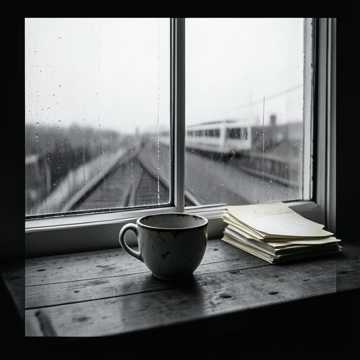
Остывший чай
Лирический герой остаётся один среди писем, дождя и остывшего чая, вспоминая несказанные слова и угасшее начало пути. Песня превращает бытовые детали в образ медленного прощания с прошлым и учёбы отпускать без внешней драмы.
02:25
1 days ago
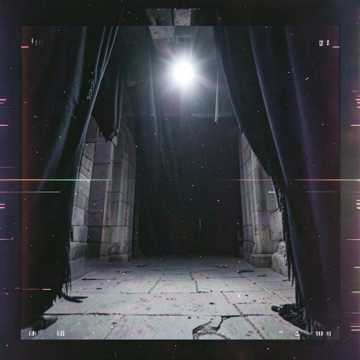
Fallen Temple Duel
A brutal orchestral confrontation unfolds inside a ruined sacred stronghold. Low cello dread builds toward accelerating strings, crushing brass, pounding percussion, and ritualistic choral force. The music reaches a violent cinematic climax, evoking a final duel between ancient powers, then vanishes into absolute silence.
03:28
2 days ago
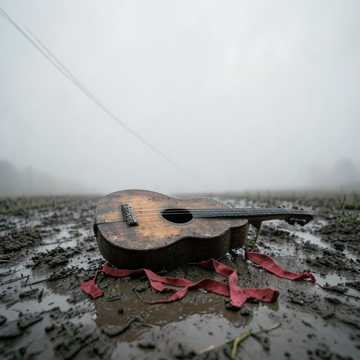
Чорний круке
Похмура балада розповідає про пораненого воїна, який приймає смертельний бій за свободу та батьківщину. Чорний крук стає символом неминучої смерті, а кривава хустка поєднує останнє послання матері й коханій із героїчною самопожертвою.
03:22
3 days ago
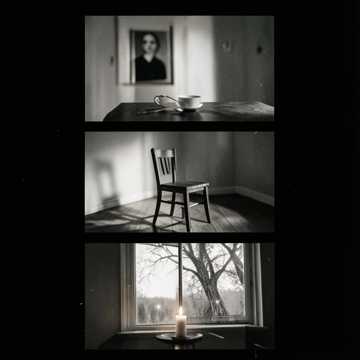
Hush Now, Little Heart
A fragile narrator performs ordinary rituals inside a shifting house, soothing a frightened heart while confronting doubles, vanished portraits, unseen guests, and collapsing memory. The lullaby-like refrain turns politeness into a defense against psychological horror, ending in quiet surrender to the supernatural.
03:23
3 days ago
Cattivo Respiro
Un paesaggio sonoro oscuro e claustrofobico, costruito come un respiro irregolare. Il battito profondo guida droni di violoncello, voci spettrali e metalli lontani, mentre la tensione cresce lentamente fino a collassare nel vuoto, lasciando emergere una sensazione persistente di minaccia e inquietudine.
03:20
4 days ago
HOME TO YOU
أغنية تعبّدية عن التوبة والندم والتسليم الكامل لله. ينتقل الراوي من الخوف والضياع إلى الرجاء والرضا، طالبًا المغفرة والهداية والعودة إلى الطريق، حتى يصبح الذكر والعبادة ملاذه الأخير ورغبته في الوصول إلى الله.
07:31
5 days ago
Val21🤔1950
A stark, experimental country-soul lament where a repeated phrase emerges from tectonic sub-bass, low cello, heartbeat pulses, and prolonged silence. Its emotional force comes from restraint: root notes become physical sensations, transforming longing, isolation, and remembrance into an immense cinematic ritual.
03:00
5 days ago
Val21🤔1950
A minimalist dark blues piece that transforms a loud heartbeat into a landscape of pressure, emptiness, and return. Sustained F# power chords, low cello, sub-bass, and silence create a cinematic ritual, while the repeated phrase becomes an intimate declaration of emotional weight.
03:08
5 days ago
Val20
Val20 unfolds as a ritual of pressure and release: a30 BPM heartbeat beneath sustained F#, D, A, and E drones. Gritty cello, trombone, and sub-bass merge into a vast low-frequency mass, while the vacuum gap intensifies feelings of isolation, gravity, endurance, and final dissolution.
04:05
6 days ago
Val20
Val20 unfolds as a nearly wordless descent into subterranean pressure. F# power chords, shifting roots, sustained cello, brass, sub-bass, and a muffled heartbeat create a bleak yet warm ritual. Its vacuum gap intensifies the sense of isolation before the final chord dissolves into silence.
04:43
6 days ago
Low Cello: Definition, Sound, and Historical Development
Low Cello refers to cello performances, compositions, recordings, or sound-design elements that emphasize the instrument's lower register. The cello normally covers a broad range, from the low C string through a warm tenor and upper register, but Low Cello music concentrates on deep bowed notes, resonant open strings, dark harmonies, sustained drones, low ostinatos, and weighty rhythmic patterns. In music libraries and production catalogs, the Low Cello tag commonly identifies cinematic cello textures used to create gravity, tension, intimacy, melancholy, mystery, or dramatic impact. Low Cello is not a formally defined historical genre; it is better understood as a performance focus, timbral classification, and production category. Its origins can be traced to the development of the violoncello in the seventeenth century, when the instrument evolved from the viol family and became increasingly important as a bass and tenor voice in chamber music and orchestras. Baroque composers such as Antonio Vivaldi and Johann Sebastian Bach demonstrated that the cello could function as both a supporting bass instrument and an expressive solo voice. During the Classical and Romantic periods, composers expanded the cello's lower-register role through richer orchestration, longer melodic phrases, chromatic harmony, and dramatic accompaniment figures. In the twentieth and twenty-first centuries, composers, film scorers, and sound designers further developed Low Cello through extended techniques, close-microphone recording, electronic processing, looping, distortion, and layered low strings. Modern Low Cello production often combines natural cello resonance with sub-bass reinforcement, creating a sound that remains organic while delivering powerful cinematic depth.
Low Cello Sub-Tags and Classifications
Acoustic Low Cello
Acoustic Low Cello emphasizes the natural resonance of the cello's lowest strings, especially the open C string and low fingered notes. Bowed sustains, slow legato phrases, and carefully controlled dynamics create a dark but detailed tone. This classification is suitable for chamber music, classical arrangements, documentary scoring, and intimate dramatic scenes where a realistic cello sound is preferred.
Cinematic Low Cello
Cinematic Low Cello is designed for film, television, trailers, and dramatic media. It commonly uses long sustained notes, minor-key harmonies, swelling crescendos, low ostinatos, and layered ensemble recording. Cinematic Low Cello can suggest danger, sadness, historical scale, suspense, emotional restraint, or impending action, making it a common alternative to a full low-string section.
Low Cello Drone
Low Cello Drone consists of sustained or repeated low pitches that establish an atmospheric foundation. The material may remain on one note, move slowly between neighboring tones, or use subtle harmonic changes. Low Cello drones are effective in ambient music, horror soundtracks, meditation compositions, sound installations, and scenes that require continuous tension without a strongly defined melody.
Low Cello Ostinato
Low Cello Ostinato uses a repeating rhythmic or melodic pattern in the cello's lower register. Short bowed or plucked figures can create forward motion beneath a melody, percussion part, or orchestral texture. This sub-tag is especially useful for action cues, suspense sequences, game music, trailers, and rhythmic hybrid scoring.
Pizzicato Low Cello
Pizzicato Low Cello is performed by plucking the strings rather than drawing the bow across them. In the low register, pizzicato produces a rounded, percussive and resonant sound that can function as a bass pulse. It is frequently used in mystery, dark comedy, animation, investigative drama, and orchestral groove writing.
Bowed Low Cello
Bowed Low Cello focuses on sustained notes, expressive vibrato, pressure changes, and gradual dynamic movement. The bow allows the player to shape the sound from a fragile whisper to a powerful, rough-edged swell. This classification is useful when a composition requires emotional depth, mournful lyricism, suspense, or a continuous low-frequency presence.
Aggressive or Distorted Low Cello
Aggressive Low Cello uses forceful bow pressure, sul ponticello, scratch tones, repeated attacks, distortion, saturation, or electronic processing. The result can be abrasive, threatening, and highly contemporary. It is often used in horror, thriller, action, industrial, and experimental music, where the cello is treated as both an acoustic instrument and a raw sound-design source.
Electronic and Processed Low Cello
Electronic Low Cello combines recorded cello with looping, reverb, delay, granular processing, pitch shifting, filtering, or sub-bass synthesis. Processing can lengthen the instrument's sustain, enlarge its stereo image, or transform short bow strokes into evolving textures. This category appears in ambient music, electronic composition, modern film scoring, game audio, and multimedia installations.
Solo Low Cello
Solo Low Cello presents the lower register as the primary musical voice rather than as a background layer. A solo performance can explore open-string resonance, double stops, harmonics, rhythmic articulation, and extended techniques. Solo Low Cello is appropriate for minimalist compositions, contemporary classical works, personal storytelling, and emotionally exposed scenes.
Low Cello Ensemble
Low Cello Ensemble features several cellos performing in the same low and middle-low range. Layering multiple instruments creates a broad, warm, and powerful sound while preserving more detail and flexibility than a conventional double-bass section. This texture is valuable in orchestral scoring, epic trailers, fantasy music, and large-scale emotional climaxes.
Low Cello with Bass and Low Strings
This classification combines Low Cello with double bass, bass viol, viola, bass clarinet, trombone, or synthesizer. The cello adds articulation and expressive mid-low detail, while the other instruments supply additional weight. The combination is common in cinematic hybrid music, dramatic underscore, game soundtracks, and large orchestral arrangements.
Famous Artists and Classic Works Related to Low Cello
Johann Sebastian Bach
Bach's Six Cello Suites, BWV1007-1012, established the cello as a sophisticated solo instrument and remain central to the history of cello writing. Although the suites are not exclusively Low Cello works, their use of open-string resonance, bass movement, arpeggiation, and implied polyphony demonstrates how much musical depth can be created from the instrument's lower register. Bach's writing continues to influence solo cello, cinematic cello, and contemporary arrangement.
Johann Sebastian Bach - Cello Suite No.1 in G Major, BWV1007
The opening Prelude is one of the most recognizable works for solo cello and is built from continuously flowing arpeggios. Its low open-string resonance provides a stable harmonic foundation while the upper notes imply a larger polyphonic structure. The work is not exclusively low-register music, but it is a classic example of how cello resonance, bass articulation, and implied harmony can create a complete musical world with a single instrument.
Antonio Vivaldi
Vivaldi wrote numerous cello concertos and sonatas that helped define the cello as both a bass-supporting instrument and a virtuosic solo voice. His energetic bass lines, repeated figures, and clear harmonic movement provide important historical examples of low-register cello writing. Vivaldi's works also show how a resonant cello foundation can support fast musical motion without losing warmth.
Antonio Vivaldi - Cello Concerto in E Minor, RV409
Vivaldi's E Minor Cello Concerto demonstrates the contrast between a grounded low cello tone and energetic solo passagework. Repeated rhythmic figures and clear concerto dialogue give the lower register momentum, while the soloist moves between robust bass resonance and more agile melodic material. The piece illustrates the early development of cello-centered writing and the instrument's transition from continuo support to independent virtuosity.
Ludwig van Beethoven
Beethoven's cello sonatas expanded the dramatic and structural role of the cello in chamber music. The cello frequently carries substantial harmonic weight while also engaging in dialogue with the piano. His writing helped move the instrument beyond a simple bass function and encouraged later composers to use its low register for architectural power, tension, and motivic development.
Ludwig van Beethoven - Cello Sonata No.3 in A Major, Op.69
Beethoven's Third Cello Sonata treats the cello and piano as equal partners. The cello's low and middle registers provide warmth and structural weight, while the piano contributes harmonic breadth and rhythmic propulsion. The work is notable for its conversational texture, motivic development, and balance between lyrical long lines and energetic movement, qualities that remain influential in modern cello arrangement.
Pablo Casals
Pablo Casals was one of the most influential cellists of the twentieth century and played a major role in restoring the Bach Cello Suites to the international concert repertoire. His broad phrasing, expressive vibrato, and attention to tonal color demonstrated the emotional potential of the cello's lower register. Casals also influenced modern cello technique and performance practice.
Robert Schumann - Cello Concerto in A Minor, Op.129
Schumann's Cello Concerto uses the cello's dark color to express introspection, urgency, and Romantic lyricism. Rather than presenting a conventional sequence of sharply separated movements, the work creates a continuous dramatic flow. Low cello lines often carry emotional gravity beneath the orchestra, while the solo part moves between intimate singing and impassioned declamation.
Mstislav Rostropovich
Mstislav Rostropovich championed the cello as a major solo and contemporary instrument. His performances of works by Dmitri Shostakovich, Sergei Prokofiev, Benjamin Britten, and other composers combined exceptional projection with dramatic intensity. Rostropovich's powerful low-register sound is an important reference for orchestral, solo, and cinematic Low Cello performance.
Edward Elgar - Cello Concerto in E Minor, Op.85
Elgar's Cello Concerto is a landmark of expressive low-register cello writing. Its famous opening statement immediately establishes a dark, solemn character, and the cello repeatedly returns to broad, resonant phrases that contrast with more agile and lyrical passages. The work's innovations lie in its psychological directness, flexible form, and use of the cello as a deeply personal narrator.
Jacqueline du Pré
Jacqueline du Pré became renowned for an intensely expressive cello tone and emotionally direct interpretation. Her reading of Edward Elgar's Cello Concerto is especially significant because the work depends on the cello's dark sonority, broad low-register lines, and dramatic contrast. Her performances helped popularize the cello as an instrument capable of profound melancholy and passionate musical storytelling.
Dmitri Shostakovich - Cello Concerto No.1 in E-flat Major, Op.107
Shostakovich's First Cello Concerto combines biting rhythm, dark orchestral color, folk-like motifs, and virtuosic solo writing. Low cello material often functions as a source of menace and propulsion, while sudden shifts in register create irony and instability. The use of the solo cello against a relatively lean orchestral texture makes the instrument's articulation and low-register character especially prominent.
Yo-Yo Ma
Yo-Yo Ma has contributed to classical, contemporary, folk, world, and film-related music while maintaining a highly recognizable cello sound. His work demonstrates the versatility of low cello tone across genres, from historically informed repertoire to modern collaborations. Ma's recordings and performances have helped introduce the expressive character of the cello to a wide global audience.
György Ligeti - Sonata for Solo Cello
Ligeti's Sonata for Solo Cello explores the contrast between sustained, lyrical low tones and highly articulated rhythmic gestures. Its two contrasting movements demonstrate how a solo cello can move from austere melodic expression to aggressive, almost percussive energy. The work is significant for contemporary Low Cello because it expands the instrument's vocabulary beyond traditional Romantic tone production.
Dmitri Shostakovich
As a composer, Shostakovich used the cello's lower register for irony, violence, lyricism, and psychological tension. His Cello Concerto No.1 and Cello Concerto No.2, written for Rostropovich, contain exposed low-register writing, aggressive repeated figures, and stark contrasts between intimate and orchestral sound. These works are important models for dramatic Low Cello composition.
Hildur Guðnadóttir - Chernobyl Soundtrack
The Chernobyl soundtrack uses cello, low strings, processed resonance, and industrial textures to create an atmosphere of danger and human vulnerability. Rather than relying only on melody, the music often treats low cello sound as environmental material: sustained tones, rough bow noise, pulses, and layered frequencies suggest machinery, radiation, isolation, and dread. It is a strong example of modern cinematic Low Cello as sound design.
Hildur Guðnadóttir
Hildur Guðnadóttir is a cellist and composer known for combining acoustic cello with electronics, drones, looping, and atmospheric sound design. Her work for film and television demonstrates how processed Low Cello can function as both score and psychological environment. Her approach has influenced modern cinematic production by treating the cello as a source of texture, sub-bass atmosphere, and narrative tension.
Max Richter
Max Richter frequently uses low strings, sustained cello lines, repeating patterns, and carefully layered orchestration to create emotional and cinematic spaces. His minimalist approach highlights the importance of repetition and gradual harmonic change in Low Cello writing. The cello textures in his orchestral and screen-related works show how low-register strings can support both intimacy and large-scale drama.
Low Cello Application Scenarios in Music and Media
Low Cello is widely used in film and television to underscore grief, suspense, historical drama, psychological conflict, and emotional revelation. A sustained low cello note can make a quiet scene feel uneasy, while a layered Low Cello ostinato can build momentum beneath an action sequence. In intimate drama, a solo low cello phrase can represent memory, loneliness, or an unspoken emotional perspective.
Film and Television Soundtracks
The dark resonance of Low Cello is highly effective in horror and thriller music. Slow glissandi, sul ponticello bowing, dissonant intervals, unstable drones, and distorted cello layers can create a feeling of threat without requiring a loud orchestral climax. Low Cello can also be placed subtly beneath ambient effects to increase tension while preserving dialogue clarity.
Horror and Thriller Scoring
In action trailers, Low Cello can provide a forceful rhythmic foundation through short ostinatos, accented spiccato, aggressive bow attacks, and repeated low notes. When combined with percussion, brass, or electronic bass, it adds organic articulation and emotional weight. The cello's ability to alternate between pulse and sustained impact makes it useful for trailer builds, transitions, and climactic hits.
Action and Trailer Music
Game composers use Low Cello for boss battles, stealth levels, dark fantasy environments, science-fiction locations, and emotionally important narrative scenes. Loopable Low Cello ostinatos can maintain tension during gameplay, while evolving drones can create an atmospheric bed that responds well to interactive layering. Processed cello is particularly effective for horror, survival, and dystopian game worlds.
Video Game Background Music
Low Cello can give advertising music a premium, serious, cinematic, or emotionally authentic character. A restrained low cello line may support campaigns about luxury, craftsmanship, social responsibility, automotive design, or major life events. Because the instrument sounds human and organic, it can add warmth to advertisements that might otherwise feel overly synthetic.
Advertising and Brand Films
Documentary composers often use Low Cello to support themes of memory, loss, political consequence, scientific uncertainty, and historical scale. A simple low cello drone can connect interviews and archival footage, while a carefully shaped solo line can underline the personal experience within a larger story. Its restrained emotional power is useful when the music must support rather than dominate factual narration.
Documentaries and Historical Programs
In dramatic or romantic scenes, Low Cello can reinforce emotional depth without sounding excessively sentimental. Long legato phrases, gentle vibrato, and low-register harmonies provide a warm foundation for piano, voice, or chamber ensemble. The instrument is particularly effective for scenes involving separation, reconciliation, reflection, and quiet emotional transformation.
Drama, Romance, and Emotional Underscore
Low Cello drones and slowly evolving sustained tones can form a rich foundation for ambient and contemplative music. Moderate reverb, subtle looping, and restrained harmonic movement create a spacious soundscape that can be used for relaxation, meditation, installation art, and nature-oriented media. Carefully managed low frequencies are important so that the sound remains immersive rather than overwhelming.
Ambient, Meditation, and Soundscape Music
Contemporary composers use Low Cello to explore extended techniques such as sul ponticello, col legno, harmonics, microtonal glissandi, double stops, bow pressure changes, and electronic feedback. These approaches transform the cello from a conventional melodic instrument into a source of noise, texture, rhythm, and spectral color. Low Cello is therefore valuable in avant-garde concert music and interdisciplinary performance.
Experimental and Contemporary Classical Music
A subtle Low Cello bed can establish genre and emotional context in podcasts, audio dramas, documentaries, and spoken-word projects. Low drones may signal mystery or investigation, while sparse pizzicato can support dark humor or narrative transitions. Because the cello can be recorded with a controlled dynamic range, it can be mixed beneath speech more naturally than many brighter instruments.
Podcast, Audio Drama, and Spoken-Word Production
Low Cello can support choreography and theatrical staging by providing a physical, resonant pulse. Repeated low notes may coordinate movement, while sustained tones can shape a scene's emotional atmosphere. Live cello with looping and electronic processing is also useful in contemporary dance, multimedia theater, and immersive performance environments.
Dance, Theater, and Live Performance