
Free movement song Music Generator Powered by AI
Turn text into high-quality movement song music effortlessly – no login required!

music.toolTips

Dino rump
A lively dinosaur parade erupts beside a sludgy swamp, where triceratops, pterosaurs, stegosaurs, and T-Rex stomp, spin, rattle, roar, and romp together. Its playful sound effects invite children to dance and sing before the prehistoric party gradually settles into gentle dinosaur snoring.
03:53
1 days ago

Konfettizwerge
Ein farbenfroher Karnevalssong für Kinder, der mit einfachen Bewegungsanweisungen, fröhlichen Zurufen und einer eingängigen Mitmachmelodie zum Hüpfen, Klatschen und Drehen einlädt. Konfettizwerge verwandelt den Saal in eine fantasievolle, gemeinschaftliche Feier voller Clowns, Drachen und ausgelassener Lebensfreude.
02:30
5 days ago
Body Parts Song
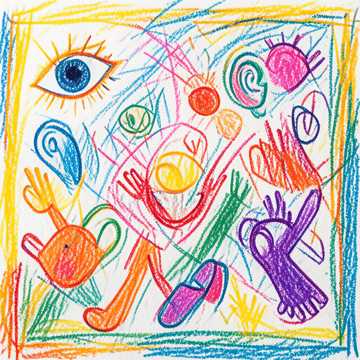
Body Parts Song turns anatomy learning into an energetic movement game. Children identify eyes, nose, ears, mouth, cheeks, arms, fingers, knees, and toes while blinking, clapping, stretching, wiggling, and waving. Its bright rhythm, repeated chorus, and call-and-response bridge encourage participation, coordination, memory, and joyful group singing.
01:17
Invalid date
Anggota Badan Manusia
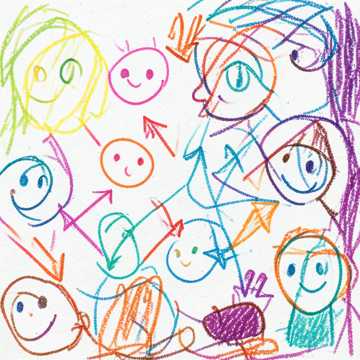
Lagu ceria ini mengajar kanak-kanak mengenali anggota badan melalui nyanyian, soal jawab dan gerakan. Korus yang mudah diingati memupuk keyakinan diri, kesedaran kesihatan, kebersihan tubuh dan kegembiraan bergerak bersama rakan.
03:07
6 days ago

Rock med Bjørnen
En livlig og tryg børnesang, hvor den lille bjørn, tigeren og vennerne hopper, klapper og tramper i takt. De tunge guitarer og punchy trommer gør legen modig og energisk, mens den blide outro skaber en varm overgang til sengetid.
00:45
6 days ago
What Is Movement Song? Definition, History, and Cultural Significance
Movement Song refers to music created, performed, or adopted to support a social, political, cultural, spiritual, or community movement. Unlike a category defined only by instrumentation or tempo, Movement Song is primarily identified by its purpose: expressing collective identity, communicating a message, inspiring solidarity, documenting struggle, or motivating people to participate in change. Movement songs may include protest songs, labor songs, civil rights anthems, liberation music, feminist songs, environmental songs, peace songs, and community chants. They can be folk, rock, hip-hop, reggae, gospel, punk, electronic, pop, or traditional music. The roots of Movement Song can be traced to oral traditions, work songs, spirituals, military songs, religious hymns, and communal chants. These forms used repetition, memorable melodies, and call-and-response structures so that large groups could sing together and preserve stories without written records. In the nineteenth and early twentieth centuries, labor unions and political organizations developed songs that expressed workplace solidarity and collective action. Folk music became especially important because it was inexpensive to perform and could quickly spread through communities. During the1950s and1960s, Movement Song became closely associated with the civil rights movement, anti-war activism, decolonization, and student movements. Gospel melodies, folk songwriting, and popular recording technology helped turn local songs into national and international anthems. In later decades, reggae, punk, hip-hop, African popular music, Latin music, and electronic music expanded the sound of Movement Song and introduced new forms of political storytelling. Today, Movement Song also circulates through streaming services, social media, short videos, independent releases, benefit concerts, and online activist campaigns. The defining qualities of Movement Song include accessible lyrics, emotional directness, strong rhythmic patterns, a memorable chorus, and a clear relationship to a community or cause. Some Movement Song works are written specifically for protest, while others acquire movement meaning when communities adopt them. Because social movements vary across cultures and historical periods, Movement Song is best understood as a functional and cultural classification rather than a single fixed musical genre.
Movement Song Sub-Tags and Classifications
Protest Song
Protest songs directly criticize injustice, war, censorship, discrimination, corruption, or government policy. They often use plain language, vivid images, irony, and repeated refrains to make a message easy to remember. Protest songs may be acoustic and intimate or loud and confrontational, depending on the audience and setting.
Civil Rights and Equality Song
This Movement Song classification focuses on racial equality, human rights, voting rights, freedom, and opposition to institutional discrimination. Many civil rights songs use gospel harmony, call-and-response singing, and uplifting choruses that transform personal hardship into collective strength.
Labor and Workers' Song
Labor songs represent workers, trade unions, strikes, migration, workplace safety, and economic justice. Their melodies are usually repetitive and easy to sing during marches or meetings. Lyrics may describe working conditions, solidarity between occupations, or the demand for fair treatment and wages.
Peace and Anti-War Song
Peace songs and anti-war songs oppose military violence, militarism, forced recruitment, and the human cost of conflict. They may use reflective ballad writing, mournful orchestration, or sharply satirical lyrics. This category includes both personal songs about wartime loss and public anthems calling for peace.
Liberation and Independence Song
Liberation songs are connected with national independence, anti-colonial movements, self-determination, and resistance to political domination. They often combine local musical traditions with modern popular styles, preserving cultural identity while creating a shared political voice.
Feminist and Gender-Equality Song
Feminist Movement Songs address gender discrimination, bodily autonomy, domestic violence, workplace inequality, reproductive rights, and representation. They frequently emphasize personal testimony and transform individual experiences into a broader call for social change.
Environmental and Climate Song
Environmental Movement Songs focus on conservation, climate change, pollution, land rights, animal protection, and ecological responsibility. They can be used in educational campaigns, benefit events, documentaries, and community actions, often combining emotional storytelling with a clear environmental message.
Anti-Apartheid and Anti-Racism Song
This classification includes songs opposing racial segregation, racist violence, and systems of exclusion. These works may draw from African musical traditions, gospel, reggae, jazz, and popular music. Their importance often extends beyond lyrics because recordings and performances can connect audiences across national borders.
Community Chant and Movement Anthem
Community chants and movement anthems are designed for group participation. They usually feature a short melodic range, repeated phrases, strong rhythm, and a chorus that can be learned quickly. These songs are common at rallies, marches, sporting events, fundraising events, and public ceremonies.
Socially Conscious Hip-Hop and Spoken-Word Song
Socially conscious hip-hop and spoken-word Movement Songs use rap flow, sampling, narrative detail, and direct commentary to discuss poverty, policing, racism, identity, housing, education, and political power. Their rhythmic flexibility allows artists to combine personal storytelling with social analysis.
Cultural Preservation and Identity Song
Some Movement Songs defend language, heritage, indigenous identity, migration communities, or threatened cultural practices. These works preserve historical memory through traditional instruments, regional melodies, multilingual lyrics, and references to ancestral experience.
Famous Movement Song Artists and Classic Movement Song Works
Woody Guthrie
Woody Guthrie is one of the most influential American folk and Movement Song artists. His songwriting addressed poverty, migration, workers' rights, inequality, and the lives of ordinary people. Songs such as "This Land Is Your Land" demonstrate how a simple folk melody can become a widely recognized statement about shared public life and economic fairness. Guthrie helped establish the modern singer-songwriter as a socially engaged storyteller.
This Land Is Your Land — Woody Guthrie
This folk classic uses a simple, highly repeatable melody and accessible verses to describe landscapes, roads, and ordinary people. Its musical simplicity makes it easy for a group to sing, while its lyrics raise questions about ownership, poverty, and access to shared resources. The work's innovation lies in turning an apparently familiar patriotic form into a more socially critical Movement Song.
Pete Seeger
Pete Seeger popularized community singing and helped bring labor, peace, civil rights, and environmental themes to broad audiences. His performances emphasized audience participation, banjo-based accompaniment, repetition, and call-and-response. His versions of "We Shall Overcome," "If I Had a Hammer," and "Where Have All the Flowers Gone?" illustrate how Movement Song can function simultaneously as performance, education, and collective action.
We Shall Overcome — Traditional, associated with Pete Seeger and the Civil Rights Movement
Built around a slow, steady melody and a repeated statement of hope, "We Shall Overcome" became an international civil rights anthem. Its structure allows singers to add verses, change pronouns, and adapt the wording to local circumstances. The song's musical innovation is not complexity but flexibility: a small melodic idea can create unity among thousands of participants.
Bob Dylan
Bob Dylan expanded the expressive and literary range of the modern protest song. His early acoustic works used dense imagery, historical references, and a questioning narrative voice to address war, racism, and social injustice. "Blowin' in the Wind" and "The Times They Are a-Changin'" became important examples of how a Movement Song can enter popular culture while retaining an open-ended, poetic message.
Blowin' in the Wind — Bob Dylan
This acoustic folk song uses a sequence of rhetorical questions about freedom, violence, and human responsibility. The restrained arrangement leaves the lyrics at the center, while the recurring chorus gives the song a strong communal quality. Its open-ended imagery allowed different movements and generations to interpret the work according to their own historical circumstances.
Nina Simone
Nina Simone combined classical piano technique, jazz, blues, gospel, and soul with an uncompromising commitment to civil rights. Her performances often transformed songs into dramatic statements through changes in tempo, vocal intensity, harmony, and phrasing. Works such as "Mississippi Goddam" and "To Be Young, Gifted and Black" show how Movement Song can be both musically sophisticated and politically direct.
A Change Is Gonna Come — Sam Cooke
Sam Cooke's soul ballad combines personal vulnerability with a wider message of racial hope and perseverance. Rich orchestration, gospel-influenced vocal phrasing, and a gradual emotional build give the song an anthemic scale. It helped demonstrate that Movement Song could operate within polished mainstream soul rather than only in folk or protest settings.
Joan Baez
Joan Baez played a major role in connecting folk performance with civil rights, anti-war activism, and human rights advocacy. Her clear vocal tone and unadorned guitar arrangements made her songs effective in both intimate concerts and large public demonstrations. Her interpretations of traditional and contemporary protest material helped preserve and spread the international Movement Song repertoire.
Mississippi Goddam — Nina Simone
Nina Simone's composition responds directly to racial violence and political inaction. Its rapid, theatrical piano accompaniment contrasts with the anger and gravity of the lyrics, creating a deliberately unsettling effect. The song rejects vague symbolism in favor of direct naming and confrontation, expanding the expressive possibilities of the civil rights Movement Song.
Victor Jara
Chilean singer-songwriter Victor Jara was a central figure in Nueva Canción, a Latin American movement that linked folk traditions with social justice, political participation, and cultural identity. His music combined acoustic instrumentation, regional rhythms, and narratives about workers and marginalized communities. Jara's work remains an important example of Movement Song shaped by both artistic innovation and political commitment.
Get Up, Stand Up — Bob Marley and The Wailers
Driven by a repeating reggae groove, syncopated guitar, and a commanding chorus, this work turns political resistance into a physically compelling listening experience. Its concise imperative language makes it suitable for live participation and public gatherings. The song's lasting influence comes from its ability to combine danceable rhythm with a clear demand for rights and dignity.
Fela Kuti
Fela Kuti developed Afrobeat into a powerful vehicle for criticizing corruption, military rule, colonial influence, and social inequality in Nigeria and beyond. His extended compositions used layered percussion, horn arrangements, hypnotic grooves, and repeated political slogans. By combining dance-oriented music with direct social commentary, he demonstrated that Movement Song can be rhythmically expansive and commercially influential.
Zombie — Fela Kuti
Fela Kuti's extended Afrobeat composition uses interlocking percussion, repeated horn figures, call-and-response vocals, and a cyclical groove to criticize military obedience and authoritarian power. Rather than relying on a short pop structure, it builds pressure through repetition and gradual accumulation. This approach makes the musical form itself feel collective, persistent, and resistant.
Bob Marley and The Wailers
Bob Marley and The Wailers brought reggae's themes of liberation, African identity, peace, and resistance to a global audience. Songs including "Get Up, Stand Up" and "Redemption Song" combine memorable melodies with messages about human dignity and political freedom. Their work helped establish reggae as an internationally recognized form of Movement Song.
Strange Fruit — Billie Holiday
This haunting song confronts the history of racist violence through stark metaphor and restrained, dramatic interpretation. Billie Holiday's phrasing, pauses, and emotional control make the performance feel intimate and accusatory at the same time. Its importance as a Movement Song comes from showing how a sparse vocal performance can force public attention onto a subject that society attempts to hide.
Public Enemy
Public Enemy transformed politically charged hip-hop through dense production, forceful rap delivery, sampling, and confrontational cultural commentary. Their music addressed racism, media power, policing, and Black identity. The group's work showed how sampling and studio production could create a modern protest sound with the urgency of a public broadcast.
Fight the Power — Public Enemy
The track combines aggressive rap delivery, dense sampling, funk-derived rhythm, and a memorable refrain to address structural racism and cultural power. Its layered production creates the feeling of information arriving from multiple sources at once. The work became an influential example of politically engaged hip-hop and demonstrated the effectiveness of Movement Song in film and urban popular culture.
Miriam Makeba
Miriam Makeba used African popular music, jazz, and international performance to draw attention to apartheid and racial injustice in South Africa. Her global career helped connect local political struggles with international audiences. She demonstrated how a Movement Song artist can use cross-cultural performance as a form of advocacy and cultural diplomacy.
Movement Song Application Scenarios and Practical Uses
Movement Song is often used in historical dramas, civil rights films, war documentaries, environmental films, and biographical productions. A carefully chosen Movement Song can establish a period, represent a community, connect a character to a cause, or intensify a scene of public action. Original Movement Song compositions are also useful when filmmakers need a message that matches the specific setting and narrative.
Movie Soundtracks and Documentary Films
Brands may use Movement Song techniques such as collective choruses, uplifting builds, handclaps, and socially positive lyrics in campaigns about sustainability, inclusion, public health, or community participation. Authenticity is essential: advertising music should not exploit the language of protest without demonstrating a credible relationship to the issue being presented.
Advertising and Brand Campaigns
Movement Song can serve as background music in games involving resistance, revolution, historical conflict, environmental recovery, or community building. Dynamic arrangements can change as players progress, moving from sparse vocals to a full group chorus when a movement gains momentum. In-game radio stations and character playlists can also use Movement Song to communicate world-building and political context.
Video Games and Interactive Media
Campaigns, rallies, marches, conventions, and public ceremonies frequently use Movement Song because its chorus can unify large crowds. Organizers may select an established anthem or commission a new work that reflects a specific platform. The most effective choices are easy to sing, emotionally clear, and appropriate for the audience's cultural context.
Political Campaigns and Public Events
At demonstrations and community meetings, Movement Song can help participants maintain energy, express shared values, and create a sense of belonging. Chants, call-and-response sections, and short repeated phrases are especially practical because they can be learned quickly without formal rehearsal.
Community Organizing and Demonstrations
Nonprofit organizations use Movement Song in fundraising videos, awareness campaigns, benefit concerts, educational programs, and social media content. A strong song can turn complex issues into an emotionally memorable story while encouraging listeners to donate, volunteer, vote, or share information.
Human Rights and Nonprofit Campaigns
Teachers can use Movement Song to examine how music reflects historical events, social identities, and political change. Comparing lyrics, arrangements, recordings, and performance contexts helps students understand oral history, censorship, media technology, cultural appropriation, and the relationship between art and activism.
Educational Programs and History Lessons
Although not every sports anthem is political, many use the same musical features as Movement Song: repetition, collective singing, strong rhythm, and a shared identity. Community teams and sporting organizations can adapt Movement Song techniques to celebrate solidarity, inclusion, local history, or charitable causes.
Sports Events and Team Anthems
Movement Song can support stage productions about historical change, migration, labor, identity, and political struggle. In theater and dance, the music may function as narration, a chorus representing the public, or a transition between private experience and collective action.
Theater, Dance, and Live Performance
Short, memorable Movement Songs are highly adaptable to videos, livestreams, podcasts, and social media posts. A repeated hook can become an audio signature for a campaign, while remixes and user-generated performances allow a message to travel across regions. Creators should consider copyright, consent, cultural context, and accurate representation when using existing songs.
Online Activism and Social Media