
Free ppongjjak Music Generator Powered by AI
Turn text into high-quality ppongjjak music effortlessly – no login required!

music.toolTips

커피 한 잔에
말다툼 뒤 먼저 건넨 커피 한 잔이 서운함과 고집을 녹이고, 다시 웃음과 사랑을 되찾게 한다. 소박한 부부의 화해를 경쾌한 트로트와 따뜻한 정서로 그린 노래다.
03:38
2 days ago

잔소리도 사랑이었네
귀찮게만 들렸던 부모의 안부가 사랑이었음을 뒤늦게 깨닫고, 자녀가 먼저 전화해 감사와 그리움을 전하는 노래다. 활기찬 두 박자와 주고받는 금관 선율이 뭉클한 고백을 축제처럼 따뜻하게 감싸며, 가족 모임이나 어버이날 무대에 어울린다.
04:03
2 days ago

우리 집 마당의 황금 대장
누렁이라는 노란 강아지가 마당을 지키며 가족을 기다리는 모습을 유쾌한 한국 트로트로 그린 노래다. 씩씩한 충성심과 소박한 나눔, 반려동물을 향한 따뜻한 애정이 반복적인 후렴과 흥겨운 뽕짝 리듬 속에 녹아 있다.
03:57
2 days ago

반딧불아 반딧불아
반딧불을 여름밤의 친구로 그리며, 엄마 손을 잡고 바라보던 어린 시절의 풍경과 소중한 순간을 노래한다. 경쾌한 트로트 리듬과 따뜻한 추억이 어우러져 누구나 함께 따라 부를 수 있는 곡이다.
03:56
2 days ago

울릉도 가는 뱃길
울릉도로 향하는 배 안에서 사랑과 여행의 설렘을 만끽하는 밝은 트로트입니다. 경쾌한 뽕짝 리듬, 브라스와 아코디언, 힘찬 남성 보컬이 바다의 낭만과 섬에 대한 그리움을 흥겨운 singalong 정서로 표현합니다.
04:23
2 days ago

설악산 단풍
설악산 단풍을 배경으로 사랑하는 사람과의 추억과 재회를 바라는 마음을 담은 밝고 따뜻한 트로트다. 경쾌한 뽕짝 리듬, 힘찬 브라스, 아코디언 선율이 그리움을 축제처럼 펼치며 함께 부르는 즐거움을 선사한다.
05:00
2 days ago
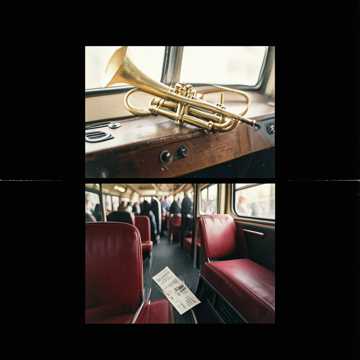
버스 안내양 오라이
새벽 첫차부터 종점까지 승객을 챙기는 버스 안내양의 활기찬 모습을 그린 노래입니다. 오라이 구호와 덜컹거리는 리듬 속에 서민들의 추억, 이웃 간의 정, 함께 살아가는 인생의 흥겨움이 담겨 있습니다.
03:06
2 days ago
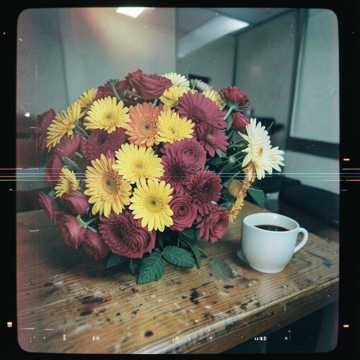
퇴임식 꽃다발
동료들의 박수 속에 꽃다발을 안은 퇴임자가 첫 출근부터 함께한 일상을 돌아보며 감사와 아쉬움을 전한다. 경쾌한 뽕짝 리듬과 힘찬 남성 보컬은 이별의 뭉클함을 새 인생을 향한 축하로 풀어낸다. 퇴임식, 송별회, 인생2막을 응원하는 자리에서 함께 부르기 좋다.
04:30
2 days ago
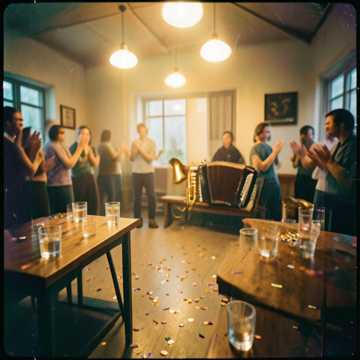
마을회관 웃음소리
해 질 무렵 마을회관에 모인 이웃들이 노래와 춤, 박수와 웃음으로 하루의 걱정을 내려놓고 한 식구가 되는 모습을 그린 밝은 트로트입니다. 세대와 성격을 넘어 서로의 정을 나누는 공동체의 따뜻함이 중심 정서입니다.
03:46
3 days ago

옆집 사람 참 좋아요
이웃 간의 소소한 인사와 따뜻한 나눔이 외로운 일상을 환하게 바꾼다는 내용을 담은 밝은 트로트입니다. 경쾌한 뽕짝 리듬과 브라스, 아코디언이 어우러져 누구나 함께 따라 부를 수 있는 정겨운 동네 축제 분위기를 만듭니다.
04:18
3 days ago

텅 빈 둥지
자녀가 독립한 뒤 찾아온 적막과 그리움을 부모의 자랑과 사랑으로 승화한 밝은 한국 트로트입니다. 경쾌한 퐁짝 리듬, 힘찬 브라스, 아코디언 선율이 이별의 쓸쓸함과 새로운 평온을 따뜻하고 흥겨운 노래로 풀어냅니다.
04:02
3 days ago

우리 고양이
사랑스러운 고양이와 보내는 평범하지만 특별한 오후를 경쾌한 한국 트로트로 그린 노래입니다. 통통 튀는 뽕짝 리듬과 밝은 브라스, 아코디언 선율이 고양이의 장난스러운 모습과 화자의 따뜻한 애정을 생생하게 표현하며, 누구나 쉽게 따라 부를 수 있는 singalong 분위기를 만듭니다.
03:55
3 days ago

내 강아지야
평생 곁을 지켜준 강아지와 함께 늙어가는 시간을 그린 따뜻한 트로트입니다. 경쾌한 뽕짝 리듬과 아코디언, 브라스가 밝은 분위기를 만들며, 가사는 반려동물과 나누는 충실함과 마지막까지 이어질 사랑을 진솔하게 노래합니다.
04:49
3 days ago
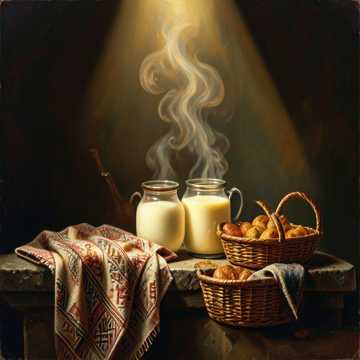
온천으로 가요
사랑하는 연인과 온천 마을로 떠나 따뜻한 물과 소박한 대화를 나누며 일상의 피로를 잊는 즐거운 여행을 그린 곡입니다. 흥겨운 뽕짝 리듬과 유쾌한 표현이 두 사람의 애정과 포근한 행복을 생생하게 전합니다.
03:56
3 days ago

해 지기 전 바닷가에
붉은 노을이 번지는 해변에서 연인과 함께 걷는 순간의 기쁨과 감사, 오래도록 간직할 사랑의 추억을 담은 밝은 전통 트로트입니다. 경쾌한 뽕짝 리듬과 아코디언, 브라스가 따뜻한 해변 풍경을 생생하게 살립니다.
04:18
3 days ago
느린 기차
느린 기차를 타고 일상의 속도에서 벗어나 논밭과 마을, 강과 산을 지나며 새로운 인연과 여유를 발견하는 노래입니다. 밝은 트로트 리듬과 브라스, 아코디언이 여행의 설렘과 따뜻한 추억을 생생하게 전합니다.
03:49
3 days ago

작은 기쁨
‘작은 기쁨’은 평범한 하루 속 따뜻한 밥, 이웃의 인사, 꽃 한 송이, 가족과 친구의 대화를 행복의 보물로 그린 밝은 한국 트로트다. 경쾌한 투박자 리듬과 아코디언, 브라스가 감사와 사랑의 정서를 흥겹게 전한다.
04:02
3 days ago

우리 장터 따뜻하다
고향 장터에서 오가는 인사와 덤, 음식과 웃음을 통해 이웃 간의 정과 공동체의 따뜻함을 노래한 밝고 흥겨운 한국 트로트입니다. 장터의 활기찬 풍경이 마음의 위로와 행복으로 이어집니다.
03:58
3 days ago
그 골목 내 고향
어린 시절 뛰놀던 골목과 친구들, 가족의 따뜻한 기억을 경쾌한 트로트로 되살린 곡입니다. 세월이 흘러도 마음속에 남은 고향을 다시 찾아가는 화자의 그리움과 위로가 밝고 정겨운 선율 속에 담겨 있습니다.
04:05
3 days ago
내 마음의 고향
깊은 밤 낡은 사진을 바라보며 떠나간 부모님을 그리워하는 마음을 그린 곡입니다. 경쾌한 뽕짝 리듬과 밝은 악기 편성이 슬픔을 따뜻한 감사와 다짐으로 바꾸며, 가족 모임과 고향을 떠올리는 순간에 깊은 울림을 전합니다.
04:32
3 days ago
Ppongjjak: Definition, History, and Cultural Meaning
Ppongjjak, written as 뽕짝 in Korean, is a lively Korean popular music style strongly associated with trot, repetitive dance rhythms, expressive singing, and memorable melodies. The word "ppongjjak" imitates the characteristic two-beat rhythmic pattern often heard in the music, creating a bouncing pulse that makes the style easy to recognize and dance to. Ppongjjak is commonly performed with a steady duple rhythm, melodic ornamentation, dramatic vocal phrasing, and lyrics about love, separation, family, hometowns, aging, and everyday life. Although the term can be used casually or humorously, Ppongjjak is closely connected to the broader Korean trot tradition and remains an important part of Korean popular music culture.
Ppongjjak Sub-Tags and Musical Classifications
Traditional Trot Ppongjjak
Traditional trot Ppongjjak emphasizes a steady two-beat or four-beat groove, short repeating melodic phrases, and expressive vocal bends. Songs in this category often use minor or modal harmonies and focus on themes such as lost love, longing, fate, and nostalgia. The arrangement may feature accordion, brass, strings, electric guitar, keyboard, and a clearly marked rhythm section. Traditional trot Ppongjjak is especially recognizable through its relaxed but persistent pulse and its balance between sadness in the lyrics and energy in the rhythm.
Dance Ppongjjak
Dance Ppongjjak places greater emphasis on movement, repetition, and a strong beat suitable for partner dancing or group celebrations. The tempo is often faster than that of sentimental trot, and arrangements may include prominent bass, electronic drums, synth lines, brass accents, and repeated instrumental hooks. Dance Ppongjjak is frequently heard at festivals, markets, family gatherings, senior community events, and karaoke venues because its rhythmic pattern is easy to follow.
Sentimental Ppongjjak Ballad
Sentimental Ppongjjak combines the rhythmic identity of trot with a slower tempo and a more dramatic vocal performance. The singer may use sustained notes, vibrato, slides, breathy phrasing, and sudden changes in intensity to express heartbreak or remembrance. These songs commonly address separation, a departed loved one, an old hometown, parents, or the passage of time. The backing arrangement may begin softly with piano or strings before expanding into a full orchestral or band sound.
Festival and Event Ppongjjak
Festival and event Ppongjjak is designed for immediate audience participation. It commonly includes a strong opening hook, repeated choruses, call-and-response sections, simple lyrics, and bright instrumental colors. This form works well for local festivals, public celebrations, election events, holiday programs, and variety-show performances. The music often prioritizes communal energy and sing-along appeal over complex harmonic development.
Electronic or Neo-Ppongjjak
Electronic Ppongjjak modernizes the familiar Ppongjjak rhythm with synthesizers, programmed percussion, digital bass, sampling, and production techniques drawn from dance-pop and electronic music. Some artists retain traditional trot vocal ornaments while placing them over club-oriented beats. Neo-Ppongjjak can also include rap passages, distorted effects, exaggerated transitions, and humorous sound design, making it suitable for internet videos, comedy performances, and contemporary crossover releases.
Karaoke and Social Ppongjjak
Karaoke and social Ppongjjak refers to songs that are especially effective in communal singing settings. These works usually have clear melodies, predictable verse-and-chorus structures, memorable titles, and emotional lyrics that listeners can quickly understand. The category is less about a strict musical theory and more about function: Ppongjjak becomes a shared activity through singing, dancing, requests, and audience interaction.
Traditional Fusion Ppongjjak
Traditional fusion Ppongjjak combines the familiar trot groove with elements of Korean traditional music, including pansori-style vocal expression, folk percussion, pentatonic melodic gestures, or instruments such as the janggu and taepyeongso. This approach highlights the relationship between Ppongjjak and older Korean performance traditions while giving the music a distinctive national and regional character.
Famous Ppongjjak Artists and Classic Works
Lee Mi-ja
Lee Mi-ja is one of the most important singers in the history of Korean trot and Ppongjjak. Her representative song "Camellia Lady" is known for its sorrowful melody, controlled vocal delivery, and powerful sense of longing. Lee Mi-ja helped establish the emotional depth of modern Korean popular song and demonstrated how a simple rhythmic framework could support highly expressive storytelling. Her recordings remain important references for singers studying classic Ppongjjak phrasing and vocal ornamentation.
Camellia Lady by Lee Mi-ja
Often cited as one of the defining songs of Korean trot, "Camellia Lady" uses a measured rhythm, a plaintive melodic contour, and emotionally restrained vocal delivery to create a strong atmosphere of loss and remembrance. The song's effectiveness comes from its simplicity: the melody is easy to remember, but subtle slides, vibrato, and changes in vocal pressure give the performance emotional complexity. Its enduring popularity illustrates how Ppongjjak can transform a compact popular-song structure into a vehicle for collective nostalgia.
Nam Jin
Nam Jin became a major figure in the development of upbeat and performance-oriented Korean trot. His representative works include "With You" and "If I Have You." His confident stage presence, clear rhythm, and accessible melodies helped bring dance-oriented Ppongjjak to a broad audience. Nam Jin also contributed to the popular image of the trot singer as an entertainer whose performance includes gesture, movement, audience interaction, and strong visual identity.
With You by Nam Jin
"With You" represents the bright, romantic, and performance-oriented side of Ppongjjak. Its steady pulse and direct melodic phrases make it immediately accessible, while its repeated hook supports dancing and audience participation. The work helped demonstrate that trot did not have to rely only on tragic themes; Ppongjjak could also communicate excitement, affection, and youthful confidence. Its stage-friendly structure influenced later event songs and broadcast performances.
Na Hoon-a
Na Hoon-a is widely recognized for his distinctive voice, dramatic interpretation, and enduring influence on Korean trot. Songs such as "Mugunghwa" and "Tears of Mokpo" are associated with emotionally direct lyrics and memorable melodic lines. His performances show how Ppongjjak can combine a steady dance pulse with vocal intensity, regional sentiment, and themes of pride, longing, and personal resilience. Na Hoon-a has also influenced generations of singers through his songwriting and stage style.
Mugunghwa by Na Hoon-a
"Mugunghwa" combines a memorable trot rhythm with imagery connected to Korean identity and emotional endurance. The song's vocal line gives the singer room to use expressive bends, sustained notes, and dramatic emphasis. Its innovation is not based on complex harmony but on the way it uses familiar Ppongjjak conventions to create a large emotional and cultural image. The result is a song that works both as personal expression and as a communal performance.
Tae Jin-ah
Tae Jin-ah is a prominent modern trot singer whose music has helped maintain Ppongjjak's visibility in television, concerts, and popular entertainment. His representative songs include "The Man in the Rain" and "Love Is Not a Joke." His repertoire often uses clear hooks, direct emotional language, and arrangements designed for audience participation. Tae Jin-ah has contributed to the continuity of Ppongjjak by connecting classic trot techniques with contemporary broadcast and performance formats.
Four Seasons by Song Dae-kwan
"Four Seasons" presents Ppongjjak as a bright and communal form of entertainment. Its repeating rhythmic pattern, clear chorus, and optimistic subject matter make it particularly suitable for social dancing and sing-along performances. The song demonstrates the importance of immediacy in Ppongjjak: listeners can understand the mood quickly, join the chorus easily, and respond physically to the beat. Its accessible arrangement helped reinforce the genre's role in celebrations and public events.
Song Dae-kwan
Song Dae-kwan is known for energetic performances and highly accessible trot songs. His representative work "Four Seasons" uses a bright, memorable melody and a steady rhythm that makes it effective for group singing and social dancing. His contribution lies in making Ppongjjak feel celebratory and approachable, showing that the genre can express optimism, humor, and everyday vitality as well as sadness.
Eomeona! by Jang Yoon-jeong
"Eomeona!" helped introduce a younger, more playful image of trot to a wide audience. The song combines a buoyant Ppongjjak rhythm with a highly recognizable exclamation, a compact pop structure, and a performance style suited to television and dance. Its innovation lies in its ability to preserve trot's vocal ornaments and rhythmic identity while using modern arrangement, concise hooks, and a youthful presentation. It became an important example of how Ppongjjak could be refreshed without losing its traditional character.
Jang Yoon-jeong
Jang Yoon-jeong played a major role in the renewed popularity of trot among younger audiences in the2000s. Her representative song "Eomeona!" uses a catchy refrain, lively rhythm, and playful vocal delivery. By combining the recognizable pulse of Ppongjjak with modern production and a youthful performance image, she helped reduce the distance between traditional trot and mainstream contemporary pop. Her success encouraged new generations of trot singers and expanded the genre's media presence.
Love Battery by Hong Jin-young
"Love Battery" uses the metaphor of a rechargeable battery to present romantic emotion in a humorous and contemporary way. The song's energetic beat, repeated title phrase, and electronic arrangement make it especially effective in live performance and karaoke. At the same time, the singer's characteristic trot inflections preserve the genre's connection to classic Ppongjjak. The work illustrates the potential of modern Ppongjjak to combine playful lyrics, digital production, and traditional vocal technique.
Hong Jin-young
Hong Jin-young is associated with modern, upbeat trot that frequently incorporates electronic production, dance performance, and highly memorable choruses. Her representative works include "Love Battery" and "Like a Man." She helped popularize a polished form of contemporary Ppongjjak that works across television, concerts, karaoke, and digital platforms. Her music demonstrates how traditional trot vocal inflections can remain effective within modern pop arrangements.
Ppongjjak Music Application Scenarios
Ppongjjak can establish a specific time period, location, or social atmosphere in a film or television drama. A classic-sounding Ppongjjak track can evoke postwar Korea, an older neighborhood, a family gathering, a roadside restaurant, or memories of a hometown. A sentimental Ppongjjak song can underline scenes about separation, aging parents, migration, or reconciliation, while an upbeat track can energize a comedic montage or celebratory sequence.
Movie and Television Soundtracks
The repetitive rhythm and instantly recognizable hooks of Ppongjjak make it effective for advertising jingles. Brands can use Ppongjjak to communicate familiarity, humor, warmth, local identity, and broad audience appeal. A short Ppongjjak chorus can make a product name easy to remember, especially in campaigns for food, traditional markets, tourism, household services, community businesses, and products aimed at family audiences.
Advertising and Brand Campaigns
Ppongjjak can provide distinctive background music for games featuring Korean settings, markets, festivals, farming villages, karaoke scenes, or humorous characters. A fast electronic Ppongjjak track can support mini-games, rhythm stages, racing sections, and comic boss encounters. Because the groove is repetitive and energetic, it can maintain momentum without requiring a constantly changing harmonic structure.
Video Games and Mobile Games
Local governments and tourism organizations can use Ppongjjak to create a strong sense of place and encourage audience participation. Live Ppongjjak performances work well at regional festivals, traditional markets, food events, holiday celebrations, and cultural heritage programs. The music can be paired with dance demonstrations, sing-along segments, and introductions to the history of Korean popular music.
Korean Cultural Festivals and Tourism Events
Ppongjjak is especially suitable for karaoke rooms, senior centers, family reunions, neighborhood parties, and social dance halls. Its familiar melodies and emotional directness allow participants of different musical backgrounds to sing along quickly. The steady rhythm also supports simple partner dances and group movement, turning listening into a shared social activity.
Karaoke, Community Gatherings, and Social Dancing
The exaggerated rhythm and recognizable vocal style of Ppongjjak can create immediate comic or celebratory effects in variety programs, online sketches, short-form videos, and livestreams. Producers may use a Ppongjjak cue when introducing an eccentric character, revealing an unexpected twist, celebrating a minor victory, or parodying an old-fashioned performance. Electronic Ppongjjak remixes are particularly useful for short videos because they deliver a strong mood within only a few seconds.
Comedy, Variety Shows, and Internet Videos
Ppongjjak can add cultural context to documentaries about Korean modernization, migration, industrialization, family life, regional identity, and the development of mass media. Period-appropriate recordings can reinforce historical authenticity, while newly produced Ppongjjak-inspired music can connect past experiences with present-day interpretation. The genre's themes of memory and everyday resilience make it valuable for emotionally grounded storytelling.
Documentaries and Historical Content
Modern producers can sample the Ppongjjak beat, adapt its vocal ornaments, or combine its melodies with hip-hop, electronic dance music, rock, and K-pop. This approach creates a recognizable Korean reference while allowing experimentation with sound design, rhythm, and performance. Such cross-genre use can introduce Ppongjjak to younger listeners and demonstrate that the style remains adaptable rather than limited to historical or nostalgic settings.
Contemporary Pop and Cross-Genre Production