
Free pulse bass Music Generator Powered by AI
Turn text into high-quality pulse bass music effortlessly – no login required!

music.toolTips

Pixel Heart Parade
Candy-bright square waves and crisp drums carry a playful motif toward a soaring, octave-stacked chorus. Glitch pops and coin-like chimes add arcade charm, while an emotional edge lends warmth to its lively energy. It suits game scenes, energetic streams, and playful creative projects.
02:43
3 days ago
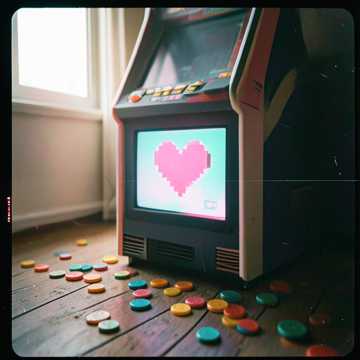
Pixel Heart Parade
A catchy mid-tempo chiptune instrumental that turns pixelated nostalgia into an emotional parade. Bright lead harmonies, bouncing arpeggios, playful glitches, and a lonely bridge build toward a joyful final reprise with lifted energy.
03:10
3 days ago
Pulse Bass: Definition, Characteristics, and Musical History
Pulse Bass is a music production style and sound-design category centered on rhythmic low-frequency movement. It combines a strong, repeating bass pulse with electronic kick patterns, sequenced synths, sidechain compression, modulation, and carefully controlled sub-bass energy. The term Pulse Bass is often used as a descriptive tag rather than as a strictly defined historical genre, so it can appear in electronic music, cinematic sound design, trailer music, synthwave, electro, techno, drum and bass, hip-hop production, and game audio. A typical Pulse Bass track uses a bass sound that feels physical and rhythmic rather than static: the low end may throb in eighth notes, follow a syncopated groove, or swell and contract through filter, amplitude, and distortion automation. The roots of Pulse Bass can be traced to early electronic sequencing and analog synthesizers of the1970s, when artists began using step sequencers to create repeating bass patterns. Krautrock, electronic disco, electro, and early synth-pop established the importance of repetitive synthesizer basslines. During the1980s, drum machines, analog bass synthesizers, and gated production helped create highly recognizable pulsing low-end textures. In the1990s and2000s, techno, big beat, industrial electronic music, French electro, and modern sound design expanded the vocabulary of Pulse Bass through distortion, sidechain pumping, layered sub frequencies, and aggressive rhythmic editing. Contemporary Pulse Bass production commonly uses wavetable synthesizers, modular sequencing, multiband processing, saturation, transient shaping, and automation to create bass that is both powerful and clearly articulated on headphones, club systems, television speakers, and mobile devices.
Pulse Bass Sub-Tags and Classifications
Analog Pulse Bass
Analog Pulse Bass uses synthesizers modeled on classic oscillators, filters, envelopes, and sequencers. Sawtooth and square waves are frequently combined with a resonant low-pass filter to create a warm, rounded, and repeating bass movement. Subtle oscillator detuning, filter modulation, and envelope variation give the sound a human or hardware-like character. This classification is suitable for retro electronic music, synthwave, electro, disco-inspired tracks, and cinematic sequences that need a vintage but energetic low-frequency pulse.
Sub Pulse Bass
Sub Pulse Bass focuses on clean, deep frequencies below the main bass layer. It usually relies on sine waves, triangle waves, or carefully filtered synthesizer tones that follow the kick drum or primary rhythmic pattern. The defining priority is clarity and controlled physical impact rather than distortion. Producers often use sidechain compression, mono-compatible processing, and harmonic enhancement so the Sub Pulse Bass remains audible on smaller speakers while still delivering depth on headphones, club systems, and subwoofers.
Distorted Pulse Bass
Distorted Pulse Bass adds saturation, clipping, wavefolding, bit reduction, or amp-style processing to a repeating bass pattern. Distortion creates upper harmonics that make the bass more aggressive and easier to hear on limited playback systems. This classification is common in electro, industrial music, trailer music, action-game soundtracks, and modern bass music. A well-designed Distorted Pulse Bass normally separates the clean sub layer from the distorted mid-bass layer so that intensity does not become uncontrolled low-frequency noise.
Sidechain Pulse Bass
Sidechain Pulse Bass is shaped around rhythmic volume ducking, most often triggered by the kick drum. Each kick briefly reduces the bass volume, creating a breathing or pumping effect that emphasizes the beat and prevents kick-and-bass frequency masking. The effect can be subtle for dance-pop and house music or exaggerated for cinematic electronic music and festival-oriented production. Attack, release, ratio, and sidechain filtering determine whether the Pulse Bass feels tight, smooth, dramatic, or highly rhythmic.
Sequenced Electro Pulse Bass
Sequenced Electro Pulse Bass is built from short, repeating bass notes arranged with a step sequencer or piano-roll pattern. Syncopation, rests, octave jumps, accents, and filter-envelope changes create forward motion without requiring a complex melody. This form is strongly associated with electro, techno, synth-pop, and retro-futuristic production. The bassline often works as both a harmonic foundation and a central rhythmic hook, making it effective in tracks that need momentum and mechanical precision.
Cinematic Pulse Bass
Cinematic Pulse Bass uses low-frequency repetition to build tension, urgency, scale, or anticipation. Instead of functioning only as a dance groove, the bass pulse may gradually increase in speed, intensity, distortion, or stereo layering over a scene. It is frequently combined with risers, impacts, drones, orchestral percussion, and dark synthesizer textures. Cinematic Pulse Bass is especially useful for trailers, science-fiction sequences, action scenes, technology branding, and suspenseful transitions.
Retro Synthwave Pulse Bass
Retro Synthwave Pulse Bass draws on1980s electronic instruments and production aesthetics. It often combines a steady eighth-note or sixteenth-note sequence with chorus-treated synthesizers, gated drums, analog-style filter movement, and nostalgic chord progressions. The sound may be smooth and melodic or heavily driven and aggressive. This Pulse Bass classification is effective for retro-futuristic visuals, neon-themed media, driving scenes, game menus, and fashion or technology advertising.
Minimal and Atmospheric Pulse Bass
Minimal and Atmospheric Pulse Bass uses a restrained low-frequency pattern as a subtle source of movement. The pulse may be soft, filtered, sparse, or partially hidden beneath pads and environmental textures. Instead of dominating the mix, it creates continuity and a sense of controlled tension. This approach is suitable for documentary underscore, ambient electronic music, product films, podcasts, title sequences, and scenes that require energy without an overt dance beat.
Famous Artists and Representative Works Related to Pulse Bass
Kraftwerk
Kraftwerk helped establish the artistic importance of repetitive electronic bass patterns, sequenced rhythms, and machine-like musical structure. Tracks such as "The Robots," "Numbers," and "Tour de France" demonstrate how a simple repeating electronic figure can become the central identity of a composition. Although Pulse Bass is a modern production tag rather than a formal Kraftwerk genre label, their precise sequencing and synthetic low-end vocabulary strongly influenced later electro, techno, synth-pop, and cinematic bass production.
Donna Summer – "I Feel Love"
Produced by Giorgio Moroder and Pete Bellotte, "I Feel Love" is a landmark example of a repetitive sequenced synthesizer foundation supporting a complete pop arrangement. Its electronic bass pattern maintains a steady, propulsive pulse while the vocal and arrangement provide contrast above it. The track's innovation lies in treating the synthesizer sequence as a continuously moving rhythmic engine rather than a decorative backing part. This makes it an important historical reference for Pulse Bass, electronic disco, techno, synth-pop, and modern dance production.
Giorgio Moroder
Giorgio Moroder made sequenced synthesizer bass and motorik electronic rhythm accessible to disco, pop, and film audiences. His work on Donna Summer's "I Feel Love" is especially important because its repeating synthesizer pattern creates continuous propulsion beneath the vocal. Moroder's production approach demonstrated that a pulsing electronic bassline could be both hypnotic and commercially powerful, making him a major influence on modern Pulse Bass, synthwave, dance music, and soundtrack composition.
Kraftwerk – "The Robots"
"The Robots" uses repetition, programmed rhythm, vocoder processing, and synthetic bass movement to create a deliberately mechanical sound world. Its restrained harmonic language allows the pulse and timbral details to carry the composition. The piece demonstrates how Pulse Bass can communicate an idea or visual concept through texture and rhythmic regularity, making it especially relevant to technology, robotics, science-fiction, and industrial media.
Juan Atkins
As a key figure in Detroit techno, Juan Atkins developed futuristic electronic music built on sequencers, drum machines, and repeating bass motifs. Releases associated with Model500, including "No UFO's," illustrate how a compact bass pulse can create an expansive, machine-oriented atmosphere. His work contributed to the development of electro and techno production techniques that remain central to Pulse Bass, especially programmed repetition, minimal harmonic movement, and futuristic sound design.
Model500 – "No UFO's"
"No UFO's" is an influential Detroit techno recording built around drum-machine precision, spacious electronic textures, and repeating bass-oriented motifs. The track shows how a limited number of musical elements can create strong forward motion when their timing, tone, and repetition are carefully controlled. Its minimalist approach is a useful model for Sequenced Electro Pulse Bass, where small changes in accents, filters, and rhythmic placement generate development.
The Chemical Brothers
The Chemical Brothers brought heavily processed bass, distorted electronic grooves, and powerful loop-based arrangements into mainstream alternative dance music. Works such as "Block Rockin' Beats" and "Galvanize" show how bass repetition can be combined with breakbeats, sampling, filtering, and dramatic arrangement changes. Their aggressive low-end production is relevant to Pulse Bass in advertising, sports programming, action trailers, and high-energy audiovisual media.
The Chemical Brothers – "Block Rockin' Beats"
"Block Rockin' Beats" combines a forceful bass figure with breakbeat energy, sampled textures, and aggressive arrangement techniques. The contrast between the low-end hook and the hard-edged percussion gives the track a physical, high-impact character. It demonstrates how Pulse Bass can be layered with rhythmic distortion and manipulated samples to create excitement for sports edits, action trailers, live-event visuals, and fast-paced advertising.
Gesaffelstein
Gesaffelstein is known for dark, tightly controlled electronic production that combines industrial textures, rigid drum programming, and forceful bass sequences. Tracks such as "Pursuit" and "Hate or Glory" demonstrate the impact of restrained arrangements, saturated synth bass, and stark rhythmic repetition. His work helped popularize a severe, cinematic form of Pulse Bass that is often used as a reference for fashion films, technology campaigns, thrillers, and contemporary electronic scoring.
Gesaffelstein – "Pursuit"
"Pursuit" uses dark synth timbres, a rigid pulse, controlled distortion, and a deliberately sparse mix. The repeated bass movement creates tension without relying on a dense melodic arrangement. Its innovation is primarily in sound selection and restraint: the low end feels heavy because each element has a defined role and substantial space around it. The track is a strong reference for Cinematic Pulse Bass, industrial electronic music, suspense, and fashion-oriented audiovisual work.
Kavinsky
Kavinsky helped bring retro-futuristic synthwave aesthetics to a broad audience. "Nightcall" uses a measured electronic bass foundation, gated textures, and nocturnal cinematic atmosphere, while other material explores more driving synth-based grooves. His music illustrates how Pulse Bass can support a strong visual identity, particularly in night-driving scenes, retro action sequences, gaming content, and neon-themed advertising.
Kavinsky – "Nightcall"
"Nightcall" presents a slower, atmospheric interpretation of Pulse Bass. Its electronic low end supports a nocturnal mood while retro synthesizers, vocal processing, and spacious production create a strong cinematic identity. Rather than using the bass only for club energy, the track uses pulse and repetition to suggest motion, isolation, and late-night driving. This makes it a useful reference for Retro Synthwave Pulse Bass and visual storytelling.
Rezz
Rezz has developed a recognizable style based on hypnotic repetition, dark mid-bass sound design, slow-to-moderate tempos, and heavily modulated electronic textures. Tracks such as "Edge" and "Relax" show how a pulse-oriented bass concept can be made ominous and immersive through modulation, saturation, and spacious arrangement. Her approach is relevant to modern bass music and demonstrates the use of Pulse Bass as a mood-building tool rather than only a traditional dance groove.
Pulse Bass Application Scenarios
Pulse Bass can underscore chase scenes, science-fiction environments, crime dramas, technological interfaces, dystopian worlds, and suspenseful reveals. A low, repeating bass pattern can increase tension without competing with dialogue, while a gradually intensifying pulse can support an edit that moves toward a major visual or narrative event. Cinematic Pulse Bass is often layered with drones, impacts, orchestral percussion, and sound-design effects.
Movie and Television Soundtracks
Trailer editors can use Pulse Bass to establish a rhythmic foundation beneath title cards, action montages, and quick-cut sequences. The bass pulse can be automated to become faster, louder, or more distorted as the trailer approaches its climax. Short bass hits and sub drops can also be synchronized with logo reveals and cut points, giving the trailer a strong sense of scale and impact.
Film and Game Trailers
Pulse Bass is effective in racing games, cyberpunk adventures, boss battles, rhythm games, futuristic menus, and stealth environments. A loopable bass sequence can maintain energy while leaving room for gameplay sound effects and dialogue. Adaptive game audio systems can change the filter, distortion, note density, or sidechain intensity of the Pulse Bass when the player enters combat, accelerates, reaches a new area, or completes an objective.
Video Game Background Music
Brands in automotive, sportswear, consumer electronics, telecommunications, and energy technology can use Pulse Bass to suggest speed, precision, power, and innovation. A clean Sub Pulse Bass works well for premium product films, while Distorted Pulse Bass can support extreme sports and performance-oriented campaigns. The predictable rhythm also helps editors synchronize product close-ups, typography, transitions, and logo animations.
Advertising and Brand Films
A strong Pulse Bass groove can give sports packages, arena introductions, esports broadcasts, and competition highlights an immediate sense of momentum. Short rhythmic bass phrases are easy to edit around and can be combined with crowd sounds, impacts, claps, and risers. Sidechain Pulse Bass is particularly useful when the production needs a clear beat that remains powerful under commentary and sound effects.
Sports Broadcasts and Event Openings
Dark or minimalist Pulse Bass can create a modern, premium, and industrial atmosphere for runway shows, fashion films, product launches, and design presentations. Sparse bass pulses leave room for visual pacing and spoken branding while still providing movement. Distorted or filtered bass can reinforce avant-garde imagery, metallic materials, urban locations, and high-contrast editing.
Fashion Shows and Promotional Videos
A restrained Atmospheric Pulse Bass layer can add continuity to technology podcasts, investigative documentaries, news explainers, and online video essays. The bass should remain controlled and avoid masking speech, typically using a filtered or sidechained arrangement. Short Pulse Bass stings can also be used for segment transitions, title cards, and recurring program branding.
Podcasts, Documentaries, and Digital Content
In clubs and live electronic performances, Pulse Bass provides a reliable foundation for transitions, builds, drops, and extended grooves. Producers can manipulate filter cutoff, resonance, distortion, pitch, and rhythmic gating in real time to create tension. Because low-frequency energy can quickly become overwhelming in a venue, live Pulse Bass benefits from careful mono compatibility, headroom, phase control, and separation between kick and sub-bass.
Live Performances and DJ Sets
A slow and subtle Pulse Bass can be used in immersive art, wellness applications, ambient installations, and spatial audio experiences. Gentle repetition gives listeners a sense of continuity, while gradual modulation can create a feeling of breathing or environmental motion. In these settings, the Pulse Bass should generally be softer, less distorted, and carefully balanced so that it supports immersion rather than creating fatigue.
Meditative, Ambient, and Immersive Installations