
Free sparse strings Music Generator Powered by AI
Turn text into high-quality sparse strings music effortlessly – no login required!

music.toolTips

We Keep Your Name
A sorrowful yet comforting memorial song in which everyday memories, inherited kindness, and shared stories keep a departed loved one present. Its intimate vocal delivery and slow, spacious arrangement gradually swell into a tender affirmation that love survives, even as life moves forward.
04:10
Invalid date
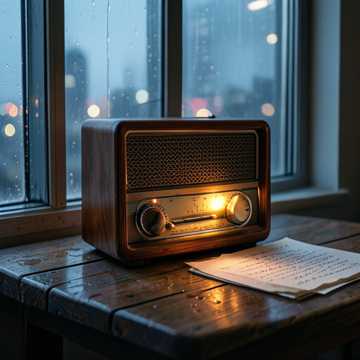
沙沙之聲v3
歌曲以老收音機為情感核心,串起童年記憶、異地生活與家人無聲的守候。從獨自聆聽到決心回家,沙沙電波逐漸化為親情、思念與團聚的溫暖回聲。
03:29
4 days ago

Chamber Pulse Drift
An instrumental journey through sparse strings, reverberant drones, sub-bass pulses, staggered percussion, and cinematic impact points. The track moves from intimate chamber-like tension into a spacious middle passage, then resolves with layered orchestral weight, boom-bap rhythm, and rotating electronic accents.
03:40
5 days ago

같은 하늘, 다른 날개
같은 사랑을 품고도 서로 다른 높이에서 살아가는 두 날개의 이야기다. 상처 입은 존재를 위해 속도를 늦추고 곁을 지키는 마음을 통해, 사랑은 완벽한 비행이 아니라 서로의 아픔을 알아보고 끝내 같은 하늘로 나아가는 동행임을 노래한다.
03:56
6 days ago
Sparse Strings: Definition, Sound, and Development
Sparse Strings describes music in which string instruments are used with restraint: a few exposed notes, widely spaced phrases, sustained tones, or small ensembles take the place of a dense orchestral texture. The effect depends on space as much as sound. Bowed strings may carry a quiet melody over silence, a lone cello may mark slow pulses, or a small group may sustain harmonics that leave room for natural resonance. Sparse Strings is a descriptive tag rather than a single historically fixed genre, so its sound can range from classical chamber music to contemporary film scoring, ambient composition, and minimalist music. Its roots include the exposed textures of chamber and solo string repertoire, while later developments in minimalism and modern recording made repetition, silence, subtle changes in timbre, and close-miked instrumental detail central compositional tools. Today, Sparse Strings often refers to intimate, restrained arrangements used to create tension, reflection, melancholy, or a sense of scale without overwhelming the listener.
Sparse Strings Sub-Tags and Classifications
Solo String
Music built around one exposed string instrument, commonly violin, viola, cello, or double bass. With little or no accompaniment, each note and pause is prominent. Solo-string Sparse Strings arrangements are well suited to intimate melodies, reflective passages, and emotionally direct soundtrack cues.
Sparse Chamber Strings
A small ensemble, such as a string quartet or trio, performs with widely spaced parts and limited doubling. Rather than creating a full orchestral wall of sound, the instruments answer one another, sustain open intervals, or enter gradually. This classification emphasizes interplay, detail, and the natural resonance of a compact ensemble.
Minimalist Sparse Strings
A restrained string texture is shaped through repetition, gradual shifts, and small changes in rhythm, harmony, or register. A short motif may recur while individual parts slowly move in and out of alignment. The music can feel meditative or quietly propulsive without relying on dramatic orchestral buildup.
Ambient Sparse Strings
Long tones, soft dynamics, slow movement, and generous space define this atmospheric form of Sparse Strings. Reverb and sustained bowing may extend the impression of each note, while melody remains secondary to mood and texture. It is often used for contemplative listening and understated visual media.
Cinematic Sparse Strings
Film and television cues use a limited number of string lines to direct attention without dominating a scene. A repeating cello figure, a high sustained note, or a brief violin phrase can suggest unease, grief, anticipation, or tenderness. Silence and gradual entrances are often as important as the notes themselves.
Prepared and Extended-Technique Strings
This experimental classification uses unconventional playing methods, such as harmonics, sul ponticello bowing, muted tones, or prepared instruments, to create unusual colors at low density. Sparse arrangements make these fragile or unfamiliar sounds easier to hear and can give a composition a sense of tension or otherworldliness.
Artists and Classic Works Associated with Sparse Strings
Arvo Pärt
The Estonian composer developed tintinnabuli, a spare musical language in which simple melodic motion is balanced by carefully placed notes from a triad. Works such as Fratres and Spiegel im Spiegel demonstrate how a small number of string lines can create a focused, resonant atmosphere. His approach is influential in contemplative classical music and restrained screen scoring.
Arvo Pärt, Spiegel im Spiegel
Written for violin and piano, Spiegel im Spiegel pairs a slowly unfolding violin melody with evenly spaced piano notes. The limited materials make pauses, register, and harmonic resonance unusually prominent. Its clear, unhurried design is a widely recognized example of sparse writing that feels emotionally expressive without relying on dense orchestration.
John Cage
Cage expanded the possibilities of string sound through chance procedures, silence, and unconventional techniques. In String Quartet in Four Parts, sustained tones and carefully limited materials create a distinctive, spacious ensemble texture. His work helped broaden what sparse string composition could include beyond traditional melody and harmony.
Arvo Pärt, Fratres
Fratres is built from recurring material and a distinctive interplay between melodic lines and resonant chord tones. Its instrumentation varies across versions, including arrangements for violin and strings. The music grows through changes in register, emphasis, and intensity rather than through a constant increase in the number of notes, illustrating how Sparse Strings can balance repetition with gradual development.
Morton Feldman
Feldman is known for quiet dynamics, long durations, and delicate, widely spaced instrumental events. His compositions often ask listeners to attend closely to small changes in timbre and register rather than expect conventional dramatic development. This sensitivity to time and silence is closely associated with the aesthetic of Sparse Strings.
John Cage, String Quartet in Four Parts
Cage's quartet uses a restrained vocabulary and sustained sonorities to create a calm, unusual chamber texture. Rather than foregrounding conventional thematic development, the work directs attention to the qualities of individual tones and the way they coexist. Its approach to duration, quietness, and limited material remains influential for sparse contemporary string writing.
Max Richter
Richter combines contemporary classical writing with minimalist repetition and film-score sensibility. On albums such as The Blue Notebooks, restrained string passages and recurring motifs support an intimate, reflective mood. His work has helped bring sparse, emotionally direct string music to a broad audience.
Max Richter, On the Nature of Daylight
This composition layers repeating string phrases into a gradually intensifying ensemble texture. The motif is simple, but changes in register, dynamics, and accumulation give it a strong emotional arc. It is frequently used in film and television, demonstrating how Sparse Strings can begin with intimacy and gain weight without abandoning its measured pace.
Hildur Guðnadóttir
Composer and cellist Hildur Guðnadóttir uses the cello, layered string textures, and subtle electronic processing to create close, tactile sound worlds. Her soundtrack work demonstrates how a small, carefully shaped palette can sustain atmosphere and narrative tension without a conventional orchestral sweep.
Gavin Bryars, The Sinking of the Titanic
Bryars's work develops from a fragment of a hymn associated with the Titanic's band, treating it as material for a long, slowly changing sound environment. In versions featuring strings, repetition and sustained tones blur the boundary between melody and atmosphere. The piece illustrates how Sparse Strings can suggest memory, distance, and historical reflection.
Gavin Bryars
Bryars uses repetition, gradual change, and restrained ensemble writing in works including The Sinking of the Titanic. His music shows how sparse instrumental material can unfold over extended time, allowing resonance and subtle shifts to carry much of the expressive weight.
Application Scenarios for Sparse Strings Music
Sparse Strings can support scenes of grief, uncertainty, solitude, or quiet discovery without competing with dialogue. A lone cello note, a restrained string motif, or a slow entrance from a small ensemble can guide the audience's emotional response while preserving a sense of realism and space.
Film and television soundtracks
A few carefully chosen string phrases can give a brand film an intimate, thoughtful, or premium tone. Sparse arrangements leave room for narration and product sound, while a gradual melodic build can underline a change in perspective or a final visual reveal.
Advertising and brand films
Sparse string cues work well in exploration, puzzle, and narrative games where constant music could distract from play. A quiet repeating figure can sustain tension in an empty environment, while subtle changes in harmony or instrumentation can respond to the player's progress.
Video games
Sparse Strings can add emotional focus to interviews, archival footage, and reflective narration without making a scene feel over-scored. Exposed instruments and limited harmony are particularly effective when the music needs to remain respectful and unobtrusive.
Documentaries and factual storytelling
A minimal string texture can frame movement and spoken performance while leaving space for breath, gesture, and natural acoustics. Sustained tones or repeated patterns also provide a flexible structure for performers working with gradual changes in pacing.
Theater and contemporary dance
Soft dynamics, slow pacing, and spacious arrangements make Sparse Strings suitable for quiet listening contexts. A restrained instrumental palette can create a calm background while remaining expressive, especially when melodies are simple and changes in texture are gradual.
Meditation, reading, and focused listening
A Sparse Strings cue can establish suspense or intimacy quickly with a single exposed phrase, then build through added layers or rising register. Its clear contour is useful in short edits where music must communicate mood while leaving room for speech, sound effects, and on-screen text.
Trailers and short-form video