
Free stop-start Music Generator Powered by AI
Turn text into high-quality stop-start music effortlessly – no login required!

music.toolTips
Bad Piano, Bad Bass
A playful experimental hip-hop track celebrates creative imperfections through crooked piano, wobbling bass and chopped soul samples. Its conversational rap turns a chaotic studio session into a defiant, communal groove, suited to offbeat parties, creative montages and anyone who finds character in happy accidents.
02:32
Invalid date

Big Mac in me reet
Twee vrienden veranderen een dinsdag in een fastfoodrestaurant in een absurd koninklijk avontuur. Een grotesk refrein zet hun baldadigheid om in komisch lichamelijk ongemak, terwijl de brug en outro laten doorschemeren dat hun voornemen om zich te gedragen weinig kans maakt.
02:58
11 hours ago
Два крысёныша из Актобе
Ироничная панк-рок история о Никите и Вите, которые теряются ночью, спорят о направлении и находят дорогу благодаря взаимной поддержке. Мрачноватая атмосфера сочетается с фарсовыми деталями, стремительным ритмом, резкими остановками и заразительным припевом о дружбе, смехе и возвращении домой.
02:36
Invalid date

fashion
Fashion is a bold, high-energy electro-pop statement about self-confidence, beauty, and owning the spotlight. With seductive spoken verses, mysterious DJ exchanges, dramatic bass drops, and explosive group chants, it transforms a runway entrance into a luxurious night-drive spectacle ruled by fearless attitude and magnetic style.
03:18
1 days ago
Eindversie Zeven
Een gefrustreerde tekenaar maakt van elke technische fout een punkrockbekentenis. Verkeerde lagen, ontspoorde maatvoering, overvolle hatches en mislukte eindversies stapelen zich op in een droogkomisch portret van creatieve chaos, zelfspot en herkenbare werkstress.
03:19
1 days ago

Привет, еда
Песня превращает рассеянность и бытовой абсурд в лёгкий кухонный гимн. Герой разговаривает с чайником, макаронами и бутербродом, а еда становится его самым надёжным ориентиром. Ироничная подача, повторяющийся припев и домашняя атмосфера создают ощущение радостного возвращения к простым вещам.
02:28
3 days ago
K.OMEN-DINGDONG
A mischievous grime-drill comedy track following K.OMEN and Vol as an innocent visit spirals into noisy flat-block chaos. Fast flows, sarcastic wordplay, rude exchanges and exaggerated nuisance create a rebellious, cartoonish atmosphere with no serious violence, only relentless jokes and disgrace.
02:03
Invalid date
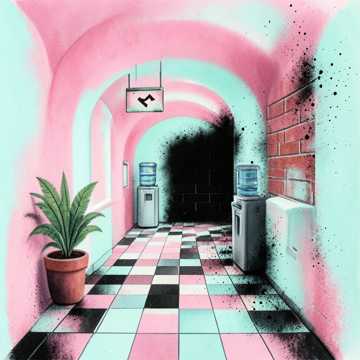
Take a Left, Take a Right
A cheerful traveler follows increasingly absurd hallway directions through shifting floors, misplaced doors, and unreliable signs. Repeated left-right commands create mounting momentum until a sudden brick-wall collision delivers the comic climax, followed by a cautious retreat and a lesson in navigation.
03:12
4 days ago
Казённые чехлы
Сатирический баттл-рэп о хаосе в штабе, командирских претензиях, бесконечных разборках и загадочном чехле за миллион. Грубая комедийная подача, маршевый ритм и хоровой припев усиливают ощущение абсурдного служебного цирка.
02:09
4 days ago
Switchblade Pulse
A harsh, polished speedcore assault that shifts from controlled menace to manic intensity. Dark pulses, clipped edits, metallic percussion, reversed risers, and crushing low end create a volatile atmosphere suited to extreme action, competitive gaming, and high-adrenaline training.
03:23
Invalid date

261121 2
A fierce, lyric-free assault built on a125 BPM bass-driven groove. Crushing guitars, distorted analog low end, live drums, chopped Amen breaks and metallic edits create relentless tension, while abrupt stop-start sections and a halftime breakdown deliver explosive industrial intensity.
03:24
5 days ago

Bathroom Parade
A fast, mischievous pop-punk instrumental built for comic momentum. Brisk drums, chunky bass, claps, bass pops, shouted group doubles, tape-stop fills, squeaky toys, and flush-like risers create a playful bathroom-themed parade with an instantly chantable spirit.
02:01
5 days ago
Bomboclat, Wallahi
A deliberately nonsensical comedic chant built around the repeated phrase Bomboclat, Wallahi. Its fast oom-pah rhythm, exaggerated male delivery, yodel flourish, brass accents, and sudden stops create a bright, playful performance suited to humorous videos, novelty playlists, comic skits, and energetic party moments.
00:08
Invalid date
Stop Start Music: Definition, Sound, and History
Stop start is a descriptive music tag for tracks that use abrupt pauses, rests, breaks, or sudden returns of sound as a noticeable part of their rhythm and arrangement. It is not a single, formally defined genre: stop-start music can appear in rock, punk, funk, jazz, hip-hop, electronic music, and film scoring. The effect may come from a band stopping together, a singer continuing over a silent backing, a riff broken into short bursts, or studio edits that cut and restart sounds. Its roots include stop-time passages in jazz and blues, where the ensemble pauses or punctuates the beat while a soloist or vocalist carries the phrase forward. In rock, bands made these breaks more dramatic with sharply accented riffs, vocal gaps, and sudden ensemble returns. With multitrack recording, samplers, and digital editing, musicians gained new ways to create tightly controlled dropouts, chopped rhythms, and stop-start transitions. Today, the tag describes a flexible rhythmic and production technique rather than a fixed style.
Stop Start Sub-Tags and Classifications
Stop-Time and Ensemble Breaks
In stop-time music, most or all of the accompaniment pauses or hits short, coordinated accents while the underlying pulse remains perceptible. The silence makes the next chord, vocal line, or solo feel more prominent. This approach is associated with jazz and blues arrangements and also appears in rock, funk, and big-band-influenced music.
Stop-Start Guitar-Riff Rock
This classification centers on riffs split by rests or sharp band breaks. Guitar, bass, and drums may strike together, leave a gap, and restart in unison. The contrast creates a punchy, unpredictable groove and gives riffs a strong sense of shape. It is common in hard rock, punk, alternative rock, and heavy music.
Vocal-Gap and Stutter Rhythms
Here, the stop-start quality comes from the vocal phrasing: a singer may pause between short phrases, repeat syllables, or deliver words in clipped bursts while the instruments maintain or answer the beat. These gaps can add urgency, attitude, humor, tension, or a conversational feel.
Dynamic Dropouts and Sudden Returns
A section of the arrangement suddenly drops away, leaving a voice, a single instrument, or silence before the full groove returns. Unlike a short rhythmic rest, a dropout can change the perceived energy of an entire section. Producers use it to create anticipation before a chorus, bass drop, impact, or final refrain.
Sample-Chopped and Edited Stop-Start
Electronic and sample-based stop-start music uses edits, mutes, stutters, and chopped recordings to interrupt and restart sounds with precision. The source might be a drum hit, vocal fragment, instrumental chord, or environmental recording. These cuts can function as rhythmic hooks, transitions, or deliberate moments of surprise.
Famous Artists and Classic Stop Start Works
Led Zeppelin
Led Zeppelin brought stop-start riffing into hard rock through arrangements that alternate between tightly placed instrumental figures and breaks for the vocal. “Black Dog” is a prominent example: its stop-start structure and contrast between Robert Plant’s exposed vocal phrases and the band’s riffing make the rhythmic gaps part of the song’s identity. ([allmusic.com](https://www.allmusic.com/song/black-dog-mt0010295114?utm_source=openai))
“Black Dog” — Led Zeppelin
“Black Dog” is a classic stop-start rock arrangement: the band’s riff arrives in assertive bursts, with breaks that leave room for the vocal and make each return feel forceful. Rather than filling every moment with sound, the song uses contrast between the exposed vocal phrases and the instrumental answers to create tension and momentum. Its effect comes from the interaction of the riff, the pauses, and the band’s precise re-entry, not from silence alone. ([allmusic.com](https://www.allmusic.com/song/black-dog-mt0010295114?utm_source=openai))
The Who
The Who helped establish a forceful, highly rhythmic approach to British rock, pairing strong instrumental attacks with distinctive vocal phrasing. On “My Generation,” Roger Daltrey’s stuttered delivery interrupts and shapes the vocal line, while the arrangement builds around a driving beat. The song’s stutter was developed during the writing and recording process, rather than being a separate genre convention. ([thewho.net](https://thewho.net/songs/my-generation/?utm_source=openai))
“My Generation” — The Who
The defining stop-start feature of “My Generation” is its interrupted, stuttering vocal phrasing, which gives the performance a restless, confrontational character. The rest of the band supplies a powerful rock framework, so the gaps and repeated syllables read as part of the groove rather than as a loss of momentum. The song shows how stop-start phrasing can come from a voice as much as from instrumental breaks. ([thewho.net](https://thewho.net/songs/my-generation/?utm_source=openai))
Art of Noise
Art of Noise explored how sampling and editing could turn short sounds into rhythmic material. “Close (To the Edit)” uses a collage of sharply cut and repeated sounds, including a motor sound and vocal fragments, illustrating an electronic, studio-built form of stop-start music. Their work helped demonstrate how production edits could function as musical arrangement rather than merely as corrections or transitions. ([allmusic.com](https://www.allmusic.com/song/close-to-the-edit-mt0060834691?utm_source=openai))
“Close (To the Edit)” — Art of Noise
“Close (To the Edit)” builds its identity from edited sound: brief vocal and instrumental fragments recur, break off, and re-enter as part of a tightly arranged electronic collage. Instead of using a conventional band pause followed by a restart, it creates stop-start motion through sampling and cuts. The result demonstrates how abrupt edits can provide both rhythmic energy and a distinctive musical texture. ([allmusic.com](https://www.allmusic.com/song/close-to-the-edit-mt0060834691?utm_source=openai))
Queen
Queen used sparse, strongly accented arrangements to make rhythm and audience participation central to a song’s impact. “We Will Rock You” is better described as a punctuated, stomp-clap anthem than as a continuous series of full-band stops, but its short rhythmic pattern and spaces between accents make it a useful related example of music built around deliberate gaps. ([queenonline.com](https://www.queenonline.com/news/we-will-rock-you-the-story-behind-queens-unbeatable-anthem-remastered-video?utm_source=openai))
“We Will Rock You” — Queen
“We Will Rock You” is a related example of a highly economical, punctuated arrangement. Its repeated stomp-stomp-clap pattern leaves space between accents, making the beat easy to recognize and join in with. The track is not defined by repeated full-band stops, but it illustrates how controlled space and strong rhythmic punctuation can give a song an immediate, memorable impact. ([queenonline.com](https://www.queenonline.com/news/we-will-rock-you-the-story-behind-queens-unbeatable-anthem-remastered-video?utm_source=openai))
Where Stop Start Music Works Best
Stop-start music can build anticipation by alternating a pulse or short musical figure with sudden gaps. A trailer might use brief orchestral or electronic hits, pause before a reveal, and return with a heavier impact. In a suspense scene, a dropout can make a small sound or a moment of silence feel significant.
Film trailers and suspense scenes
Short bursts of sound followed by rests can match rapid changes on screen, such as a chase, a sequence of impacts, or a physical gag. In action scoring, sharp rhythmic breaks can make edits and movement feel more forceful. In comedy, a precisely timed pause can give a visual joke room to land.
Action and comedy soundtracks
A compact stop-start motif can help a short advertisement feel distinctive and easy to remember. A musical phrase might stop just before a product reveal, slogan, or logo sound, then return as a concise audio signature. The pauses also leave space for spoken copy.
Advertising and brand audio
Game music can use brief breaks and sudden returns to respond to level changes, combat cues, menus, or player actions. A stop-start rhythmic layer can signal an approaching event or make transitions feel immediate. Composers and sound designers can adapt the frequency and intensity of these interruptions to the game state.
Video games and interactive audio
Coordinated breaks give performers a clear way to build crowd anticipation, emphasize a chorus, or cue an audience response. A band can hold a pause before a strong ensemble return, while a simple, punctuated beat can invite clapping or movement.
Live performance and audience participation
Stop-start tracks can accent changes in choreography, exercise intervals, or sports highlights. Strong attacks support movement, while planned breaks create moments for freezes, transitions, or emphasis. The pattern should remain clear enough that the interruptions feel intentional rather than like playback errors.
Dance, fitness, and sports content
In electronic music and short-form video, edited dropouts and chopped sounds can make transitions feel sharp and attention-grabbing. Producers can use a brief silence before a beat returns, or cut a vocal fragment into a rhythmic hook. These effects work best when they support the pacing and message rather than interrupting them at random.
Electronic transitions and short-form video