
Free tender strings Music Generator Powered by AI
Turn text into high-quality tender strings music effortlessly – no login required!

music.toolTips
我答应你
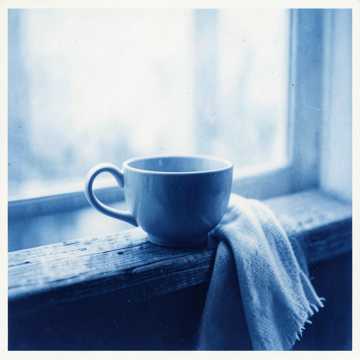
歌曲以清晨茶杯、围巾、热汤与回家灯光等生活细节,描绘爱人之间不言而喻的陪伴。承诺并非惊天动地,而是在风雨、岁月与平凡日常中始终并肩,把相守化为最安稳的答案。
04:13
5 days ago
Tender Strings: Definition, Characteristics, and Musical History
Tender Strings is a descriptive music tag for compositions and productions built around gentle, expressive, and emotionally warm string sounds. It commonly features violin, viola, cello, double bass, string ensemble, or digitally created orchestral strings performed with soft dynamics, legato phrasing, delicate vibrato, and spacious harmonic movement. Tender Strings music often communicates intimacy, nostalgia, affection, vulnerability, hope, or quiet sadness rather than dramatic tension or aggressive rhythmic energy. The term is generally used as a mood and production classification rather than as the name of a formally defined historical genre. It may describe neoclassical music, cinematic underscore, ambient music, romantic orchestration, acoustic arrangements, and emotionally focused soundtrack cues. The roots of Tender Strings can be traced to the long tradition of expressive bowed-string writing in classical music, including lyrical slow movements, chamber music, romantic symphonies, and film-score orchestration. During the twentieth century, composers for cinema and television developed increasingly subtle string arrangements that could support a character's inner emotions without overpowering dialogue. The growth of minimalist, ambient, and neoclassical music in the late twentieth and early twenty-first centuries further established the Tender Strings sound through repeating piano patterns, sustained string layers, restrained orchestration, and intimate recording techniques. Today, Tender Strings is widely used as a searchable music tag for tracks that create a soft, heartfelt, cinematic, and emotionally resonant atmosphere.
Tender Strings Sub-Tags and Classifications
Tender Piano and Strings
This classification combines a simple piano motif with soft violin, viola, or cello accompaniment. The piano often provides the harmonic pattern while the strings extend the emotional resonance through sustained notes and gentle countermelodies. Tender Piano and Strings is especially suitable for reflective, romantic, hopeful, and memory-driven scenes.
Solo Cello Tender Strings
Solo Cello Tender Strings focuses on the intimate, vocal quality of a single cello. Its rich lower-midrange tone can suggest vulnerability, warmth, solitude, or quiet grief. This sub-tag is common in personal documentaries, emotional film moments, memorial videos, and minimalist compositions where expressive phrasing is more important than dense orchestration.
Solo Violin and Chamber Strings
This style places a lyrical violin line in front of a small ensemble, often supported by viola and cello. The arrangement feels personal and human because the listener can hear subtle bow movement, vibrato, breath-like phrasing, and interaction between individual players. It works well for romance, family stories, period drama, and intimate storytelling.
Cinematic Tender Strings
Cinematic Tender Strings uses orchestral strings to create a broad emotional landscape while maintaining a restrained and compassionate tone. It may begin with a small motif and gradually add violins, violas, cellos, low strings, piano, or atmospheric pads. This classification is appropriate for film trailers with an emotional focus, dramatic turning points, inspirational montages, and closing-credit themes.
Ambient Tender Strings
Ambient Tender Strings emphasizes sustained notes, slowly changing harmonies, long reverberation tails, and a spacious sound field. Melodies may be minimal or partially obscured within the texture. The result is calm, immersive, and contemplative, making this sub-tag useful for meditation content, wellness applications, atmospheric games, and visual art.
Neoclassical Tender Strings
Neoclassical Tender Strings combines classical instrumentation with modern repetition, minimalism, and contemporary production. A repeating piano or string figure may act as an emotional anchor while the arrangement develops through subtle layering. This style is often clean, understated, and suitable for modern drama, documentaries, luxury branding, and reflective digital content.
Romantic and Nostalgic Strings
This classification uses warm harmonies, expressive melodic rises, gentle rubato, and lyrical orchestration to evoke affection, memory, longing, or a sense of home. Romantic and Nostalgic Strings can range from a small chamber ensemble to a full but softly performed string section. It is frequently associated with wedding videos, family stories, period scenes, and sentimental advertising.
Tender Pizzicato Strings
Tender Pizzicato Strings uses lightly plucked notes instead of sustained bowing. The sound can be playful, delicate, youthful, or quietly optimistic, especially when paired with piano, marimba, acoustic guitar, or subtle percussion. This sub-tag is useful for gentle comedy, everyday-life scenes, handmade product advertising, children's media, and hopeful transitions.
Lullaby and Sleep Strings
Lullaby and Sleep Strings features slow tempos, predictable harmonic movement, soft attacks, and a low-intensity performance. Cello, viola, and muted violins are often blended with piano, music-box tones, or warm pads. The music is designed to soothe rather than demand attention, making it suitable for sleep content, parenting media, relaxation videos, and quiet game environments.
Melancholic Tender Strings
Melancholic Tender Strings balances sadness with beauty and emotional restraint. Minor-key harmony, descending motifs, solo cello, suspended chords, and slowly unfolding arrangements are common features. Unlike intensely tragic orchestral music, this classification usually remains intimate and compassionate, making it effective for farewell scenes, personal reflection, loss, and emotional resolution.
Acoustic and Organic String Ensemble
This style highlights the natural character of live strings, including bow noise, room ambience, dynamic variation, and human timing. It avoids an overly synthetic or heavily processed sound and may include acoustic guitar, piano, clarinet, or light percussion. The result is warm and authentic, making it suitable for documentary storytelling, independent film, lifestyle content, and human-centered branding.
Famous Artists and Works Related to Tender Strings
Max Richter
Max Richter is widely associated with emotionally direct modern classical and cinematic string writing. His work frequently combines repeating motifs, restrained orchestration, and gradually expanding harmonic layers. On the Nature of Daylight is a major reference point for Tender Strings because its sustained string harmony and calmly unfolding melody create profound emotion without relying on heavy percussion or dramatic gestures. Richter's contribution lies in making contemporary string music accessible, atmospheric, and strongly connected to visual storytelling.
On the Nature of Daylight — Max Richter
This work is a defining example of cinematic Tender Strings. Its emotional effect comes from a slowly repeating harmonic progression, long lyrical lines, and gradual intensification within a relatively limited musical vocabulary. The strings remain exposed and human, allowing bow changes, vibrato, and ensemble breathing to contribute to the sense of vulnerability. The piece demonstrates that Tender Strings can achieve considerable dramatic power without percussion-heavy climaxes.
Ludovico Einaudi
Ludovico Einaudi has popularized a minimalist sound built from piano, subtle string accompaniment, and carefully controlled repetition. Works such as Experience and Primavera demonstrate how a small melodic idea can grow through gradual layering and dynamic expansion. His music is important to the Tender Strings tag because it offers a clear model for combining intimacy, cinematic scale, and emotional simplicity.
Experience — Ludovico Einaudi
Experience begins with a clear repeating pattern and develops through incremental additions of piano, strings, and orchestral weight. Its innovation lies in the way repetition becomes emotional rather than merely structural: each new layer changes the perceived scale of the original motif. The work is frequently associated with Tender Strings because its rising arrangement can express hope, memory, determination, and release while retaining a soft melodic core.
Ólafur Arnalds
Ólafur Arnalds blends piano, chamber strings, electronic textures, and minimalist structures. His arrangements often preserve a sense of fragility by allowing silence, room ambience, and small instrumental details to remain audible. Tracks from projects such as Island Songs and re:member illustrate how Tender Strings can be contemporary, spacious, and emotionally nuanced while still retaining the warmth of acoustic performance.
Spiegel im Spiegel — Arvo Pärt
Spiegel im Spiegel pairs a slow, repeating piano figure with a sustained solo string melody. The spacious pacing and limited harmonic movement create a sense of stillness and attentive listening. Rather than using a dense arrangement, the piece allows silence and resonance to carry emotional meaning. It is a foundational reference for contemplative Tender Strings, especially in meditation, documentary, memorial, and reflective visual contexts.
Joe Hisaishi
Joe Hisaishi is known for lyrical melodies, transparent orchestration, and a remarkable ability to connect simple themes with deep emotional narratives. His film scores for Studio Ghibli, including My Neighbor Totoro, Spirited Away, and Howl's Moving Castle, frequently use strings to express wonder, tenderness, memory, and emotional transition. His contribution to Tender Strings is especially clear in the way string arrangements support character development and atmosphere without overwhelming the visual scene.
One Summer's Day — Joe Hisaishi
One Summer's Day is known for its memorable piano theme and carefully shaped orchestral support. The string writing expands the melody's emotional world, moving between innocence, wonder, and gentle melancholy. Its innovation is not based on experimental technique but on exceptional clarity of orchestration: every instrumental layer supports the narrative mood. This makes it a valuable example of Tender Strings in animation and coming-of-age storytelling.
Rachel Portman
Rachel Portman has created many warm, melodic, and character-focused film scores. Her work often uses chamber-like orchestration and graceful strings to communicate romance, family relationships, resilience, and quiet transformation. Scores such as Chocolat, The Cider House Rules, and Emma demonstrate how Tender Strings can be integrated into narrative film while remaining elegant, memorable, and emotionally supportive.
Pride & Prejudice Original Motion Picture Soundtrack — Dario Marianelli
The music for Pride & Prejudice uses piano and strings to reflect restrained emotion, social formality, romantic tension, and personal freedom. The arrangements often feel intimate even when the full ensemble enters, preserving a chamber-music quality within a cinematic setting. Its graceful melodic writing and period-inspired texture demonstrate how Tender Strings can convey both historical atmosphere and deeply personal feeling.
Dario Marianelli
Dario Marianelli is recognized for expressive film scoring that combines piano, chamber instruments, and lyrical string writing. His score for Pride & Prejudice is a strong example of how delicate strings can reflect social tension, romantic uncertainty, and personal awakening. Marianelli's arrangements contribute to the Tender Strings aesthetic through their balance of period color, melodic clarity, and restrained emotional intensity.
Adagio for Strings — Samuel Barber
Samuel Barber's Adagio for Strings is more intense and mournful than many modern Tender Strings tracks, but its sustained string lines and carefully controlled harmonic ascent have strongly influenced emotional orchestral music. The work begins with a narrow melodic gesture and gradually builds toward a powerful climax before receding. It illustrates how a tender string texture can develop into grief, solemnity, and catharsis without relying on rhythmic aggression.
Philip Glass
Philip Glass helped establish the expressive possibilities of repetitive minimalist structures. While his music is not always categorized as Tender Strings, works such as String Quartet No.3, Mishima, and sections of his orchestral and film music demonstrate how repeating patterns can create emotional momentum with limited materials. His influence can be heard in modern Tender Strings tracks that use gradual change, arpeggiated figures, and layered ensemble textures.
The Cider House Rules Original Motion Picture Soundtrack — Rachel Portman
Rachel Portman's score uses lyrical themes, gentle orchestral colors, and expressive strings to support themes of belonging, responsibility, compassion, and change. The music demonstrates how Tender Strings can function as a narrative guide, connecting separate scenes through recurring melodic ideas. Its warm orchestration is particularly effective for human-centered drama and emotionally detailed storytelling.
Arvo Pärt
Arvo Pärt's tintinnabuli style uses simplicity, resonance, silence, and carefully balanced harmonies to create a contemplative emotional space. Works such as Spiegel im Spiegel and Fratres have influenced ambient, cinematic, and neoclassical composers who seek a gentle yet spiritually focused string sound. His contribution is especially relevant to the meditative and minimalist side of Tender Strings.
Mishima: A Life in Four Chapters — Philip Glass
Philip Glass's score for Mishima combines repetitive string patterns, sharp structural contrasts, and cinematic pacing. While not uniformly soft, its string writing shows how minimalism can produce psychological depth through repetition and gradual transformation. The work influenced later Tender Strings compositions that use arpeggiated figures, layered ostinatos, and controlled crescendos to create emotional movement.
Tender Strings Music Application Scenarios
Tender Strings music is effective beneath scenes involving love, reconciliation, childhood memories, family relationships, personal discovery, or quiet loss. A solo cello can underline a character's private grief, while piano and chamber strings can support a romantic conversation. For larger emotional turning points, a slowly expanding string ensemble can provide cinematic scale without distracting from dialogue.
Film and Television Soundtracks
Documentaries often need music that respects real people and sensitive subjects. Soft string arrangements can create empathy while leaving room for narration, interviews, and natural sound. Tender Strings is particularly suitable for stories about migration, community, recovery, craftsmanship, family history, environmental care, and personal achievement.
Documentary and Human-Interest Films
Tender Strings is a natural choice for wedding ceremonies, proposal videos, anniversary films, and romantic photo montages. Piano with violin or cello can accompany vows, while a warmer ensemble arrangement can support a relationship timeline or closing celebration. The music should generally remain melodic and emotionally clear without becoming overly dramatic.
Wedding Videos and Romantic Slideshows
Brands can use Tender Strings to communicate trust, care, heritage, quality, craftsmanship, and human connection. A delicate chamber arrangement can suit luxury goods, hospitality, wellness, and handmade products, while a gradually developing cinematic string cue can support an inspirational corporate film. The music is most effective when the emotional rise matches the brand story and final visual message.
Advertising and Brand Films
In games, Tender Strings can underscore exploration, character memories, safe areas, relationship scenes, narrative decisions, and emotional endings. Ambient strings are useful for atmospheric environments because they can loop smoothly and avoid overwhelming gameplay. Interactive systems may layer solo cello, piano, and ensemble strings as the player discovers new story information.
Video Games and Interactive Media
Tender Strings can emphasize innocence, friendship, imagination, homecoming, and emotional growth in animated productions. Light pizzicato can create gentle movement and playful charm, while sustained strings can make a quiet character moment feel sincere. The flexible timbre of strings allows the same tag to serve both child-friendly comedy and emotionally serious animation.
Animation and Family Entertainment
Slow, spacious Tender Strings with minimal melodic activity can support meditation applications, sleep videos, breathing exercises, yoga sessions, and relaxation platforms. Sustained cello, soft viola, and lightly reverberant ensemble textures are often preferable because they create warmth without sudden peaks. Low-density arrangements also help maintain a calm listening environment.
Meditation, Sleep, and Wellness Content
Melancholic Tender Strings can provide a respectful emotional background for memorial ceremonies, tribute films, remembrance slideshows, and farewell messages. Solo cello or restrained chamber strings often work better than a large dramatic orchestra because they preserve intimacy and dignity. The arrangement should leave sufficient space for spoken words and personal photographs.
Memorials and Tribute Videos
A short Tender Strings motif can give a podcast or narrated essay an intelligent, reflective, and emotionally inviting identity. Light piano and strings work well for culture, psychology, personal development, literature, and human-interest programs. When used under speech, the music should have limited midrange density and a controlled dynamic range so that voices remain clear.
Podcast Intros, Essays, and Spoken-Word Content
Tender Strings can turn travel footage, family content, seasonal montages, and lifestyle reels into reflective visual stories. Bright major-key strings can suggest discovery and optimism, while nostalgic cello and piano can emphasize memory and place. Short, clearly structured cues are useful for edits because they can support introductions, transitions, and emotional closing shots.
Travel, Lifestyle, and Social Media Videos
Live or processed Tender Strings can support choreography, monologues, intimate stage scenes, and contemporary performance art. Repeated string patterns may give dancers a steady emotional pulse, while long sustained tones can create a feeling of suspension and vulnerability. The music can be performed acoustically or combined with electronics to respond to movement and lighting.
Theater, Dance, and Contemporary Performance