
Free 156 bpm Music Generator Powered by AI
Turn text into high-quality 156 bpm music effortlessly – no login required!

music.toolTips
Fimbulwinter Spiral
A fierce instrumental journey from distant drones and ritual drums to a spiraling, full-force drop. Its rolling bass, sharp percussion and icy leads evoke a winter ritual, making it suited to festival dance floors, intense workouts and dark fantasy scenes.
03:43
14 hours ago
Valhalla, Hear the Drum
An invocation of ancient fires and collective strength unfolds through ravens, mountains and ritual drums. At156 BPM, dark minor-key synths, rolling bass and deep male chants drive a journey from tense anticipation to explosive release, suited to festival sets, workouts and mythic action scenes.
05:12
14 hours ago
Stone Remembers
A defiant communal chant turns mountain, flame and Valhalla imagery into a call for solidarity. Raw male vocals and ritual percussion build toward an explosive psytrance drop, while the closing refrain suggests a bond between ancestral memory and those who answer it.
03:58
14 hours ago
Heart of the Mountain
An ancestral journey through storm, wilderness and memory becomes a defiant pledge of solidarity. Dark ritual textures build into euphoric psytrance drops, turning hardship into collective strength and making the song a powerful fit for festival peaks, workouts and cinematic adventure scenes.
03:47
1 days ago
Ragnarok Rising
A wordless journey from ominous ritual to triumphant release, driven by pounding kicks, tribal toms and hypnotic bass. Rising synths and layered percussion evoke an approaching battle, making the track a forceful fit for festival sets, workouts and cinematic action.
03:59
1 days ago
Rise, Iron Heart
An ancestral battle hymn that awakens buried strength beneath the mountain. Ritual chants, pounding drums, rolling bass, and Viking-rock power chords transform the song into a fierce celebration of resilience, unity, heritage, and the unstoppable return of ancient fire.
04:38
1 days ago
Root and River
Root and River is a communal ritual in sound, linking ancestral memory, living nature, and collective movement. Its earthy vocals, driving percussion, rolling bass, and psychedelic textures create an uplifting nighttime journey about preserving heritage, embracing renewal, and moving forward together.
04:19
1 days ago
Oru Ma
Oru Ma channels an ancient earth ritual through relentless psytrance energy. Sparse mantra phrases, grounding imagery, rolling bass, tribal percussion, and rising synths create a hypnotic movement from rooted stillness toward collective awakening and visceral celebration.
03:28
1 days ago
One Road Through the Flame
A fierce anthem of unity and endurance, the song follows two determined voices who face danger together, uphold their oath, and move through chaos without surrendering their identity. Ritual imagery, driving percussion, and triumphant drops transform its message into a communal battle cry.
04:33
1 days ago
Storm and Flame
A shieldmaiden and berserker stand back to back against overwhelming odds, united by honor, oath, and ancestral strength. Set to relentless psytrance rhythms, ceremonial drums, hypnotic synths, and explosive chants, the song transforms Norse battle imagery into a triumphant anthem of courage and solidarity.
04:33
1 days ago
One Pulse, One Fire
A ceremonial forest anthem about courage, resilience, and collective strength. Guided by rivers, mountains, ancestral roots, and an awakening wilderness, the song transforms personal conviction into a communal surge of fearless energy, culminating in a hypnotic, festival-sized declaration of unity.
05:26
1 days ago
Heart of the Wild
An anthem of collective resilience, Heart of the Wild transforms hardship into a promise to protect and uplift one another. Earthy percussion, folk strings and ritual vocals build toward euphoric psytrance drops, making it well suited to festival sets, adventure montages and communal celebrations.
05:58
1 days ago
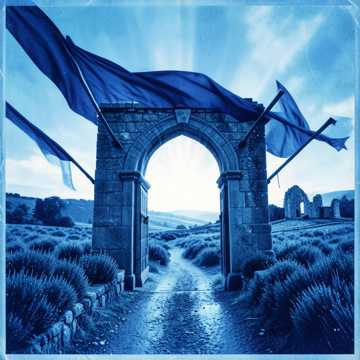
Ride Into the Morning
A determined company leaves familiar shores and rides toward a new dawn, bound by promises, courage, and shared purpose. Medieval imagery, rallying vocals, and euphoric psytrance energy transform the journey into a festival-scale anthem of unity, resilience, and rising together.
04:23
3 days ago
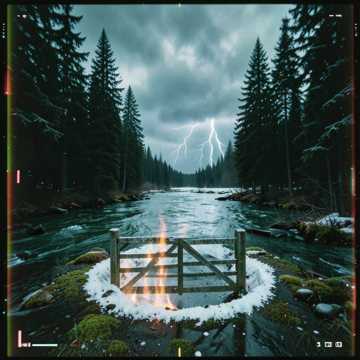
Roots and Rivers Below
An elemental duet about two souls bound by ancestral memory, mountain, fire, and northern wilderness. Relentless psytrance energy transforms its haunting verses into a ceremonial festival anthem, where roots symbolize endurance, rivers signify movement, and shared voices overcome the darkness.
05:18
5 days ago
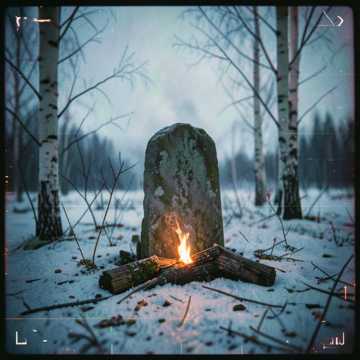
Heart to Earth
A primal ceremonial anthem where voices, drums, wind, stone, and mountain converge. Through ritual imagery and hypnotic repetition, the song celebrates collective movement, ancestral memory, and humanity’s renewed connection with the living earth.
05:24
5 days ago
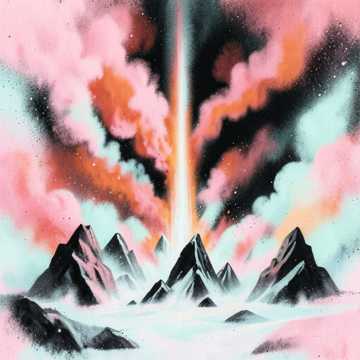
Sons of the Northern Sky
A primal Viking-inspired psytrance anthem where warriors unite beneath the northern sky. Dark male vocals, Old Norse chants, pounding drums, euphoric hooks, and relentless bass transform themes of ancestry, resilience, brotherhood, and victory into a powerful festival battle cry.
05:24
5 days ago
Drum of the Earth
Ancestral voices rise from red earth as tribal percussion, hypnotic bass, and ritual chants build toward a powerful psytrance release. The song explores buried strength, collective identity, fire, transformation, and the enduring pulse connecting humanity to nature.
04:23
6 days ago
Heart of the Mountain
A solitary wanderer hears an ancient call rising from beneath the mountain. Through frost, ash, rivers, and ritual drums, the song transforms ancestral memory into a powerful act of awakening, carrying its listeners toward communal strength, spiritual ascent, and an earth-shaking release.
04:30
6 days ago
Honor Blood
Honor Blood channels northern warrior imagery into a relentless anthem of brotherhood and unity. Its raw male chants, pounding drums, rolling low end, and spiraling acid leads transform an oath of loyalty into a dark, explosive psytrance ritual, rising from stark tension to a monumental communal drop.
04:22
6 days ago
156 BPM: Definition, History, and Musical Characteristics
156 BPM means156 beats per minute, a tempo marking that indicates156 evenly spaced beats occur during one minute. In4/4 music, this equals approximately2.6 beats per second, with each quarter-note beat lasting about384.6 milliseconds. A tempo of156 BPM feels fast, urgent, energetic, and highly propulsive. It is commonly associated with drum and bass, jungle, hardcore, hardstyle, gabber, speedcore, fast punk, metal, techno, and high-intensity electronic music. Unlike a genre label,156 BPM describes speed rather than instrumentation, mood, or production style. The same156 BPM tempo can therefore support a dark industrial track, an uplifting trance composition, an aggressive hardcore piece, or a bright pop-punk arrangement. The historical development of156 BPM is connected to the wider history of tempo measurement. Early composers described speed with terms such as allegro, presto, and prestissimo, while mechanical metronomes developed in the nineteenth century made precise tempo markings practical. As electronic sequencers, drum machines, digital audio workstations, and DJ software became widespread during the late twentieth century, exact BPM values became central to beat matching, loop construction, remixing, and playlist organization. The150-160 BPM range became particularly important in rave and club culture because it provides enough speed for rapid rhythmic patterns while still allowing a clear danceable pulse. In modern production,156 BPM is also used creatively through half-time and double-time interpretations. A156 BPM track may feel like78 BPM when the snare emphasizes beats three and seven in a half-time pattern, or it may resemble a312 BPM grid when producers use extremely rapid subdivisions. This flexibility makes156 BPM useful across electronic music, game music, cinematic action scoring, fitness playlists, and high-energy promotional content.
156 BPM Sub-Tags and Musical Classifications
156 BPM Drum and Bass
Drum and bass at156 BPM usually emphasizes breakbeats, syncopated percussion, deep sub-bass, and rapid hi-hat or ghost-note patterns. At this tempo, producers can create a rolling groove that feels energetic without becoming as dense as the classic170-175 BPM drum-and-bass range. Liquid, jump-up, dancefloor, and halftime-influenced approaches can all work at156 BPM. Producers often use chopped Amen-style breaks, reinforced kick drums, Reese basses, and atmospheric pads to give a156 BPM track forward motion and club impact.
156 BPM Jungle and Breakbeat
Jungle and breakbeat music at156 BPM focuses on chopped acoustic drum breaks, syncopated kick and snare placement, bass movement, and sample manipulation. The tempo leaves enough room for intricate edits, reversed hits, and rhythmic fills while preserving the fast, restless character associated with jungle. A156 BPM jungle track may use breakbeats in their original form, rearrange them into complex patterns, or combine them with modern bass-music sound design.
156 BPM Hardcore and Gabber
Hardcore and gabber at156 BPM typically use heavily distorted kicks, aggressive compression, dark synths, shouted vocal samples, and powerful four-on-the-floor rhythms. This tempo is comparatively moderate for some modern hardcore styles, which means it can offer a more accessible groove while retaining the genre's forceful character. Producers may use kick variations, reverse bass, industrial textures, and dramatic breakdowns to distinguish a156 BPM hardcore track from a conventional techno or hard dance production.
156 BPM Hardstyle and Hard Dance
156 BPM is well suited to hardstyle-inspired music, particularly tracks that combine punchy distorted kicks with melodic leads, euphoric chord progressions, and large festival-style drops. The tempo supports clear four-beat phrasing and makes it easy to construct eight-, sixteen-, and thirty-two-bar sections for DJ mixing. It can also be used for rawstyle, reverse-bass, hard trance, and crossover dance productions.
156 BPM Trance and Psytrance
Trance at156 BPM tends toward a faster, more intense interpretation of the style. It may include rolling basslines, arpeggiated synthesizers, uplifting melodies, long transitions, and hypnotic automation. Psytrance producers can use156 BPM for driving bass grooves, glitch effects, acid motifs, and tightly synchronized percussion. Because the tempo is high, arrangement clarity is important: spacious breakdowns and carefully controlled frequency ranges prevent the track from becoming overcrowded.
156 BPM Techno and Industrial Electronic
Techno at156 BPM has a relentless, mechanical energy. Repetitive sequenced percussion, rumbling low frequencies, metallic sound design, and evolving filter movement can create a warehouse or industrial atmosphere. At this speed, subtle changes in texture and rhythm are often more effective than adding many new musical parts. Industrial techno, EBM-influenced dance music, and rave-oriented productions frequently benefit from the urgency of a156 BPM pulse.
156 BPM Punk, Rock, and Metal
In live-band music,156 BPM can produce a fast punk, pop-punk, skate-punk, or melodic hardcore feel. Straight eighth-note guitar patterns sound urgent, while sixteenth-note bass and drum fills add intensity. In metal,156 BPM can support galloping riffs, double-kick passages, thrash-inspired picking, and dramatic transitions. The apparent speed may change depending on whether the drummer emphasizes quarter notes, eighth notes, or half-time backbeats.
156 BPM Cinematic and Orchestral Action
Film and game composers can use156 BPM to create chase sequences, battle scenes, sports montages, and escalating action cues. Ostinato strings, repeated brass figures, low percussion, taiko-style drums, and electronic pulses can be synchronized to the tempo. A composer may keep the underlying156 BPM grid constant while changing note density, orchestration, and accent placement to move between tension, pursuit, and climax.
156 BPM Half-Time and Double-Time Arrangements
A156 BPM project does not have to sound uniformly fast. In a half-time arrangement, the snare or main accent may suggest a78 BPM groove, creating space for heavy bass and spacious vocals. In a double-time section, rapid hi-hats, rolls, or arpeggios can make the music feel even faster. This classification is especially useful for producers who want to combine the physical energy of156 BPM with contrasting sections and dynamic changes.
Artists and Representative Works Related to156 BPM
The Prodigy
The Prodigy helped bring rave, breakbeat, hardcore, and electronic rock into mainstream culture. Their aggressive drum programming, distorted synths, sampled vocals, and live-performance energy are highly relevant to the high-intensity sound associated with156 BPM. Tracks such as 'Firestarter,' 'Breathe,' and 'Voodoo People' are often studied for their rhythmic impact, although exact BPM can vary between versions, edits, and tempo analyses.
The Prodigy - Firestarter
This track is an important reference for aggressive rave energy, combining a memorable vocal hook with distorted electronic textures, forceful percussion, and a compact, high-impact arrangement. It demonstrates how a fast-feeling pulse can be made commercially direct through repetition and strong sectional contrast. While 'Firestarter' is not universally cataloged at exactly156 BPM,156 BPM remixes, edits, and DJ reworks can preserve its confrontational character while fitting a faster set.
Aphex Twin
Aphex Twin demonstrated how fast electronic tempos could support intricate programming, unusual sound design, and emotionally complex arrangements. Works such as 'Come to Daddy' and material from 'Richard D. James Album' show how rapid percussion can coexist with melody, abstraction, and sudden structural changes. His influence is particularly important for producers exploring the relationship between156 BPM, breakbeat complexity, IDM, and experimental electronic music.
Aphex Twin - Come to Daddy
‘Come to Daddy’ illustrates the expressive possibilities of rapid electronic rhythm. Its abrasive timbres, tightly edited percussion, distorted vocal treatment, and abrupt shifts create a sense of instability and pressure. A156 BPM interpretation of this type of composition could retain the fast pulse while leaving space for irregular fills, noise bursts, and contrasting melodic fragments. The work is valuable not because it defines one exact BPM, but because it demonstrates how speed can become part of a track's psychological atmosphere.
Venetian Snares
Venetian Snares is a major figure in breakcore and experimental electronic music. His productions use fractured breakbeats, unusual time signatures, orchestral samples, extreme edits, and dense rhythmic layering. Although many of his tracks are faster than156 BPM, his approach is valuable for understanding how a156 BPM grid can be subdivided, displaced, and transformed into highly detailed rhythmic music.
Pendulum - Slam
‘Slam’ is notable for its combination of drum-and-bass momentum, rock-oriented impact, and crowd-focused arrangement. Its large drum sound, vocal repetition, bass weight, and clear drop structure provide a useful model for156 BPM crossover music. Producers can adapt these principles by using a156 BPM breakbeat, reinforcing the downbeat with live-style drums, and reserving the most complex edits for transitions and climactic sections.
Pendulum
Pendulum contributed to the crossover between drum and bass, rock, metal, and festival-oriented electronic music. Their use of live drums, guitars, large vocal hooks, and powerful bass production made fast tempos more accessible to a broad audience. Tracks such as 'Slam,' 'Propane Nightmares,' and 'Witchcraft' are useful reference points for studying high-energy arrangement, even though their recorded tempos are commonly associated with the broader fast drum-and-bass range rather than a single fixed156 BPM value.
A156 BPM Hardcore Four-to-the-Floor Track
A classic156 BPM hardcore arrangement generally begins with a short atmospheric or vocal introduction, develops through a kick-led build, and reaches a drop centered on distorted four-to-the-floor kicks. The innovation lies in treating the kick as both percussion and bass: pitch movement, distortion, transient shaping, and tail design create the central musical hook. Breakdowns, reverse-bass sections, and filtered synth motifs help prevent the constant pulse from becoming monotonous.
Skrillex
Skrillex helped popularize aggressive bass design, sharply edited drops, syncopated drum programming, and dramatic tension-and-release structures. His work demonstrates how a fast BPM can be perceived through half-time drops, making a156 BPM project feel both spacious and explosive. Songs such as 'Scary Monsters and Nice Sprites' are influential examples of this approach, although tempo labeling may differ across releases and DJ versions.
A156 BPM Jungle Breakbeat Arrangement
A representative156 BPM jungle piece may combine a chopped break, sub-bass line, atmospheric sample, and rapidly changing percussion fills. The main innovation is the manipulation of the drum break: small edits can create syncopation, momentum, and call-and-response patterns without changing the underlying tempo. At156 BPM, the arrangement can sound fast and intricate while maintaining enough space for a recognizable bass groove.
Angerfist
Angerfist is a prominent hardcore artist whose music is associated with distorted kicks, dark atmospheres, forceful vocal samples, and uncompromising club energy. His productions illustrate how the156 BPM range can function as a bridge between accessible hard dance and more extreme hardcore styles. The artist's work is also a reference for kick design, tension-building breakdowns, and dramatic live-show presentation.
A156 BPM Cinematic Action Cue
A cinematic cue at156 BPM can use repeated low strings, short brass accents, hybrid electronic pulses, and layered percussion to synchronize music with rapidly changing visual events. The cue may begin with sparse eighth notes, build toward sixteenth-note ostinatos, and reach a climax through octave doubling and heavier drums. This approach demonstrates that156 BPM is not limited to dance music; it can also organize orchestral tension and narrative pacing.
The Chemical Brothers
The Chemical Brothers helped establish a major form of big-beat and electronic rock built from breakbeats, sampled textures, distorted synths, and dynamic repetition. Their catalog shows how energetic tempos can support both dance-floor momentum and rock-style song structures. Tracks such as 'Block Rockin' Beats' and 'Galvanize' are useful production references for rhythmic layering, although their exact tempo relationship to156 BPM depends on the version and analysis method.
Application Scenarios for156 BPM Music
156 BPM music is effective for car chases, fight scenes, escape sequences, training montages, and technological thrillers. Repeated percussion and ostinato patterns can match rapid editing, while half-time sections allow dialogue or dramatic impacts to remain clear. Hybrid orchestral production can combine strings, brass, synthesizers, distorted bass, and cinematic hits around the156 BPM grid.
Film and Television Action Soundtracks
Fast-paced games can use156 BPM tracks for racing, combat, boss battles, rhythm challenges, and high-pressure platforming stages. The stable tempo makes loop points predictable, while layered stems allow the music to become denser as the player progresses. A game composer might prepare separate percussion, bass, melody, and tension layers that can be added dynamically without losing synchronization.
Video Game Background Music
156 BPM music can give advertisements a sense of speed, confidence, and modern energy. It works well for sportswear, gaming hardware, automobiles, action cameras, energy drinks, and technology launches. Short, clearly defined musical sections make it easier to synchronize product reveals, logo animations, quick cuts, and visual transitions.
Advertising and Promotional Videos
The strong pulse of156 BPM makes it suitable for running, cycling, high-intensity interval training, boxing, and aerobic exercise. Depending on the listener's stride or movement pattern, the tempo may be felt as one beat per step, one beat per half-step, or a half-time groove. Playlists built around156 BPM can provide consistent momentum while reducing the need for abrupt tempo changes.
Fitness, Running, and Workout Playlists
DJs can use156 BPM as a transition point between fast drum and bass, hard dance, hardcore, hard trance, and certain breakbeat styles. Tracks at or near156 BPM are easy to blend when their phrase lengths, kick patterns, and bass frequencies are compatible. Producers and DJs should verify the exact BPM of each version because edits, remasters, live recordings, and software beat grids may report slightly different values.
DJ Sets and Club Performance
156 BPM provides a clear, energetic count for choreography, cheer routines, street dance, and competition performances. Strong downbeats help performers coordinate formations and visual accents, while syncopated breaks create opportunities for freezes, jumps, and rapid movement changes. A156 BPM track can also alternate between full-time and half-time sections to create contrast within a routine.
Dance Choreography and Competitive Performance
Sports reels, esports trailers, and victory montages benefit from the urgency of156 BPM. Fast drum fills can match plays and cuts, while bass drops can emphasize goals, eliminations, or championship moments. The tempo is especially effective when the editor uses repeated musical phrases to build anticipation before a visual payoff.
Sports Highlights and Esports Content
A short156 BPM intro can establish an energetic identity for gaming channels, technology reviews, extreme sports content, and entertainment programs. Producers can create recognizable sonic branding with a compact kick pattern, signature riser, vocal tag, and final impact. Because the tempo is fast, an intro often works best when it uses a simple hook rather than excessive musical information.
Podcasts, Trailers, and Online Video Intros
Bands and electronic acts can use156 BPM for opening numbers that immediately raise audience energy. A gradual build with filtered percussion, rising noise, and synchronized lighting can lead into a full-band or full-production drop. The tempo supports both electronic playback and live instrumentation, including drums, guitars, brass stabs, and vocal chants.
Live Performance and Festival Openers
Editors can use a156 BPM beat grid to synchronize cuts, motion graphics, kinetic typography, camera shakes, and visual effects. Since each quarter-note beat lasts approximately384.6 milliseconds, creators can plan repeated visual events with consistent timing. The grid is useful for product demonstrations, abstract animation, social-media montages, and visually dense music videos.
Sound Design and Creative Video Editing