
Free 1960s Sound Music Generator Powered by AI
Turn text into high-quality 1960s Sound music effortlessly – no login required!

music.toolTips
mini
This upbeat holiday fantasy follows a determined dreamer wishing for a British racing green MINI Cooper beneath the Christmas tree. With playful lyrics, chugging garage-rock guitars, Farfisa organ, and vintage male vocals, the song turns car culture, anticipation, and festive humor into a spirited seasonal singalong.
02:53
Invalid date
mini
A playful holiday fantasy unfolds as the singer wishes for a British racing green MINI Cooper under the Christmas tree. With humorous lyrics, retro garage-rock momentum, and vivid seasonal imagery, the song captures youthful excitement, automotive charm, and carefree mid-1960s spirit.
02:53
Invalid date

c block
A warm, midtempo Christmas soul number about neighbors gathering on a snowy street. Mellow male vocals, Hammond B3 organ, subtle guitar, and a sparse1960s Stax-inspired arrangement create an inviting blend of blues, rock and roll, gratitude, friendship, and festive community spirit.
03:29
Invalid date
c block
A midtempo Christmas neighborhood celebration blending Memphis soul, rock and roll, and blues. Its welcoming verses, communal chorus, festive details, and tasteful organ solo create a warm portrait of friendship, gratitude, shared traditions, and seasonal joy.
03:27
Invalid date
coob
A welcoming Christmas soul song about neighbors, friends, food, music, and gratitude. Its midtempo groove blends festive imagery with blues feeling, creating a warm block-party atmosphere where everyone is invited to celebrate together.
03:35
Invalid date

coob
A cheerful Christmas neighborhood anthem blending1960s Memphis soul with blues warmth. Its welcoming lyrics celebrate friendship, shared food, music, gratitude, and open-door community spirit, while the organ-led groove invites listeners to stomp their feet and let the good times roll.
03:14
Invalid date

chr samba
A joyful Christmas samba that brings neighbors together through warm street scenes, shared food, dancing, laughter, and communal celebration. Soft male vocals blend with vintage Brazilian percussion and upright bass to create an inviting holiday atmosphere full of movement and goodwill.
02:25
Invalid date
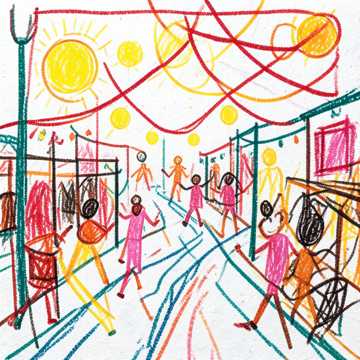
chr samba
A festive Christmas samba set in a warmly lit neighborhood square, where friends and neighbors gather with food, bells, laughter, and dancing. Its bright chorus and Brazilian-inspired rhythm create an inviting celebration of community, generosity, and holiday joy.
02:33
Invalid date

CobWeb Man - Dont
A ridiculous self-appointed superhero attempts to rescue the city with homemade gadgets, improvised courage, and spectacularly poor judgment. Its dry humor, surreal images, and repeated chorus turn failure into a catchy, affectionate comic legend.
02:59
5 days ago
1960s Sound: Definition, History, and Cultural Influence
1960s Sound refers to the broad range of musical styles, recording techniques, production aesthetics, and cultural movements associated with the1960s. Rather than describing one single genre,1960s Sound includes the polished pop of Motown, the British Invasion, folk revival, psychedelic rock, soul, funk, garage rock, surf music, early electronic experimentation, and the increasingly adventurous forms of jazz and rhythm and blues that shaped the decade. The1960s Sound is often recognized by memorable melodies, prominent electric guitars, melodic bass lines, distinctive vocal harmonies, energetic drum performances, orchestral arrangements, and innovative studio production. The origins of1960s Sound can be traced to the musical developments of the late1950s, including rock and roll, rhythm and blues, doo-wop, country music, gospel, and jazz. As affordable electric instruments, multitrack recording, tape editing, and improved studio equipment became more widely available, artists and producers gained new creative possibilities. Record labels such as Motown, Stax, Atlantic, EMI, and Columbia helped develop distinct sounds and brought them to international audiences. The early1960s were marked by vocal groups, dance-oriented pop, girl groups, surf rock, folk music, and the rise of the Beatles and other British artists. By the middle of the decade,1960s Sound had become more experimental. Artists began combining rock with Indian instruments, orchestral textures, electronic effects, feedback, tape loops, and unconventional song structures. Psychedelic music, protest songs, and socially conscious soul reflected the era's civil rights movement, youth culture, antiwar activism, and changing attitudes toward identity and personal freedom. By the end of the decade, the1960s Sound had expanded into album-oriented rock, progressive experimentation, funk, psychedelic soul, country rock, and avant-garde production. Its influence continues in modern pop, rock, hip-hop sampling, film scoring, advertising music, retro game soundtracks, and contemporary music production that seeks the warmth, energy, and character of vintage1960s recording.
1960s Sound Sub-Tags and Classifications
British Invasion
British Invasion music describes the wave of United Kingdom artists who became highly popular in the United States and other international markets during the1960s. The Beatles, The Rolling Stones, The Kinks, The Who, and The Animals combined American rock and roll, rhythm and blues, and pop songwriting with distinctive British performance styles. This classification of1960s Sound is associated with electric guitar riffs, energetic drum patterns, vocal harmonies, memorable choruses, and a strong emphasis on original songwriting. British Invasion music changed the global balance of popular music and influenced rock bands for generations.
Motown and Soul
Motown and soul are central classifications within1960s Sound. Motown recordings often feature tightly arranged rhythm sections, melodic bass lines, handclaps, tambourine accents, polished vocal harmonies, and concise pop structures. Soul music from Motown, Stax, Atlantic, and related labels combined gospel-inspired vocals with rhythm and blues instrumentation. Artists such as Marvin Gaye, The Supremes, Otis Redding, Aretha Franklin, and Smokey Robinson helped establish emotionally direct singing, powerful grooves, and socially meaningful songwriting as defining elements of the decade.
1960s Folk and Protest Music
Folk and protest music became an important part of1960s Sound through acoustic guitars, harmonicas, plainspoken vocals, narrative lyrics, and topical songwriting. Bob Dylan, Joan Baez, Pete Seeger, and other performers connected folk traditions with civil rights, labor issues, war, and generational change. As the decade progressed, folk artists increasingly adopted electric instruments, creating a bridge between acoustic folk and folk rock. This sub-tag is especially useful for projects seeking an intimate, reflective, documentary, or socially conscious1960s atmosphere.
Psychedelic Rock
Psychedelic rock is one of the most experimental forms of1960s Sound. It is characterized by distorted guitars, feedback, extended instrumental passages, unusual sound effects, tape manipulation, backwards recordings, modal or Eastern-influenced melodies, and lyrics exploring perception and altered consciousness. The Beatles, Jefferson Airplane, The Doors, Pink Floyd, and Jimi Hendrix helped popularize the style. Psychedelic rock is often used to create surreal, colorful, rebellious, dreamlike, or disorienting moods.
Garage Rock and Raw Rock
Garage rock represents a direct, energetic, and often deliberately unpolished side of1960s Sound. Many garage bands recorded with limited budgets, resulting in fuzzy guitars, aggressive vocals, simple chord progressions, driving drums, and a raw live-room character. Groups such as The Sonics, The Seeds, ? and the Mysterians, and numerous regional American bands contributed to this sound. Garage rock is valuable for scenes requiring youthful energy, underground culture, urgency, rebellion, or a rough analog texture.
Surf Rock and Instrumental Pop
Surf rock and instrumental pop are recognizable through bright electric guitar tones, tremolo effects, reverb, rhythmic drive, and themes connected with beaches, cars, youth, and outdoor leisure. Instrumental groups such as The Ventures and Dick Dale helped define the style, while vocal surf groups added close harmonies and catchy melodies. This category of1960s Sound works particularly well for carefree, summery, nostalgic, travel-oriented, and retro-cinematic settings.
1960s Girl Groups and Vocal Pop
Girl group music is a major classification within1960s Sound, featuring powerful lead singers, layered backing vocals, romantic storytelling, orchestral pop arrangements, and memorable hooks. Producers such as Phil Spector developed dense arrangements known for the Wall of Sound, while labels including Motown and Red Bird supported influential vocal groups. The Ronettes, The Supremes, The Shangri-Las, and Martha and the Vandellas demonstrate different approaches to harmony, drama, rhythm, and pop songwriting.
1960s Jazz, Funk, and Experimental Fusion
Jazz in the1960s continued to expand through modal jazz, free jazz, avant-garde composition, electric instrumentation, and early jazz-rock fusion. At the same time, rhythm and blues artists developed the rhythmic foundations of funk through syncopated bass, tight drum patterns, horn sections, and emphasis on the groove. Miles Davis, Herbie Hancock, James Brown, and Sly and the Family Stone represent different paths from acoustic jazz and soul toward more modern, electric, and rhythmically complex music.
Famous Artists and Classic Works Related to1960s Sound
The Beatles
The Beatles were among the most influential artists associated with1960s Sound. Their representative works include "Rubber Soul," "Revolver," "Sgt. Pepper's Lonely Hearts Club Band," and "Abbey Road." They developed from concise beat music into sophisticated studio pop and psychedelic rock, using layered harmonies, orchestration, tape effects, unconventional instruments, and innovative album structures. Their songwriting and production experiments transformed expectations for what popular music could express.
The Beatles - Sgt. Pepper's Lonely Hearts Club Band
Released in1967, "Sgt. Pepper's Lonely Hearts Club Band" is a landmark of1960s Sound because it treats the album as a unified artistic experience rather than only a collection of singles. The record combines psychedelic rock, music hall, orchestral pop, Indian-inspired textures, tape manipulation, layered vocals, and studio-created transitions. Its production demonstrates how multitrack recording could be used as a compositional tool, while its varied characters and arrangements reflect the decade's interest in imagination, experimentation, and cultural change.
The Rolling Stones
The Rolling Stones brought a blues-centered, rebellious energy to1960s Sound. Songs such as "(I Can't Get No) Satisfaction," "Paint It, Black," and "Jumpin' Jack Flash" demonstrate their use of memorable guitar riffs, powerful rhythm sections, and expressive vocals. Their work helped connect British rock with American blues, rhythm and blues, and country influences while establishing a durable model for guitar-driven rock performance.
The Beach Boys - Pet Sounds
"Pet Sounds" is a defining example of sophisticated1960s pop production. Brian Wilson used unusual combinations of strings, woodwinds, percussion, electric instruments, vocal harmonies, and studio layering to create a detailed and emotionally nuanced sound. The album's introspective lyrics and unconventional arrangements moved beyond the straightforward surf-pop formula and influenced later developments in orchestral pop, art pop, and album-oriented rock.
Aretha Franklin
Aretha Franklin became one of the defining voices of soul and1960s Sound. Her recordings, including "Respect," "Think," and "Chain of Fools," combine gospel-based vocal intensity with sophisticated rhythm and blues arrangements. Her phrasing, dynamic control, and emotional authority influenced generations of singers and gave soul music a powerful connection to personal dignity, civil rights, and female self-expression.
Aretha Franklin - Respect
"Respect" became an iconic soul recording through its commanding vocal delivery, memorable call-and-response structure, strong rhythm section, and instantly recognizable spelling refrain. Aretha Franklin's interpretation changes the song's perspective and gives it a powerful sense of personal demand and collective dignity. The recording illustrates how1960s Sound could combine danceable rhythm, gospel intensity, pop accessibility, and social meaning.
Marvin Gaye
Marvin Gaye helped expand Motown and soul beyond romantic pop into socially conscious and introspective music. His representative recordings include "Ain't No Mountain High Enough," "I Heard It Through the Grapevine," and the album "What's Going On." Gaye's work combined elegant vocal layering, refined orchestration, deep rhythmic grooves, and themes involving war, poverty, environmental concern, and social division.
Marvin Gaye - What's Going On
The title track from Marvin Gaye's1971 album was recorded during the late1960s and reflects the period's transition toward socially conscious soul. Its gentle groove, layered vocals, atmospheric strings, jazz-influenced harmony, and conversational delivery create a thoughtful alternative to more confrontational protest music. The song demonstrates how1960s Sound laid the foundation for concept albums and sophisticated soul that addressed war, inequality, family, and community.
Bob Dylan
Bob Dylan was a central figure in1960s folk, protest music, and folk rock. His songs "Blowin' in the Wind," "The Times They Are a-Changin'," "Like a Rolling Stone," and the album "Highway61 Revisited" show his development from acoustic topical songwriting toward electric, surreal, and literary rock. Dylan expanded the role of the popular songwriter by bringing complex imagery, social commentary, and poetic ambiguity into mainstream music.
The Rolling Stones - (I Can't Get No) Satisfaction
Released in1965, "(I Can't Get No) Satisfaction" is built around one of rock's most recognizable fuzz-toned guitar riffs. The contrast between the repeated instrumental hook, driving rhythm, and Mick Jagger's frustrated vocal creates a direct expression of commercial pressure, desire, and youth dissatisfaction. Its compact arrangement and aggressive guitar sound helped establish the riff as a central structural element of rock music.
Jimi Hendrix
Jimi Hendrix transformed the electric guitar within1960s Sound. His work with the Jimi Hendrix Experience and performances such as "Purple Haze," "Hey Joe," and "The Star-Spangled Banner" demonstrated the expressive possibilities of feedback, distortion, wah-wah, controlled sustain, and studio effects. Hendrix treated the guitar as both a melodic instrument and a source of sound design, influencing rock, blues, funk, and experimental music.
Jimi Hendrix - Purple Haze
"Purple Haze" showcases the psychedelic side of1960s Sound through distorted guitar, feedback, unusual chord color, expressive vocal effects, and a dense power-trio arrangement. Hendrix's playing blurs the boundary between melody and noise, while the production creates a surreal and unstable atmosphere. The recording became a reference point for psychedelic rock, hard rock, and later experimental guitar music.
The Beach Boys
The Beach Boys combined surf music, vocal harmony, orchestral pop, and increasingly sophisticated studio production. Their early songs such as "Surfin' U.S.A." helped define a youthful California sound, while "Pet Sounds" and "Good Vibrations" introduced unusual instruments, layered vocals, modular recording, and emotionally complex songwriting. Their work demonstrated that pop music could be both commercially accessible and compositionally ambitious.
James Brown - Cold Sweat
"Cold Sweat" is an important precursor to funk's highly rhythmic approach. The track reduces harmonic movement and places greater emphasis on syncopated drums, a persistent bass pattern, sharp guitar accents, and tightly arranged horn figures. This shift toward repetition, rhythmic space, and instrumental interaction is a key innovation in1960s Sound and influenced funk, disco, breakbeat production, and hip-hop sampling.
James Brown
James Brown played a foundational role in the development of funk and rhythm-centered1960s Sound. Tracks such as "Papa's Got a Brand New Bag," "Cold Sweat," and "I Got You (I Feel Good)" emphasize syncopated guitar, tightly controlled drums, horn punctuation, and repeated rhythmic figures. His focus on the one, rhythmic precision, and performance energy shaped funk, disco, hip-hop, and modern groove-based production.
The Ronettes - Be My Baby
"Be My Baby" is a classic example of Phil Spector's Wall of Sound production. Layered percussion, piano, strings, guitars, and backing vocals are combined into a dense but highly focused arrangement. The famous drum introduction and dramatic vocal performance create an immediate emotional impact. The song remains influential for producers seeking a large, cinematic, nostalgic, and romantically charged1960s Sound.
The Supremes
The Supremes were one of Motown's most successful vocal groups and helped define polished1960s pop. Songs including "Where Did Our Love Go," "Baby Love," and "You Can't Hurry Love" use concise arrangements, smooth harmonies, danceable rhythms, and highly memorable melodies. Their success helped establish the international reach of Motown and influenced later girl groups and pop vocal ensembles.
1960s Sound Application Scenarios
1960s Sound is highly effective in films set during the decade because it immediately establishes historical location, social atmosphere, and generational identity. British Invasion rock can support scenes about youth culture and urban nightlife, while Motown and soul can represent community, dance culture, and civil rights-era settings. Folk and protest music can reinforce scenes involving political activism, travel, or social change.
Period Films and Historical Dramas
Brands can use1960s Sound to communicate optimism, freedom, craftsmanship, nostalgia, and cultural authenticity. Bright surf rock, girl-group harmonies, handclaps, tambourine, and concise pop hooks work well in advertisements for fashion, automobiles, food, travel, lifestyle products, and heritage brands. A modern track using vintage1960s production techniques can evoke the period without requiring an original recording.
Retro Advertising and Brand Campaigns
1960s Sound is valuable in documentaries covering civil rights, antiwar activism, space exploration, counterculture, fashion, television, and changing family life. Acoustic folk can support interviews and historical narration, while soul, psychedelic rock, and experimental music can emphasize cultural conflict, artistic innovation, or political transformation. Carefully selected music can create historical context without overpowering spoken content.
Documentaries About Culture and Social Change
Game developers can use1960s Sound to define locations, missions, characters, and historical timelines. Surf rock can accompany coastal exploration, garage rock can energize underground venues, spy-inspired jazz can support investigation gameplay, and psychedelic effects can underscore dream sequences or altered environments. Original compositions that use electric organs, tape saturation, spring reverb, and vintage drum textures can provide period flavor while avoiding licensing complications.
Video Games and Interactive Historical Worlds
1960s Sound works well for fashion films, social media videos, product photography, and editorial content built around vintage clothing, mod design, classic cars, vinyl culture, or mid-century interiors. Upbeat Motown, girl-group pop, instrumental surf music, and British beat tracks can add movement and recognizable historical character to short-form visual content.
Fashion, Lifestyle, and Retro-Themed Video Content
A short1960s Sound-inspired audio identity can give podcasts and branded programs a memorable vintage character. Producers may combine a compact electric guitar riff, tambourine, handclaps, warm bass, vocal harmonies, or a Hammond-style organ with modern mixing. This approach is particularly effective for programs about history, music, film, design, journalism, or cultural commentary.
Podcast Intros and Audio Branding
Curated1960s Sound playlists can shape the atmosphere of diners, boutiques, record stores, themed parties, museums, and cultural events. Soul and Motown create an inviting social energy, surf music creates a relaxed summer mood, and psychedelic rock supports a more immersive counterculture aesthetic. Volume, lyrical content, and public-performance licensing should be considered when using recognizable recordings in commercial spaces.
Restaurant, Retail, and Event Atmospheres
The strong hooks and dramatic builds found in1960s Sound make the style effective for trailers and montage sequences. A fuzz guitar riff can create tension, orchestral pop can heighten emotion, and a driving soul or funk groove can add momentum to edits. Producers often use newly recorded music inspired by1960s techniques to achieve period authenticity while allowing precise control over timing and synchronization.
Trailer Music and Cinematic Montage