
Free Childhood Fear Music Generator Powered by AI
Turn text into high-quality Childhood Fear music effortlessly – no login required!

music.toolTips
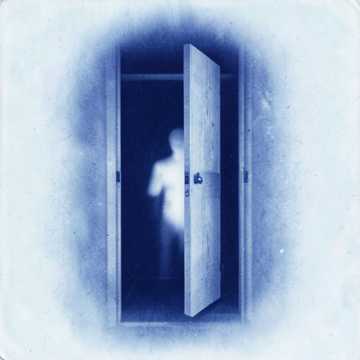
Track
A frightened narrator confronts a closet monster that may embody childhood fear and unresolved pain. Set to a midtempo dark deep house sound with a powerful contrabass melody and female vocals, the song builds toward defiance before a whispered ending leaves its resolution intriguingly uncertain.
05:36
15 hours ago
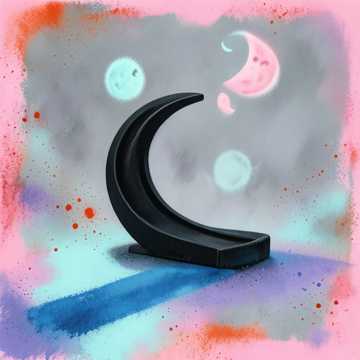
Moondrop
Moondrop transforms a daycare into a surreal night maze, pairing a frightened child’s vigilant perspective with an ominous keeper’s lullaby commands. Through dark electronic tension, distorted voices, and a final escape, the song explores fear, control, insomnia, and resistance beneath a deceptively playful surface.
03:30
5 days ago
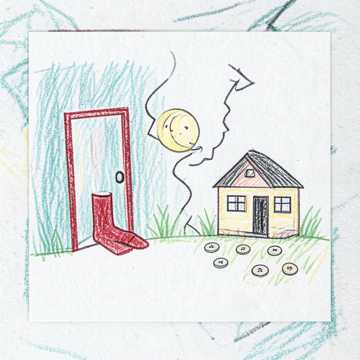
Hush Now, Little Clock
A child retreats into a tiny bedroom while unsettling sounds linger beyond the door. Through lullaby-like repetition, miniature electronic textures, and wary storytelling, the song transforms nighttime fear into a fragile ritual of protection, ending as morning slowly restores calm.
02:19
6 days ago
Childhood Fear Music: Definition, Meaning, and History
Childhood fear music is a thematic music category centered on the emotions, memories, and imagery associated with fear during childhood. It can evoke nightmares, dark bedrooms, abandoned houses, strange voices, monsters, separation anxiety, schoolyard unease, or the unsettling feeling that something familiar has become threatening. Childhood fear is not defined by one fixed genre. It can appear in ambient music, horror soundtracks, experimental composition, dark classical music, cinematic underscore, electronic music, and atmospheric sound design. The most recognizable characteristics of Childhood fear music include fragile melodies, music-box motifs, dissonant harmonies, irregular rhythms, sudden silences, whispered or distant textures, unstable tuning, and contrasts between innocence and menace. Historically, the roots of Childhood fear music can be found in nineteenth-century program music, gothic theater, expressionist composition, and early horror cinema. Composers learned to represent psychological states through unusual orchestration, chromatic harmony, low-register instruments, and unresolved musical phrases. Silent-film accompaniment further developed these techniques by using tremolo strings, minor-key motifs, organ sonorities, and abrupt dynamic changes to suggest danger and suspense. During the twentieth century, film composers and experimental musicians expanded the language of childhood fear by combining traditional instruments with prepared piano, tape manipulation, musique concrete, synthesizers, processed voices, and environmental recordings. Horror films and television series made the music-box melody, the nursery rhyme, and the distorted lullaby especially powerful symbols of innocence corrupted by danger. In contemporary production, Childhood fear music often combines nostalgic sounds with modern sound design. A simple piano, toy instrument, or childlike vocal line may be placed inside a wide, reverberant, or heavily distorted soundscape. This contrast allows Childhood fear to communicate both vulnerability and threat, making it useful for psychological horror, mystery, dark fantasy, suspense, games, trailers, podcasts, and immersive installations.
Childhood Fear Music Sub-Tags and Classifications
Nightmare and Night Terror
Nightmare and night-terror music focuses on the disorientation and helplessness associated with frightening dreams. It commonly uses unstable harmonies, slow pulses, distant drones, reversed sounds, irregular accents, and sudden changes in volume. The music may begin with a seemingly harmless lullaby or piano figure before gradually introducing detuning, dissonance, and low-frequency pressure. This Childhood fear classification is particularly effective for scenes involving sleep paralysis, dream sequences, surreal horror, or a child waking in an unfamiliar environment.
Dark Lullaby
Dark lullaby music transforms the reassuring structure of a nursery song into something mysterious or threatening. Repeated melodies, rocking rhythms, celesta, music box, glockenspiel, and soft female or childlike vocals can create a strong sense of innocence. The mood becomes frightening when the melody is slowed down, placed in a minor mode, interrupted by silence, or supported by dissonant bass tones. Dark lullabies are one of the most recognizable forms of Childhood fear music because they use a familiar sound to suggest that safety has disappeared.
Haunted Toy and Music Box
This classification centers on the uncanny sound of toys, wind-up mechanisms, toy pianos, music boxes, rattles, and miniature percussion instruments. These timbres are associated with childhood, but their limited range and repetitive mechanical motion can also sound emotionally detached or unnatural. Haunted toy music often includes irregular playback speed, tape warble, broken melodies, metallic resonance, and abrupt stops. It is commonly used in haunted-house narratives, supernatural horror, dolls-and-toys stories, and scenes in which an ordinary childhood object becomes a source of danger.
Monster Under the Bed
Monster Under the Bed music represents the fear of an unseen presence hidden in a familiar domestic space. It frequently uses low drones, muted percussion, sub-bass movement, creaking textures, breathing sounds, and melodies that remain incomplete. The arrangement may leave significant space between musical events, allowing silence to become part of the suspense. This Childhood fear sub-tag works well for bedrooms, hallways, closets, basements, and other locations that appear safe during the day but become threatening at night.
Isolation and Separation Anxiety
Isolation and separation anxiety music emphasizes loneliness, abandonment, and the fear of being unable to reach a parent, guardian, friend, or familiar place. Compared with aggressive horror scoring, this style is often quieter and more emotionally vulnerable. Sparse piano, sustained strings, distant voices, slow harmonic movement, and unresolved cadences can communicate emotional emptiness. The music may also use a small recurring motif that gradually loses its warmth, representing a child's fading sense of security.
Schoolyard and Social Fear
Schoolyard and social fear explores childhood anxiety related to classrooms, bullying, exclusion, embarrassment, authority, and unfamiliar social environments. The music may begin with playful rhythmic figures, handclaps, nursery-like patterns, or bright percussion before introducing uneven meters, detuned instruments, and increasingly crowded textures. This classification is useful for psychological drama and coming-of-age stories because it connects Childhood fear with real social experiences rather than only supernatural imagery.
Fairy-Tale and Folklore Fear
Fairy-tale and folklore fear draws on witches, forests, curses, forbidden rooms, old legends, and stories told by older generations. Its musical language often combines modal melodies, folk instruments, bowed strings, frame drums, choral textures, and ancient-sounding drones. The result can feel both magical and threatening. Fairy-tale Childhood fear is especially suitable for dark fantasy, folklore documentaries, fantasy games, and stories in which a child enters a world governed by unfamiliar rules.
Psychological and Memory-Based Fear
Psychological and memory-based Childhood fear focuses on how frightening experiences remain embedded in adult memory. Instead of using obvious horror effects, this music often relies on fragmented motifs, degraded recordings, distant room tone, incomplete phrases, and subtle harmonic shifts. A melody heard in childhood may return in altered form, suggesting trauma, repression, or an unreliable recollection. This sub-tag is valuable for serious drama, psychological thrillers, memoir-based media, and stories that move between childhood and adulthood.
Cinematic Horror Atmosphere
Cinematic horror atmosphere is a broad production category designed to establish dread without necessarily following a strong melody. It can combine orchestral clusters, electronic drones, granular textures, prepared piano, reversed reverberation, and carefully controlled silence. Childhood fear appears through the choice of timbre and imagery, such as a toy melody, a distant child voice, or a fragile high-register instrument. This classification is practical for film, television, trailers, podcasts, and video games that require flexible background music.
Famous Artists and Classic Works Related to Childhood Fear Music
Bernard Herrmann
Bernard Herrmann made a major contribution to psychological suspense and horror scoring through his highly controlled orchestration and sharply contrasting textures. His work for Alfred Hitchcock, especially the score for Psycho, demonstrated how string instruments could create an immediate physical sense of panic. Herrmann's use of repeated ostinatos, aggressive bowing, tightly organized dissonance, and abrupt dynamic changes influenced many later composers working with Childhood fear and cinematic anxiety.
Bernard Herrmann - Psycho
The score for Psycho is a landmark in fear-based music because it uses a string ensemble to create sharp, concentrated psychological violence. The famous high-register stabbing figures are brief, repetitive, and rhythmically direct, while the lower strings provide tension and instability. The innovation lies in the way Herrmann limits the orchestral palette instead of using a massive horror orchestra. The restricted sound makes every bow stroke feel exposed and immediate. For Childhood fear, the work is an important model for turning a simple, recognizable timbre into an overwhelming emotional signal.
Krzysztof Penderecki
Krzysztof Penderecki expanded the vocabulary of fear through avant-garde string techniques, dense tone clusters, glissandi, scratch tones, and unpredictable changes in register. His composition Threnody to the Victims of Hiroshima became particularly influential in film and television because its sound is emotionally intense without depending on a conventional melody. Penderecki's approach helped establish the idea that raw instrumental texture could represent panic, trauma, and childhood fear more powerfully than a traditional theme.
Krzysztof Penderecki - Threnody to the Victims of Hiroshima
Threnody to the Victims of Hiroshima uses a large string ensemble to create clusters, shrieks, glissandi, tremolos, and extreme registers rather than a conventional melody. The composition sounds unstable because the listener cannot easily identify a tonal center or predictable rhythmic pattern. Its innovation is the treatment of the string orchestra as a mass of sound and physical energy. In film and Childhood fear applications, this technique can represent trauma, panic, overwhelming memory, or a world in which familiar musical order has collapsed.
Gyorgy Ligeti
Gyorgy Ligeti contributed to the sound of psychological and cosmic fear through micropolyphony, slowly shifting clusters, unusual vocal writing, and complex layers that seem to move without a clear pulse. His music creates an impression of an environment that cannot be understood or controlled. Works such as Atmospheres and Lontano influenced generations of film composers and remain important references for Childhood fear music that aims to sound vast, uncanny, and dreamlike.
Gyorgy Ligeti - Atmospheres
Atmospheres creates an almost continuous field of sound through tightly layered orchestral lines and micropolyphonic movement. Individual parts are difficult to isolate, so the listener experiences the orchestra as an evolving surface rather than as a traditional melody and accompaniment. This creates an uncanny sensation of suspended time. The work is influential for Childhood fear music because it demonstrates how fear can emerge from uncertainty, scale, and the inability to determine where a sound begins or ends.
Danny Elfman
Danny Elfman is strongly associated with dark fantasy, twisted nursery imagery, and theatrical forms of Childhood fear. His scores and songs often combine music-box gestures, carnival instrumentation, choir, exaggerated orchestral color, and memorable melodic themes. Through works connected with films such as The Nightmare Before Christmas and Edward Scissorhands, Elfman demonstrated how fear can coexist with wonder, eccentricity, humor, and childlike imagination.
John Carpenter and Alan Howarth - Halloween
The Halloween score is built around a short, repeating piano and synthesizer pattern that creates a persistent sense of pursuit. Its limited harmonic movement and regular pulse make the music feel inevitable, while the sparse arrangement leaves room for silence and environmental sound. The innovation is its economy: a small motif carries the identity of the threat without requiring complex orchestration. This approach is highly effective for Childhood fear scenes involving nighttime movement, a distant figure, or the fear that danger is approaching but cannot yet be seen.
John Carpenter and Alan Howarth
John Carpenter and Alan Howarth helped define electronic horror scoring through minimalist synthesizer patterns, repeating bass figures, cold sustained chords, and carefully timed repetition. Their work on Halloween shows how a simple rhythmic motif can turn an ordinary environment into a threatening one. Although the music is not exclusively about childhood fear, its stripped-back pulse and relentless repetition have become central references for suspense involving vulnerability, pursuit, and hidden danger.
Danny Elfman - The Nightmare Before Christmas
The music of The Nightmare Before Christmas blends dark fantasy, musical theater, cabaret, orchestral writing, choral color, and distorted nursery imagery. Its melodies are memorable and often playful, but unusual harmonies, exaggerated orchestration, and gothic subject matter create a persistent sense of unease. The work is significant because it treats fear as imaginative and theatrical rather than purely realistic. It shows how Childhood fear can be colorful, humorous, emotionally expressive, and accessible while still retaining a dark atmosphere.
Mica Levi
Mica Levi developed a distinctive contemporary approach to psychological unease using gliding strings, unstable pitch, abrupt tonal shifts, and orchestral gestures that seem to resist resolution. The score for Under the Skin is a key example of music that produces alienation and discomfort through texture rather than conventional horror melody. Levi's work is relevant to modern Childhood fear because it shows how intimate string sounds can become strange, bodily, and emotionally disorienting.
Mica Levi - Under the Skin
The score for Under the Skin uses sliding string pitches, abrupt attacks, exposed textures, and fragmented gestures to create a feeling of alienation. Rather than announcing danger with a conventional leitmotif, the music makes the listener feel that the surrounding world is physically unfamiliar. Its innovation is the close connection between instrumental movement and psychological perception. This makes it a useful reference for contemporary Childhood fear music that explores memory, bodily discomfort, identity, and unspoken threat.
Wojciech Kilar
Wojciech Kilar combined large-scale orchestral writing, choral power, religious associations, and dark romantic harmony in influential horror and gothic film scores. His music for Bram Stoker's Dracula demonstrates how lush melody and terrifying atmosphere can exist together. Kilar's work is useful for understanding Childhood fear in gothic narratives, where childhood memories, folklore, family history, and supernatural threat overlap.
Wojciech Kilar - Bram Stoker's Dracula
Kilar's score for Bram Stoker's Dracula combines sweeping romantic themes with dark orchestral power, choral writing, and ritualistic intensity. The music frequently moves between tenderness and menace, allowing love, memory, innocence, and supernatural danger to occupy the same emotional space. Its contribution to Childhood fear lies in its ability to make the past feel present and oppressive. The score is a strong model for gothic stories in which childhood memories or family histories become connected to an ancient threat.
Christopher Young
Christopher Young is known for richly orchestrated horror scores that combine orchestral color, choral writing, low-frequency weight, and dramatic thematic development. His music for films such as Hellraiser and The Grudge shows how fear can be shaped through ritualistic rhythm, sustained tension, and carefully layered sound. Young's contributions are relevant to Childhood fear when a story requires a large, ominous atmosphere surrounding a vulnerable character.
Christopher Young - Hellraiser
The Hellraiser score uses orchestral weight, choir, ritualistic patterns, and slow-building harmonic tension to create an atmosphere of forbidden knowledge and supernatural punishment. Its musical language is more expansive than a simple jump-scare cue, and it gives the horror world a sense of history and ceremony. For Childhood fear, the score demonstrates how low-register orchestration and religious or ritual associations can make a mysterious object, room, or story told to a child feel dangerous.
Childhood Fear Music Application Scenarios
Childhood fear music can support scenes involving nightmares, haunted bedrooms, missing children, traumatic memories, sinister toys, and supernatural encounters. A restrained cue may use a distant music box or sparse piano to create anticipation, while a later section can introduce dissonant strings, sub-bass, and fragmented voices. The music should follow the emotional perspective of the child or adult remembering childhood, allowing the soundtrack to distinguish between immediate danger and psychological memory.
Horror and Psychological Thriller Film Soundtracks
In episodic storytelling, Childhood fear music can function as a recurring identity for a character, location, family secret, or supernatural force. A short lullaby motif may appear in different arrangements across episodes, beginning as a warm melody and later becoming slower, detuned, or harmonically distorted. This creates musical continuity and helps audiences recognize that present-day events are connected to an unresolved childhood experience.
Television Series and Streaming Horror
Childhood fear music is effective in exploration, stealth, survival horror, puzzle, and narrative adventure games. Dynamic game systems can begin with quiet room tone, introduce a looping toy melody when the player enters a dangerous area, and add low drones or rhythmic pulses when the threat becomes active. Layered stems are useful because the game can increase or reduce tension according to player movement, proximity to an enemy, discovery of an object, or completion of a puzzle.
Video Game Background Music
In virtual reality and interactive horror, Childhood fear music can be designed around spatial audio. A distant child voice, creaking toy, or music-box phrase may appear behind the player or move through the environment, increasing the feeling of vulnerability. Because users control their own viewpoint, the music should avoid relying only on fixed film-style timing. Sustained tones, adaptive textures, and location-based sound cues can maintain tension without overwhelming the user.
Interactive Horror and Virtual Reality
A dark lullaby or slowed nursery melody can quickly communicate the central mood of a horror trailer. The arrangement may begin with a recognizable childlike sound, gradually remove the original harmony, and build toward a final impact using bass, orchestral clusters, or a distorted vocal. Short, clearly defined motifs are especially effective in trailers because they remain recognizable even when the music is edited into brief sections.
Film Trailers and Promotional Teasers
Childhood fear music can be used in promotional campaigns for horror films, escape rooms, haunted attractions, mystery novels, streaming platforms, and Halloween events. A restrained music-box pattern can create curiosity in a short advertisement, while a sudden interruption or reversed sound can deliver a memorable final moment. Because the category combines innocence with danger, it can also help a campaign create a distinctive identity without relying on generic loud impacts.
Advertising for Horror, Mystery, and Dark Fantasy
Audio dramas, true-crime programs, supernatural podcasts, and fictional mystery series can use Childhood fear music to establish location and emotional perspective without visual support. Low drones, room tone, distant footsteps, muted piano, and fragmented lullaby motifs can suggest a child's bedroom, an abandoned school, or a remembered event. Carefully controlled volume is important so that the music supports narration and dialogue rather than obscuring them.
Podcasts and Audio Drama
In dark fantasy films, games, and theater, Childhood fear music can introduce enchanted forests, witches, cursed families, forbidden stories, and mythical creatures. Modal melodies, bowed strings, frame drums, breathy vocals, and antique-sounding instruments can make the setting feel old and culturally rooted. The music can preserve a sense of wonder while suggesting that the world contains rules and dangers that a child does not yet understand.
Dark Fantasy and Folklore Productions
Live performances can use Childhood fear music to represent memory, transformation, vulnerability, or the conflict between innocence and experience. A performer may move to a repetitive lullaby while the harmony gradually becomes dissonant, or a stage installation may combine toy sounds with live strings and electronic processing. The contrast between visible performers and unsettling sound can create a strong theatrical atmosphere.
Theater, Dance, and Live Performance
Childhood fear music is practical for short films because a small number of carefully chosen sounds can establish a complete narrative premise. A filmmaker might use a single piano motif, a toy percussion loop, or a low sustained tone to connect several scenes. Minimal instrumentation also allows independent productions to create suspense without a large orchestra, especially when the arrangement uses silence, room ambience, and gradual layering as structural elements.
Short Films and Student Filmmaking
Sound artists can use Childhood fear music in installations about memory, trauma, family history, abandoned places, or the loss of innocence. Visitors may encounter fragments of a lullaby from different speakers, altered recordings of children's games, or slowly changing environmental drones. The music can remain non-linear and spatial, allowing each visitor to experience the emotional meaning of Childhood fear in a different order.
Art Installations and Immersive Exhibitions
When used carefully and with appropriate content warnings, subdued Childhood fear music can support reflective films, therapeutic storytelling, and narratives about processing difficult memories. In this context, the music should avoid sensationalizing fear and instead use gentle, unresolved textures, distant harmonies, and gradual movement toward stability. The focus is on acknowledging childhood anxiety and memory rather than simply producing a shock response.
Meditation, Narrative Therapy, and Reflective Media